Millions of visitors pour into New York every year, and most of them follow the same script: the Empire State Building, Times Square, a stroll through Central Park, maybe a rushed lap around the Met. There’s nothing wrong with any of that, but it does mean entire neighborhoods and quiet corners of the city go completely unnoticed by out-of-towners. Some of the most memorable experiences in New York happen away from the ticket lines, in places locals have kept close to the chest for years.
What follows are six spots spread across four boroughs that rarely make it onto a first-time visitor’s list, even though each one offers something genuinely distinctive. They range from a cemetery that once outdrew Niagara Falls to a jazz legend’s preserved home in Queens. None of them require fighting a crowd to enjoy.
1. Green-Wood Cemetery, Brooklyn
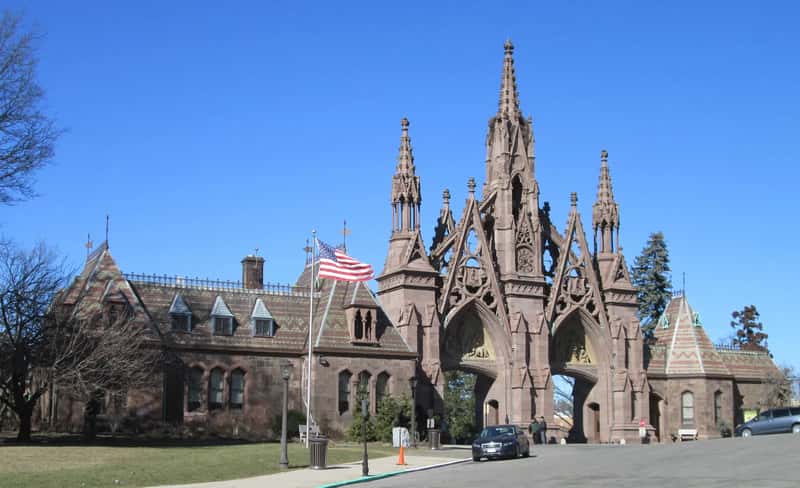
It sounds strange to recommend a cemetery as a must-see, but Green-Wood earns the spot on pure history and scenery alone. Inspired in part by Pere Lachaise Cemetery in Paris, Green-Wood was founded in 1838 by Henry Evelyn Pierrepont and designed by David Bates Douglass, sprawling across 478 acres of winding walkways.[1] By the mid-1800s, it had become such a draw that Green-Wood Cemetery was the second most visited tourist attraction in the nation, right after Niagara Falls.[1]
Today it still pulls in a steady crowd, though nowhere near tourist-trap levels. The Green-Wood Cemetery welcomes 450,000 visitors annually[2], and admission remains free to wander the grounds. Look out for Battle Hill, the highest point in Brooklyn, offering prime Manhattan skyline views[3], and for the Gothic Revival gates, which house Argentinian monk parrots[1] that nest there year-round. Famous residents buried here include Jean-Michel Basquiat, Leonard Bernstein and Boss Tweed[3], making a quiet walk feel like a walk through American cultural history.
2. The City Reliquary, Williamsburg
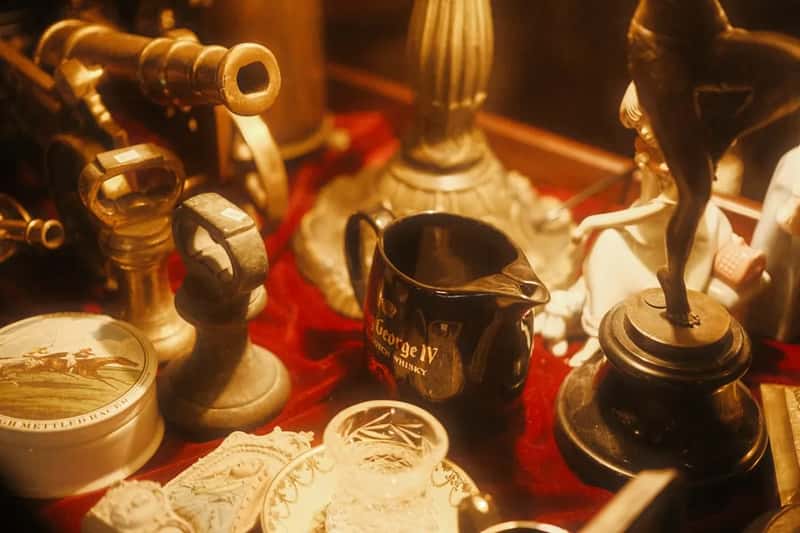
Tucked behind an unassuming storefront in Williamsburg, this tiny museum is easy to walk right past. It uses a traditional red, yellow, and blue bodega-style canopy, so the City Reliquary is almost hidden in plain sight, and many visitors discover it by accident.[4] It began humbly, too: founder Dave Herman started displaying objects in the windows of his ground-floor Williamsburg apartment in 2002[5], and the collection simply grew from there.
Inside, the exhibits lean charmingly odd rather than grand. Visitors will find Statue of Liberty postcards, terracotta fragments of landmark buildings, subway tokens, geological core samples[4], and other bits of city ephemera that somehow add up to a surprisingly moving portrait of New York. The museum also hosts community events like Collector’s Night, Bike Fetish Day, the Havemeyer Sugar Sweets Festival, and the Panorama Challenge[6], giving it a neighborhood feel that larger institutions can’t replicate. It’s a fifteen-minute stop that somehow lingers in memory longer than expected.
3. Wave Hill, the Bronx
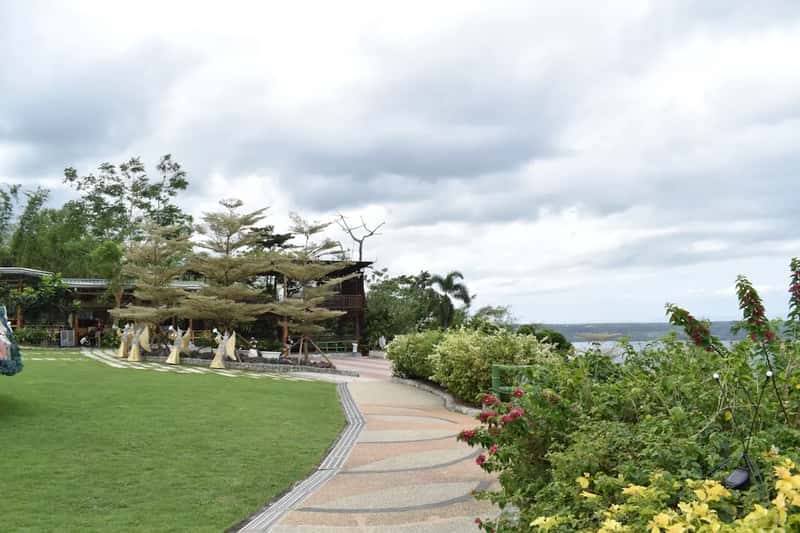
Perched above the Hudson River in Riverdale, Wave Hill feels less like a city park and more like a private estate someone forgot to lock the gate on. The public garden and cultural center sits on slopes overlooking the Hudson River, with expansive views across to the New Jersey Palisades, and the estate includes two houses and a botanical garden.[7] The oldest part of the main house, Wave Hill House, dates to 1843.[7]
Notable past residents give the place an extra layer of intrigue. It has been home to notable figures, including Mark Twain and Theodore Roosevelt[8], long before the estate was given to the City of New York in 1960[7]. Admission runs a modest ten dollars for adults, though it’s completely free all day on Thursdays[9]. Between the greenhouses, the alpine garden, and the river vistas, it’s one of the few places in the five boroughs where the city noise genuinely disappears.
4. Louis Armstrong House Museum, Corona, Queens
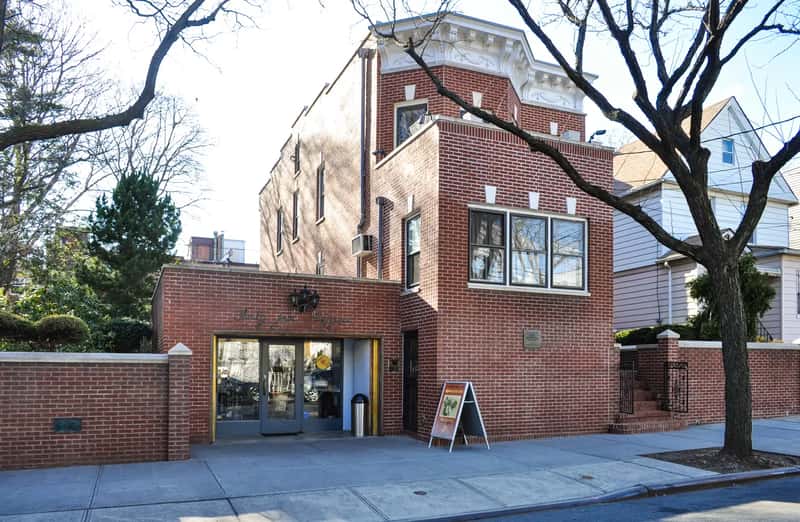
Louis Armstrong could have lived anywhere after achieving global fame, yet he chose to stay in a modest house in a working-class Queens neighborhood. Louis Armstrong and his wife Lucille moved to their home in the Corona neighborhood of Queens in 1943[10], and he lived there until his death in 1971[11]. The house has been preserved almost exactly as it was, giving visitors an unusually intimate look at a legend’s everyday life rather than a polished, distant exhibit.
A newer addition sweetens the visit further. The adjacent Louis Armstrong Center, which opened in 2023, now houses stories through artifacts, from his trumpet to his passports[12]. In 2025, the museum also unveiled The Corona Collection, an oral history exhibition that shines a spotlight on the voices, memories, and legacies of the Corona and East Elmhurst communities[13]. Tours require advance tickets and tend to be small, which only adds to the personal feel of the place.
5. City Island, the Bronx
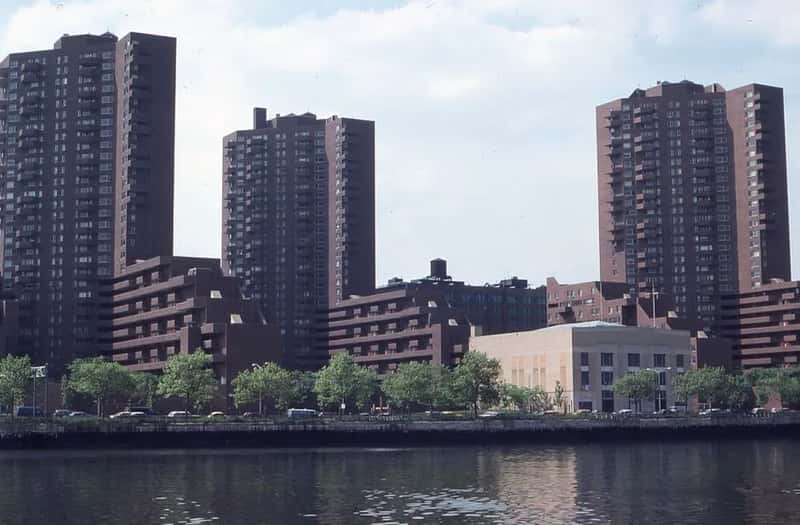
Most visitors don’t realize a piece of New England exists inside the Bronx city limits, but City Island fits the description almost perfectly. The narrow strip of land sits at the eastern edge of the borough, connected to the mainland by a single bridge, and it has long made its living from boatbuilding, fishing, and seafood restaurants lining its main street. Walking its quiet blocks feels closer to a coastal Connecticut town than anything typically associated with the Bronx.
The pace here is deliberately slow. Small maritime museums, antique shops, and waterfront seafood shacks give the island its character, and the views across Long Island Sound offer a different kind of New York scenery entirely. It’s reachable by subway and bus in under an hour from Manhattan, yet it draws only a fraction of the tourists who visit far more famous Bronx attractions like the zoo or botanical garden.
6. The Noguchi Museum, Long Island City, Queens
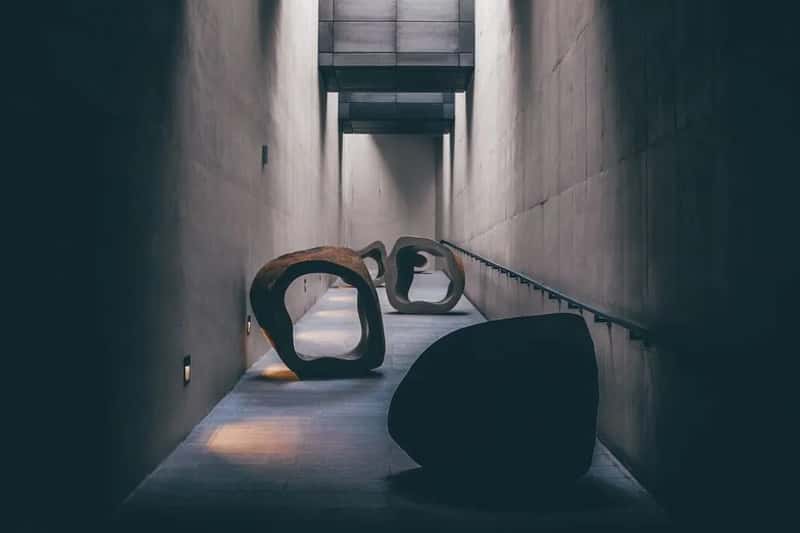
Just across the river from Manhattan, this museum sits in a converted industrial building that sculptor Isamu Noguchi himself designed as a permanent home for his work. It’s one of the few artist-founded museums in the country still displaying the creator’s own vision of how the pieces should be arranged and lit. The indoor galleries connect to an outdoor sculpture garden, creating a quiet contrast to the busy streets just blocks away.
Because it sits slightly outside the main Long Island City gallery cluster, many visitors skip it in favor of MoMA PS1 or the waterfront parks nearby. That’s a shame, since the scale and material variety of Noguchi’s sculptures, from smooth basalt to weathered granite, reward slow, unhurried viewing. The museum stays relatively uncrowded on weekdays, making it one of the rare places in the city where visitors can sit with a piece of art for as long as they like without jostling for space.
Taken together, these six spots share a common thread: they reward curiosity over checklist-style sightseeing. None of them require advance planning beyond a subway ride and a bit of patience, and all of them offer something the bigger attractions simply can’t, room to breathe and actually look around. For anyone who has already done the obvious New York itinerary, these are the places worth building a second trip around.