Immigration status is usually treated as a fixed label, something that follows a person for life once it lands on them. Yet history keeps producing exceptions who complicate that assumption entirely. A handful of politicians who now sit in parliaments, governor’s mansions, and even presidential palaces once lived without the papers that would have made their presence in a country fully legal.
Their stories rarely get told in full, partly because admitting to undocumented status still carries stigma even for the powerful. Still, the record is there, in memoirs, court documents, and their own public statements. Here are six political figures whose paths to leadership included a stretch of life spent outside the legal immigration system.
Paul Kagame, President of Rwanda
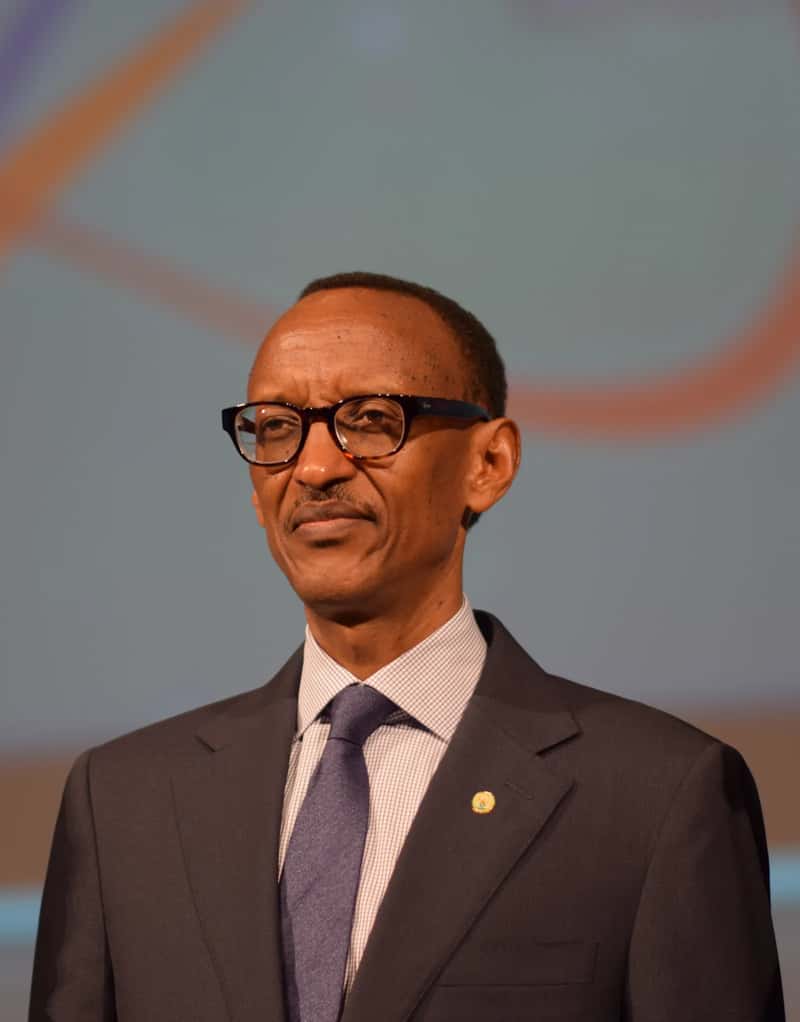
Paul Kagame’s connection to undocumented life did not come through a modern visa system but through the far older reality of statelessness. His Tutsi family fled Rwanda for Uganda when he was a toddler, and Kagame and his family lived in Uganda for the next 30 years as refugees. Refugee status gave him a place to live, but it came with sharp restrictions on movement that he did not always respect.
During his teenage years and into young adulthood, Kagame kept slipping back into the country his family had been forced to leave. Journalistic accounts describe how he spent his formative years frequently crossing the border illicitly to Rwanda between 1976 and 1978 to spend time in his native country, since his refugee status in Uganda prohibited him from returning to Rwanda. Those unauthorized crossings were technically illegal entries into his own homeland, a strange twist for a man who would later lead the country he once had to sneak into. Kagame eventually rose through the Ugandan army before leading the Rwandan Patriotic Front, and he returned to Rwanda after 30 years in exile to lead the Rwandan Patriotic Army in the struggle for the liberation of Rwanda, becoming president in 2000.
Esther Cuesta, Acting President of Ecuador’s National Assembly
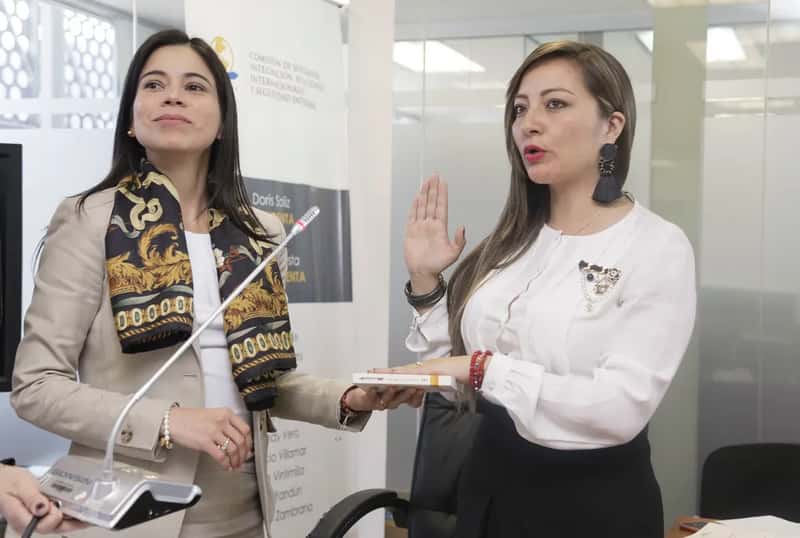
Esther Cuesta’s undocumented years began with what was supposed to be a short vacation. At nineteen, according to her official biography, she vacationed in Mexico, secretly crossing the border into the United States, and what followed was not a quick return home. Instead, she was an undocumented immigrant for “several years”, navigating life in the United States without legal status while quietly building an academic career.
That period did not derail her education. She went on to earn an undergraduate, master’s, and doctoral degree from the University of Massachusetts Amherst, eventually turning her research toward the very migration patterns she had lived through. Cuesta later entered Ecuadorian politics specifically to represent citizens like her former self, and she represented the 800,000 Ecuadorian migrants in Europe, Asia, and Oceania in the National Assembly. In January 2025, that career reached its peak when she became the acting President of the National Assembly, putting a former undocumented migrant at the head of Ecuador’s legislature.
Adriano Espaillat, U.S. Congressman and Immigration Trailblazer
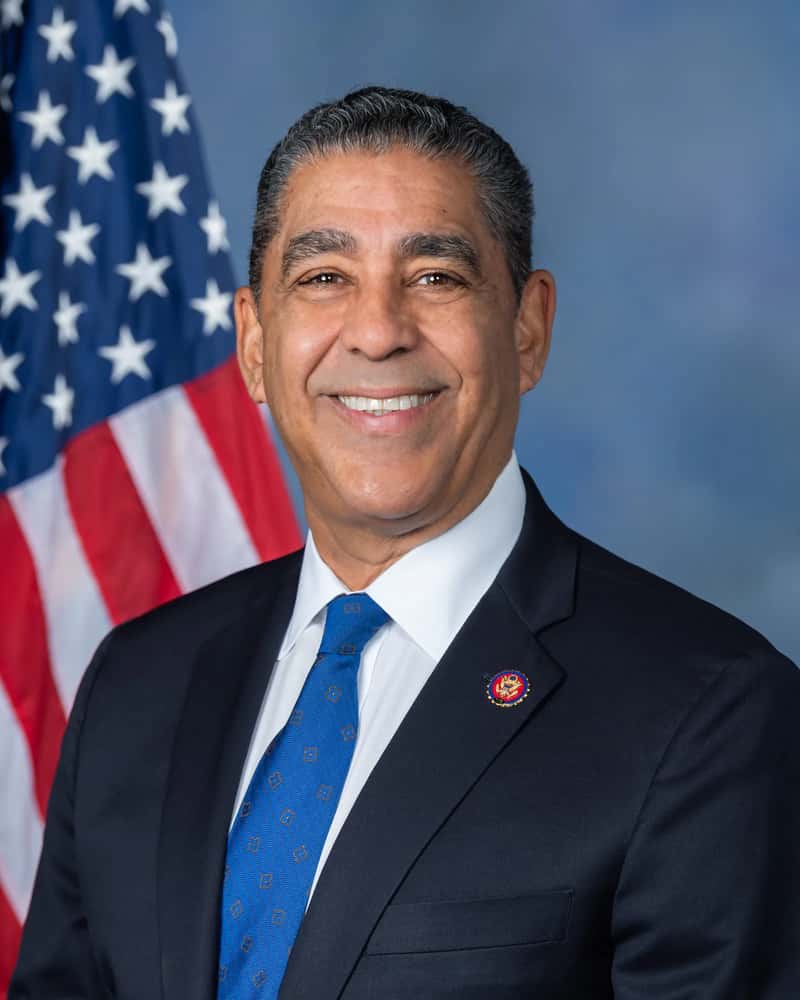
Adriano Espaillat’s political rise carried symbolic weight from the start. Before his election, he was already known as the state senator who introduced himself as someone who could become the first formerly undocumented immigrant to serve in the U.S. Congress. Born in the Dominican Republic, he had spent part of his early life in the country without legal status before eventually gaining citizenship and entering New York politics.
In 2016, that ambition became reality. Representing a Manhattan district, he became the first formerly undocumented immigrant in the US Congress, having been born in the Dominican Republic. Coverage at the time noted that he was now both the first Dominican American and first formerly undocumented immigrant elected to Congress, a distinction he has continued to reference throughout his time in Washington while pushing for immigration reform legislation.
Ruben Kihuen, Former U.S. Congressman from Nevada
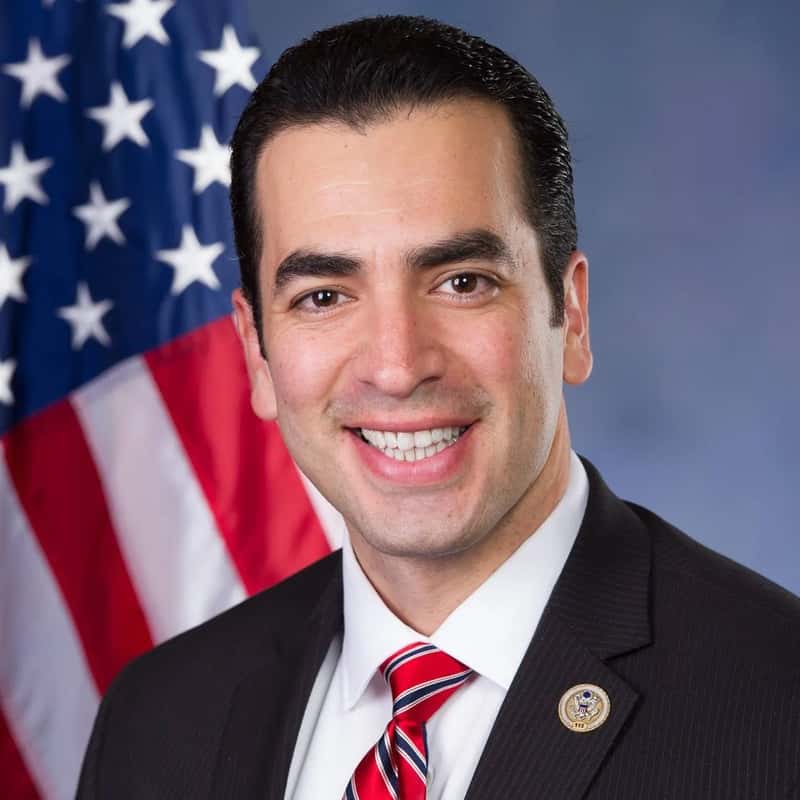
Ruben Kihuen’s family made the kind of decision that generates undocumented status without anyone intending to break the rules outright. He arrived from Mexico as a child, since Kihuen came to the U.S. from Mexico with his family when he was 8. Like many families in similar situations, he entered legally on a visitor’s visa and then didn’t leave, which left him undocumented through much of his childhood in Las Vegas.
His path to legal status ran through federal policy rather than personal effort alone. He gained citizenship at 23 largely because of the 1986 Immigration Reform and Control Act, and becoming a citizen at age 23, he didn’t waste much time and won a seat in the Nevada State Assembly just three years later in 2006, the first Hispanic immigrant in the state to do so. He went on to serve in the U.S. House of Representatives, becoming one of the earliest members of Congress to have grown up as an undocumented child in America before later stepping away from elected office.
Arnold Schwarzenegger, Former Governor of California
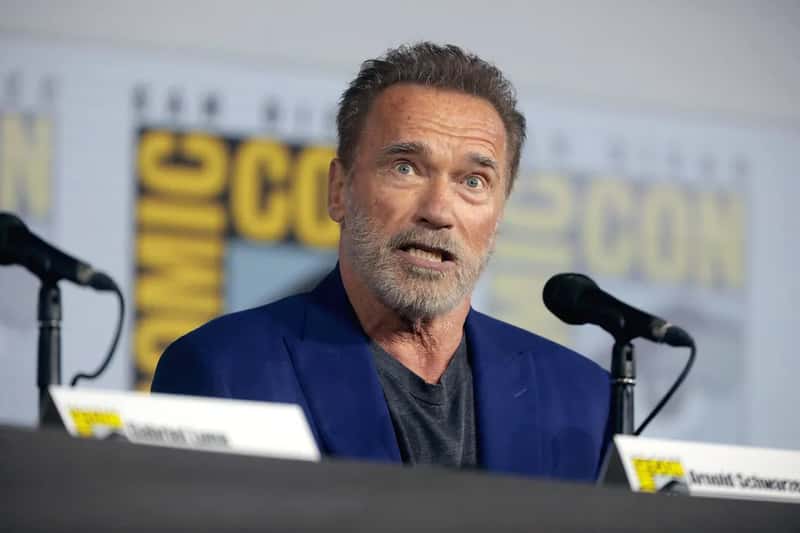
Long before he became one of America’s most recognizable state executives, Arnold Schwarzenegger’s immigration paperwork did not fully match his activities on the ground. He arrived from Austria on legal terms tied to bodybuilding competitions, yet his work history stretched beyond what that visa allowed, since while he had a sports visa for bodybuilding, the former Governor of California also took on a job as a bricklayer in the states.
That mismatch between his visa category and his actual employment carried real legal risk at the time. Sources examining his early years in America note plainly that had the government known about his illegal work, Schwarzenegger could have been deported. He would go on to build a film career, marry into the Kennedy family, and eventually govern the fifth largest economy in the world as Governor of California from 2003 to 2011, a path that began with an immigration status far less secure than his later public image suggested.
Melania Trump, First Lady of the United States

Melania Trump’s story adds a different dimension to this list, since her undocumented period unfolded quietly within the modeling industry rather than through a dramatic border crossing. Investigative reporting into her early career in the United States found real gaps in her paperwork during the 1990s. According to that reporting, AP discovered that Melania was paid for 10 modeling jobs in the ’90s, despite not having the right documentation.
Those jobs came before she held the legal work authorization required for that kind of paid employment in the country. She later gained legal status and citizenship, eventually becoming First Lady when Donald Trump took office, a position that placed her at the center of American political life and made her one of the most photographed and discussed women in global politics. Her history as someone who once worked in the United States without proper documentation stands in sharp contrast to the immigration debates that have defined much of her husband’s political career.
None of these six stories look alike. One involves a stateless refugee sneaking across a border to visit the country he could not legally enter, another involves a graduate student who overstayed a short trip, and another involves a bodybuilder taking work his visa did not cover. What connects them is simpler than the details suggest: each spent part of their life outside the formal immigration system before eventually stepping into positions of real political influence. Their later prominence does not erase that history, and in several cases, it has become part of how they explain their own politics to the public.