Florida has long been viewed as a real estate paradise, attracting waves of buyers seeking sunshine and opportunity. Yet beneath the glossy postcards and retirement dreams, certain suburban markets are showing serious warning signs. Real estate professionals and market analysts are increasingly flagging specific areas where property investments could turn sour over the next five years. Rising insurance costs, climate vulnerabilities, and market overcorrections are creating a perfect storm in select suburbs across the Sunshine State.
The stakes are particularly high right now. Florida’s current median home price remains just under four percent beneath its all-time high set in April 2024, while the median single family Florida home price was $415,000 at the end of December 2025, representing a flat year-over-year change. However, this statewide picture masks significant vulnerability in certain suburbs where declining values and mounting ownership costs are converging.
Cape Coral: Canals and Cascading Values

Cape Coral, a city known for its extensive canal system, has seen home prices fall significantly, with the typical single-family home selling for nearly seven percent less in August 2025 compared to the previous year, and compared to the pandemic boom era of August 2022, the median home sales price has dropped by over thirteen percent. This dramatic correction has placed Cape Coral at the top of multiple watch lists. The city benefited enormously from pandemic migration but now faces the consequences of that explosive growth.
According to the July 2025 Insights from Cotality, five specific Florida housing markets have been flagged with a very high risk of experiencing a major price decline, with significant vulnerability identified in Cape Coral, Lakeland, North Port, St. Petersburg, and West Palm Beach. Higher interest rates, increasing insurance premiums, and climbing foreclosure rates are dampening buyer enthusiasm, with cities like Cape Coral particularly vulnerable to hurricanes and flooding, leading to higher and harder-to-get homeowner’s insurance. ATTOM data from Q3 2025 showed Cape Coral having one of the highest foreclosure rates among major metros.
Miami Gardens and Miami Lakes: Flooding Beneath the Surface
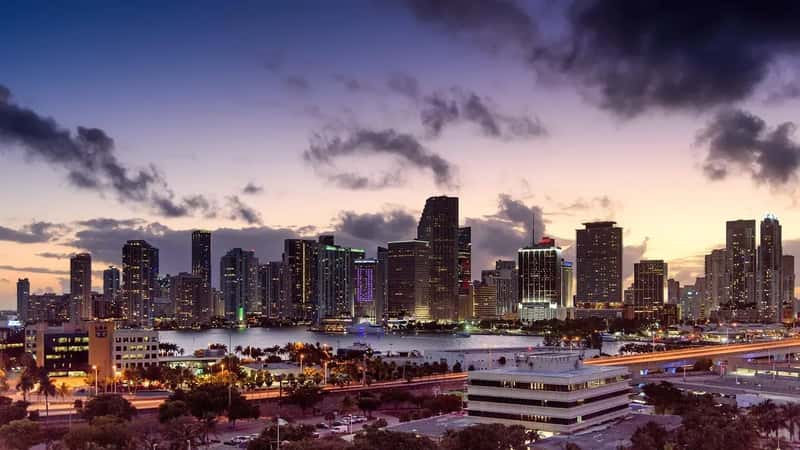
Real estate agents specifically warn about these inland Miami suburbs despite their distance from the coast. Chelsea Werner, global real estate advisor at ONE Sotheby’s, stated she would avoid inland suburbs that have low elevation and are susceptible to flooding like Miami Gardens and Miami Lakes, noting that these neighboring suburbs might be away from the beach, but their low-lying areas can still end up underwater when heavy rains hit – and they do hit fairly often in Florida during the rainy season. This vulnerability represents a hidden risk that many buyers overlook when shopping for property away from obvious coastal zones.
The flooding issue creates compounding problems for property owners. Insurance costs escalate dramatically in flood-prone areas, even those not directly on the water. The decline in home prices across Florida in 2024 is driven by a combination of factors, including increasing inventory, rising insurance and ownership costs, and the impact of recent hurricanes, with areas like Sarasota, Punta Gorda, and Cape Coral-Fort Myers particularly affected due to their vulnerability to natural disasters and higher associated ownership costs. These inland suburbs face similar pressures without the premium coastal amenities that might justify the elevated risk.
North Port: Overcorrection in Southwest Florida
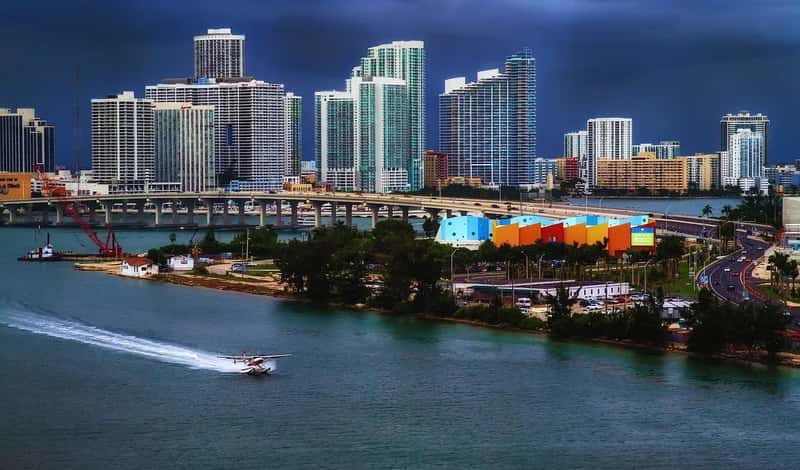
North Port has seen an even more dramatic long-term correction, with typical August 2025 home sales prices twenty percent less than three years prior. This represents one of the sharpest declines in the state and signals deeper structural problems in the market. The suburb experienced rapid appreciation during the pandemic boom, but that growth proved unsustainable as migration slowed and ownership costs mounted.
Among Florida’s hardest-hit metros, Sebastian saw the most significant decline with prices dropping eight percent year-over-year between January and March to a median of $400,000, while Punta Gorda followed with a decrease of nearly seven percent, bringing the median price to $353,800, and other notable decreases include Cape Coral, which dropped nearly four percent to $400,000, and North Port-Sarasota-Bradenton, which fell over three percent to $493,000. The clustering of declining values across this region points to shared vulnerabilities that will likely persist through the next five years.
Lakeland: Inland Doesn’t Mean Immune
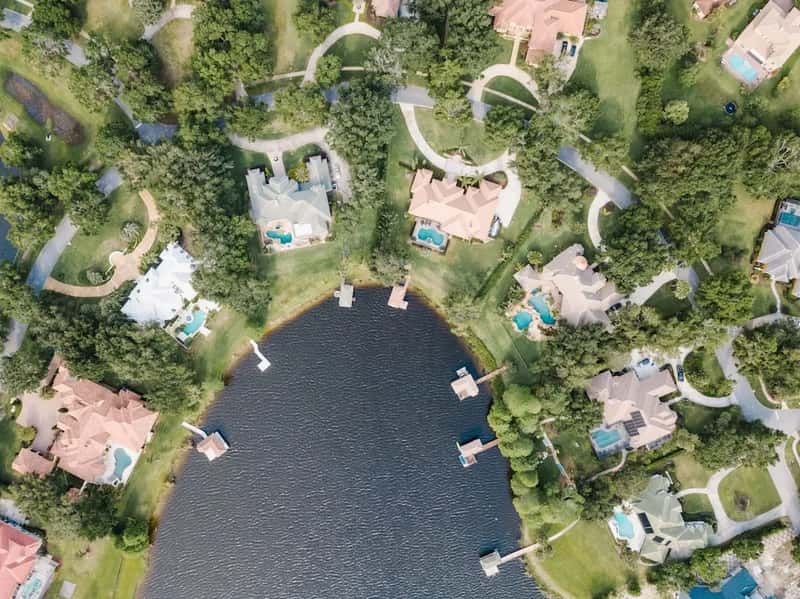
Lakeland, located roughly between Tampa and Orlando in Central Florida, comes in as the second-highest risk market, with the price trend line showing a steady climb peaking around early 2024 just below the $400,000 mark, and unlike Cape Coral or North Port, its decline appears more gradual and less steep, though still noticeable, settling around the low $400,000 range by April 2025. Positioned between two major metropolitan areas, Lakeland attracted buyers seeking affordability while maintaining reasonable commuting distance to job centers.
Yet that positioning has become a liability. In this inland Central Florida metro, market growth has slowed and prices have declined modestly over the past twelve months, with inventory levels having risen, giving buyers more choices and less fear of bidding wars. The steady growth that once defined Lakeland has reversed, and without the beach appeal or major metro amenities, the suburb faces limited upside potential while carrying significant downside risk as Florida’s overall market continues cooling.
Opa-Locka: Economic Instability and Rising Prices
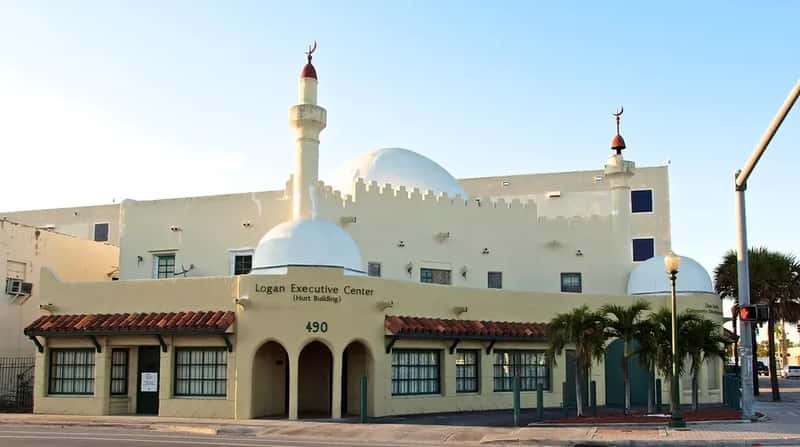
In Opa-Locka, the average home value is $463,255 and rising, with home prices having gone up an estimated eleven percent in the past year alone. Paradoxically, rising prices in this particular market represent a warning sign rather than a positive indicator. This area has been struggling with high crime rates and economic instability for years, and despite various efforts to revitalize the community, these issues persist, making it a risky investment.
The disconnect between price appreciation and underlying fundamentals creates particular concern. The local government’s financial struggles have also led to inconsistent public services, which can deter potential homebuyers and investors alike. When prices rise in markets with deteriorating quality of life indicators, a correction becomes increasingly likely. Buyers purchasing at these elevated prices face substantial risk of value erosion as market dynamics normalize and the fundamental weaknesses reassert themselves.
West Palm Beach: Volatility Signals Vulnerability
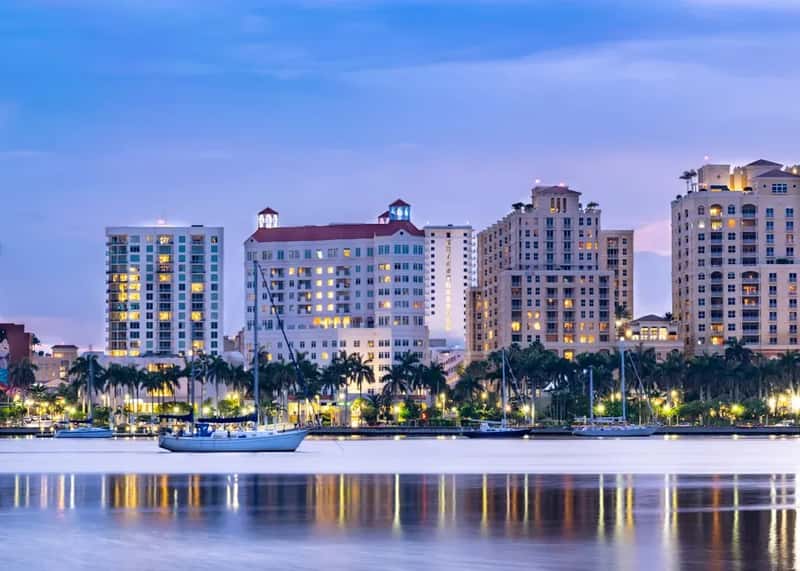
Rounding out the list at number five is West Palm Beach, on Florida’s Atlantic Coast, with the price trend line for West Palm Beach perhaps the most volatile of the five markets flagged, showing sharp increases, dips, a strong recovery into 2024 peaking near $480,000, and then a noticeable decline into April 2025, finishing near the $420,000 mark. This volatility itself represents a significant risk factor. Markets experiencing dramatic price swings create uncertainty for buyers and sellers alike, making it difficult to time purchases appropriately.
Even the list of the top five most at-risk markets in the entire U.S. are all in Florida: Cape Coral, Lakeland, North Port, St. Petersburg, and West Palm Beach, which isn’t a coincidence but rather reflects the severity of the preceding boom in these specific areas and the unique pressures Florida is facing. West Palm Beach’s position on this list stems from its rapid appreciation outpacing local income growth and the broader economic fundamentals. The sharp uptick in the cost of home and flood insurance is also dampening demand for homes, with tens of thousands of houses sitting unsold and some buyers avoiding high-risk areas entirely, as potential buyers are factoring climate risks into their purchasing decisions and pricing in insurance premiums, future storms, and the potential for resale challenges.