
Vietnam is an incredible place to live and travel, so much so that I’ve chosen to call it home and have never once regretted that decision. That said, no country is perfect, and Vietnam is no exception.
From pollution and air quality concerns to relentless noise, blocked footpaths, limited spaces for dog owners, occasional power cuts, and seasonal flooding, daily life here can come with unexpected challenges.
These issues don’t necessarily ruin the experience, but they can catch travellers and new expats off guard. This guide looks honestly at the worst things about Vietnam, not to discourage you, but to help you arrive informed and prepared.
1. Pollution: Worst Things About Vietnam
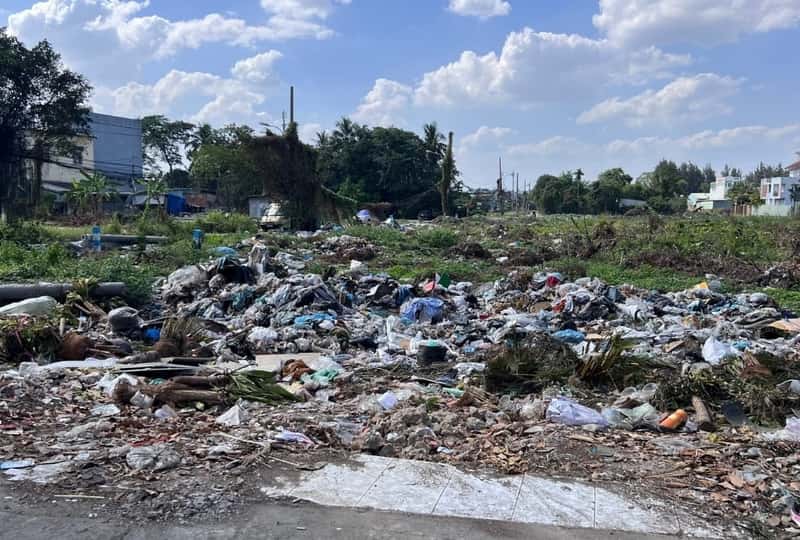
While Vietnam has made great strides in cleaning up its act, it’s still a long, long way away from where it needs to be. While city centres keep themselves clean, the outskirts and countryside are still a mess of discarded plastic, tyres, glass, etc.
Vietnam’s rivers and ocean are particularly bad, with Vietnam being one of the world’s top contributors to ocean plastic waste. Single-use plastics are widespread throughout the country, such as straws, rubber bands, coffee cups, and small plastic bags used by food delivery to carry just about any and all types of food.
Thankful, as of 2026, Vietnam has implemented a ban on the production and import of thin, non-biodegradable plastic bags, with many shops switching over to paper or lotus-leaf packaging.
You will also find many of the restaurants have swapped out plastic straws for Inox, paper and even straws made from rice powder in efforts to curb their plastic waste usage.
Air quality is also another huge concern, particularly in Hanoi and Ho Chi Minh City. The 60+ million motorbikes, alongside the construction dust and industrial emissions, are a cocktail of contaminants that can make living in certain areas a nightmare.
The Vietnamese government has recently launched Low Emission Zones, restricting older, high-polluting vehicles, and soon, only electric vehicles will be allowed to enter both Hanoi and Ho Chi Minh City centres to quell the pollution
2. Noise
Noise is also a form of pollution, and it’s an issue across Vietnam, not something limited to the big cities. While the cities are a cacophony of noise, thanks to vehicle engines, horn honking, and construction, even when you escape to smaller towns or the countryside, you might still be greeted with Vietnam’s famous local Karaoke scene.
Karaoke is more than just a hobby here; it’s a way of life. While there are massive neon-lit buildings that look like hotels offering private themed rooms, the most common version you’ll experience is the street-side karaoke.
I lived in a small alley in the second year in Vietnam, and eventually had to move out due to the neighbours endlessly blasting Karaoke out of revenge for the other doing it loudly one after the other. And the Karaoke times weren’t limited to a day or time.
Whenever each neighbour got time off work, the first thing they would do is pull out their massive speakers, aim them towards the street, and blast the music as loud as they could. Not even your best earplugs could protect you from the noise.
3. Footpaths Blocked Everywhere You Go
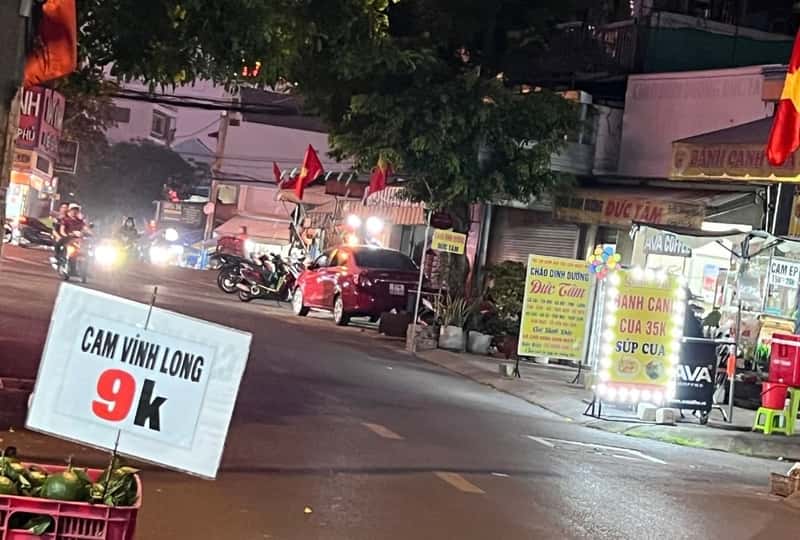
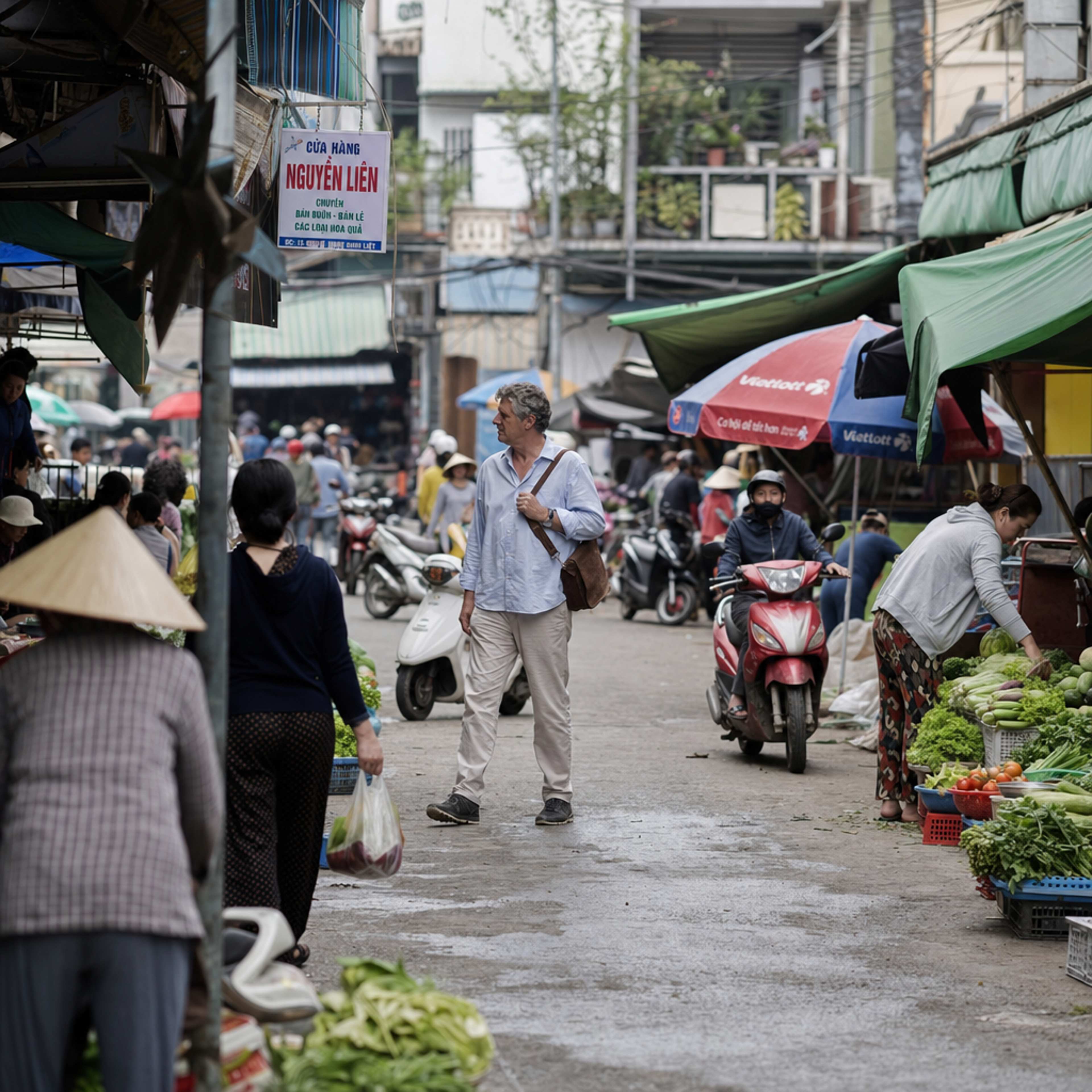
It seems like no matter where you try to walk in Vietnam, that isn’t a city centre, the footpaths are blocked by just about everything. Motorbikes, shopping signs, food stalls, tables and chairs, walking through some of these places is a zig-zagging nightmare.
Fortunately, Hanoi, Saigon, and Da Lat make sure that footpaths are cleared at all times, and recently the government has started their plan to “restore social order” by forcing businesses to respect public spaces and keep areas free for those who choose to walk.
4. Nowhere To Walk Your Dogs

It’s bad enough that you can’t walk your dog around local areas thanks to the footpaths being constantly blocked, but it seems like no matter where you go in Vietnam, dogs aren’t welcome.
I have two dogs, and getting them safely from A to B is a challenge in and of itself. They don’t like being in a cage, or can’t sit still on the bike when driving, but even when we arrive at parks, it’s strictly no dogs allowed.
The only way around the predicament is to wait until nightfall and bring the dogs to the park when the security is no longer there. Most locals do it anyway, so you don’t need to feel shy or embarrassed, but it’s still one of the many challenges of living in this country.
5. Power Cuts
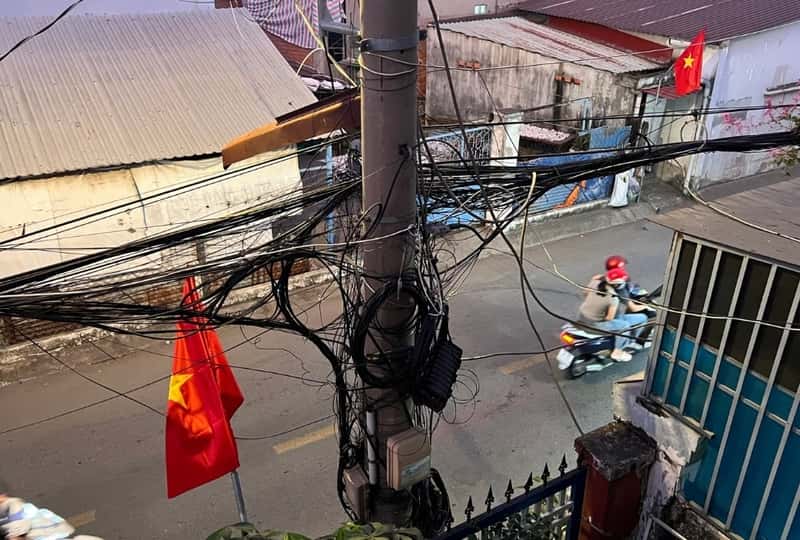
Due to having aged infrastructure, Vietnam’s energy grid faces immense pressures, particularly during “peak heat” months. To prevent the system from overloading, it isn’t uncommon for your area to have its power shut off for a number of hours.
The need for regular maintenance also requires power cuts, so you could face a few power cuts a year, which isn’t great if you work from home writing articles such as thing one.
Thankfully, practically every cafe in Vietnam offers free wifi, and many have air conditioning, so it’s as easy as taking a Grab or driving yourself 10 minutes away to a cafe to work there.
There have been massive investments in the power grid, with new energy projects significantly stabilising the supply, so while power cuts still happen, they are becoming less and less frequent.
6. Flooding
While flooding depends greatly on where you live, it still can be a major issue. Typhons and heavy rain cause rapid river rises, with Central Vietnam suffering the worst water levels in its history as of 2025.
Flooding was so bad in my area that it’s no exaggeration to say you could have surfed down the same streets that cars and bikes had been driving mere hours earlier.
It’s important not go out when it’s flooding. Raw sewage will be mixed into the rain and river water, potentially causing infection if you have any cuts to your body, and it’s not unheard of for people to be electrocuted from submerged power lines.
Floods do tend to recede within a few hours, and businesses often stay open so you can go inside to keep yourself safe from danger.
Why Many People Still Love Vietnam Despite the Downsides
Despite all of this, Vietnam has a way of getting under your skin in the best possible way. For every frustration, there’s something that pulls you right back in.
Life here feels vivid and alive. The food alone is reason enough for many people to stay, fresh, flavourful, affordable, and deeply tied to daily life rather than special occasions. Eating out isn’t a luxury; it’s part of the rhythm of the day.
There’s also an ease to living in Vietnam that’s hard to explain until you experience it yourself. Coffee shops are everywhere, people linger, and life doesn’t feel as rushed or transactional as it does in many Western countries.
Even with the chaos, there’s a strong sense of community, especially once locals start recognising you and treating you as more than just a passer-by.
Vietnam is also incredibly diverse. You can go from mountains to beaches, bustling cities to quiet countryside, all within a few hours.
And while the downsides are real, many people learn to adapt rather than resist them. Once you stop expecting Vietnam to work like home and let it be Vietnam, the country becomes far easier to love, flaws and all.
FAQs About the Worst Things About Vietnam
Is Vietnam difficult for first-time travellers?
Vietnam can feel overwhelming at first, especially if it’s your first time travelling in Southeast Asia. The traffic, noise, heat, and language barrier can be a shock, but most travellers adapt surprisingly quickly. Once you understand how things work, especially crossing the road and navigating transport, Vietnam becomes far more enjoyable and rewarding.
Is living in Vietnam stressful long-term?

It can be, depending on your personality and expectations. Long-term stress usually comes from noise, pollution, bureaucracy, and the lack of structure compared to Western countries. That said, many people find the slower pace of life, affordability, and strong daily routines actually reduce stress once they stop fighting how things are done here.
The most common complaints tend to be noise pollution, air quality, traffic safety, and inconsistent rules. Things that feel minor short-term, like blocked pavements or power cuts, can wear you down over time. For many expats, it’s not one big issue, but a collection of small, daily frustrations.
Is Vietnam safe despite the traffic?
Violent crime is relatively low, and Vietnam generally feels very safe in terms of personal security. Traffic is the biggest risk, especially for pedestrians and motorbike riders. Being alert, avoiding risky crossings, and not rushing ggoa long way in staying safe.