Some places seem to have two personalities. One shows up when the crowds do, with packed sidewalks, long waits for dinner and hotel rates that make you wince. The other appears once the season ends, and it’s quieter, slower and often more rewarding.
The seven places below are all U.S. destinations where the shift is well documented. I’ve leaned on local accounts, tourism boards, census figures and travel guides rather than guesswork. Where details are thinner, I’ve kept the claims general.
Bar Harbor, Maine
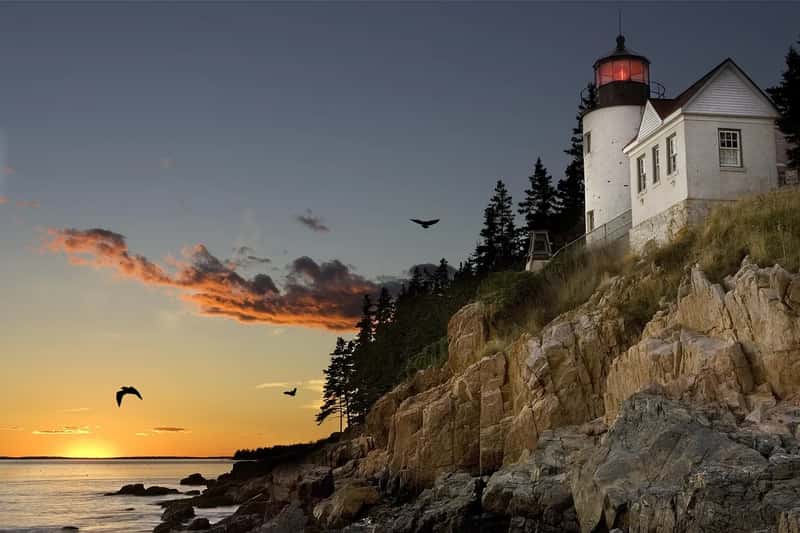
Locals describe a clear dividing line at Memorial Day weekend. One shop manager told a local TV station that “In the off season, Bar Harbor gets very quiet and very sleepy,”[1] and the town wakes up once summer visitors arrive. One 2026 local’s guide says most restaurants, shops, tours and boat departures operate from May through October, and the town largely closes up by mid-October.[2]
The late-season crowd story has changed too. Outside the pandemic years, Bar Harbor averaged roughly 150 cruise visits a year, bringing 200,000 to 250,000 passengers between late April and early November.[3] Since then, voters approved a cap of 1,000 cruise passengers per day,[4] and by mid-2025 no large ships had visited so far that year, with only 16 possibly coming.[5] The same guide notes that summer crowds thin after Labor Day, and fall foliage peaks from late September through mid-October.[2]
Palm Springs, California
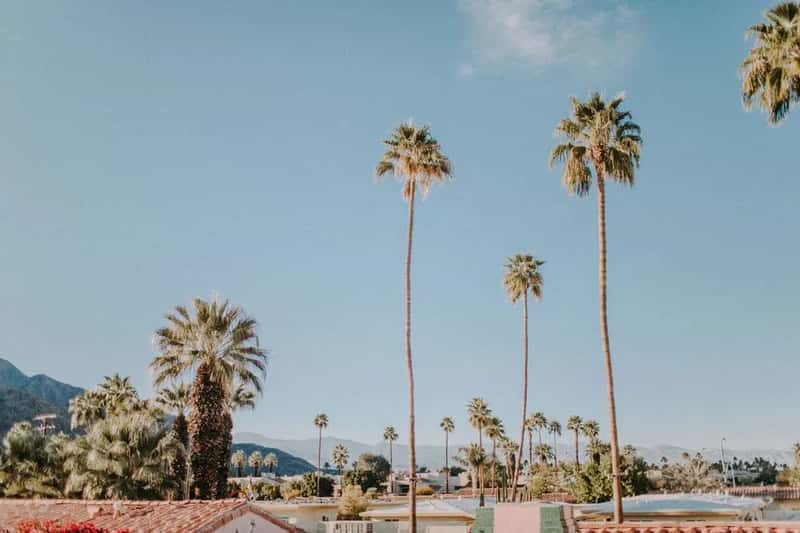
Palm Springs flips the usual calendar. The city’s tourism board lists January through April as peak season and June through September as low season, with fall as the shoulder.[6] When the desert heats up, the crowds go with it.
One summer guide says daytime highs run 105 to 115°F from late June through early September, and hotel rates drop to half of winter prices, sometimes a third.[7] It cites rooms that cost $400 to $600 in February falling to $150 to $250 in July and August.[7] Summer isn’t entirely empty, though. One hotel guide citing industry data argues that summer leisure occupancy has grown faster than peak season over the past decade, so summer is no longer the dead season it once was.[8]
Key West, Florida
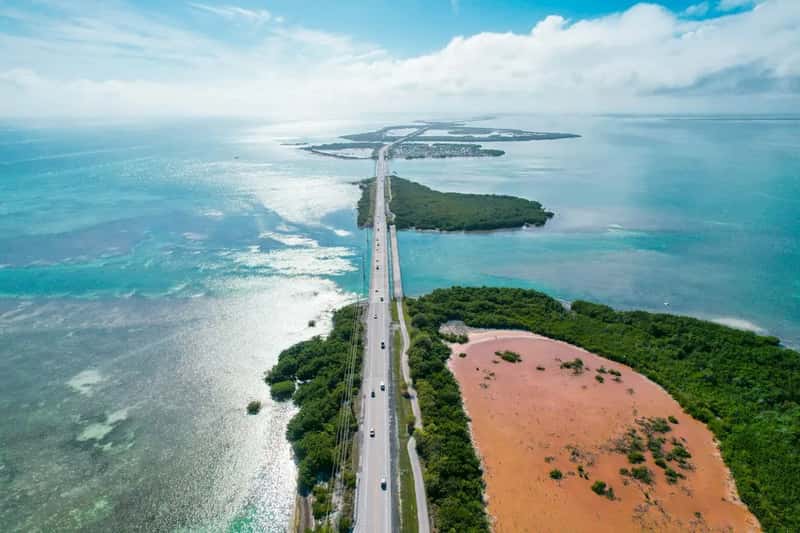
Key West’s quiet stretch is built into its history. Fantasy Fest began in 1979 as a local idea to liven up the island’s quiet season.[9] This year it runs October 16 to 25.[10]
Outside the festival, the pace changes noticeably. Lonely Planet notes that September and October, typically the peak of hurricane season, are widely regarded as the low season,[11] and that the trade-off is stellar deals on accommodations and activities.[11] A local columnist wrote that the quieter weeks between Fantasy Fest and Christmas still belong to locals.[12] If you go in this window, buy travel insurance and stay flexible, since storms are always possible.
Provincetown, Massachusetts
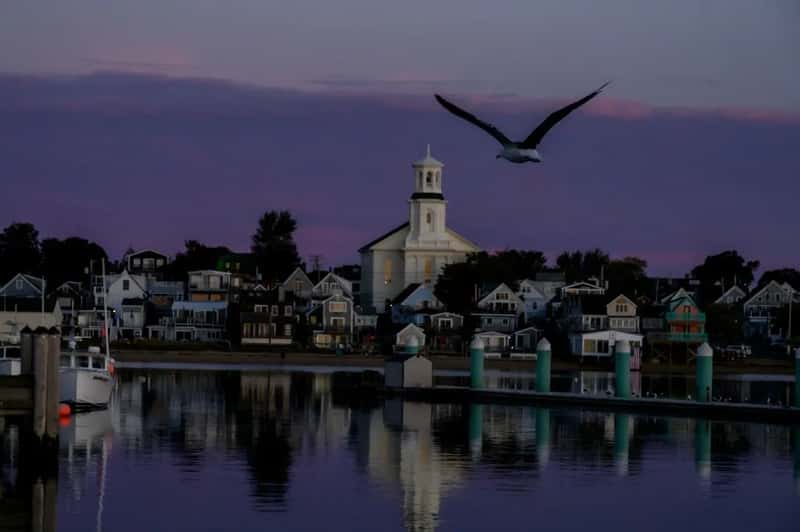
Provincetown is one of the clearest population swings in the country. It had a year-round population of 3,664 in the 2020 census, and a summer population as high as 60,000.[13] That gap explains why the town feels like a different place in January.
One Harvard Magazine account described a winter population of around 1,000, with only about 20 restaurants and bars open. That’s an older piece, so treat the numbers as a snapshot. A local theater director in it called the town “a wonderful, quiet romance”[14] without the Commercial Street crowds. On the practical side, the Cape Cod National Seashore’s low season runs roughly November 1 through April 30, with empty parking areas and no visitor fees.[15]
Mackinac Island, Michigan
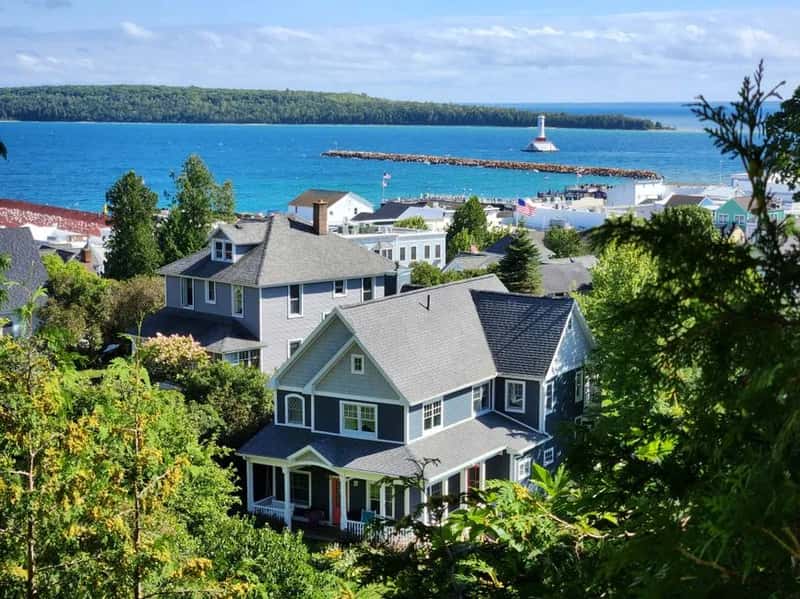
Mackinac Island is known for banning motor vehicles, so horses, carriages and bicycles set the pace. In summer, that charm comes with heavy ferry traffic and busy streets. The year-round population is well under a thousand people, so the contrast with peak season is big.
Once the season ends, many hotels, shops and restaurants close for the winter, and the island turns inward. Anyone planning a late-fall or winter trip should check ferry schedules and which businesses are open before booking. The island’s identity is the same, but the experience is much quieter and more local.
Newport, Rhode Island
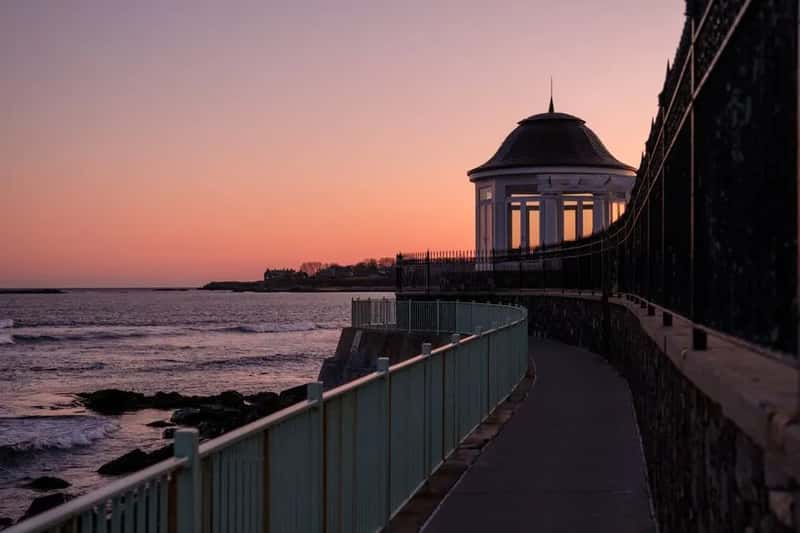
Newport is best known for its Gilded Age mansions, its sailing culture and a shoreline that draws big summer crowds. Summer brings major music festivals and packed waterfront streets. Off-season visitors tend to describe the opposite, with easier parking and a calmer harbor.
The Cliff Walk, a public shoreline path of roughly three and a half miles, is one of the best ways to see the difference. In cooler months you can walk it without the summer crowds. Some attractions run reduced hours outside the main season, so check ahead before you go.
Cape May, New Jersey
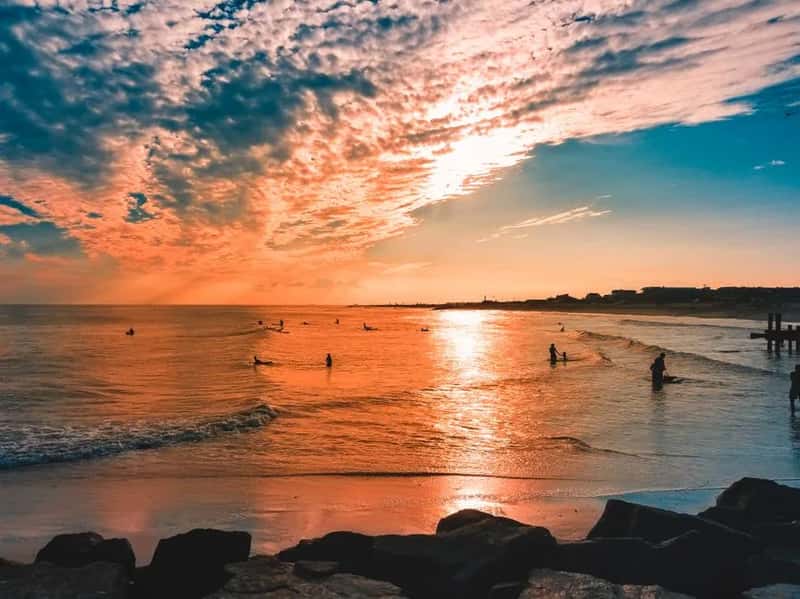
Cape May is a Victorian seaside city at the southern tip of New Jersey, and the whole town is a National Historic Landmark. Summer there is about beaches and packed boardwalk-style weekends. After Labor Day, the character shifts toward architecture, food and wildlife.
The area is also well known among birders for fall migration, which gives the off-season its own draw. Many inns decorate for the holidays, and house tours become part of the winter calendar. Beach-season amenities are scaled back, so go for the atmosphere and not for swimming.
These seven places show that “tourist season” is more than a date range. It changes what’s open, who’s walking the streets and how the place feels. The off-season isn’t always better, since some businesses close and weather can interfere. For travelers who like quiet, lower prices and a closer look at local life, though, it can be the more honest version of the destination.
Before you plan a trip, check which businesses stay open, look at local weather patterns, and decide whether quiet is what you’re after. The best time to visit a place depends on what you want from it.