Canada’s picturesque destinations are experiencing an unprecedented surge in tourism, creating challenges that many communities never anticipated. Overnight domestic trips by Canadians reached 134.1 million from January to September 2024 (+4.9% from 2023), and overnight non-resident arrivals totalled 19.9 million (+8.6%). Social media has put many hidden gems on the map, turning quiet streets into tourist hotspots almost overnight.
These small towns that once offered peaceful escapes are now grappling with traffic congestion, housing shortages, and strained infrastructure as visitor numbers far exceed their capacity to accommodate them comfortably.
Banff, Alberta: Mountain Paradise Under Pressure

Nearly four million people visited Banff in 2024 alone, and overtourism is a growing concern for Parks Canada. This staggering number represents a mountain town with just over eight thousand permanent residents trying to accommodate roughly five hundred times their population annually.
The sheer volume of visitors has transformed Banff’s main street into a congested corridor where parking spots disappear before dawn and restaurant wait times stretch for hours. Local residents face rising housing costs, packed restaurants, and access issues during peak seasons.
Despite these challenges, Banff remains one of Canada’s most sought-after destinations, with its iconic mountain scenery and world-class outdoor activities continuing to draw unprecedented crowds. The town is actively working on visitor management strategies to preserve both the natural environment and the community’s quality of life.
Canmore, Alberta: Housing Crisis in the Shadow of the Rockies

With property prices hitting a median of approximately $1.5 million for single-family detached homes in 2024, Canmore’s housing market remains one of the most expensive in Alberta. This picturesque town has become a victim of its own appeal, attracting both tourists and investors seeking mountain retreats.
The town has implemented some of the most aggressive measures in Canada to address overtourism effects. The tax is the first in Alberta and charges second homeowners an extra levy, amounting to about three times more than what a full-time property owner would pay. A Statistics Canada study shows short-term rentals make up at least 15 per cent of Canmore’s housing market, which is one of the highest in the country.
The situation has created a stark divide between those who can afford the mountain lifestyle and the workers who serve them. The municipality estimates that about 26 per cent of homes are owned by second homeowners, leaving fewer options for permanent residents and driving up costs for essential services.
Tofino, British Columbia: Surf Town Swamped by Success

Tofino’s stunning beaches and relaxed vibe have gone viral, drawing far more tourists than its size can handle. This remote Vancouver Island community has transformed from a quiet fishing village into an international surf destination, creating challenges that test its small-town infrastructure daily.
The West Coast currently has the second-highest living wage in B.C. after Whistler with $26.85 being the “bare bones” hourly wage necessary to lift someone out of poverty and into an adequate quality of life, according to a 2024 report by the Clayoquot Biosphere Trust. This economic reality makes it increasingly difficult for service workers to live in the community they serve.
The town’s narrow access road creates additional bottlenecks during peak seasons, with traffic jams stretching for kilometres as visitors attempt to reach the popular beaches and restaurants that have made Tofino famous worldwide.
Whistler, British Columbia: Olympic Legacy Creates Lasting Pressures
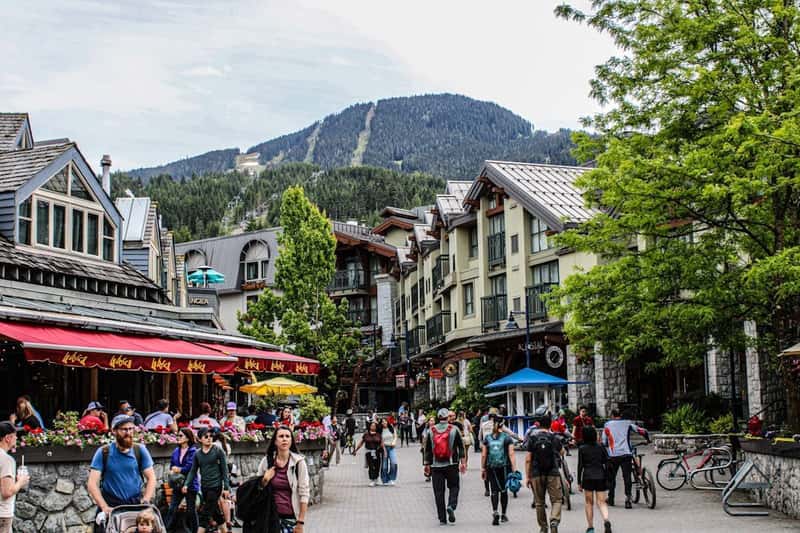
Whistler became a global name after the 2010 Olympics, but its popularity now strains the community. The resort town continues to attract massive crowds year-round, with winter bringing skiers and summer drawing mountain bikers and hikers.
Soaring housing prices have forced many local workers to live far outside the town. Traffic on the Sea-to-Sky Highway is frequently backed up, especially during weekends and holidays. By comparison, the Whistler Resort Area saw a 6.3 per cent increase in the average daily rate for a hotel in April, jumping from $295.35 to $314.04.
The community struggles to maintain its workforce as housing costs soar beyond the reach of hospitality and service workers, creating a paradox where the town needs these employees to function but cannot provide affordable places for them to live.
Jasper, Alberta: Recovery Challenges After Wildfire Devastation

The fire that began on July 22, 2024, quickly forced 5,000 town residents and 20,000 visitors to flee. It burned roughly 80,000 acres and caused an estimated $880 million CAD in damage to homes and businesses. A 2016 fire that ripped through Fort McMurray, Alta., destroyed about 2,400 homes, far more than the 358 structures lost in Jasper.
The community has also had a continued focus on wildfire mitigation, particularly after the 2024 Jasper wildfire devastated that mountain community. The town faces the unique challenge of rebuilding while managing the same tourism pressures that existed before the disaster. Between campsite closures and several hotels that were destroyed in the fire, less space for tourists will likely result in a 20 per cent decline in business revenue, the Jasper Chamber of Commerce recently told town council.
One of Alberta’s major tourism destinations, Jasper receives two million visitors per year and accounts for 25 per cent of tourism spending in the Canadian Rockies. Jasper Mayor Richard Ireland said this funding would be critical for the recovery of the community and would help let the world know that Jasper is still able to receive visitors even after the wildfire.
Blue Mountain Resort Area, Ontario: Ski Tourism Drives Property Speculation

In some places, like the area around Blue Mountain, Horseshoe Valley and other ski resorts in Ontario, this figure is expected to be more like 10 per cent. Though the price of the typical single-family detached home in Southern Georgian Bay (Collingwood/Meaford/Thornbury), Ontario, actually sank by 4.7 per cent from 2023 to 2024, Royal LePage predicts these real estate values to surge by 10 per cent, to a median of $938,300, this year.
Swackhammer says houses in the area saw a correction of as much as 30 per cent from the beginning of 2023 to 2024, but she believes it’s levelled out now. The dramatic price swings reflect the volatile nature of recreational property markets driven by urban buyers seeking weekend retreats.
The influx of Toronto-area residents purchasing second homes has fundamentally altered the character of these communities, creating seasonal ghost towns during weekdays while overwhelming local services during peak periods.
Muskoka Region, Ontario: Cottage Country Overwhelmed
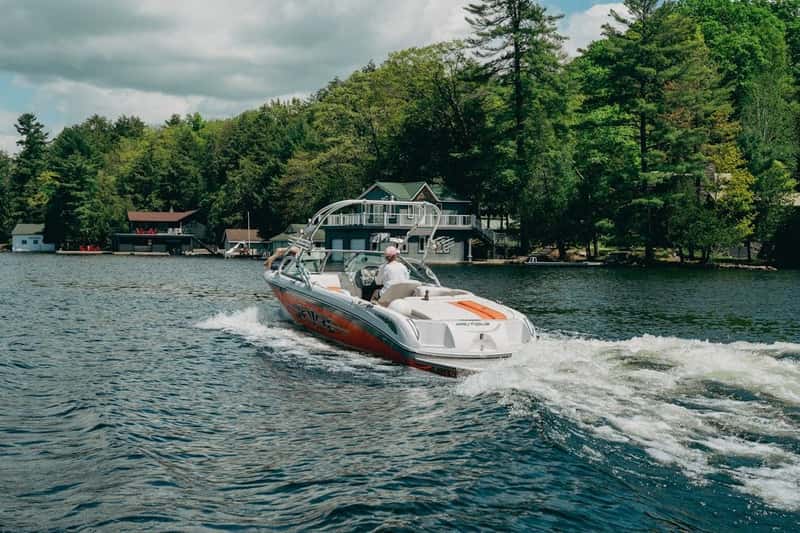
Traditional cottage country has transformed into a luxury destination where original families can no longer afford to maintain their generational properties. The region’s lakes and forests attract massive crowds during summer months, creating traffic nightmares on highways that were never designed for such volume.
Short-term rental platforms have converted many traditional cottages into commercial ventures, reducing the housing stock available to year-round residents and seasonal workers. Local businesses struggle to operate effectively when their workforce cannot afford to live within a reasonable commuting distance.
The pristine lakes that define Muskoka’s appeal face environmental pressures from increased boat traffic and shoreline development, threatening the very natural beauty that draws visitors to the region.
Conclusion: Balancing Tourism Benefits with Community Sustainability
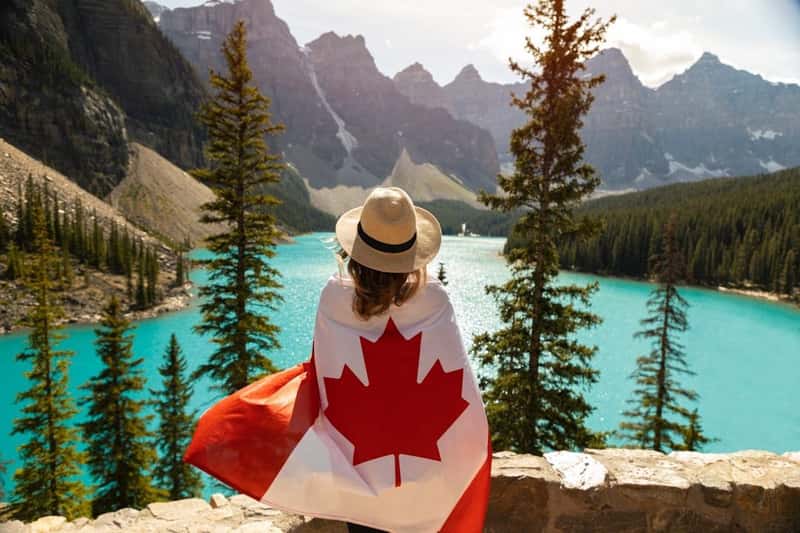
While tourism supports local economies, many towns are trying to balance visitor demand with protecting their community character. Data published in June from a YouGov survey commissioned by Flight Centre Canada showed that 71 per cent of Canadian travellers are concerned about the growing negative impact of overtourism on local communities, and 78 per cent said that many hotspots are too busy to enjoy.
These communities are implementing various strategies to manage visitor flow, from tourist taxes and reservation systems to infrastructure improvements and workforce housing initiatives. The challenge lies in maintaining the economic benefits of tourism while preserving the authentic character and livability that made these places attractive in the first place.
What would you have guessed about the scale of overtourism in Canada’s small communities?