Most cities grow the slow way, layer by layer, decade by decade, shaped by whoever happened to settle there first. A handful of places skipped that process entirely. Governments and developers picked a patch of jungle, steppe, desert or reclaimed seabed, drew up a master plan, and built an entire functioning city almost overnight by historical standards.
Some of these projects turned into thriving hubs. Others became cautionary tales of empty boulevards and half-filled apartment towers. Either way, they offer a rare look at what happens when urban planning starts with a completely blank page rather than centuries of accumulated history.
Naypyidaw, Myanmar
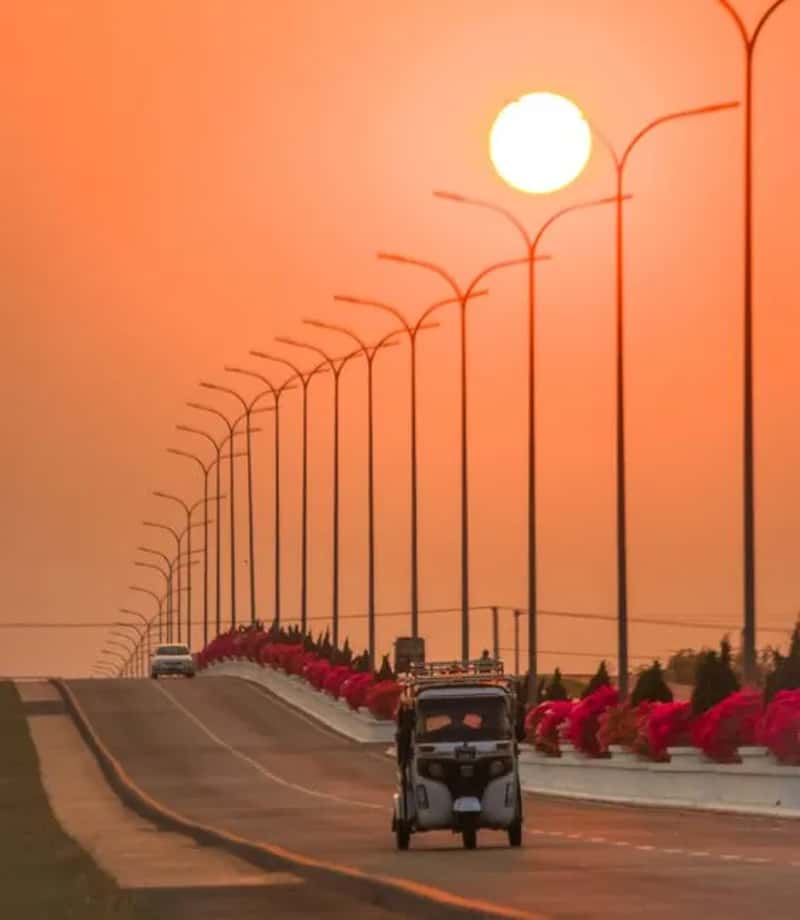
Construction of Naypyidaw began secretly around 2002-2003, in a sparsely populated area of Pyinmana Township in central Myanmar. The move from Yangon to Naypyidaw was announced on November 6, 2005, Armed Forces Day. Government workers were reportedly given just two days’ notice before being ordered to relocate. The scale of the project was staggering from the start, with entire districts of government buildings, hotels and highways rising out of scrubland that had barely seen development before.
Naypyidaw was designed on a massive scale, covering an area of approximately 7,000 square kilometres, making it significantly larger than most major cities in the world. Despite that footprint, the city never quite filled up the way planners hoped. Over time, the city has filled in somewhat, with its population estimated at 1 to 1.2 million, but it remains far less dense than a typical city of that size, with entire districts appearing underoccupied. Nearly two decades on, Naypyidaw still gets described more often as a monument to ambition than as a lived-in capital.
Putrajaya, Malaysia
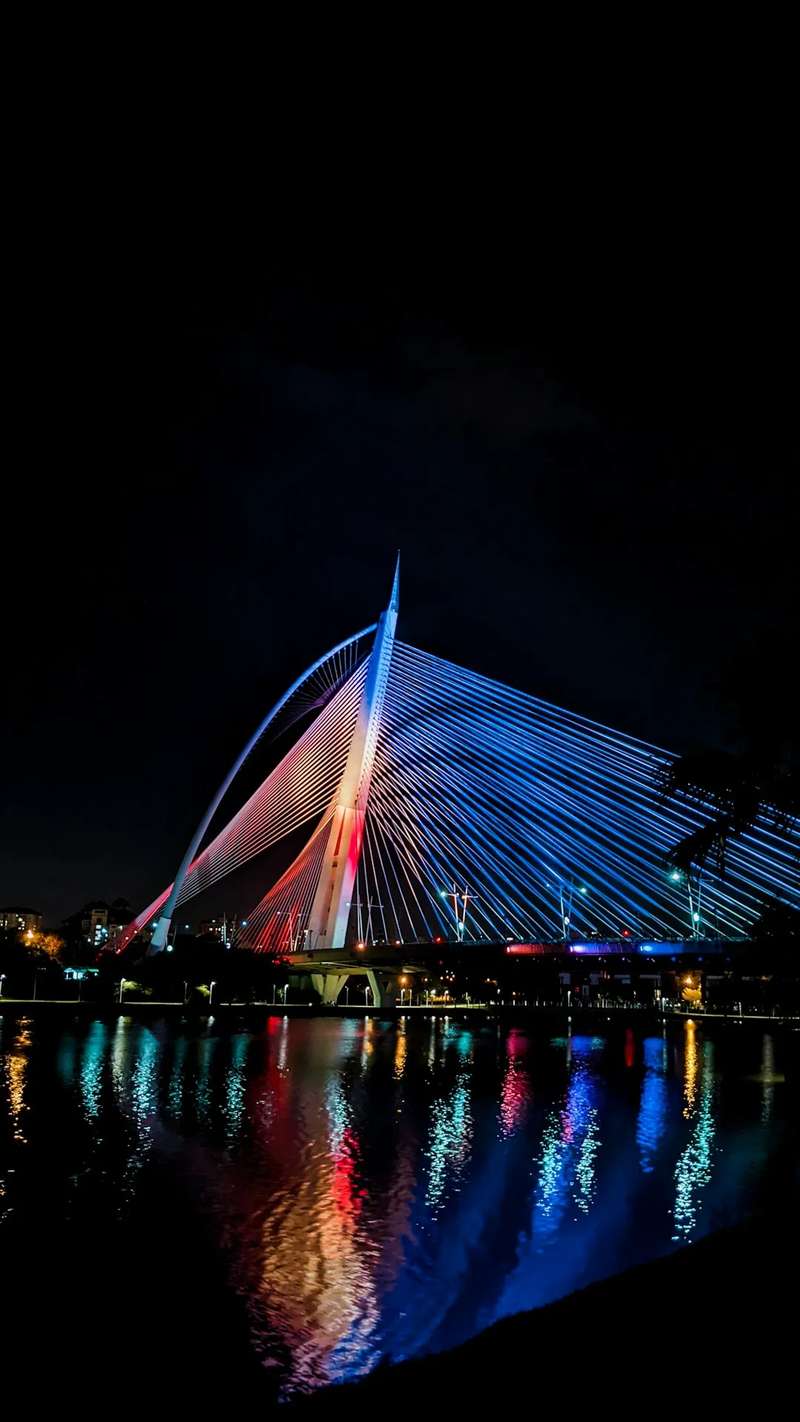
The development of Putrajaya began in August 1995 and was completed at an estimated cost of US$8.1 billion. Before construction, the site was an endless glade of palm oil plantations south of Kuala Lumpur known as the Prang Besar estate. On February 1, 2001, Putrajaya became Malaysia’s third federal territory, after Kuala Lumpur in 1974 and Labuan in 1984. Unlike some other purpose-built capitals, this one was designed and funded almost entirely by domestic firms rather than foreign contractors.
The entire city was designed and built by Malaysian companies, intended as a garden city and a smart city, with about 38 percent of the city given over to green spaces. Government ministries moved in gradually rather than all at once, easing the transition compared to more abrupt relocations elsewhere. Population, Q1 2024, Total, 119,700 shows a city that is modest in size but functions as intended, hosting Malaysia’s administrative core without the ghost-town reputation that haunts some of its peers.
Astana, Kazakhstan
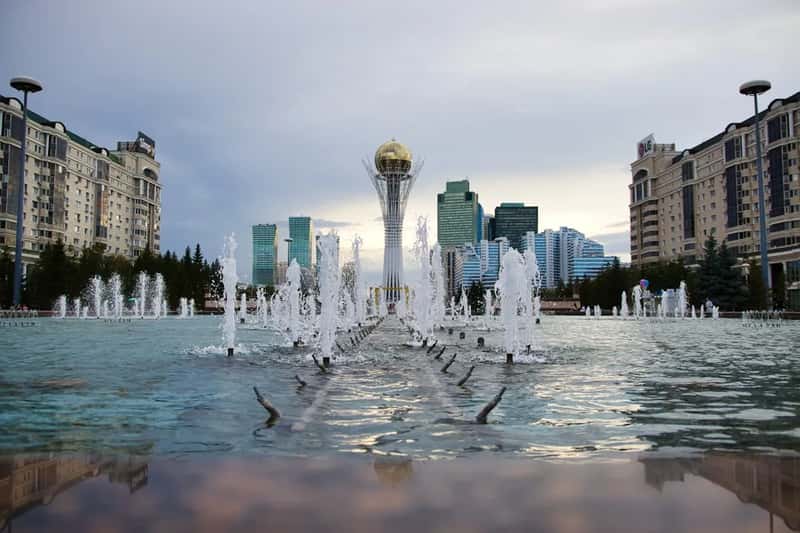
Astana became Kazakhstan’s capital on December 10, 1997, when the government relocated the seat of power from Almaty to the then modest city of Akmola. At the time, the city had a population of just under 327,000, and today it is home to more than 1.67 million residents, making it one of the fastest-growing capital cities in the world. The transformation was driven by oil wealth and a deliberate strategy to shift Kazakhstan’s center of gravity toward the northern, more Russian-populated regions of the country.
The left bank of the city, largely built from scratch after 1997, now contains government institutions, business centers and many of the capital’s most recognizable landmarks. Japanese architect Kisho Kurokawa laid out the master plan, giving the skyline its distinctly futuristic profile of glass towers and sweeping government buildings. The city has also changed names more than once over the years, a quirk that only adds to its reputation as one of the world’s more unusual capitals.
Songdo International Business District, South Korea
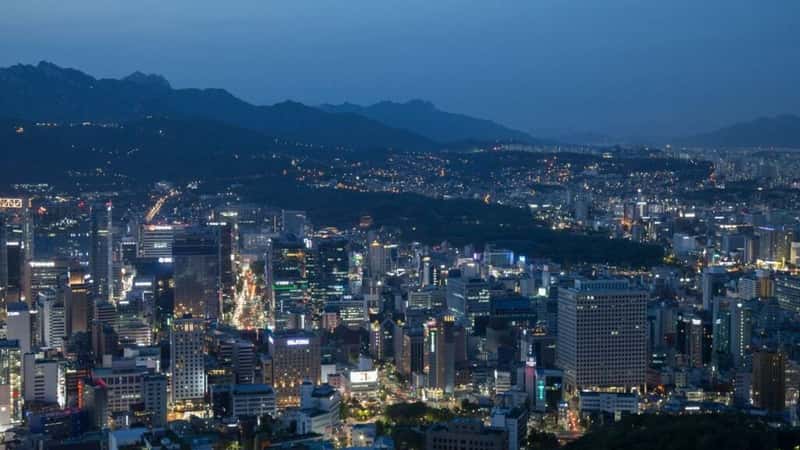
Songdo International Business District was developed on 1,500 acres of reclaimed land along Incheon’s waterfront, launched in 2001 as a joint venture between Gale International, POSCO E&C, and Incheon City, in a project that aimed to create a sustainable urban center with global business appeal. Spanning 53.4 square kilometers, the project can be likened to creating a city nearly the size of Manhattan from scratch. The site was originally tidal flats, meaning the land itself had to be created before a single building could go up.
Population growth has lagged well behind the original vision. Only a handful of companies have opened offices in Songdo, including the Green Climate Fund, IBM, George Mason University, and the State University of New York, and the city has a population of just about 100,000, which is a third of the expected population. More recent figures put the count closer to around 167,000, growing toward a forecasted 210,000 in the near future, with the city about 86 percent complete. Even critics who call it sterile tend to admit that Songdo remains one of the most technologically ambitious urban experiments of its kind.
Masdar City, United Arab Emirates
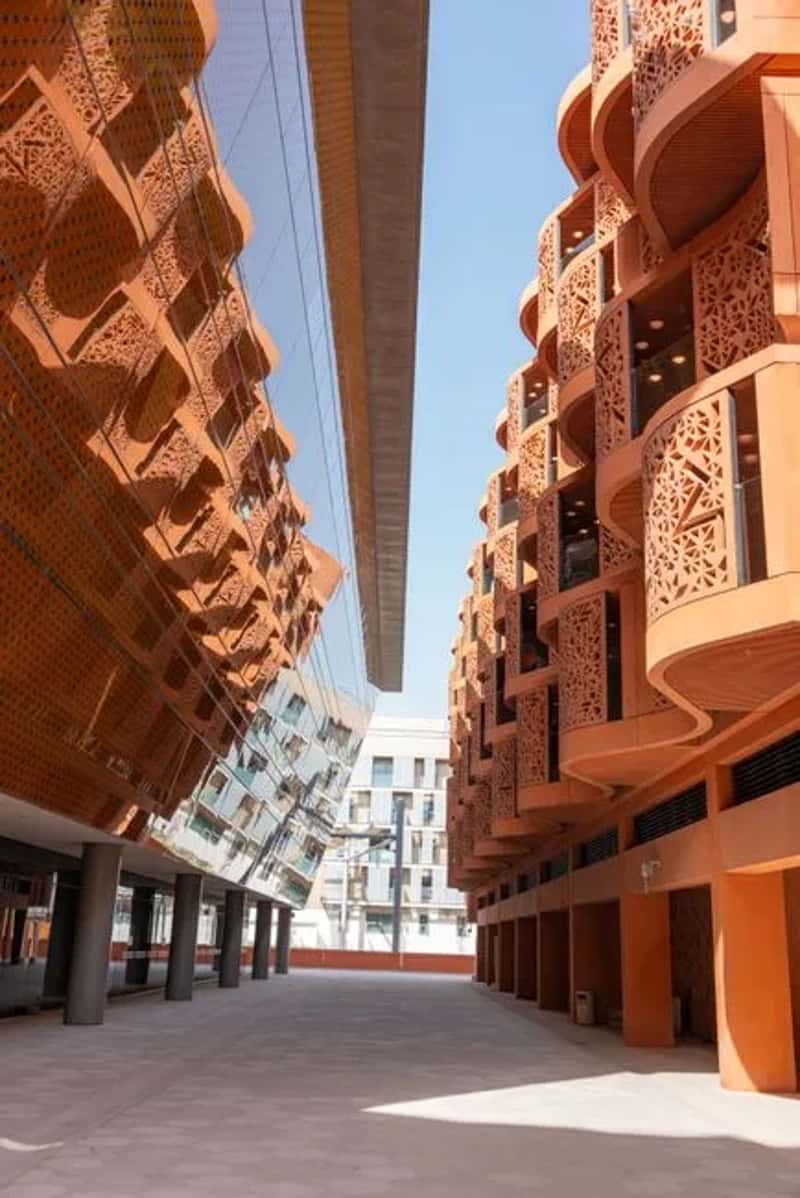
The Masdar initiative was launched in 2006 as a wholly owned subsidiary of Mubadala Development Company, which belongs to the Government of Abu Dhabi. The goal was audacious from the outset, a car-free, zero-carbon settlement running entirely on renewable energy in the middle of the desert. Masdar City is being built to obtain 100 percent of its energy from renewable sources, including photovoltaics, concentrating solar power, wind, and waste to energy.
Growth has been steady rather than explosive. More than 1,000 public and private-sector organisations are now based in the city, which covers 6 square kilometers and is also an economic free zone, and Masdar City today has more than 4,000 residents, though its ultimate future capacity is estimated at close to 50,000. The original 2016 completion target has slipped repeatedly, but the project has become something of a living laboratory for sustainable urban design rather than a finished product.
King Abdullah Economic City, Saudi Arabia
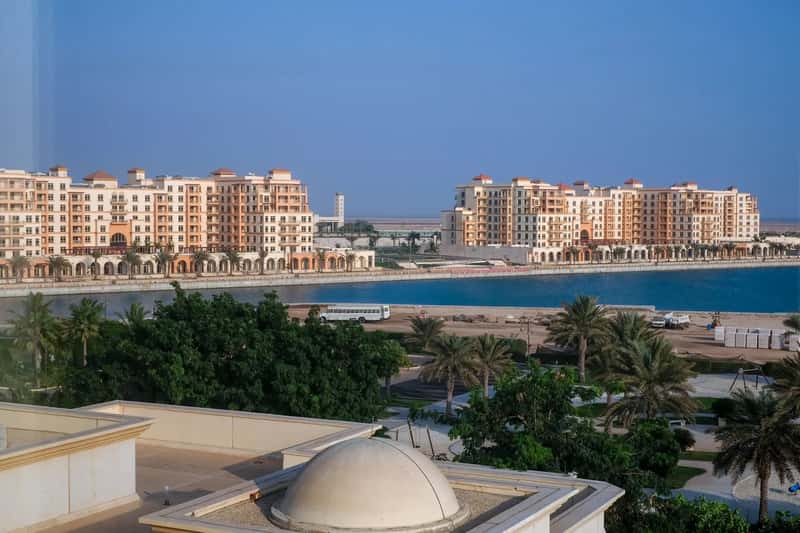
King Abdullah Economic City was announced as a megaproject in 2005 by King Abdullah bin Abdulaziz, located close to Thuwal, almost 100 kilometers north of Jeddah. It was one of six megaprojects announced that year and is the only one that was actually launched. The plan called for a self-contained economic zone built around a major seaport, industrial valley, and residential districts, all rising from open coastal land.
Progress has been slower than the original blueprints suggested. By 2018, the Financial Times noted the city had not attracted investment or become a hub for logistics and manufacturing as planned, and its population stood at just 7,000. With a total development area of 173 square kilometers, the city still has enormous room to grow, and Saudi Arabia’s broader Vision 2030 push has kept fresh investment flowing into the site in recent years.
Nusantara, Indonesia
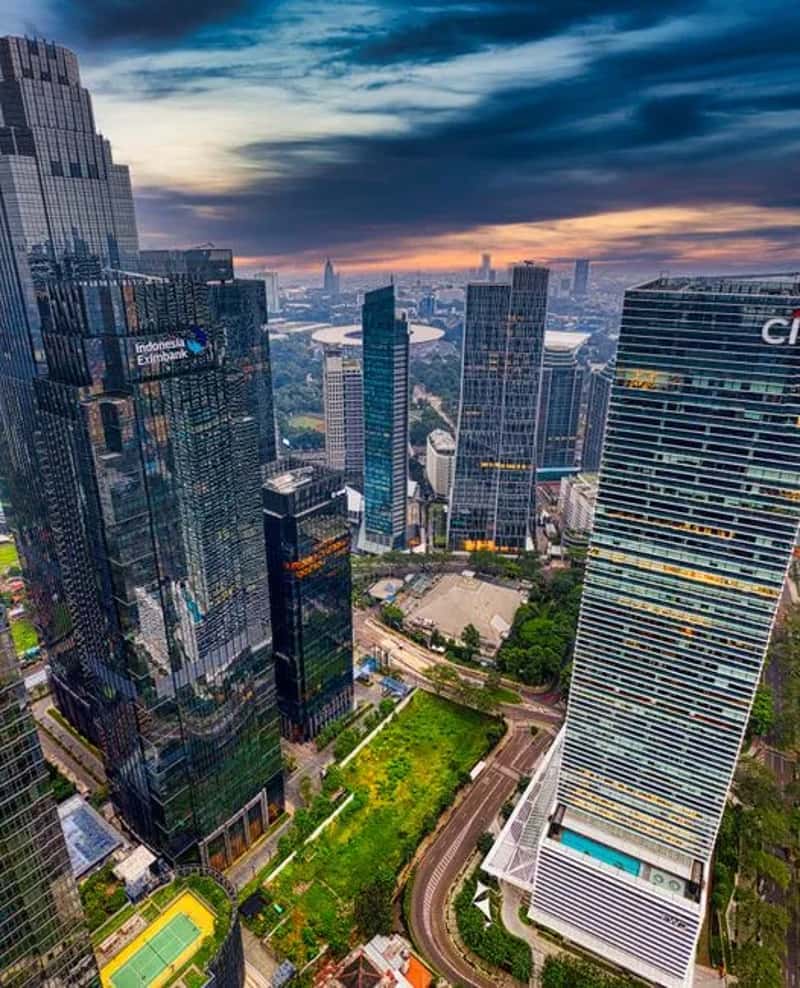
Indonesia’s new capital, Nusantara, is the youngest entry on this list and the one still most visibly under construction. Carved out of forested land in East Kalimantan on the island of Borneo, the project was formally launched after lawmakers passed legislation in 2022, with the stated goal of easing pressure on an overcrowded and rapidly sinking Jakarta. Construction crews have spent the years since laying roads, government buildings and a presidential palace on a site that had almost no urban infrastructure beforehand.
The government held a symbolic Independence Day ceremony at the new site in August 2024, a milestone meant to signal that the move was truly underway rather than just a plan on paper. Relocation of ministries and civil servants has continued in phases since then, though officials have repeatedly pushed back full completion timelines, a pattern common to nearly every city on this list. Whether Nusantara eventually reaches its long-term population targets or joins the ranks of underfilled planned capitals remains one of the more closely watched urban experiments of the decade.
What ties these seven places together is not success or failure but sheer intent. Each one represents a government or developer deciding that the messy, organic growth of ordinary cities simply would not do, and that something better could be engineered from the ground up. Some of these projects have found their footing, filling in with residents, businesses and daily life much as planners hoped. Others still feel like architectural statements waiting for a population to catch up with them. Either outcome says something about how differently nations imagine progress when they get to start with an empty map.