The global landscape of women’s rights presents a striking contrast between nations that champion feminism and those that restrict basic educational access for women. Recent studies from leading organizations reveal both remarkable progress in feminist leadership and devastating educational bans that affect millions.
Sweden: The Global Feminist Trailblazer
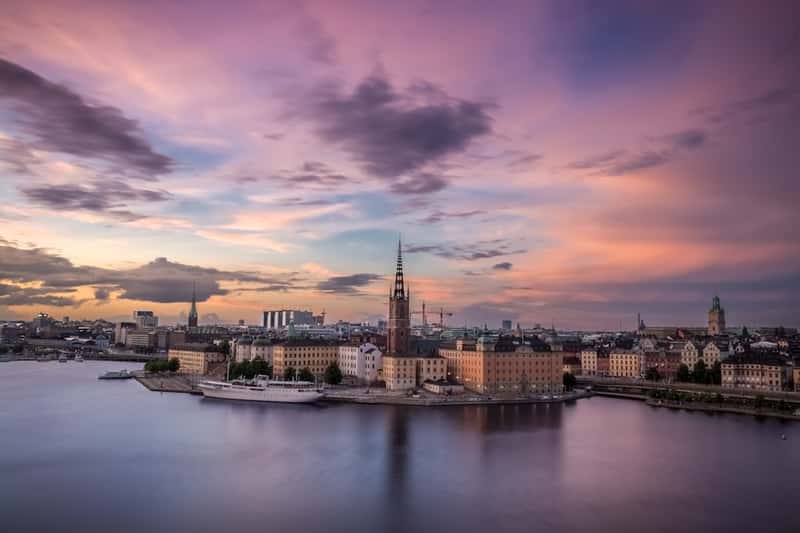
Sweden leads the world in feminist policies, with a high percentage of women identifying as feminists, establishing itself as the gold standard for gender parity. The country adopted an official feminist foreign policy in 2014, setting a global precedent that maintains its position as a leader in gender equality. Sweden joins thirteen other countries where women have achieved equal legal standing with men across areas including pay, parenthood, and assets, according to a 2023 World Bank analysis.
Denmark: Best Country For Women Globally
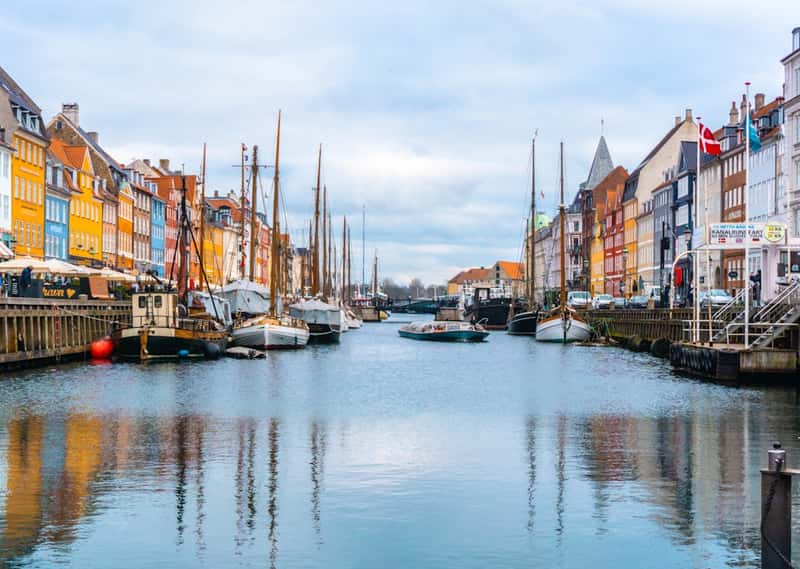
Denmark consistently ranks among the best countries to be a woman according to the Women, Peace and Security Index, retaining its top spot since the 2023 rankings. Support for equal rights reaches ninety-six percent among Danish respondents, demonstrating widespread societal commitment to feminist principles. The biennial index ranks 181 countries across 13 indicators measuring women’s status from legislative representation to maternal mortality rates.
Norway and Finland: Nordic Champions of Gender Equality
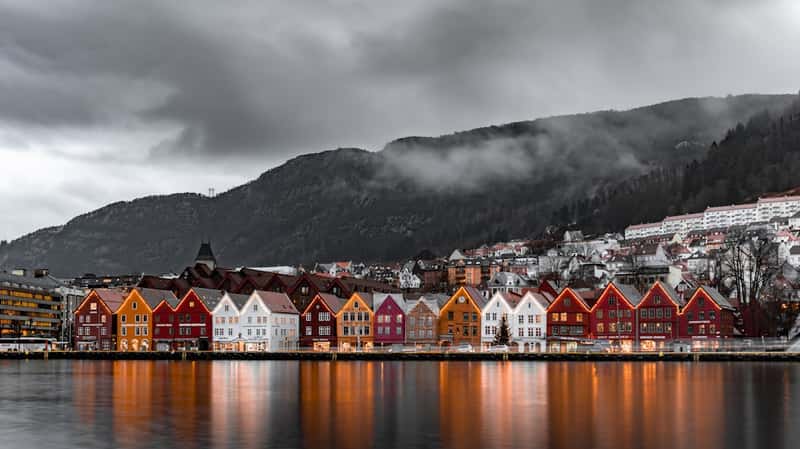
Norway achieves ninety-seven percent support for women’s equal rights among survey respondents, showcasing an exceptional commitment to feminist ideals. Finland made history as the first country to allow women to run for office in 1906, and since 2019, women have held forty-five percent or more seats in the Finnish Parliament. Finnish support for women’s rights reaches ninety-eight percent, the highest globally among surveyed nations.
Netherlands and France: European Feminist Leaders

The Netherlands joined the exclusive list of countries providing women equal legal standing with men in 2023, demonstrating significant progress in feminist legislation. France ranks directly behind Sweden with thirty percent of women self-identifying as feminist. French women benefit from comprehensive social safety nets similar to Sweden’s, creating a standard of living that supports gender parity.
New Zealand: Pioneer in Women’s Political Rights

New Zealand distinguished itself as the first self-governing nation to grant women the right to vote and continues championing gender parity in politics. The country requires businesses with over 250 employees to report gender pay gaps, actively promoting workplace equity. This comprehensive approach demonstrates how feminist policies can extend beyond symbolic gestures to create measurable change.
Afghanistan: A Global Education Crisis
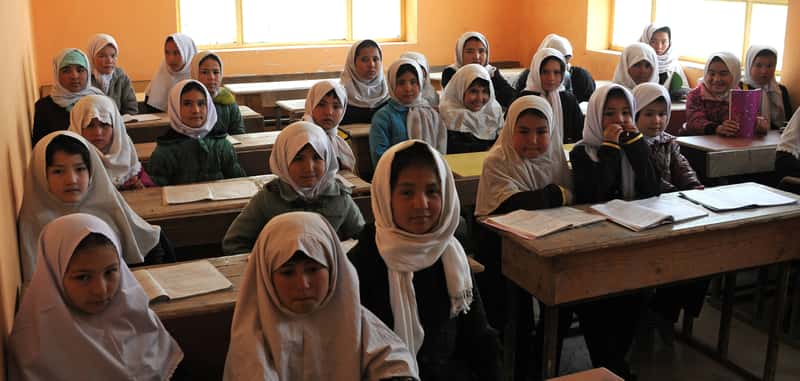
Afghanistan stands out tragically as the only country in the world where secondary and higher education is strictly forbidden to girls and women. Nearly 2.2 million girls are now barred from attending school beyond the primary level. Since December 2022, women have been banned from universities, denying access to higher education to more than 100,000 young women. The Taliban recently closed one of the last remaining loopholes by forbidding women from attending institutions offering medical education. According to UN Women’s 2024 report, seventy-eight percent of young Afghan women are not in education, employment, or training – nearly four times the rate for Afghan men.
Yemen: Systematic Restrictions on Women’s Movement and Education
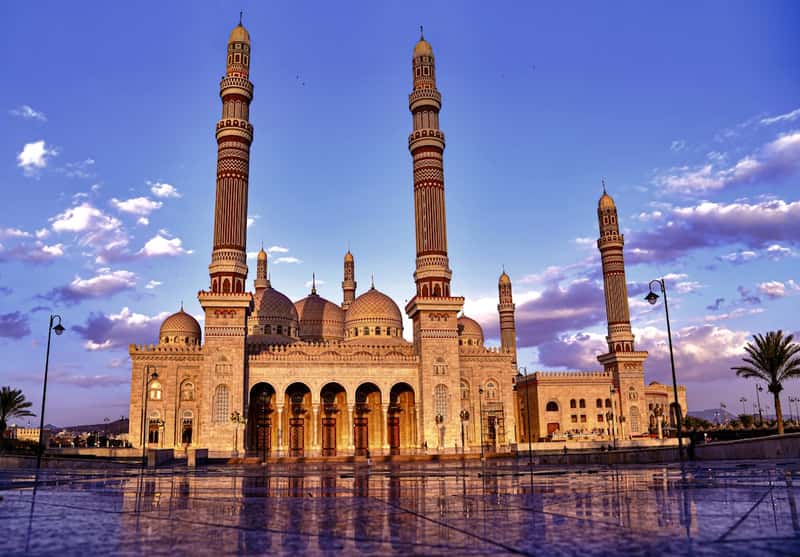
Yemen’s warring parties increasingly restrict women’s freedom of movement, effectively cutting women and girls off from receiving humanitarian aid and severely limiting their access to education. Women’s opportunities to pursue higher education remain extremely limited, with very few options available and restrictions requiring male relatives to accompany them. Since coming to power, the Houthi movement has adopted reactionary policies mirroring developments in Afghanistan, having deleterious effects on both quantity and quality of education. Due to violence, poverty, and lack of social services over the past decade, approximately 1.5 million girls are not in school.
The stark contrast between nations embracing feminist principles and those denying basic educational rights reveals the urgent need for global action. While countries like Sweden and Denmark demonstrate how feminist policies enhance society, Afghanistan and Yemen show the devastating consequences when women’s fundamental rights disappear. What future do we envision for the next generation of women worldwide?