Overtourism stopped being a buzzword sometime around 2023 and turned into a full-blown policy problem. Cities that once chased every visitor dollar are now rationing access, raising fees, and rewriting the fine print on who gets to come and for how long. It is not one big global crackdown so much as a patchwork of quiet, deliberate moves, higher visa costs here, stricter enforcement there, that together signal a real shift in how governments think about tourism.
What ties these seven destinations together is a shared realization that unlimited visitor growth carries a cost that locals are no longer willing to absorb quietly. For decades, international tourism had one clear measure of success: more visitors, more hotel bookings, more restaurant revenue, more jobs. That single-minded logic is now being dismantled across some of the world’s most beloved destinations, as governments recognize that unlimited visitor growth creates irreversible damage to the very attributes that attract tourists in the first place.[1] Here is a closer look at seven countries making that shift real through their visa and entry policies.
1. Japan
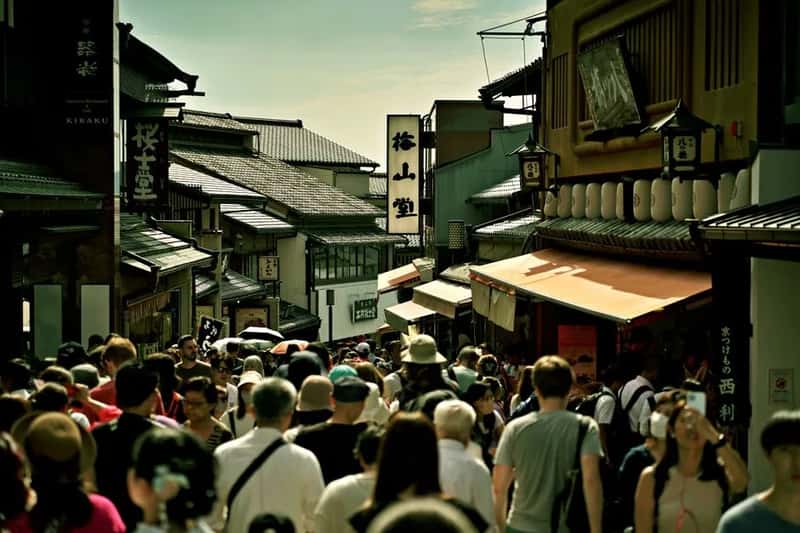
Japan is the clearest example of a country whose tourism success became its own headache. Japan recorded a record 42.68 million international visitors in 2025, a 15.8 percent year-on-year increase, yet is now actively redirecting tourists away from its most crowded cities.[1] The government’s response has been financial as much as logistical. Japan plans to raise visa fees for foreign visitors by up to five times starting April 2026, with single-entry visa fees increasing from 3,000 yen to around 15,000 yen and multiple-entry fees rising from 6,000 yen to about 30,000 yen.[2]
The tightening does not stop at visa costs. Japan tripled its International Tourist Tax, also known as the departure tax, raising it from 1,000 yen to 3,000 yen for all travelers departing the country, regardless of nationality.[3] On top of that, from November 1, 2026, tourists will no longer receive immediate in-store tax exemptions[4], and Tokyo has also introduced an eVisa system alongside plans for a future electronic travel authorization, though officials are careful to note that JESTA passed into law on May 29, 2026, but launches no later than March 2029, meaning it is not required for 2026 or 2027 travel[5]. Together, these changes suggest a country trying to slow the pace of arrivals without shutting the door entirely.
2. Indonesia (Bali)

Bali’s overtourism problem has been building for years, and 2026 has brought a noticeably harder edge to enforcement. Immigration authorities have moved well beyond simple visa checks. Bali has ramped up its immigration efforts, targeting areas popular with tourists, particularly the village of Sayan just outside Ubud, where the newly formed Dharma Dewata Tourism Task Force has already led to significant changes focused on addressing visa overstays and preventing criminal activities among tourists.[6]
The crackdown has also targeted a newer problem: tourists working illegally under the guise of leisure travel. The Dharma Dewata Task Force, launched in April 2026, has been executing high-visibility operations in Canggu, Seminyak, Uluwatu, and other popular hubs, and in the first three weeks of May alone, 62 foreign nationals were detained for visa violations.[7] Authorities have been explicit that any activity generating economic or promotional value for local businesses, including free hotel stays in exchange for social media content and sponsored posts, is considered illegal on tourist visas[7]. Add to this a mandatory entry levy, and Bali looks less like the loosely regulated backpacker paradise of a decade ago and more like a destination actively managing who comes and how they behave once they arrive.
3. Bhutan

Bhutan has never pretended to want mass tourism, and its visa system reflects that philosophy more openly than almost anywhere else. Every international visitor must pay a steep daily charge simply to be in the country. Back in June 2022, Bhutan replaced its previous Minimum Daily Tariff with the Sustainable Development Fee, a per-person, per-night charge that all tourists except Indian nationals must pay, initially set at 200 US dollars before being reduced in 2023 to 100 dollars for adults.[8] That reduced rate is not permanent relief either, since this reduced rate is in effect until 31 August 2027[8], after which costs could climb again.
Bhutan has also layered new taxation on top of the existing fee structure rather than easing the financial barrier to entry. Bhutan now applies a 5 percent Goods and Services Tax on all tourism services, including hotels, guides, transport, and meals, though the 100 dollar per night Sustainable Development Fee and 40 dollar visa fee are not affected by this addition.[8] Every tourist must also work through a Tourism Council of Bhutan-licensed operator before a visa can be issued[9], which effectively rules out the kind of spontaneous, independent backpacking that drives visitor numbers elsewhere. It is a deliberate, unapologetic version of visa tightening built around the country’s long-standing “high value, low volume” tourism model.
4. Netherlands
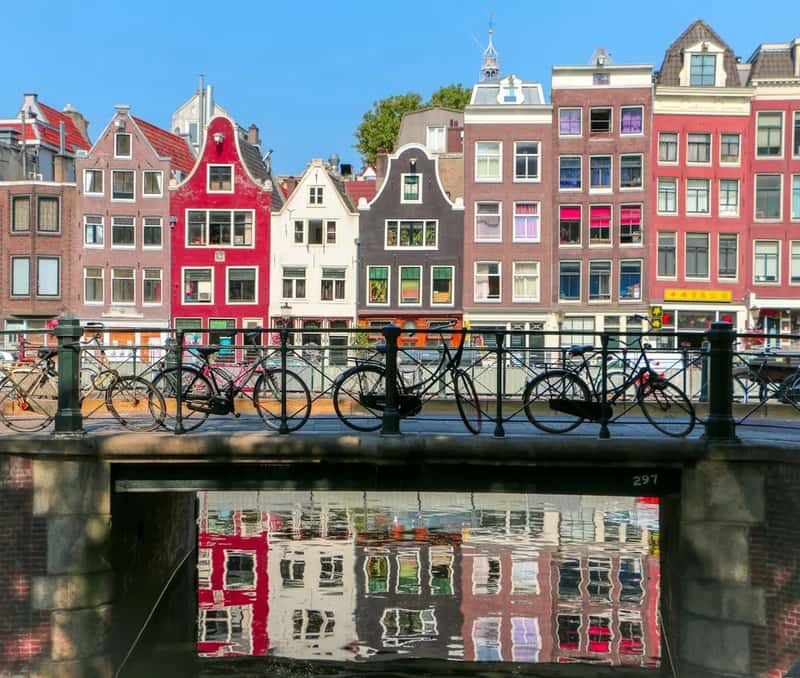
Amsterdam has spent years trying to manage its reputation as a party destination, and 2026 brings one of its most concrete restrictions yet on short-term stays. Amsterdam’s official housing pages state that from 1 April 2026, in some central neighborhoods and the Oude Pijp area, homes may only be rented to tourists for up to 15 nights per year instead of 30.[10] For visitors used to booking casual short-let apartments in the city center, that change closes off a significant chunk of previously available accommodation.
The logic behind the move is straightforward: housing pressure in Amsterdam has become politically impossible to ignore. For travelers, that means fewer casual short-let options in the areas that were already feeling squeezed hardest.[10] While this is not a visa restriction in the traditional sense, it functions as one in practice, narrowing where and how tourists can actually stay, which for budget travelers can be just as limiting as a stricter entry requirement.
5. Croatia
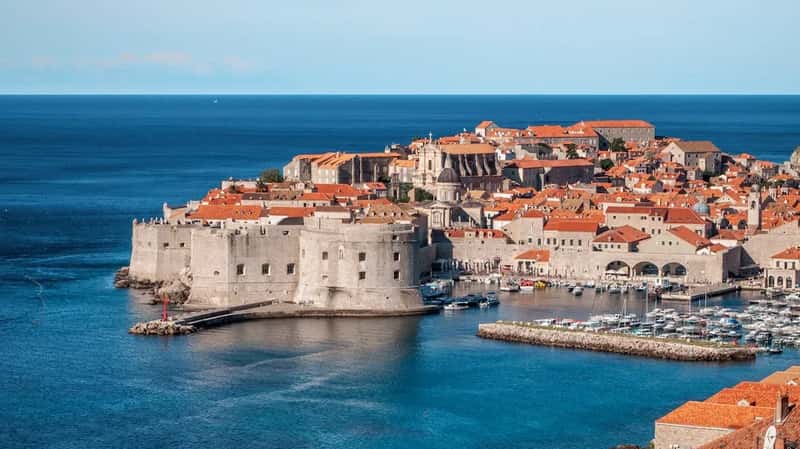
Croatia’s coastline has become a flashpoint in the broader European housing-versus-tourism debate, and Dubrovnik in particular has been at the center of it for years. Croatia approved draft laws to clamp down on short-term tourist rentals, raise taxes on rental properties, and shield long-term residential housing, while Dubrovnik had already moved to restrict new private rental permits in its historic Old Town.[10] The city’s long-running effort to balance visitor flows with everyday resident life has clearly hardened into firmer policy.
What makes Croatia’s approach notable for 2026 is the enforcement backbone behind it. Croatia’s tourism ministry has pointed to the EU’s short-term rental data regulation applying from May 2026, which should make it easier for authorities to identify unregistered listings and enforce local rules instead of relying only on sporadic inspections.[10] That regulatory muscle matters because it turns Croatia’s rules from paper policy into something that can actually be tracked and penalized, a shift that many destinations have struggled to achieve until now.
6. France
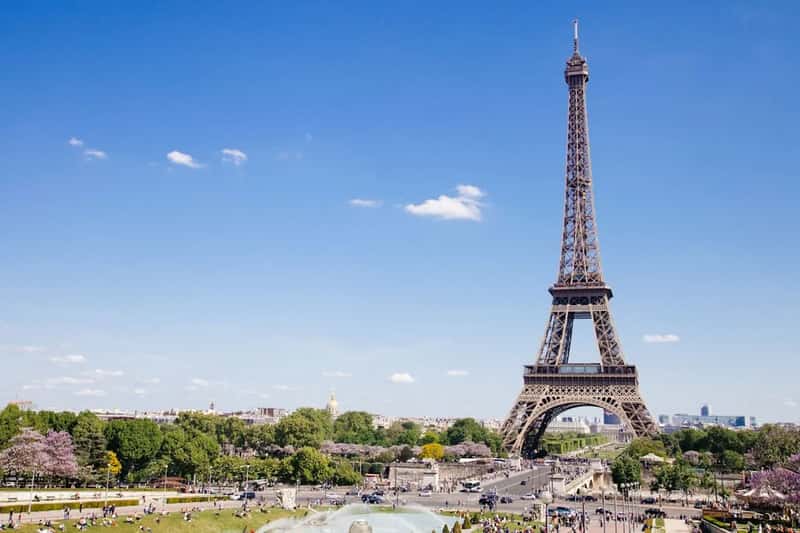
France has taken a broad, multi-pronged approach that touches both taxation and the short-term rental market feeding much of its tourist accommodation. Municipalities across France now enforce the taxe de séjour with elevated 2026 bands for Paris and heritage zones, with funds earmarked for infrastructure and conservation.[11] That is a direct cost increase for anyone booking a hotel or short-term rental in the country’s most visited areas.
On the rental side, France has moved to close loopholes that allowed speculative, tourist-only properties to proliferate in high-demand neighborhoods. Short-term rental controls have been tightened so that hosts must register accommodations through a national portal and demonstrate primary residence status, reducing speculative listings in high-demand districts, while new administrative rules reinforce classification of tourism communes and impose stricter licensing for commercial tourism operators.[11] The combined effect pushes casual, high-volume tourism toward a more regulated, more expensive model, mirroring what much of Western Europe has been doing simultaneously.
7. Thailand
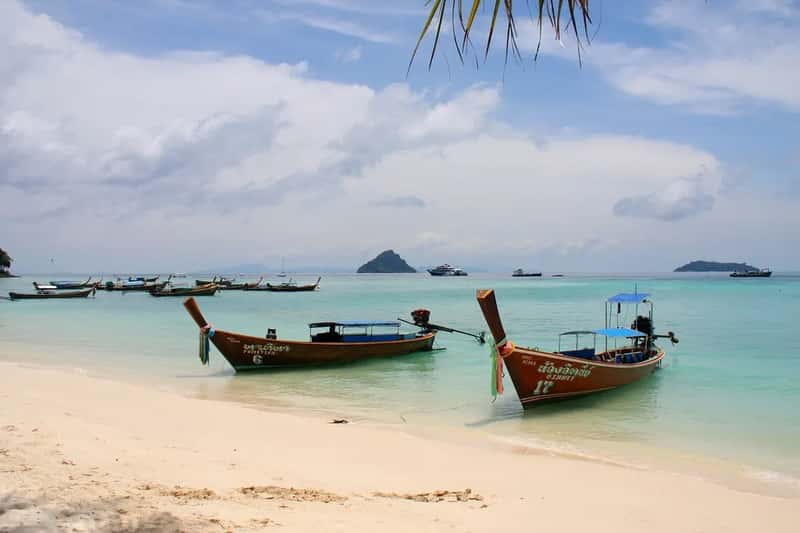
Thailand’s tightening has focused heavily on environmental protection paired with a crackdown on visa misuse, particularly among digital nomads and influencers operating under tourist status. Thailand continues expanding environmental tourism protections following years of ecosystem damage caused by mass tourism, with Maya Bay remaining one of the country’s strongest examples of overtourism intervention after authorities previously closed the area for ecological restoration, and the country now operating strict visitor controls, boat restrictions, and marine conservation policies in sensitive coastal destinations.[12] These are not abstract rules; they directly shape where and how tourists can move through the country’s most photographed coastal spots.
Beyond the environmental angle, Thailand has joined its regional neighbors in cracking down on tourists who blur the line between vacation and unauthorized work. Governments in Indonesia, Thailand, and Malaysia have been enforcing aggressive strategies designed to protect local economies, ensure fair employment, and safeguard environmental sustainability[7] against the growing number of digital nomads and content creators operating on standard tourist visas. For travelers, that means immigration officials are paying closer attention to declared purpose of visit, and the days of a loosely enforced tourist visa doubling as an informal work permit appear to be ending.
None of these seven countries has slammed the door on tourism outright, and that is an important distinction. What they share instead is a growing willingness to make mass, low-effort travel a little harder and a little more expensive, while nudging visitors toward staying longer, spending more thoughtfully, or simply choosing quieter alternatives. Whether this quiet tightening actually solves the housing and infrastructure strain driving it remains an open question, but the direction of travel, so to speak, seems unlikely to reverse anytime soon.