A colorless and odorless gas released by certain fruits can cause nearby vegetables to wilt, turn bitter or spoil faster than expected. This natural process explains why a bag of apples might be the hidden reason lettuce loses its crispness or carrots develop an off taste. The original source for much of this guidance comes from university extensions and food safety agencies that track how produce interacts during storage. ([1])
The Chemistry Behind Faster Spoilage
Ethylene acts as a ripening hormone for many fruits and some vegetables. Once released, it accelerates softening, yellowing and flavor changes in sensitive items even when everything sits in the refrigerator. Tree fruits such as apples and pears rank among the strongest producers, while ripe bananas join the list once they reach full maturity. The effect builds gradually, so problems often appear only after several days of close contact.
Leafy greens, carrots, cucumbers and many types of squash rank high on the sensitive side. Exposure can bring yellowing, loss of crunch and sometimes bitterness that makes the produce less appealing. University researchers have documented these reactions across multiple crops, confirming that separation offers a straightforward way to extend freshness without extra equipment.
Produce Pairs That Benefit From Distance
Apples and pears should stay apart from lettuce, spinach and broccoli because the gas they emit speeds wilting and spotting. Pumpkins and winter squash also suffer when stored near ripening fruit, often turning yellow and losing storage life more quickly. Bananas in their ripe stage can affect carrots and parsnips, leading to the same bitter notes noted in extension service reports.
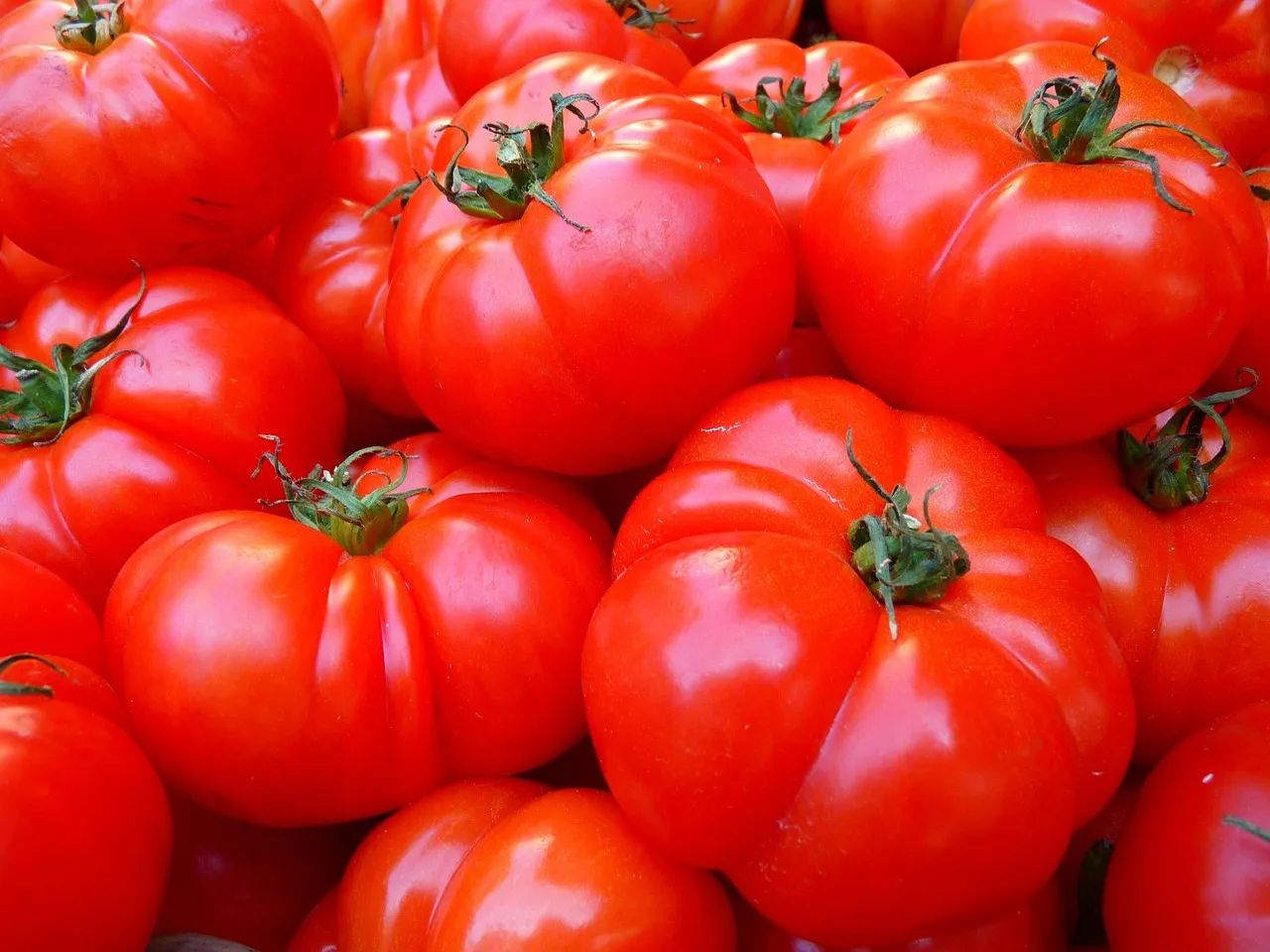
Cucumbers react poorly to tomatoes, melons and other ethylene sources, which is why many storage guides recommend keeping them in separate areas. The pattern holds across several common kitchen items: producers and sensitive crops simply perform better when given their own space rather than sharing a drawer or bowl.
Potatoes, Onions and the Separate Food-Safety Rule
Potatoes need extra care because ethylene from apples, bananas or tomatoes can trigger early sprouting. Onions and garlic add another concern through strong odors that can transfer flavors to nearby potatoes, even if spoilage speed itself stays unchanged. A cool, dark spot works best for both potatoes and whole onions when possible.
Raw meat, poultry and seafood follow an entirely different rule based on bacteria rather than gas. These items must remain sealed in containers or bags so juices cannot drip onto ready-to-eat foods. Separate cutting boards and plates further reduce cross-contamination risks during preparation.
Simple Steps That Keep Everything Fresher Longer
Designating two refrigerator drawers – one for ethylene producers and one for sensitive produce – provides an immediate improvement. Paper bags folded at the top help contain the gas while still allowing some airflow. Checking which items truly need refrigeration also helps; some fruits and vegetables last longer on the counter away from any producers.
Berries do best in their own dry container rather than mixed with other items. The same principle applies to herbs and delicate greens that lose quality quickly when exposed to ripening fruit. These small adjustments add up to noticeably longer storage times for the produce most households buy regularly.
Quick reference groups
- Strong ethylene producers: apples, pears, ripe bananas, avocados, tomatoes, cantaloupe
- Ethylene-sensitive items: leafy greens, carrots, cucumbers, broccoli, squash, asparagus
- Additional separations: potatoes from onions and apples; raw meat sealed from everything else
Grouping produce by these categories turns a common source of waste into a manageable habit. The result is fresher ingredients that last through the week with minimal extra effort.