Ask a seasoned travel agent or a former tour guide what destinations they’d genuinely avoid, and you’ll often get a different answer than what shows up in glossy brochures. Publicly, many in the travel industry stay diplomatic, since bad press about a country can feel unfair to the millions of ordinary people who live there. Privately, though, most professionals who track global safety data will tell close friends and family to skip a short list of countries where the risks simply outweigh the reward, no matter how stunning the scenery or how rich the history.
These aren’t random opinions. They’re grounded in official government travel advisories, documented crime statistics, and reports from security analysts who monitor these regions daily. The seven countries below all currently sit at the highest risk tier issued by the U.S. State Department, and similar warnings are echoed by the UK, Canada, and Australia. Here’s why experts quietly steer their loved ones away from each one.
1. Afghanistan
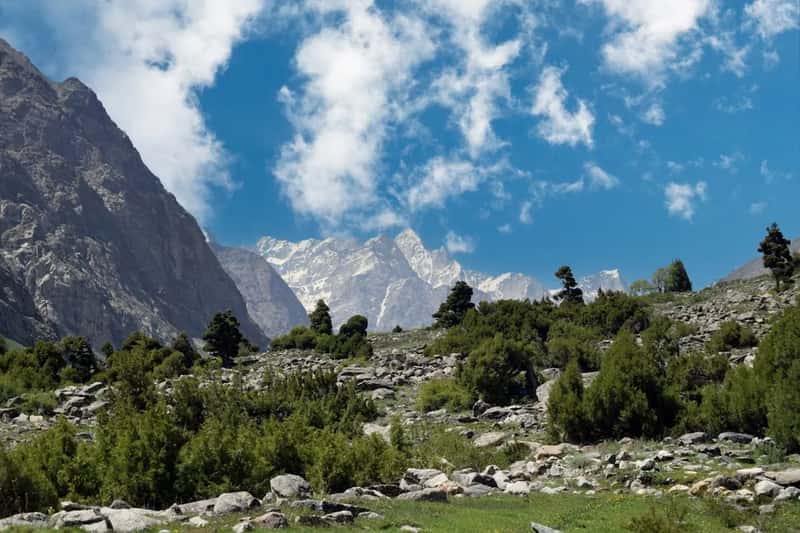
Afghanistan remains one of the most frequently cited destinations on every “extreme risk” list compiled by security firms and government agencies alike. The State Department considers it a “do-not-travel” zone as of 2026, and its mountainous, arid terrain sits between Iran and Pakistan.[1] Decades of upheaval have left the country almost unrecognizable to outside visitors. Decades of coups, civil wars, and invasions have made the country difficult for travelers to get to know, except through the news.[1]
What makes Afghanistan particularly unsettling for travel professionals is the kidnapping risk. The threat of kidnapping is serious enough that the State Department’s advisory suggests travelers leave DNA samples behind before departing.[1] Analysts also note that despite a change in governance in recent years, the country’s risk profile hasn’t meaningfully improved. Despite a shift in governance over the last few years, Afghanistan remains at the top of every “extreme risk” list.[2] Travel experts who’ve worked in the region for decades will admit, off the record, that no landmark is worth the exposure this country still carries.
2. Haiti

Haiti’s decline over the past few years has been swift and brutal, and anyone who follows Caribbean travel closely knows it. Haiti’s security situation in 2026 represents one of the most severe crisis environments in the Americas, with armed gangs expanding control beyond Port-au-Prince and effectively governing large portions of the capital through violence, extortion, and territorial warfare.[3] The numbers are staggering for a country that once drew cruise passengers and mission travelers alike. Armed gangs now control approximately 90 percent of Port-au-Prince, an expansion from an estimated 80 percent in late 2025, over 1.4 million people have been displaced by violence, and more than 8,100 people were killed between January and November 2025 alone.[3]
Kidnapping for ransom has become a defining feature of daily life there rather than an occasional risk. Kidnapping is widespread, and U.S. citizen victims of kidnapping have been hurt or killed, with kidnappers often demanding ransoms typically in the tens of thousands to hundreds of thousands of dollars.[4] Even neighborhood self-defense groups have turned dangerous for outsiders. Armed vigilante groups have attacked and killed people, including U.S. citizens.[5] Travel insiders who once loved Haiti’s culture and music scene now quietly tell friends to wait, possibly for years, before considering a visit.
3. Yemen
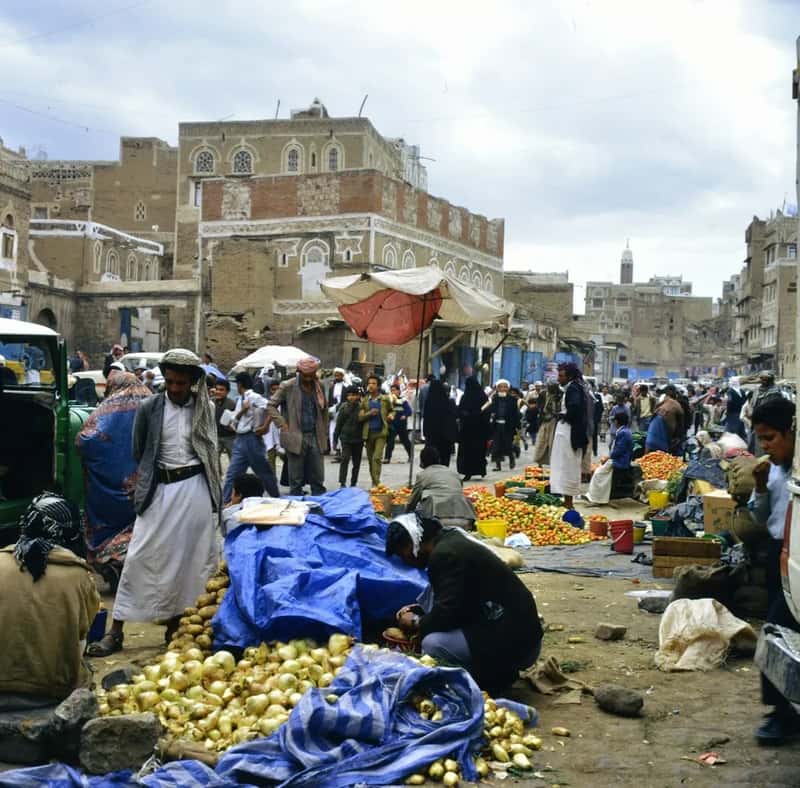
Yemen’s civil war has ground on for so long that most travelers have forgotten the country was once known for its ancient walled cities and dramatic highlands. Years of armed conflict have devastated infrastructure, including hospitals, roads, and airports, while airstrikes, armed clashes, and unexploded ordnance pose constant threats.[6] The maritime routes nearby haven’t been spared either. Maritime insecurity near Red Sea routes adds another layer of volatility.[6]
For travelers who might consider Yemen for its historical sites, experts point to the collapse of basic support systems as the real dealbreaker. Kidnapping has historically targeted foreigners, and diplomatic missions operate on a limited basis, while humanitarian conditions including widespread food insecurity and disease outbreaks compound the risk profile.[6] Security analysts consistently rank it near the bottom of global safety indices. Yemen scores among the lowest on consolidated safety scores, with an advisory consensus across roughly ten governments warning against travel.[7] There’s a reason even adventure travel guides that push boundaries elsewhere draw the line here.
4. North Korea

North Korea is unique on this list because the danger isn’t just about crime or conflict, it’s about the total absence of normal legal protection for visitors. Americans cannot travel to North Korea on a regular U.S. passport, and a special validation is required, granted only for journalists, Red Cross missions, and compelling humanitarian or national-interest travel.[8] This makes it one of the only places where the restriction goes beyond an advisory and becomes an actual legal barrier. North Korea is the exception where the U.S. has restricted passport use itself.[8]
The consequences for ignoring these rules are severe and not theoretical. Traveling without the special validation risks passport revocation or felony prosecution.[8] Travel experts who’ve studied North Korea’s tightly controlled tourism industry often note that even sanctioned group tours offer visitors almost no independence, and past cases of detained foreign tourists have ended in tragedy. It’s the kind of destination that fascinates from a distance but that most professionals would never recommend a friend actually set foot in.
5. Mali
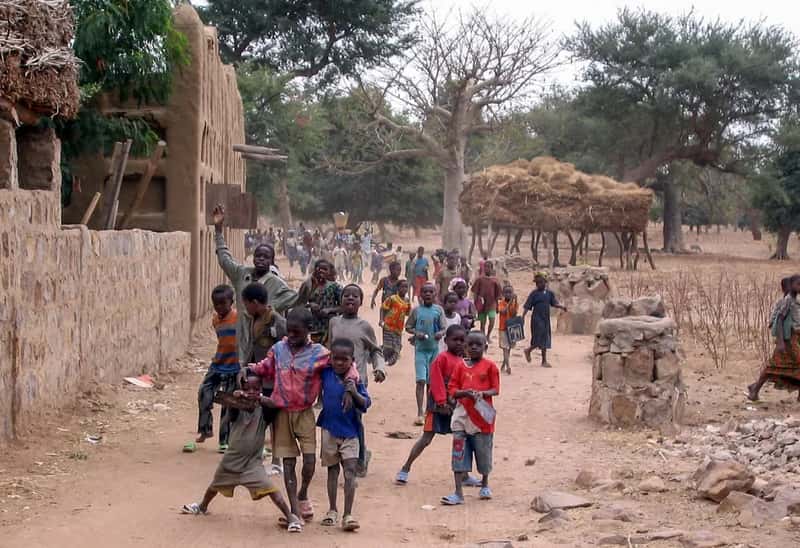
Mali has slid from a once-promising West African destination known for its music and desert landscapes into a country most experts now avoid discussing without a serious caveat. Mali carries a Level 4 “Do Not Travel” advisory alongside neighboring Burkina Faso.[8] The bureaucratic barriers have grown just as steep as the security concerns. Mali suspended visa issuance to U.S. citizens effective January 1, 2026, with limited exceptions, and the State Department tells Americans considering travel to confirm current requirements directly with Mali’s embassy before making plans.[8]
Independent risk trackers that aggregate dozens of government sources rank Mali among the least safe countries on earth right now. Mali scores 3.7 out of 10 on consolidated safety indices, with an advisory consensus across eleven governments recommending against travel.[7] Regional instability tied to armed groups operating across the Sahel has only made the picture murkier. Travel professionals who once organized cultural tours through Mali’s historic cities now tell friends privately that the itinerary simply doesn’t exist anymore, at least not safely.
6. South Sudan
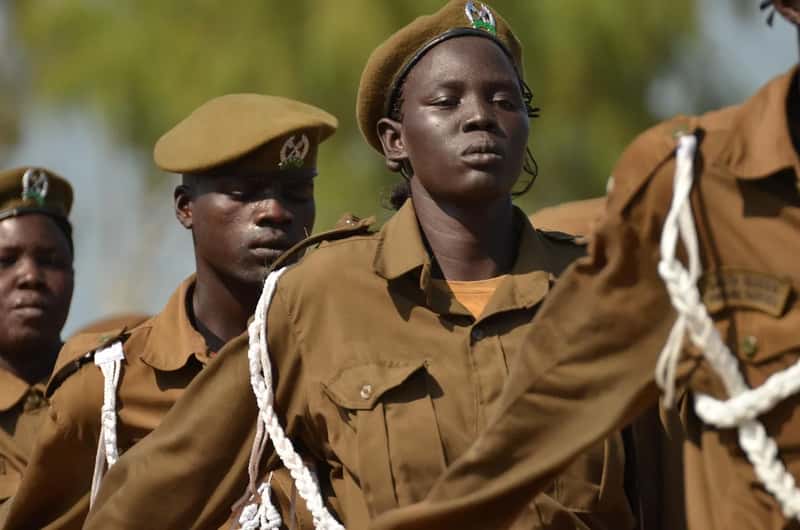
South Sudan is the world’s youngest country, and unfortunately that youth has come with near-constant internal conflict rather than stability. As one of the world’s youngest nations, South Sudan has struggled with persistent internal conflict.[2] Its risk scores reflect governance failures as much as active violence. South Sudan scores 3.6 out of 10 on consolidated safety analysis, with governance identified as the area to watch most closely.[7]
What worries experts most about South Sudan is how little international consensus exists on any silver lining. Advisory consensus across roughly nine governments agrees that citizens should simply not travel there at all.[7] Border regions carry extra risk from extremist activity spilling over from neighboring conflict zones. The areas bordering Chad and South Sudan are particularly dangerous, as terrorist activity is known to be higher there.[9] Even aid workers and journalists who travel there for professional reasons typically do so with armed escorts and strict security protocols, which tells you most of what you need to know about casual tourism.
7. Syria
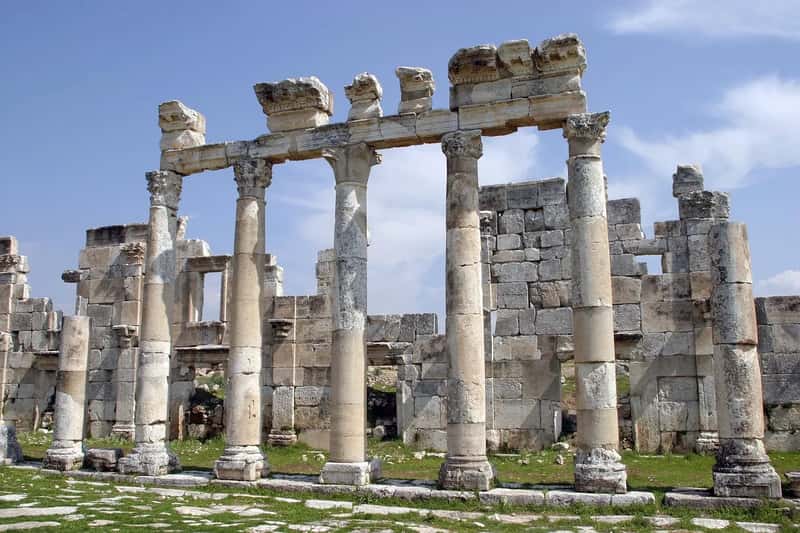
Syria’s civil war has stretched on for so long that an entire generation has grown up knowing nothing else. Syria has experienced a devastating civil war for more than a decade.[10] The physical and institutional damage runs so deep that recovery, even in areas nominally at peace, remains fragile and unpredictable.
Travel experts who track the region point out that danger in Syria isn’t confined to obvious frontline areas, since the collapse of centralized security means risk can appear almost anywhere. Because of these dangers, it remains one of the most dangerous places for tourists.[10] Unexploded ordnance, active armed factions, and a devastated healthcare system combine to make emergency response nearly impossible in much of the country. It’s the kind of place where even experienced conflict-zone travelers proceed with extreme caution, and where recommending a trip to an ordinary friend would be almost unthinkable.
None of this means the people living in these seven countries define them by danger alone, and it certainly doesn’t mean these nations lack beauty, culture, or history worth someday exploring. What it does mean is that the gap between marketing-friendly wanderlust and on-the-ground reality has rarely been wider than it is in 2026. Travel experts aren’t being dramatic when they quietly steer friends elsewhere. They’re simply reading the same advisories, crime data, and security reports available to everyone, and choosing caution over headlines. Sometimes the most valuable travel advice isn’t where to go next, but where to wait.