Imagine waking up to ocean views, eating out every single night, and still having money left over at the end of the month. Not because you got a raise. Not because you hit the lottery. Simply because you packed your bags and moved somewhere smarter. It sounds almost too good to be true, but for a growing wave of expats, remote workers, and retirees, this is Tuesday.
The honest truth is that $2,500 a month in New York, San Francisco, or London barely covers a tiny studio apartment and a few groceries. Yet in certain corners of the world, that same budget unlocks a full and genuinely comfortable life, complete with dining out, travel, healthcare, and some serious savings on the side. Here are seven countries where your dollars actually go the distance. Let’s dive in.
1. Portugal: Western Europe’s Best-Kept Affordable Secret

Portugal offers the lowest cost of living in Western Europe, where a couple can live nicely on $2,500 to $3,000 a month outside of the major cities. That is a remarkable deal considering you get a Mediterranean climate, beautiful coastlines, and a country that genuinely ranks among the safest in the world. Portugal takes 7th place in the Global Peace Index Report, which is above Switzerland, Canada, Germany, and Japan.
Portugal’s cost of living, including rent, is roughly a third lower than in the United States, and the average restaurant price is about 38 percent lower, with grocery prices sitting around 39 percent below what Americans typically pay. Housing is the biggest variable. In Portugal’s interior, expats can find rents starting from as low as $450 for a two-bedroom furnished home, while in Lisbon it may be possible to find a furnished one-bedroom for under $1,000 close to amenities and public transport.
Healthcare in Portugal is ranked number 12 by the World Health Organization, and all residents have access to both the public healthcare system and the low-cost private system, where many medical professionals speak English. For anyone who has paid American medical bills recently, that detail alone might make you pack your bags. The D7 visa for financially independent persons requires a passive income equal to Portugal’s minimum wage, which in 2025 is €920 per month.
2. Thailand: Tropical Luxury for a Fraction of the Cost

Thailand continues to attract digital nomads, retirees, and families from around the world thanks to its warm climate, high quality of life, and relatively affordable cost of living. With a $2,500 budget, you are not just surviving here. You are genuinely living well. In Thailand’s major cities, a comfortable lifestyle is possible on $1,500 to $2,500 per month, including rent.
Bangkok street food meals rarely cost more than $2, with iconic dishes available at nearly every corner, while mid-range restaurants charge roughly $6 to $12 per person, and even upscale dining remains reasonable by Western standards. That means a $2,500 budget here leaves you room for weekend trips to the islands, gym memberships, and the occasional spa day. Private health insurance is a fraction of U.S. costs, Thailand’s hospitals are world-class, and from dental cleanings to cancer care, you’ll pay roughly one-third of what you would back home, which is why Thailand ranks among the top medical tourism destinations in the world.
Chiang Mai, favored by digital nomads, retirees, and long-term travelers, is known for its affordability, friendly expat scene, and relaxed pace of life, offering modern services at a fraction of Bangkok prices. I think Chiang Mai might be the single most underrated city on Earth for quality of life per dollar spent. While Vietnam edges out Thailand in raw affordability, Thailand’s average cost of living is approximately 39 percent more expensive than Vietnam’s, but it offers significantly more developed infrastructure and modern conveniences that justify the premium for many expats.
3. Vietnam: Where $2,500 Makes You Feel Like a Local King

Vietnam is still one of the world’s great bargains for renting an apartment and eating out, plus it’s cheap to fly within the country and the region. According to the InterNations Expat Insider Survey, Vietnam, Colombia, Panama, China, and Thailand are among the cheapest countries to live in for expats. With $2,500 per month, Vietnam puts you in the upper echelon of comfortable living.
A basic local meal in Vietnam costs as little as about $2, while a three-course meal at a mid-range restaurant for two comes to around $3. Vietnamese pho for breakfast, banh mi for lunch, and fresh spring rolls for dinner will keep your food budget remarkably low, and the coffee culture alone justifies moving to Vietnam, with world-class Vietnamese coffee costing less than a dollar.
Getting around is convenient and affordable, with public transport including buses, trains, and motorbike taxis costing around $50 per month. That is almost comically cheap. Vietnam’s healthcare system is undergoing significant reforms, but most residents still pay out of pocket for services at public and private hospitals, and because public hospitals are often under-equipped, many expats purchase private health insurance to ensure access to better facilities, shorter wait times, and English-speaking doctors. It is something to budget for, but it remains affordable relative to Western standards.
4. Mexico: Close to Home, Far From American Prices

Mexico is one of the most affordable places to live in the world, ranked 2nd in the Expat City Ranking 2024 among the best countries for living abroad, and it features a lower cost of living, proximity to the US and Canada, and a rich culture. For Americans especially, it makes an almost irresistible case. You keep the familiarity, lose the price tag.
You can live comfortably in popular expat areas for around $1,800 to $2,500 a month, with apartment rentals averaging $600 to $1,000 in San Miguel de Allende and $500 to $900 in beach towns like Puerto Vallarta, while grocery costs average a remarkably low $200 to $300 monthly for a couple. That is real money back in your pocket every single month.
Mexico’s private healthcare system rivals many U.S. facilities in quality while costing 60 to 80 percent less, many doctors train in the United States, and comprehensive private health insurance costs $150 to $300 a month per person depending on age and coverage level. Mexico is, without doubt, the number one option for retirees from the US and Canada, thanks to its proximity, affordable healthcare, and established expat communities in places like San Miguel de Allende and Lake Chapala.
5. Colombia: The Surprise Destination That Keeps on Giving
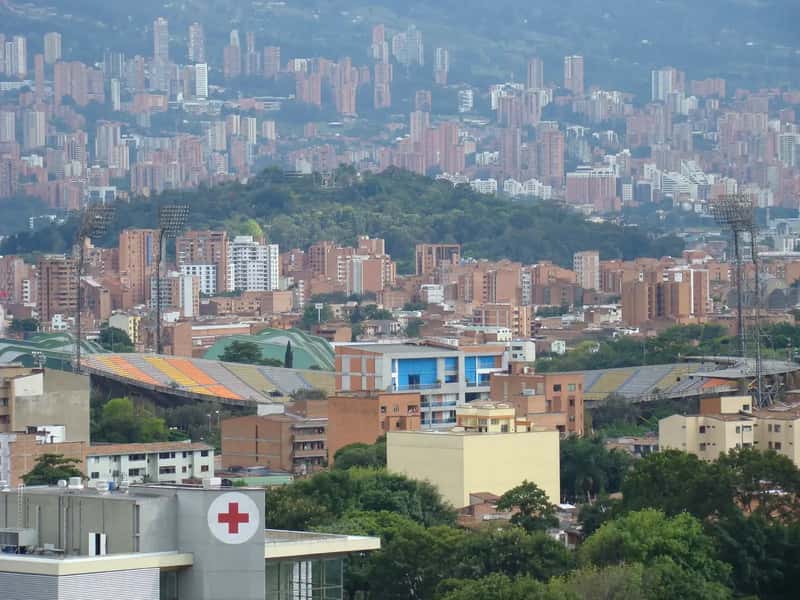
Let’s be real, Colombia was not on most people’s radar a decade ago. Today, it is one of the most talked-about expat destinations on the planet, and for good reason. Colombia remains one of the most affordable countries to live in, with the vast majority of expats stating that their disposable income is sufficient to maintain a comfortable lifestyle. Medellín and Bogotá are digital nomad hotspots with great infrastructure.
The cost of living in Colombia varies greatly according to how your own currency is doing against the Colombian peso, but over the past few years that currency has generally been favorable to all those foreigners heading to Medellín or Cartagena. With $2,500 per month in Medellín, you can rent a spacious modern apartment, eat at good restaurants frequently, and still save money. It is the kind of thing that sounds impossible until you experience it firsthand.
Thailand, Mexico, and Colombia have growing expat communities with English-friendly services in major cities, though learning basic local language significantly improves the experience. Medellín in particular has transformed dramatically and now boasts a reputation as a top hotspot for working nomads and business start-ups in the region. The food scene, the nightlife, and the eternal spring climate of the city are all bonuses that simply do not show up in any budget spreadsheet.
6. Bulgaria: Europe on a Shoestring, No Passport Drama Required
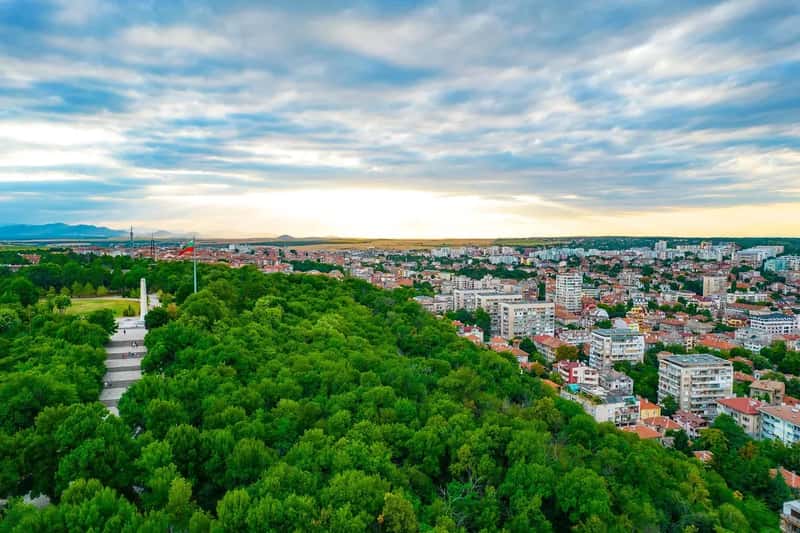
Bulgaria stands out as one of Europe’s most affordable destinations, offering excellent value for those seeking a slower pace of life surrounded by nature. Whether you settle in Sofia, Plovdiv, or along the Black Sea coast, everyday costs remain low, and a one-bedroom apartment outside city centers averages just $360 USD per month, leaving plenty of room in the budget for travel and leisure.
While your dollars go far in Bulgaria, it also delivers a high quality of life through its mix of history, culture, and stunning natural scenery. Residents enjoy easy access to mountains, beaches, and thermal springs, while the country’s growing digital infrastructure is attracting remote workers and entrepreneurs. For a $2,500 monthly budget, Bulgaria practically rolls out the red carpet.
Bulgaria became part of the Schengen Zone in 2024, so it’s still one of the cheapest places to live abroad, but it’s a lot easier for Europeans to move there than people from the Americas. However, Bulgaria did launch a digital nomad visa in late 2025, so if that works without excessive bureaucracy, it will get easier to stay longer. Sofia and Plovdiv offer a European lifestyle at a fraction of Western costs, and honestly, that combination is hard to beat anywhere on the continent.
7. Montenegro: Europe’s Hidden Gem With a Mediterranean Soul
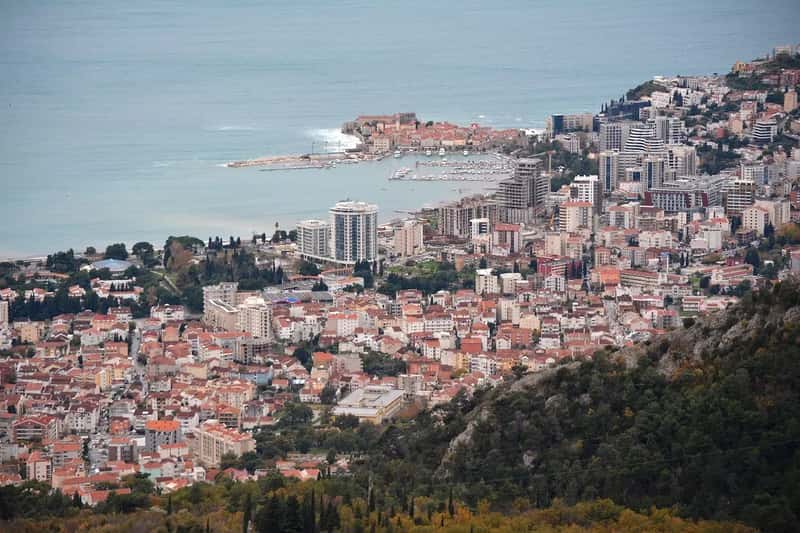
You don’t hear a whole lot about living in Montenegro, but this remains one of the cheapest places to live in Europe and there’s a small but thriving expat community. This tiny Adriatic country is basically Europe’s best-kept secret, and it is starting to get noticed. Even if you live by the sea, it’s not that expensive to rent an apartment here, and Numbeo estimates that monthly rent for a one-bedroom apartment in seaside Herceg Novi is $738, with living costs estimated at roughly half what you’d spend in Spain.
Scenic locations like Kotor or Podgorica offer affordable housing options with stunning views. With a $2,500 monthly budget in Montenegro, you could easily afford a sea-view apartment, eat well, explore historic medieval towns, and still have a comfortable cushion remaining. There’s only one place where you’ll deal with throngs of tourists, and that’s on the gorgeous Bay of Kotor.
Montenegro also uses the euro as its currency despite not being a European Union member, which makes financial planning much simpler for most Western expats. The infrastructure is improving year on year, the coastline is genuinely breathtaking, and the pace of life is the kind of slow, unhurried rhythm that people in stressed-out Western cities spend entire therapy sessions trying to rediscover. It is the sort of place where $2,500 per month does not just cover your expenses. It covers your joy.
The Bottom Line: Your Dollars Have Borders, Too
The fascinating thing about this list is how different each country is. You have tropical beach destinations, Andean city living, Balkan mountain towns, and classic European coastlines, all sharing one common trait. Each one lets a $2,500 monthly budget deliver a quality of life that most Western cities would charge two or three times more to replicate.
In 2025 and into 2026, more people than ever are trading high-rent cities for low-cost living destinations where the food is great, the weather is better, and the budget stretches surprisingly far. Whether you’re a digital nomad, early retiree, remote worker, or just looking for a financial reset, relocating to a more affordable country might be the smartest move you make.
The world is big, and your dollar has dramatically different purchasing power depending on where you plant your feet. The only real question left is which of these seven countries feels most like home to you. What would you have guessed before reading this? Let us know in the comments.