Landing after a long flight is stressful enough without discovering that the rules changed while you were still in the air. Yet that is exactly what is happening at a growing number of international airports right now, as governments quietly rewrite entry procedures, add digital forms, and tighten screening in ways that rarely make it into travel brochures. Some of these changes are minor inconveniences, while others can mean a missed connection or a very uncomfortable conversation with an immigration officer.
1. Thailand’s digital arrival card catches even experienced travelers off guard
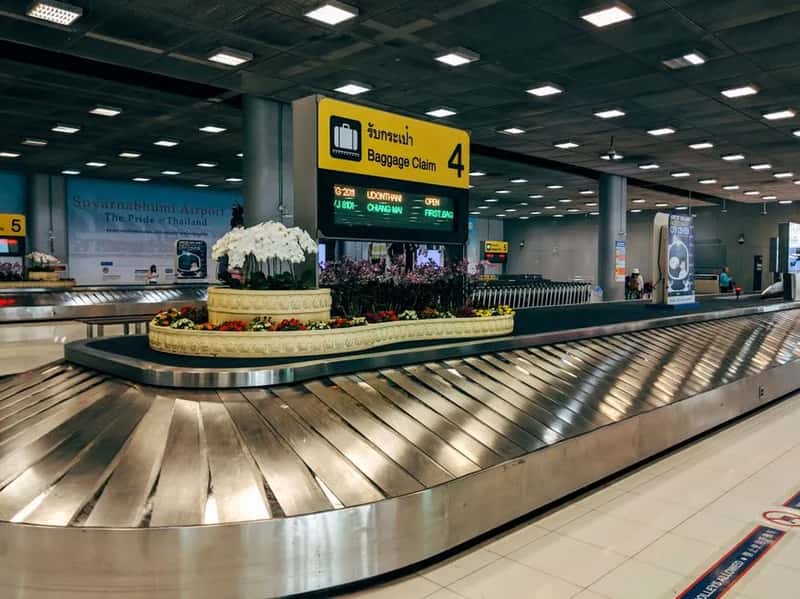
Thailand used to be one of the easier countries to enter, with a simple paper card handed out on the plane. That changed when the country introduced a new digital requirement that replaced the old system entirely. The Thailand Immigration Bureau has announced that all non-Thai nationals will be required to complete the Thailand Digital Arrival Card before entering the country, beginning 1 May 2025.
The tricky part is timing. The TDAC must be submitted within 72 hours (3 days) before your scheduled arrival. Travelers who have visited Thailand before and assume they can sort out paperwork after landing, as used to be possible, often get caught by surprise, since travelers who have been to Thailand before and expect to handle arrival paperwork after landing could easily get caught off guard by the change.
2. China’s visa-free transit rules are generous but full of fine print
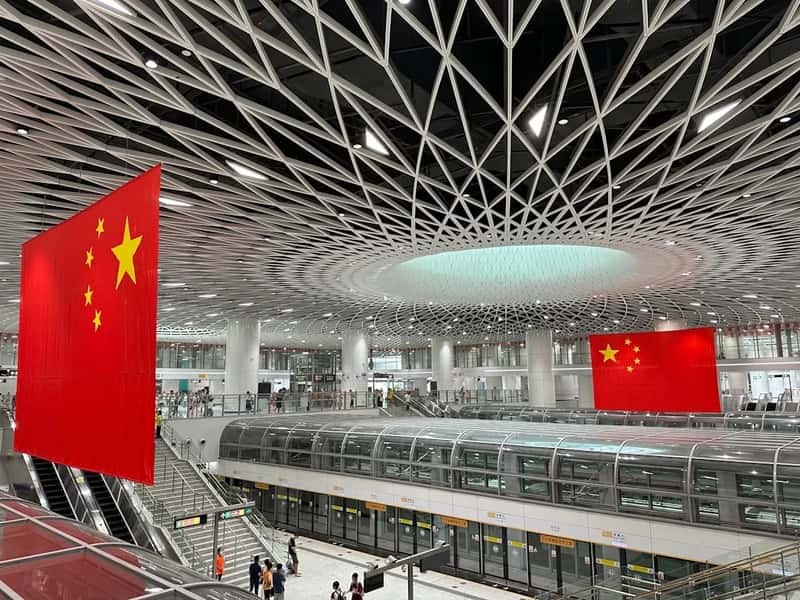
China has quietly become one of the more welcoming countries for short stopovers, but the system is layered enough to trip up anyone who does not read the details closely. Under the upgraded policy, eligible foreign travellers from 55 countries transiting through China can now stay for up to 240 hours (10 days), a significant extension from the previous 72-hour and 144-hour visa-free transit policy. That sounds simple, except the rules depend heavily on which airport you land at and where you plan to go next.
Passengers sometimes assume they qualify automatically, only to learn the routing does not fit the policy. For instance, if a flight lands in Xian via Beijing, passengers are not able to enjoy the policy, and Hong Kong, Macau and Taiwan are regarded as a third region in terms of transit issues. There is also a strict onward travel condition, since in order to be eligible for visa-free transit, you must be going on to a third country after leaving China, and entering under the policy when not continuing to a third country will be considered illegal entry.
3. Brazil quietly brought back a visa requirement many tourists forgot about

For years, travelers from a handful of countries could show up in Brazil with nothing more than a passport. That window closed again in 2025, and plenty of tourists still have not caught up with the change. Since April 10, 2025, travelers using passports from the United States, Canada, and Australia once again need a visa for tourism and business travel to Brazil.
The process now requires more than just showing up at the airport with good intentions. Eligible travelers from those countries must apply for an electronic visitor visa. Anyone who booked a trip based on older advice or an outdated blog post could find themselves stuck at check-in rather than at passport control, since airlines are generally required to verify visa status before boarding begins.
4. Singapore’s tougher entry checks mean rejections at the gate, not just the border

Singapore has long had a reputation for order and efficiency, but its immigration posture has hardened noticeably. The numbers tell part of the story. This comes on the heels of a significant rise in rejected entries, with 41,800 foreign tourists turned away between January and November of 2025.
What makes this especially disruptive is where the rejection now happens. In 2026, Singapore will implement a no-boarding system aimed at limiting entry to undesirable travelers, affecting major airlines like Singapore Airlines, Scoot, Emirates, and AirAsia, preventing passengers from boarding flights to Singapore if they are deemed ineligible for entry. In other words, the immigration decision can now happen before you ever leave the ground, and travelers with a history of visa violations or criminal records may find it harder to get clearance.
5. United States entry has shifted toward heavier pre-arrival vetting

Travelers who remember quick, informal arrivals in the United States are finding a different experience in 2026. The emphasis has moved earlier in the journey rather than staying confined to the immigration counter. Customs declarations and airport screening are now prioritized as the primary pillars of the U.S. entry process, ensuring that every visitor is vetted through advanced identity verification systems long before their arrival on American soil.
This is not simply a security upgrade tucked away in the background. It is observed that the entry process is no longer a simple matter of logistics; rather, it has been transformed into a sophisticated compliance exercise that necessitates meticulous preparation. Domestic travelers face their own adjustment too, since after multiple delays since its introduction in 2007, the federal law requiring flyers to carry a REAL ID went into effect on May 7, 2025.
6. The United Kingdom’s transit rules confuse people who never plan to leave the airport

A common assumption among travelers is that a brief connection does not require any paperwork, since you never technically enter the country. That assumption no longer holds up in the UK and much of the Schengen area. The biggest shock for 2026 travelers is the landside versus airside confusion, since many travelers assume that if they aren’t leaving the airport, they don’t need paperwork, yet the UK and several Schengen countries now require an ETA even for simple airside transits.
The consequences of missing this detail can be severe given how little slack a short layover allows. A two-hour stop in London could now cost you your entire trip if your paperwork isn’t sorted before you leave home. Adding to the confusion, the broader European system is also changing in parallel, with the Entry/Exit System replacing manual passport stamping with a digital record of entries and exits for non-EU travelers, requiring biometric data including fingerprints and facial images captured at automated kiosks or e-gates.
7. India’s currency and customs declarations trip up unsuspecting visitors

India’s immigration process itself is fairly routine, but the customs side catches many first-time visitors off guard, particularly around money. The rules are specific and not always intuitive for someone arriving with cash reserves for a long trip. You can bring foreign-currency cash up to USD 5,000 without filing a Currency Declaration Form, or up to USD 10,000 total including traveller’s cheques.
Beyond currency, the customs declaration covers a wider range of items than most tourists expect. Broadly, you are asked to declare anything dutiable or restricted, including goods beyond your free allowance, gold or silver in any form other than personal jewellery, foreign currency above the notified thresholds, prohibited articles, items in commercial quantity, and unaccompanied baggage arriving separately. Officials note that a declaration simply puts the item in front of an officer, who then applies the rules, so the real risk lies not in declaring something but in failing to when required.
None of these seven countries are trying to make tourism harder for its own sake. Each change traces back to a specific policy goal, whether that is managing overstays, modernizing outdated paper systems, or responding to security concerns. What connects them is a simple pattern worth remembering before any international trip: check the entry requirements again shortly before departure, even if you have visited the country before, because the rules on the ground may no longer match the rules you remember.