The math on homeownership in the United States has gotten harder to ignore. With the national median sitting well above $400,000, a growing number of Americans are looking past their own borders for something more affordable. What they’re finding, in more places than you might expect, are livable homes, real neighborhoods, and functioning communities where six figures still buys more than a down payment.
This isn’t about hunting for crumbling ruins in forgotten villages. It’s about specific cities and regions where currency differences, lower construction costs, and different market dynamics add up to genuinely attainable housing. Here’s where that math still works in 2026.
1. Ecuador

Ecuador remains one of the clearest examples of dollar-denominated affordability, largely because the country uses the U.S. dollar as its official currency, which removes exchange rate risk entirely for American buyers. In Cuenca, the most popular expat destination, colonial-center apartments run $70,000 to $100,000, with newer builds priced between $120,000 and $185,000. That range alone puts a historic, walkable city within reach of a modest retirement budget.
The national numbers tell an interesting story too. The gap between the median home price of around $105,000 and the average of roughly $159,000 suggests that a small number of luxury coastal and Quito properties pull the average upward, while most of the country’s housing stock remains quite affordable. Beach towns further from the capital tend to be even less expensive than Cuenca or Quito.
2. Mexico

Mexico’s appeal isn’t just about price, it’s about proximity and familiarity. Its closeness to the United States, including a flight time of about two and a half hours from Houston to Mexico City, makes it one of the most geographically convenient options for American buyers. The trick is knowing where to look, since coastal hotspots and the capital skew far pricier than the rest of the country.
With the exception of cities like Mexico City and San Miguel de Allende, most inland areas remain quite affordable for American expats. Retirement writer Tim Leffel has pointed to Queretaro as one option worth considering, noting that its high altitude may suit expats looking for temperate weather and an active community. Guanajuato is another inland city frequently mentioned for its low cost of living and lower reported crime relative to some border regions.
3. Colombia

Colombia has quietly become one of the more talked-about markets for Americans priced out at home, and Medellín usually leads that conversation. The city has a milder climate than Cali with year-round spring-like weather, and an established expat community takes advantage of its strong infrastructure. Property here still delivers real value even as interest has grown.
Cali offers a similar story with a slightly different price tag. Prices have risen there in recent years, but a central, comfortable apartment can still be found for $70,000 to $100,000. As with most Colombian cities, Cali has neighborhoods worth avoiding due to crime, though many areas remain safe and walkable once you learn the layout.
4. Bulgaria
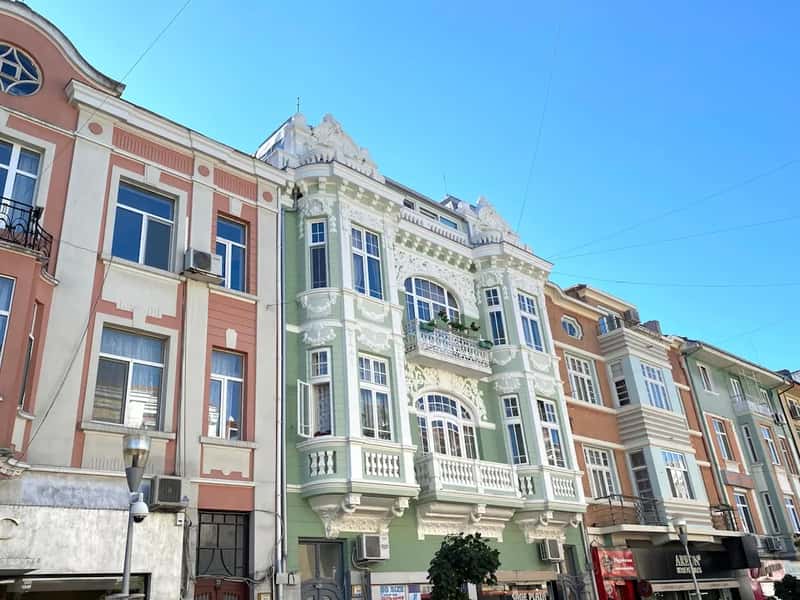
Bulgaria has spent years as one of Europe’s most consistently affordable places to buy property, and the gap between its capital and its countryside remains dramatic. Rural Bulgaria still offers properties for as little as 300 to 500 euros per square meter, creating a massive price gap compared to Sofia that continues to draw budget-conscious buyers. That kind of pricing puts entire houses within reach of a modest six-figure budget, or well under it.
Even outside the deep countryside, the numbers work in a buyer’s favor. A typical 80-square-meter apartment in Bulgaria costs roughly 112,000 euros nationally, though rural homes of similar size can run under 40,000 euros. Bulgaria’s adoption of the euro at the start of 2026 has also simplified transactions for foreign buyers by removing an extra layer of currency conversion.
5. Albania
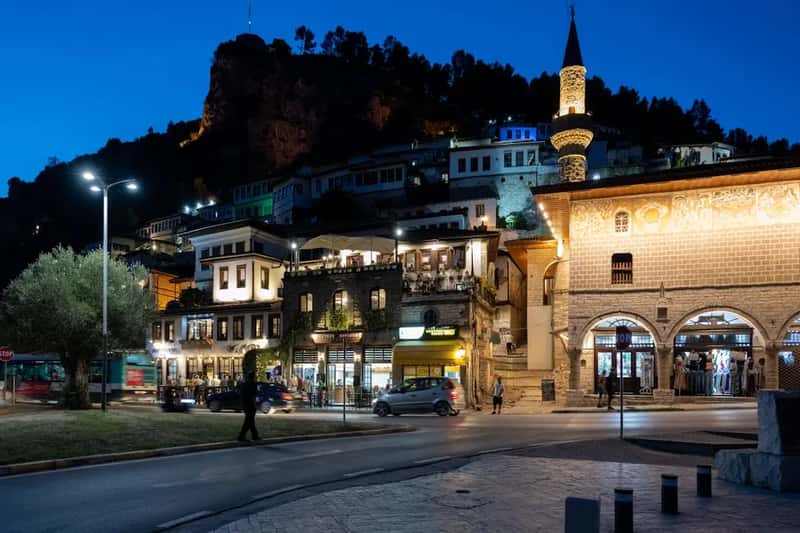
Albania has emerged as something of a sleeper pick among Americans exploring life abroad, partly thanks to its visa policy. One advantage of Albania is that it allows Americans to stay in the country for up to 365 days without needing a residency permit. That kind of flexibility is rare and makes testing out the country before committing to a purchase much easier.
Pricing here still favors the budget-conscious buyer, especially outside the capital. Older apartments in Albania average around 9.5 million lek, or roughly $116,000, while new-build apartments average closer to $221,000. Smaller cities and coastal towns away from Tirana and the trendier Albanian Riviera spots tend to land comfortably under the six-figure mark.
6. Italy
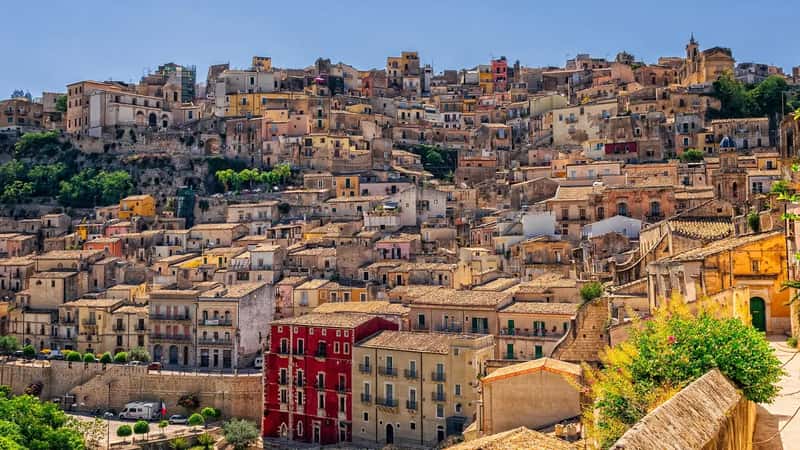
Italy’s north can be eye-wateringly expensive, but the south tells a completely different story. Homes in southern Italy and rural areas can be purchased for under $100,000, and residency there provides free travel throughout the EU’s Schengen Area. Regions like Abruzzo, Puglia, and parts of Calabria consistently show up as places where a real house, not a fixer-upper needing a full gut renovation, sits within an American budget.
Smaller towns in central Italy offer similar value. In towns like Teramo and Chieti, properties can be found around the $100,000 mark, offering a small-town alternative to the pricier coastal resort areas. These regions won’t have the name recognition of Tuscany, but they deliver the same slower pace of life, good food, and historic charm for a fraction of the cost.
7. Turkey
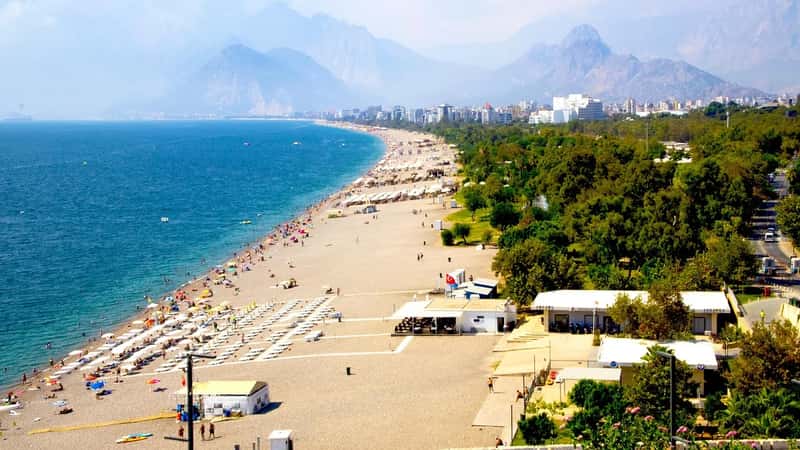
Turkey has built a reputation as one of the more accessible entry points into homeownership abroad, particularly for buyers drawn to warm coastal living. It’s often named among the cheapest countries to buy a house, and in many cities, small apartments cost under $100,000. Prices only drop further once you move into smaller towns outside the major cities.
Coastal regions offer a particularly strong value proposition. Antalya has beach homes priced lower than comparable properties in much of Europe, while Istanbul costs more but comes with higher demand and stronger rental income potential. For buyers who want sun, sea, and a lower price tag without leaving Europe’s doorstep entirely, Turkey checks a lot of boxes at once.
None of these markets are secret anymore, and prices in several have climbed noticeably over the past couple of years as more foreign buyers arrive. Anyone seriously considering a purchase should still budget time for in-person visits, legal review of ownership rules for foreigners, and a realistic look at ongoing costs like property taxes, utilities, and maintenance. The window for six-figure homeownership abroad hasn’t closed, but it does keep shifting, and the best deals tend to go to buyers who do their homework before they fall in love with a listing photo.