Walk down a main street in Boston or Dallas and fast food chains practically define the skyline: golden arches, buckets of chicken, drive-thru lanes stacked three cars deep before noon. That pattern feels so normal to Americans that it’s easy to assume it plays out the same way everywhere else. It doesn’t. In several countries, deep-rooted eating habits, government policy, or simple economics have kept quick-service chains from ever reaching the saturation level they hit in the United States.
1. France
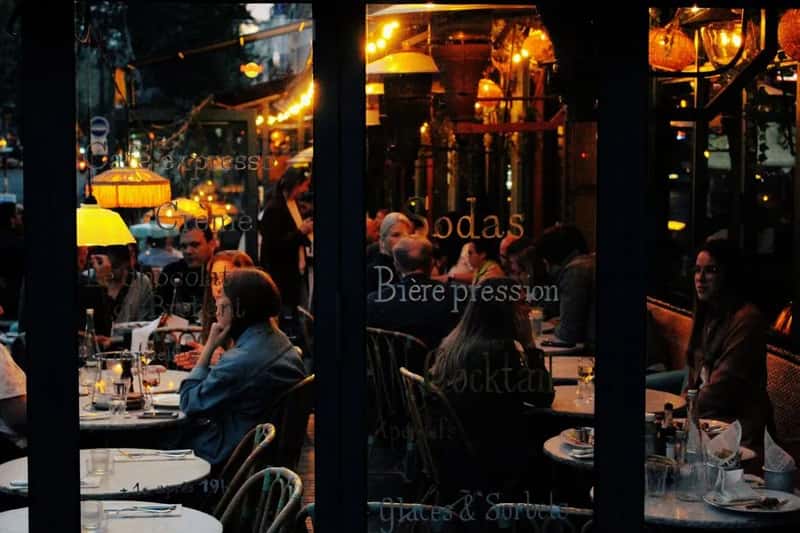
France hosts McDonald’s second-largest and most profitable market outside the United States, yet the way French people actually use these restaurants looks nothing like American habits. In France, barely 10% of meals are eaten outside the home, compared to nearly 40% in the U.S. and the U.K, and unlike their Anglo-Saxon counterparts, French consumers rarely snack between meals. That single cultural fact limits how fast food can ever function there.
Even when French diners do visit a chain, they treat it more like a sit-down restaurant than a pit stop. Americans visited McDonald’s more often than the French, at all hours of the day, frequently alone, and opted for takeout 70 percent of the time, while the French spent more money per visit, came in groups more often, and did most of their eating during regular lunch and dinner hours. Meals in France remain social events first, refueling stops a distant second, which keeps fast food boxed into a narrower cultural role than it occupies in the States.
2. Italy

Italy’s resistance to fast food dominance has an actual origin story with a date attached. Back in 1986, when the first McDonald’s in Italy was set to open near the Spanish Steps in Rome, protests broke out, and Italian journalist Carlo Petrini responded by handing out bowls of penne pasta to passersby instead of carrying signs. That protest didn’t stop the restaurant from opening, but it sparked something bigger.
The Slow Food Movement began in Piedmont in 1986, becoming a global initiative rooted in pleasure, sustainability, and cultural preservation, and what started as a rejection of fast food’s homogenization grew into one of the most significant food philosophies of our time. Decades later, that same instinct still shapes Italian dining. Meals built around fresh pasta, regional cheese, and long lunches remain the default, with quick-service chains occupying a much smaller share of everyday eating than they do in the U.S.
3. South Korea
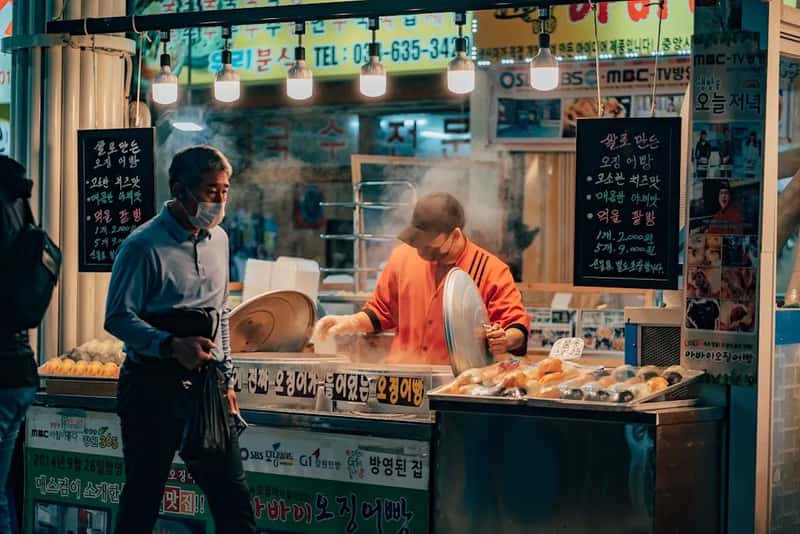
South Korea has the wealth, urban density, and busy lifestyles that usually predict heavy fast food consumption, but the numbers tell a different story. Despite having a developed economy and fast city life, fast food consumption in South Korea remains low, at less than once per week, with cooking at home and eating with family still deeply embedded in Korean society. That’s a striking contrast with the multiple-times-a-week habit common in the U.S.
Part of the explanation lies in what counts as a quick meal in the first place. Koreans generally prefer local fast foods such as kimbap and tteokbokki from street vendors over burgers and fried chicken from foreign restaurants, and the government actively promotes traditional Korean cuisine as cultural heritage, which helps keep foreign fast food from dominating. Burgers and buckets of chicken exist in Korean cities, but they compete against a thriving, government-supported street food culture that Americans simply don’t have at the same scale.
4. Japan

Japan’s food service industry is enormous, but it isn’t shaped the way America’s is. Independent operators accounted for 74.61% of the Japan foodservice market share in 2025, while chained outlets, though growing fastest, remain the minority format. That’s almost the inverse of the American landscape, where national chains blanket nearly every commercial strip.
Dining out itself carries a different weight in Japanese life. Dining out is an important part of Japanese culture, and consumers prefer to conduct both social and business meetings in restaurants due to time-pressed schedules and increasing frequency of dining. Local chains serving gyudon, ramen, and curry rice fill the same convenience niche that burgers fill in the U.S, meaning American-style fast food shares shelf space with homegrown quick-service formats rather than displacing them entirely.
5. India
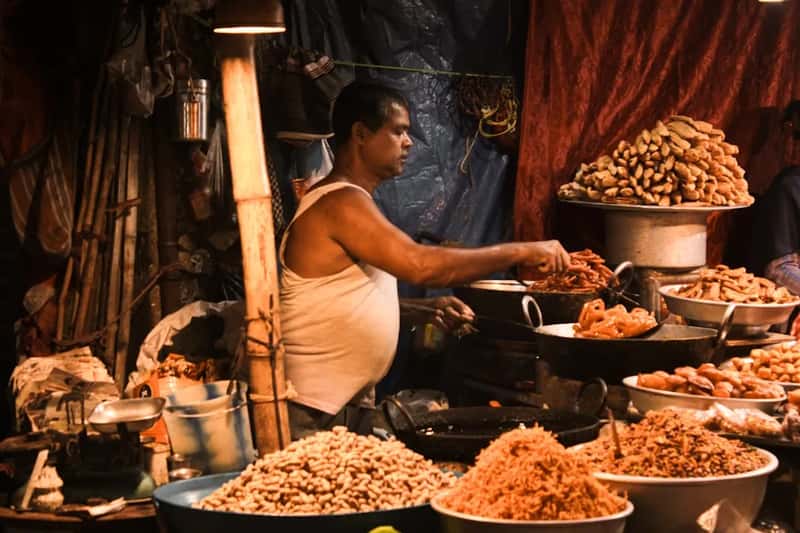
India presents one of the clearest structural barriers to American-style fast food dominance: diet itself. The mega-chain, known for its 100 percent pure beef branding elsewhere, has faced significant culinary obstacles in India, as 80 percent of the population does not consume the restaurant’s main staple. That single dietary reality forced every major American chain entering India to rebuild its menu from scratch.
Even after those adjustments, fast food chains occupy a smaller slice of Indian dining than in the West. Quick service restaurants are less than 5% of the foodservice market in India, while that figure sits around 20% globally. Homegrown chains built around vegetarian street snacks, from vada pav to momos, continue to hold enormous cultural ground that beef-and-pork-based Western fast food never had a real chance to claim.
6. Ethiopia
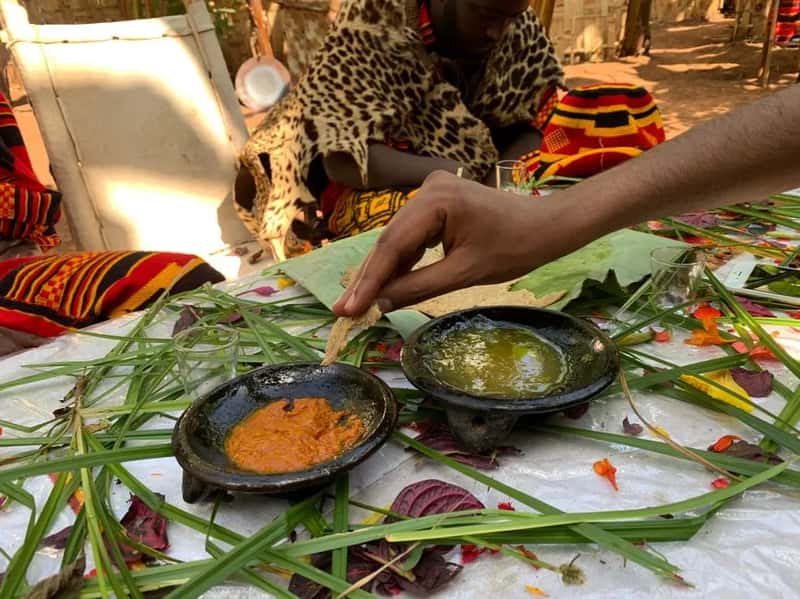
Ethiopia offers a case where fast food’s absence is less about active resistance and more about a food culture that never needed replacing. Ethiopia maintains strong resistance to fast food culture, with fewer than 10 international chains operating in a nation of 115 million people. For a population that size, that’s an extraordinarily thin footprint compared to the tens of thousands of outlets scattered across the United States.
Communal dining traditions built around injera and shared platters remain the norm in most Ethiopian households and restaurants alike. Fast food’s core selling point in America, individual portions eaten quickly and often alone, runs counter to a dining style that treats meals as a shared, unhurried experience. That mismatch has kept international chains from finding the same foothold they’ve established elsewhere on the continent.
7. Bolivia
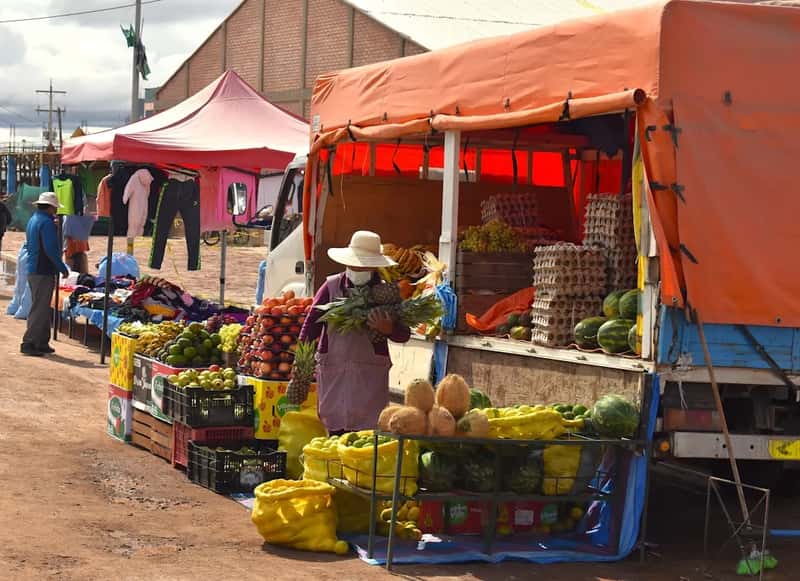
Bolivia stands out among South American nations for how little room it has made for global fast food brands. Cultural pride and economic factors maintain resistance to globalized fast food, with the average Bolivian spending less than $15 annually on international fast food chains. Compare that to the hundreds of dollars a year the average American or Canadian spends on quick-service meals, and the gap becomes obvious.
Much of that resistance traces back to Bolivia’s strong indigenous food markets and street vendor networks, which sell filling, affordable meals at prices international chains struggle to match. Salteñas, anticuchos, and market-stall soups fill the same convenience role burgers do elsewhere, but through informal vendors rather than branded storefronts. That informal economy has proven remarkably resilient against the standardized, corporate model that fast food chains depend on to scale.
Taken together, these seven countries show that fast food’s American trajectory was never inevitable. Strong home-cooking traditions, religious dietary rules, government cultural policy, and simple economics all played a role in keeping quick-service chains from becoming the default way people eat. The pattern is a reminder that food habits are shaped as much by culture and history as by convenience or marketing budgets.