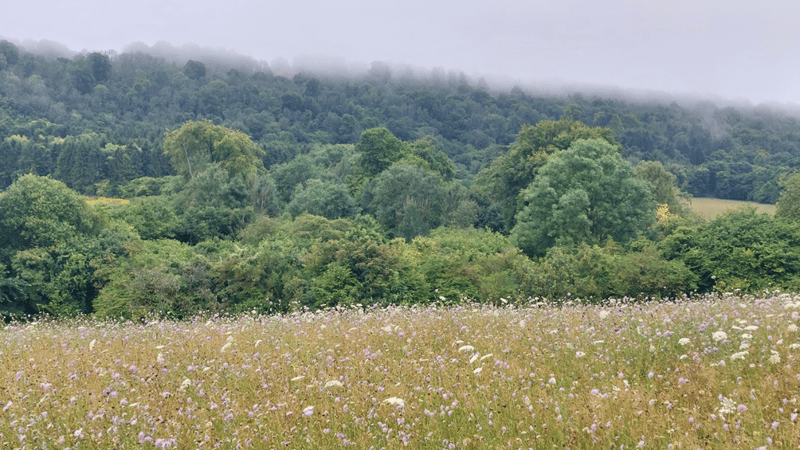
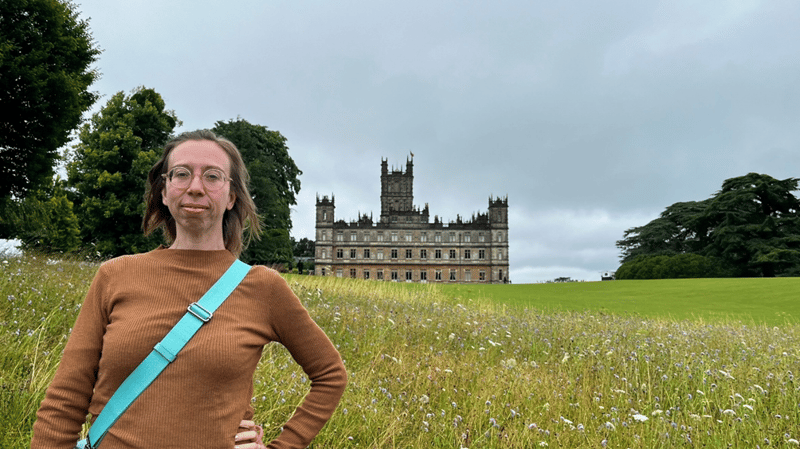
I visited Highclere Castle on a gray, overcast English day—the kind of sky that photographers complain about. Low clouds softened the outline of the house, the lawns looked impossibly green, and the whole estate seemed to slip effortlessly into its most convincing Downton mood. As both a devoted fan of Downton Abbey and a lifelong admirer of historic architecture, I was, quite simply, beside myself with joy (you can see it in my face in every picture). Cloudy weather turned out to be a gift: fog rolling down the hills, low clouds, nothing about the visit felt staged or postcard-perfect. It felt lived-in, layered, and quietly theatrical.
A House That Feels Instantly Familiar

One of the most surprising aspects of visiting Highclere is how familiar the interiors feel the moment you step inside. Photography is strictly forbidden indoors, but this doesn’t detract from the experience: because the rooms have been seen countless times on television, you don’t need a camera to remember them. The saloon, the library, the staircase: they are all instantly recognizable, not as sets but as real rooms with depth, proportions, and textures that television only partially conveys.
Walking through the house feels exactly like entering a place you already know. The furniture, the portraits, the light filtering through tall windows—all of it reinforces the sense that Downton Abbey didn’t invent a fictional world so much as reveal one that already existed.
The Real Story Behind the Fiction
What I just wrote is particularly true because the real history of the house doesn’t diverge much from its on-screen narrative. The castle has been home to the same aristocratic family for generations, and it still is today. The current Earl and Countess of Carnarvon live here, continuing a lineage that stretches back centuries. This continuity gives the visit a rare authenticity: you’re not touring a museum frozen in time, but a working home that happens to be globally famous.
Adding to the surprise is a remarkable chapter of the family’s real history. One of the Earls of Carnarvon, George Herbert, played a decisive role in early 20th-century archaeology by funding the expedition that uncovered Tutankhamun’s tomb in Egypt. That connection is very much alive at Highclere: the castle houses Egyptian artifacts and frequently hosts exhibitions dedicated to this extraordinary episode. When I visited, encountering this unexpected link between English aristocracy and ancient Egypt was genuinely striking and added yet another layer to the experience.
Gardens You Never See on Screen

If the interiors feel familiar, the gardens come as a revelation. The outdoor space is barely featured in the series, and this is where Highclere truly expands beyond Downton. The walled gardens are spectacular: meticulously designed, intensely colorful, and alive with seasonal detail. Flowerbeds are bold and structured rather than ornamental, and walking paths encourage slow wandering rather than quick loops.
There’s a quiet joy in discovering these spaces without preconceived images. The contrast between manicured garden rooms and the wider, more natural parkland is striking, and it’s easy to spend hours outside without feeling the need to rush back indoors. This is where the estate breathes, away from cameras and scripts.
Tea Rooms, Cafés, and the Gift Shop You Won’t Escape Empty-Handed
Highclere understands pacing. After the emotional high of the house and the visual richness of the gardens, there are multiple places to stop, eat, and drink—and they are all remarkably elegant without being intimidating. The tea rooms and cafés serve excellent cakes, pastries, and light lunches, presented with care and restraint. It didn’t feel like touristy at all; it added to the experience instead. Sitting down with a cup of tea, surrounded by other visitors quietly decompressing, feels entirely in keeping with the spirit of the place.
Then there’s the shop. Calling it dangerous would be accurate. It’s beautifully curated, filled with teas, biscuits, books, ceramics, and small pieces of craftsmanship directly connected to the castle and its history. I found it genuinely impossible to leave without buying something—and judging by the bags in other visitors’ hands, I wasn’t alone.
Practical Information and a Hard-Won Ticket
A word of advice: visiting Highclere requires planning, patience, and determination. Tickets must be booked in advance through the official website, and availability is limited because the family still uses the house as a private residence. The castle is not open year-round, and tickets sell out extremely quickly. It took me three summers of trying before I finally secured a slot. Truly. Each year I missed out, and each year I tried again. Persistence pays off. If you’re flexible with dates and ready to plan ahead, you’ll eventually succeed—and when you do, it will feel earned.
Highclere is easily reached from London by train and taxi (or you can rent a car like I did), making it a manageable day trip, but it doesn’t feel rushed if you give it time. Allow a full day, arrive unhurried, and resist the temptation to compress the experience.
Why It’s Worth the Effort
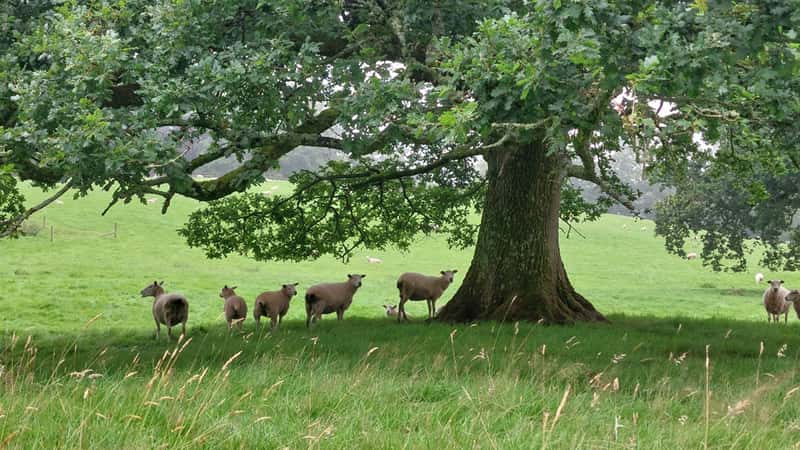
Yes, leaving Highclere, what stayed with me was the thrill of seeing Downton Abbey in real life but it was also the sense of coherence between fiction and reality, between architecture and narrative, between past and present. Cloudy skies, long waits, sold-out tickets: none of it matters once you’re there. Highclere Castle rewards patience with a rare mix of familiarity and discovery. And for fans of the show, lovers of architecture, or anyone drawn to places that still know who they are, it’s an experience that lives up to every expectation—and then quietly exceeds it.