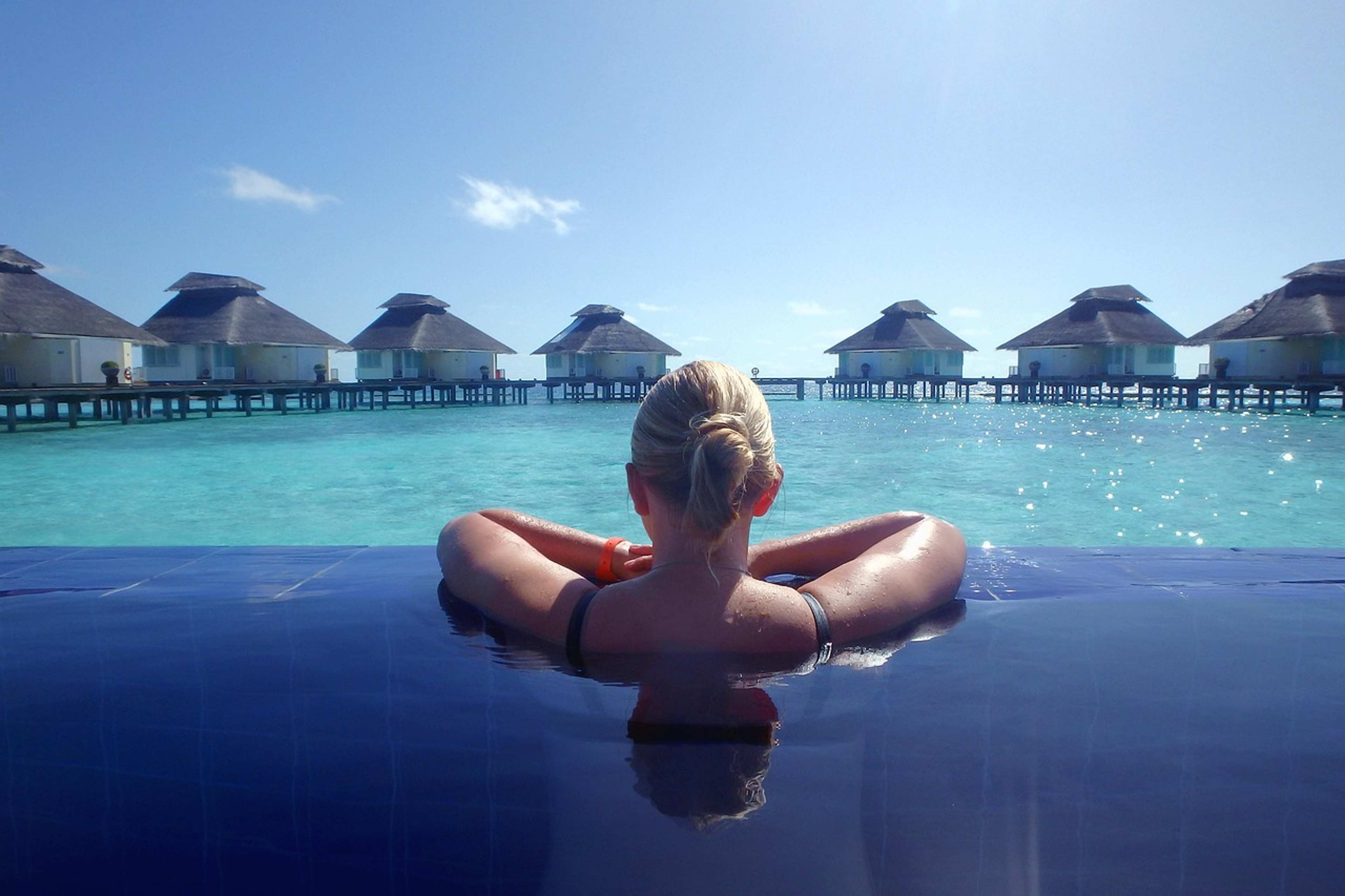
Scroll through any travel feed and the pattern repeats: an overwater villa, a turquoise lagoon, a caption that sounds like pure gratitude. It looks like one person’s lucky holiday. Often it’s closer to a business arrangement that happens to be photographed beautifully.
The Maldives is a useful place to look at this, because the destination is expensive, image driven and heavily dependent on visibility. The details of how these stays work, who benefits, and what gets left out of the frame are less glamorous than the pictures. They’re also easier to verify than you might expect.
A Trade Disguised as a Gift
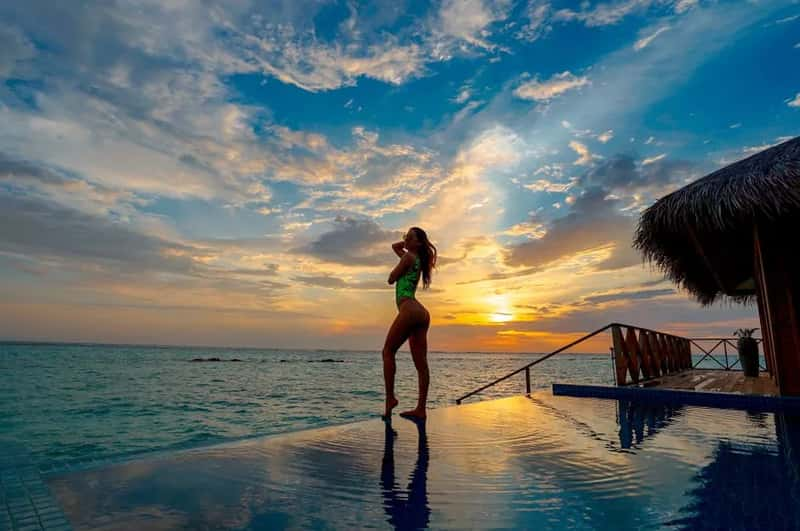
Most “free” resort stays aren’t gifts. They’re exchanges, and some resorts say so openly. Hurawalhi Maldives has a section of its website aimed at influencers, saying it collaborates with them to support its digital marketing strategy.[1]
Industry guides describe the mechanics. One influencer marketing platform lists content for accommodation as a standard model, where influencers get stays in return for specific deliverables.[2] The same guide says mid tier creators will often accept lower cash fees when a complimentary stay at a premium resort is part of the package, with stays valued between five hundred and five thousand dollars a night.[2] That figure comes from a vendor with a stake in the business, so treat it as an estimate rather than an audited number.
What “Free” Quietly Costs the Creator
The stay replaces a fee, which means the creator is working. Resorts expect posts, stories or videos delivered to a brief, and the length of the stay is often tied to what the creator promises to produce. A resort managing director told The Atlantic about requests from people wanting ten days in the Maldives in return for two Instagram posts to roughly two thousand followers.[3]
That exchange rate is why many pitches fail. The same executive said such requesters typically expected five to seven nights, all inclusive, and pointed out that the Maldives is not a cheap destination.[3] For a resort, the question is simple: does the audience justify the room?
Why Resorts Say Yes
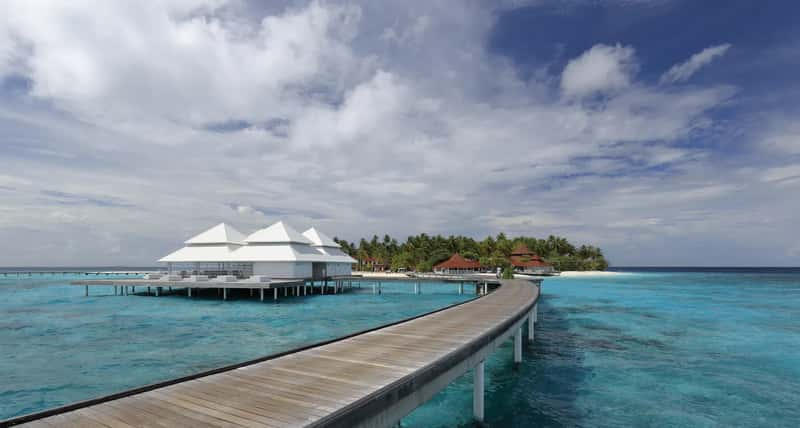
Hosting a creator can be cheaper than traditional advertising, and it produces a library of fresh images. Reporting on the trend noted that resorts and hotels compete for authentic content from travelers as more people turn to social media for inspiration.[4] A resort doesn’t need to pay a photographer if a guest delivers the shots.
A Tripadvisor forum poster who says they’ve discussed this with resort managers claims properties justify hosting because the posts drive inquiries or produce content the resort can use.[5] That’s one anonymous account, so it’s best read as a plausible explanation rather than proof. Still, it matches what the resorts themselves publish about their influencer programs.
The Disclosure Gap
Here’s where the glossy version of the story gets shaky. In the United States, the FTC treats comped meals, stays and tickets as a material connection that needs a disclosure.[6] Free or discounted products count even when the brand doesn’t require a post.[7]
The wording and placement matter as well. A disclosure tucked into the comments doesn’t count,[6] and vague tags such as collab or ambassador aren’t enough on their own.[6] In videos, the disclosure should be both said and shown.[8] One industry guide also says complimentary stays must be disclosed in the Maldives context even without money changing hands,[2] though that’s a commercial summary rather than a legal text.
What the 2024 Fake Reviews Rule Changed

A newer layer of regulation arrived in late 2024. The FTC’s rule on consumer reviews and testimonials has been in force since October 21, 2024, and adds civil penalties for fake reviews and fake follower counts.[7] Violations can cost up to 53,088 dollars each, a figure the FTC kept unchanged for 2026.[7]
The rule’s reach over creators is narrower than many headlines suggest. Its own disclosure requirements cover company insiders only, while undisclosed creator relationships are still judged under the FTC Act and the Endorsement Guides.[9] One compliance guide notes the rule bans incentives tied to a positive or negative sentiment, so a free product in exchange for five stars breaks it even with a disclosure.[10] How that principle applies to a specific resort deal is a question for lawyers, not a caption.
The Flood of Pitches Resorts Learned to Ignore
The influencer boom created its own backlash. Maldives hotel owners and managers were reported to be unhappy about the sheer number of faux influencers seeking free stays in exchange for very limited coverage.[3] The numbers weren’t the only complaint, though. Content quality mattered too.
The Dusit Thani managing director quoted by Marie Claire said her resort banned fashion Instagrammers. Her reasoning was that bikini shots posted all day could have been taken anywhere in the Maldives, which does little for the resort.[3] Fox News reported that the resort had all but ceased working with fashion influencers.[11] A resort wants its name and its island recognizable in the picture.
A Busy Market With a Soft Spring
The competition for attention sits against a market that’s large but not frictionless. The Maldives recorded a record 2,246,516 arrivals in 2025, and the government is targeting 2.5 million in 2026.[12] By October 7, 2026, arrivals had reached about 1.64 million.[12]
The year hasn’t been smooth. Arrivals fell 5 percent in the first half of 2026 compared with the same period in 2025,[13] and March dropped by nearly a fifth while April fell by almost a quarter.[13] The country has 179 operational resorts and marinas alongside 929 guesthouses,[13] so there’s a lot of inventory competing for the same eyes. No source I found ties the dip to influencer deals, but it helps explain why visibility stays a priority.
The Reef Behind the Backdrop
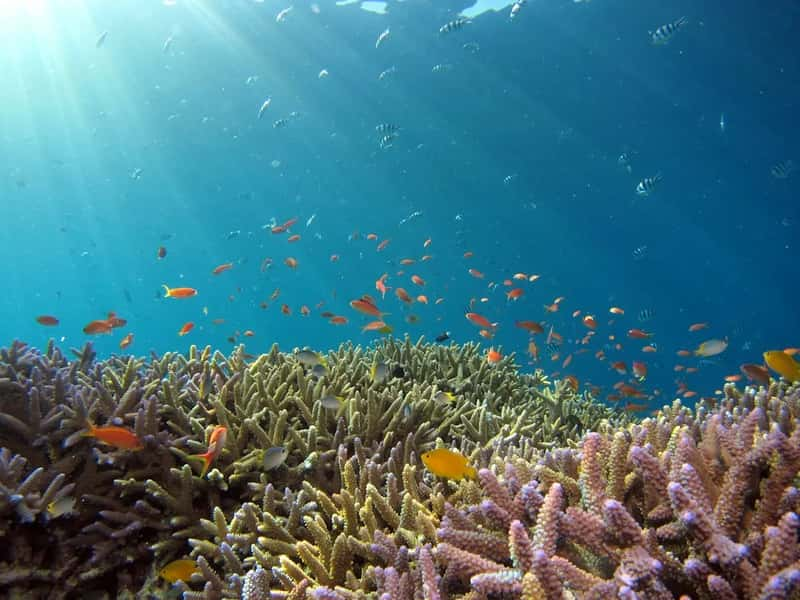
Every polished lagoon shot depends on a reef that is under real pressure. A study of the 2023 to 2024 global bleaching event found it was among the most severe ever recorded in the Western Indian Ocean, with nearly three quarters of observed Maldivian sites seeing moderate to severe bleaching.[14] Researchers noted that central atolls, which host higher tourism intensity and coastal development, can face added chronic stress from physical reef damage.[14]
The picture on resorts themselves is mixed. A widely cited 2018 study found that building a resort had an acute effect on reef condition, with lower coral cover around the newest properties examined.[15] Yet compared with other regions, tourist development appeared to affect Maldivian reefs less.[15] One travel guide credits Reefscapers, working with two Four Seasons resorts since 2001, with replanting over half a million coral fragments,[16] which shows restoration exists, even if it can’t be treated as a full offset.
How to Read a Resort Post More Carefully
A few habits make the feed easier to judge. Look for the disclosure inside the post itself, in plain words. Terms like ad, sponsored, or a thank you to the brand for the free product work best.[6]
Check whether the creator’s audience looks real, since the FTC’s 2024 rule also bans fake followers.[6] Notice whether the post names the island, the room category and the price, or only shows a generic beach. Finally, remember that a stay valued at hundreds or thousands of dollars a night, given in return for content, is marketing, and a clear disclosure in the post is the simplest sign of that.