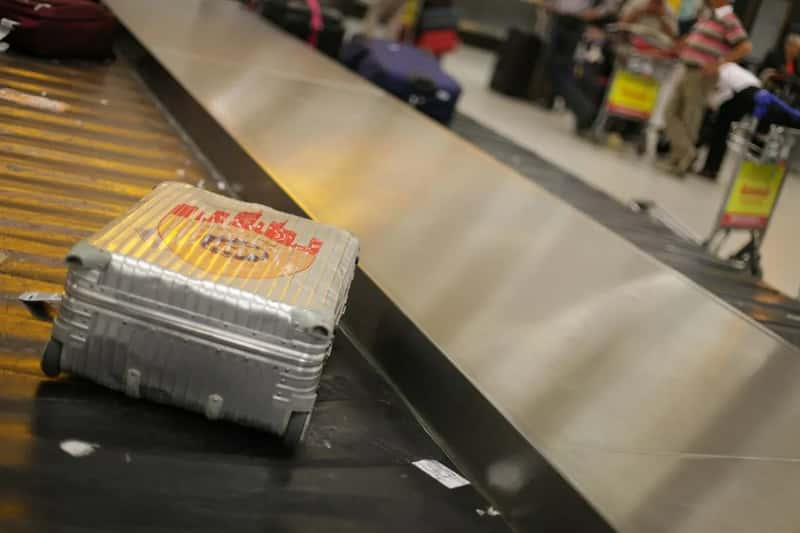
Most of us have stood at a carousel and watched a suitcase tumble out with a cracked corner or a wheel hanging loose. The first instinct is to blame whoever tossed it around in the dark. Baggage handlers have heard that accusation for decades, and plenty of them say it’s only part of the story.
The truth sits somewhere between rushed ramp crews, heavy machinery, tight schedules and the way we pack. Recent industry data and handler accounts from 2024 to 2026 give a clearer picture than the usual airport folklore does.
Damage Is a Smaller Slice of the Problem Than You’d Think
When airlines talk about mishandled bags, they’re mostly talking about delays. SITA’s 2025 report found delayed bags made up 74% of mishandled baggage[1], and its breakdown put damaged or pilfered bags at 18 per cent[2]. So for every damaged suitcase, several more simply showed up late.
Volumes are also shrinking. The global rate fell to about five mishandled bags per thousand passengers in 2025, a drop of nearly a quarter[3], and the total number of mishandled bags fell to 24 million[3]. Damage still happens, but it’s the exception, not the rule.
The Machines Do More of the Rough Work Than Passengers Realize
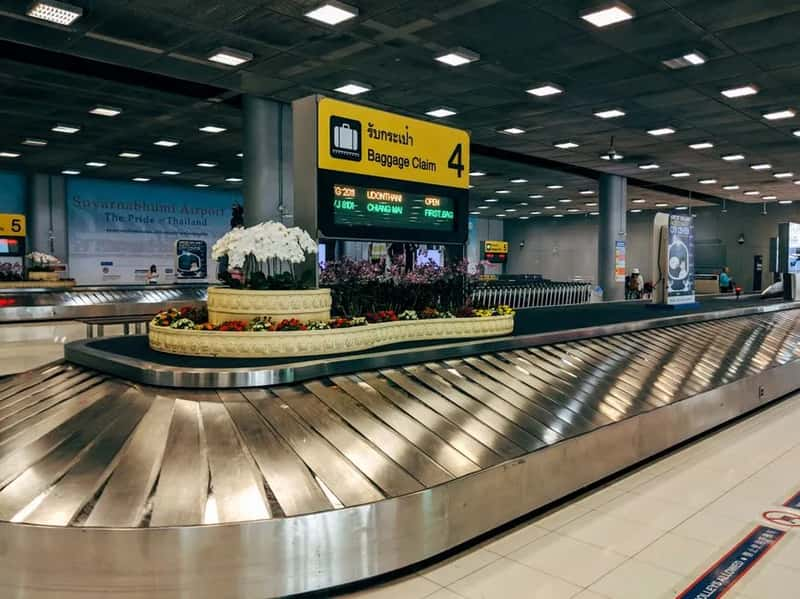
Many travelers picture a person hurling every bag by hand. In reality, a checked suitcase spends much of its journey on belts, chutes and sorting equipment. Those machines typically aren’t gentle, and they move with speed and force.[4]
A video from an airport worker drew wide attention for making this point. It showed a large metal arm pushing luggage down a slide to another conveyor[5], with the worker arguing that the equipment, not the crew, takes the toll. Commenters were split, and some insisted they’d seen handlers being careless too.
Still, Human Handling Plays a Role
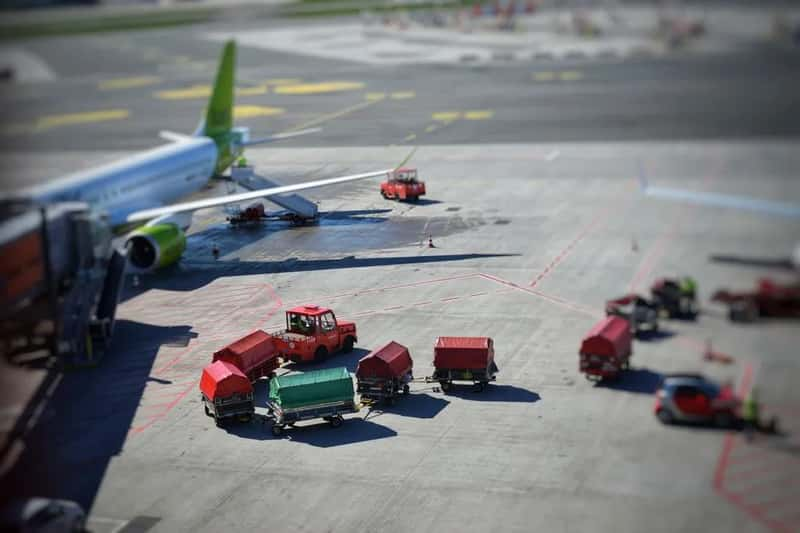
It would be too neat to clear the people out of the equation. Viral clips keep surfacing, and in 2024 an American Airlines agent went viral for roughly handling several bags coming off a plane[5]. Footage like that sticks in the public memory because it matches what passengers already suspect.
Handlers themselves also point inward. Some say a share of the damage starts at the check in counter, and one former handler described a bag that ripped open because it hadn’t been zipped fully. Rough treatment and weak packing often combine, which makes it hard to assign blame to one party.
Tight Turnarounds and Transfers Raise the Risk
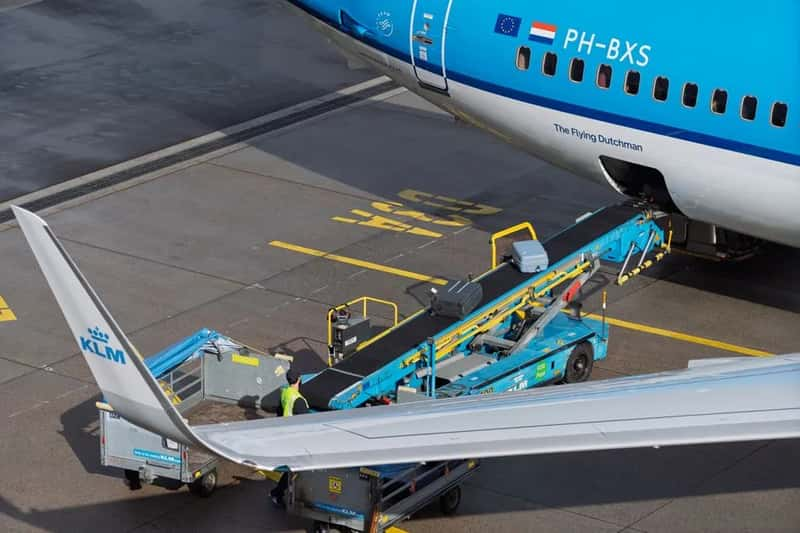
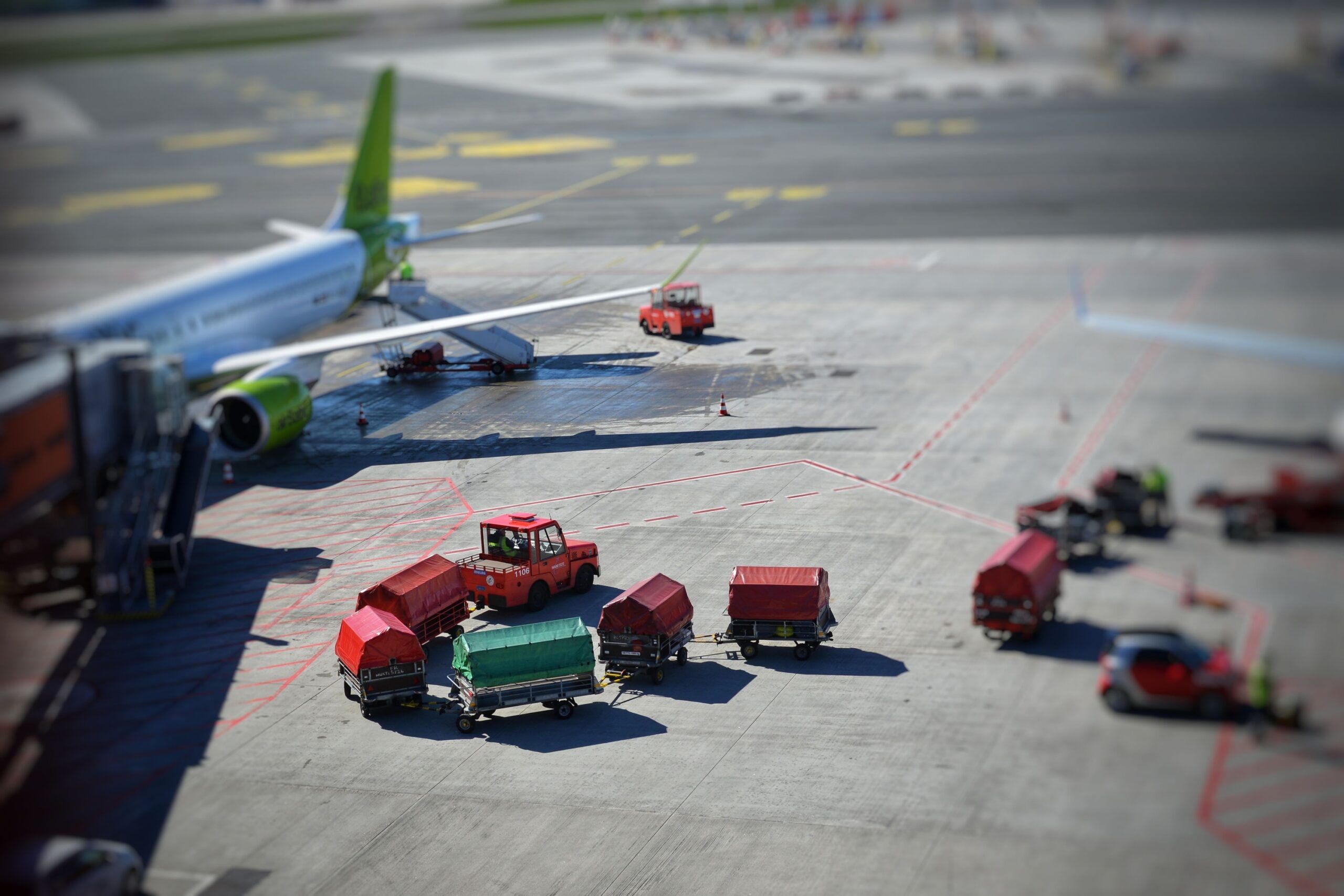
Ramp crews work against the clock. With tight turnaround times and constant pressure to meet deadlines, handlers often make split second decisions on how to move bags.[6] Cramped cargo holds don’t help, since bags often have to be moved quickly through narrow spaces.
Connections add to the strain. Transfers caused 39% of mishandling in 2025[7], according to SITA, because each extra handoff means another set of belts, carts and hands. A bag that changes planes simply gets touched more often than one on a direct flight.
Overpacking Quietly Sets Your Bag Up to Fail
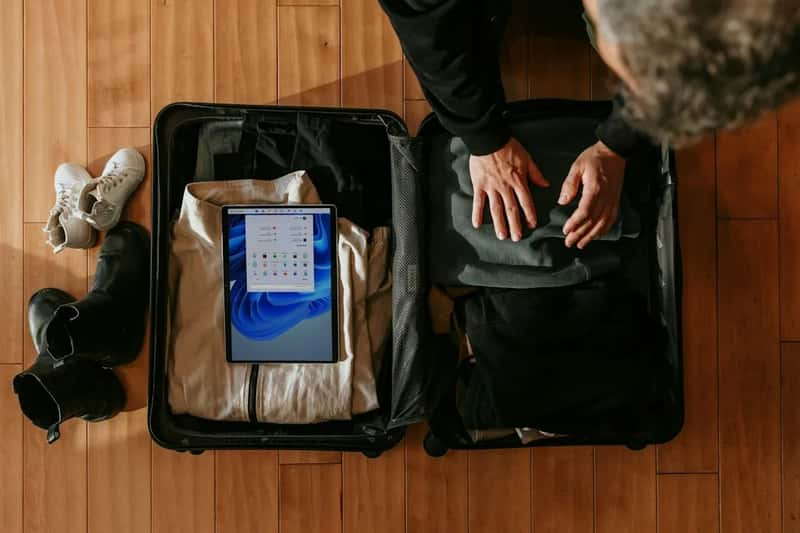
This is the cause handlers bring up most often. One common way travelers harm their own luggage is trying to squeeze too much stuff into a suitcase.[8] A bulging case puts constant pressure on its seams and zippers before it even leaves the counter.
Weight matters too. The heavier the bag, the harder it is for handlers to manage, so the odds of it being dropped or banged around go up.[8] Once other bags are stacked on top, an overfilled suitcase can burst or crack.
Wheels, Handles, Zippers and Locks Are the Usual Casualties
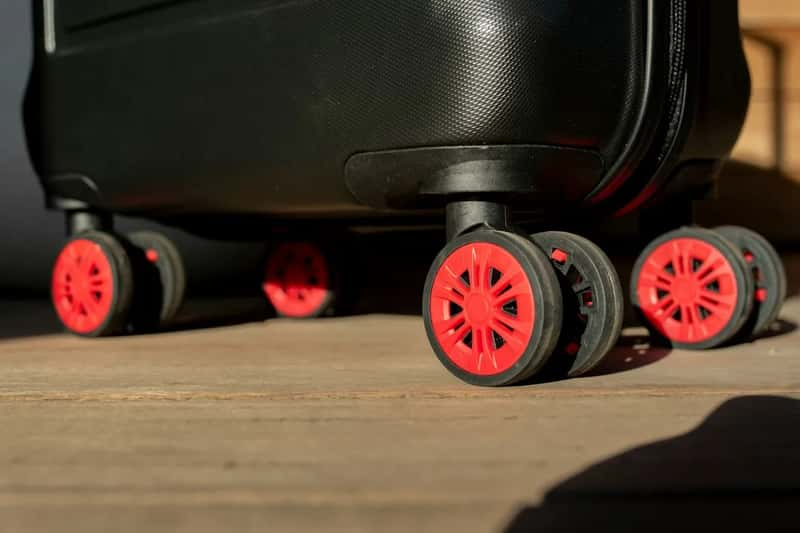
Damage tends to follow a pattern. Travel guides point to broken wheels and cracks in the body[9] as surprisingly common complaints. Zippers are another weak point, since pressure inside a packed bag can make a zipper open or its teeth misalign[9].
Anything that sticks out is at risk as well. TSA locks can be exposed on the exterior, so impacts or contact in transit can damage them.[9] Handlers also note that flimsy handles and failing wheels make a bag awkward to move, which can lead to rougher handling.
Age and Build Quality Make a Real Difference
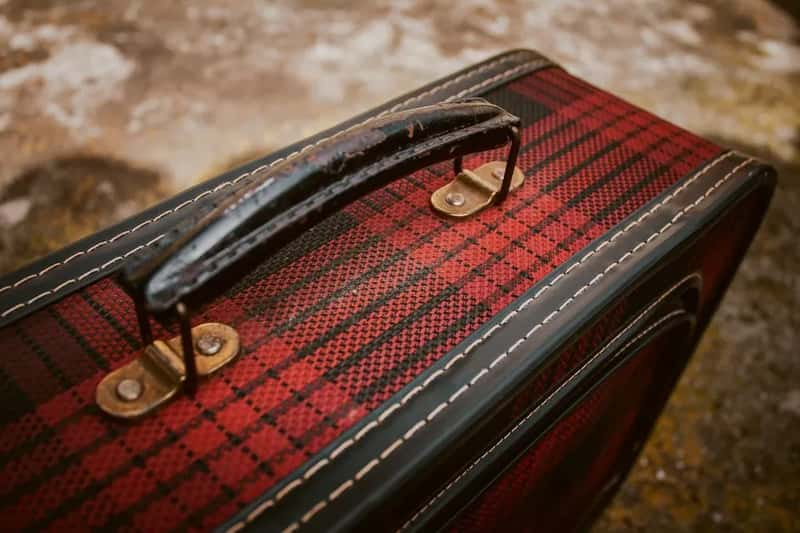
A bag that has been through dozens of trips doesn’t have the same strength it started with. Poorly made or old luggage is far more apt to break than newer, high quality suitcases.[8] Even a good case loses some resilience as it wears.
The advice is consistent across sources. If a bag is old or worn, it’s more likely to be damaged and should be replaced.[4] Spending a bit more on sturdier construction tends to matter more than choosing a trendy color.
International Trips and Busy Airlines Show Different Numbers
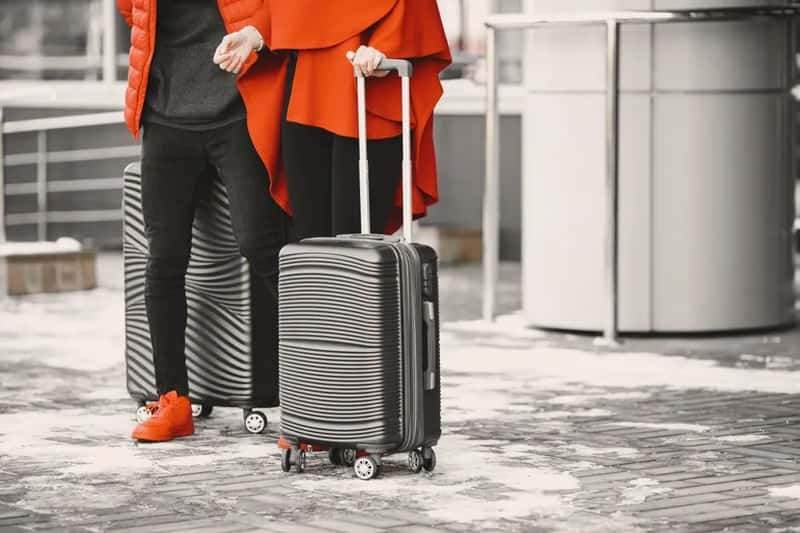
Where you fly changes your odds. SITA found that the global mishandled rate for international flyers was about nine bags per thousand passengers in 2025, compared with under two for domestic flyers[10]. The group explained that international journeys involve more transfers, more handlers and tighter connection windows[10].
U.S. government data adds another layer. U.S. airlines mishandled 1,052,493 bags from January to June 2026, or 0.49 per 100 bags enplaned[11]. American Airlines had the highest rate among major carriers at 0.73[12], while Allegiant posted just 0.12[12]. Keep in mind that the category covers checked luggage that is lost, damaged, delayed or pilfered[13], so it isn’t a pure damage count.
What to Do the Moment You Spot Damage
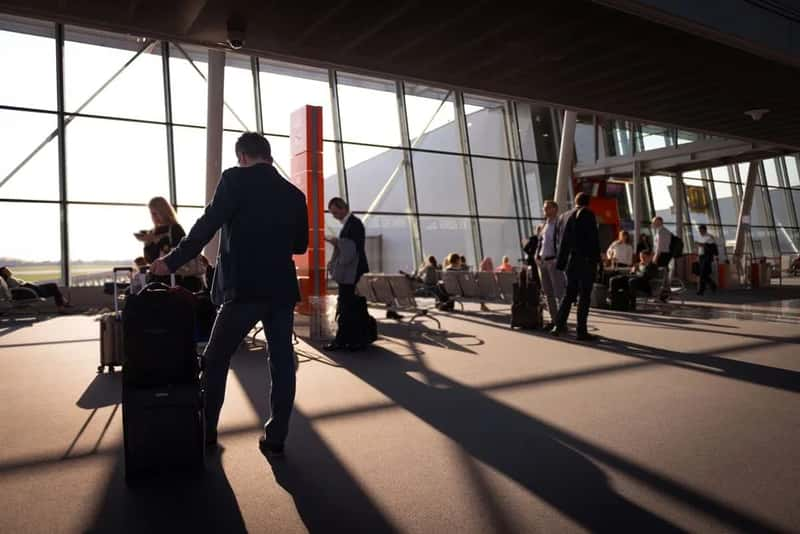
Speed matters more than most people expect. Find your carrier’s baggage service office right after arrival[14], because it gets harder to prove the airline caused the damage once the bag leaves the airport[14]. Take photos and keep your claim reference number.
Deadlines are strict on international trips. Under the Montreal Convention, complaints must be made in writing within seven days of receiving damaged checked baggage.[15] Liability is capped at 1,519 special drawing rights per passenger[15], so compensation has limits even when your claim is accepted.