Moving abroad usually means rethinking every part of daily life, but healthcare tends to be the detail people research last and regret not researching first. Some countries fold expats into a public system almost as generously as citizens, while others leave newcomers facing private insurance bills that rival a mortgage payment. The gap between the two extremes is bigger than most people expect, and it can shape where a retiree, remote worker, or relocating employee decides to settle.
United Kingdom: the NHS covers you from day one

Once a visa is granted, most migrants gain access to the National Health Service on largely the same footing as a permanent resident. Payment of the Immigration Health Surcharge allows the visa holder to access NHS services during the period of valid immigration permission, on broadly the same basis as permanent UK residents for the duration of their immigration permission, subject to NHS charging rules. That surcharge, not a separate insurance premium, is what unlocks the system.
The cost is real but predictable. As of June 2026, the Immigration Health Surcharge is £1,035 per adult per year on most UK visa routes, and £776 per year for students and child dependants. Once that fee is paid upfront, GP visits, hospital stays, and emergency care come at no extra charge, though dental, optical, and prescriptions still carry their own small fees.
Brazil: universal care written into the constitution

Brazil treats healthcare as a right rather than a privilege tied to citizenship. Article 196 of the 1988 Constitution makes healthcare a duty of the state, and any expat with a CRNM or a tourist visa has the right to emergency treatment in the public system at no cost. That extends well beyond emergencies into routine and even complex care.
Getting registered is refreshingly simple. Expats can register for SUS coverage with no waiting period, needing only a Cadastro de Pessoas Físicas (CPF) and a National Migratory Registry Card. Many expats still buy private plans for shorter waits and English-speaking doctors, but the public option remains genuinely free and comprehensive for anyone with legal residency.
Spain: public coverage once you’re a legal resident

Spain’s Sistema Nacional de Salud is one of Europe’s most respected public systems, and legal residents who contribute to social security, or who are registered as employed or self-employed, generally gain access to it at no direct cost for consultations, hospital stays, and surgeries. Retirees moving from certain EU countries can often transfer their entitlement through an S1-type arrangement rather than paying into the Spanish system separately.
Non-working residents from outside these arrangements typically need to either pay a modest monthly convenio especial fee or hold private insurance until they qualify for full public coverage. Even so, the out-of-pocket burden in Spain remains far lighter than in many other Western countries, and public hospitals are generally well regarded for both quality and accessibility.
Portugal: low-cost, low-barrier access to the SNS
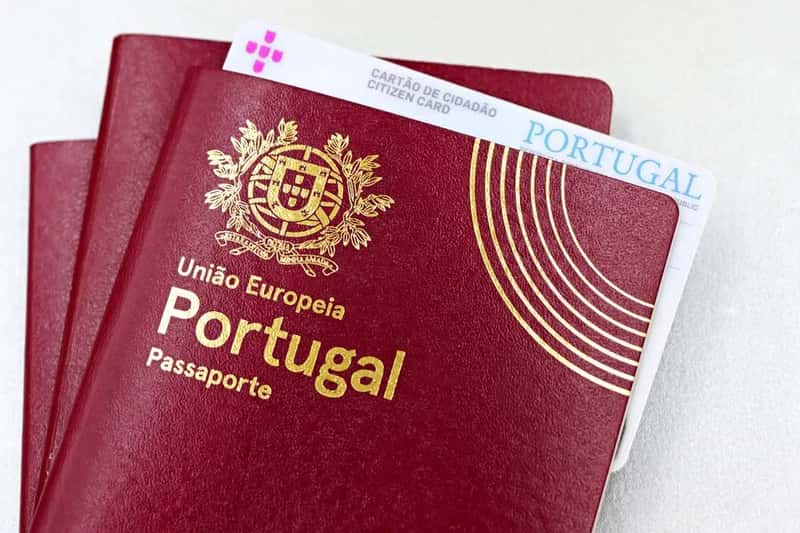
Portugal’s Serviço Nacional de Saúde extends to legal residents once they register with their local health center (centro de saúde) using proof of address and residency status. Consultations and hospital care come with only small co-payments for most residents, and those payments are often waived for pensioners, children, and lower-income groups.
Golden Visa investors, digital nomads, and retirees on the D7 visa typically need private insurance during the early stages of their residency process, but that requirement usually fades once residency is formalized. The overall cost of living with healthcare included remains one of the reasons Portugal continues to attract long-term expats from Northern Europe and North America.
Canada: tax-funded medicare with a waiting period

Canada’s provincial healthcare plans are famously comprehensive once you’re enrolled, covering doctor visits, hospital stays, and most necessary treatments without a bill at the point of care. The catch for newcomers is timing, since provinces such as Ontario, British Columbia, and Quebec impose a waiting period, often around three months, before new permanent residents or long-term work permit holders become eligible.
During that gap, private travel or interim health insurance is essentially mandatory, and many provinces require proof of it as part of the immigration paperwork. Once the waiting period passes, though, care becomes free at the point of use, funded through general taxation rather than premiums tied to individual usage.
Australia: Medicare, plus reciprocal deals for some nationalities

Permanent residents and citizens receive full access to Medicare, Australia’s public system, covering hospital treatment, GP visits, and subsidized medications. What makes Australia particularly interesting for expats is its network of bilateral agreements. Australia has Reciprocal Health Care Agreements with 11 countries: Belgium, Finland, Italy, Malta, Netherlands, New Zealand, Norway, Republic of Ireland, Slovenia, Sweden, and the United Kingdom, allowing their citizens to access certain Medicare services during their stay.
These agreements are not a substitute for full coverage, and most visitors from those 11 countries are still expected to carry additional private insurance for anything beyond medically necessary treatment. Depending on your country of origin, RHCA may cover medically necessary out-of-hospital care, public hospital services, and some subsidised medications under the Pharmaceutical Benefits Scheme. For citizens outside that list, Overseas Visitor Health Cover becomes a practical requirement.
New Zealand: free public care for eligible long-term residents

New Zealand extends publicly funded healthcare to residents holding a work visa valid for two years or more, treating them much like citizens for the purposes of hospital care, maternity services, and subsidized prescriptions. GP visits usually carry a modest co-payment, but hospital treatment through the public system is free at the point of delivery for those who qualify.
Shorter-term visa holders and tourists fall outside this system entirely and are expected to arrange private travel insurance before arrival. For those who do qualify, though, New Zealand’s public system offers a level of financial protection that few countries extend so readily to non-citizens.
United States: no universal system and steep private costs

The United States remains the clearest example of a country where healthcare for expats can spiral into serious expense. There is no national system covering the general population, and coverage instead runs through a patchwork of employer-sponsored plans, marketplace policies, and, for older residents, Medicare, which most working-age expats cannot access at all.
Private insurance premiums for a family can easily run into the thousands of dollars annually, and that’s before deductibles, copays, and out-of-network charges enter the picture. An uninsured emergency room visit or a short hospital stay can generate bills reaching tens of thousands of dollars, making comprehensive private insurance less an option than a necessity for anyone relocating to the US.
Switzerland: mandatory insurance with premiums that keep climbing

Switzerland has universal healthcare in the sense that everyone is covered, but nobody gets it for free. Switzerland has no free public healthcare, and all residents must buy basic insurance from a private insurer, with the average premium sitting at CHF 393.30 a month. That basic package is standardized by law, so the difference between insurers comes down to price and service rather than the coverage itself.
Costs vary sharply by canton and continue to rise most years. Premiums are set to rise by an average of 4.4% in 2026, adding roughly 200 francs to annual bills, with the increase reaching 4.9% for children and 4.2% for young adults. On top of the monthly premium, residents also pay an annual deductible and a share of treatment costs before full coverage kicks in.
United Arab Emirates: mandatory private cover across every emirate

The UAE offers no free public healthcare route for expats, and the system leans entirely on mandatory private insurance tied directly to residency status. There is no government-sponsored healthcare coverage for expats in the UAE, since citizens are covered free of charge in the public sector while all other residents are subject to mandatory minimum insurance requirements.
Basic plans exist, but comprehensive coverage climbs quickly. Basic plans start from approximately AED 320 per year under the 2026 basic package, while comprehensive plans with worldwide networks can cost AED 8,000 to 20,000 or more. Missing a renewal deadline carries real consequences too, since insurance verification is tied directly to visa and Emirates ID processing across all seven emirates.
Singapore: efficient hospitals, but expats pay full private rates

Singapore’s healthcare system is frequently ranked among the best in the world for outcomes and efficiency, but that quality comes at a price for foreign residents. The government-subsidized MediSave and MediShield schemes are built around citizens and permanent residents contributing through the national pension system, leaving most expats to rely entirely on private insurance or employer-provided plans.
Private hospital stays and specialist consultations in Singapore routinely rank among the priciest in Asia, comparable in many cases to costs in the United States. Employers sponsoring work passes often include a health insurance package as part of the compensation, which is one reason experienced expats treat employer-provided coverage as a non-negotiable part of any job offer there.
China: public enrollment barriers push expats into private care

China does operate a public insurance system, but enrollment is generally tied to local household registration and formal employment contracts, which makes it difficult for many foreign residents to access on the same terms as citizens. In practice, most expats end up relying on private international health insurance or paying directly for care at hospitals equipped to serve foreign patients.
International clinics and hospital wings in major cities such as Shanghai and Beijing offer English-speaking staff and higher-end facilities, but they charge accordingly, often at rates several times higher than local public hospitals. Without private coverage, a hospitalization or surgery can become one of the largest unplanned expenses an expat faces while living in the country.
Qatar: mandatory coverage layered with high private premiums

Qatar requires all residents, including expats, to hold valid health insurance as a condition of their residency permit, and while a national scheme exists for citizens, foreign workers are largely funneled toward employer-arranged or privately purchased plans. Basic employer coverage frequently comes with narrow hospital networks and limited benefits, pushing many expats to supplement it with additional private policies.
Private hospitals in Doha offer high standards of care, but premiums for comprehensive family coverage can be substantial, particularly for older dependents or those with pre-existing conditions. Combined with strict visa-linked insurance requirements, healthcare in Qatar ends up being one of the more predictable but consistently expensive line items in an expat’s annual budget.