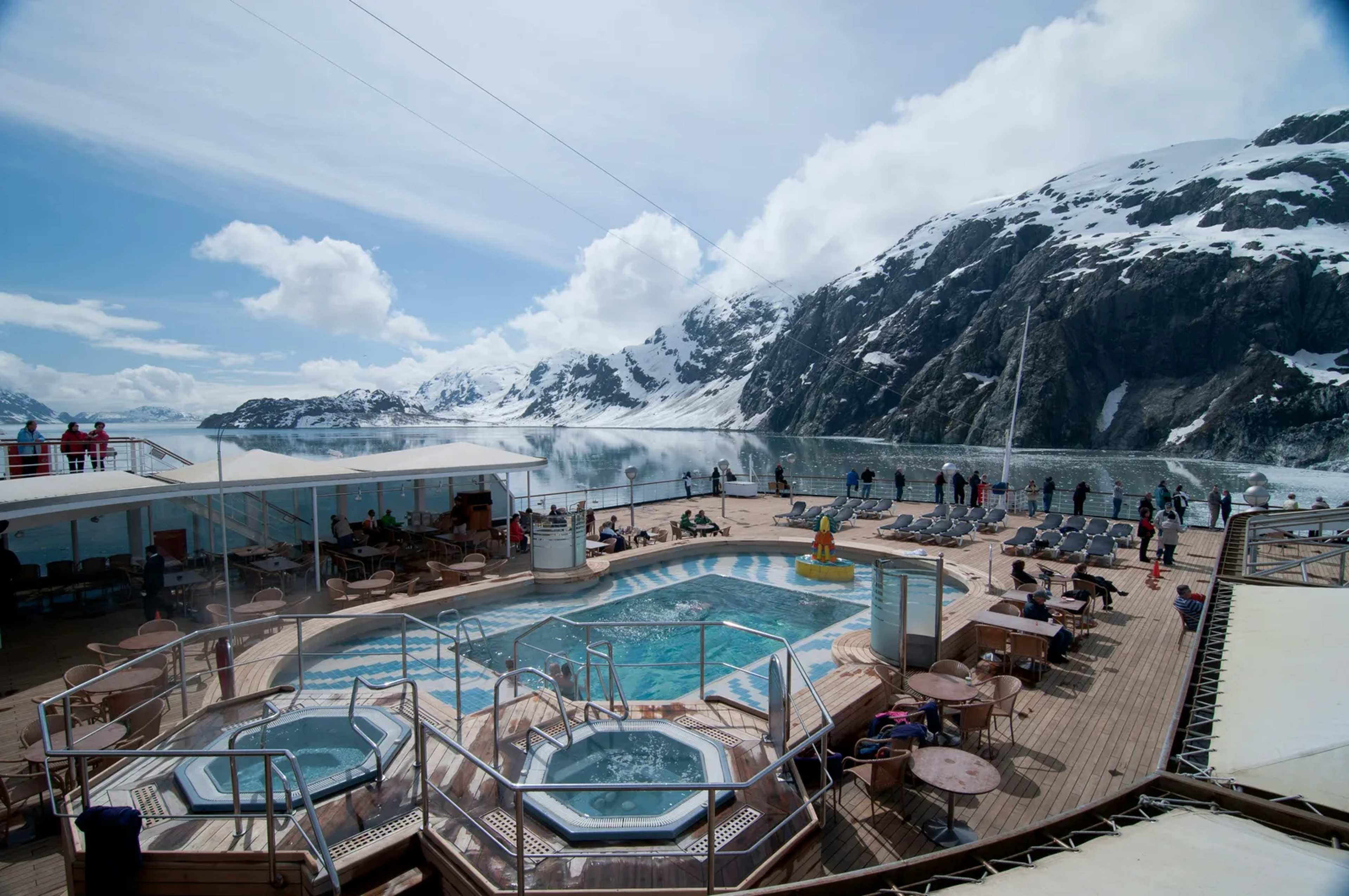
Alaska’s vast wilderness sets it apart from typical cruise destinations, drawing travelers eager to witness glaciers, wildlife and frontier history rather than beaches or cityscapes. The 49th state holds half the national park land in the United States, which means most itineraries mix time on the water with exploration of remote ports and rugged terrain. Preparation makes the difference between a surface-level visit and a deeper connection with the place.
Pick the Right Vessel for Your Style
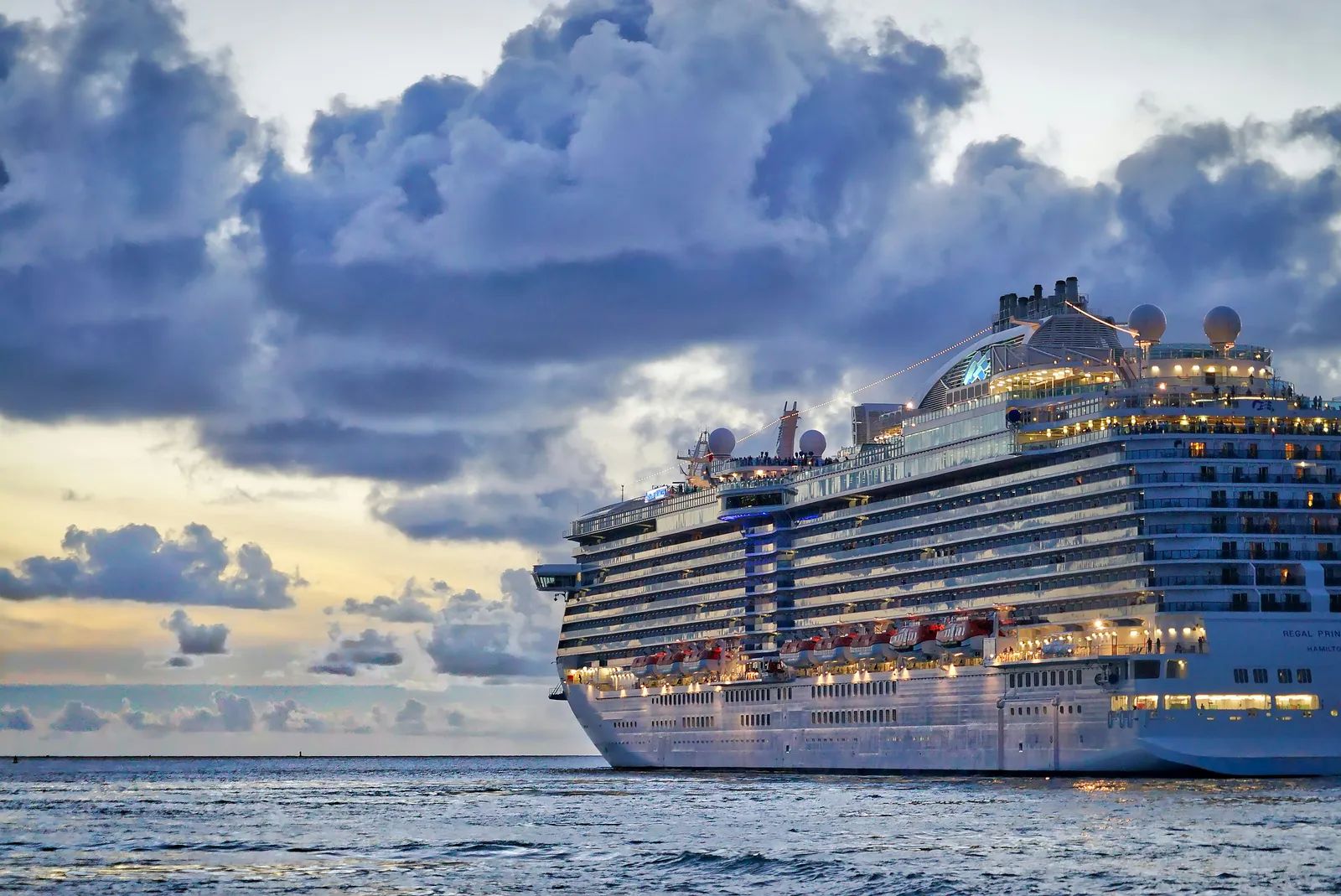
Ship size shapes every aspect of an Alaska cruise, from onboard entertainment to the ports reached. Large vessels with thousands of passengers suit those who enjoy casinos, shows and familiar stops such as Juneau or Ketchikan. Smaller ships, by contrast, reach quieter wilderness areas and offer more intimate encounters with nature. Lines focused on adventure, including UnCruise Adventures and Alaskan Dream Cruises, dedicate entire weeks to remote stretches where bigger ships cannot go. Travelers should weigh whether they prefer structured activities on board or the chance to slip into less-visited bays and inlets. The choice ultimately determines how much of Alaska’s scale feels accessible.
Time Your Trip and Book Ahead
Peak season runs from late May through Labor Day, when towns and attractions operate at full capacity. Shoulder periods in spring and fall bring lower fares and thinner crowds, along with the chance to observe wildlife and communities emerging from or preparing for winter. Those months also require warmer layers and flexible expectations about weather. Because demand stays high and most passengers fly long distances to reach departure cities, cabins on popular ships sell out early. Booking six months to a year ahead, and watching for early-bird offers, helps secure better choices and avoids last-minute limitations.
Handle Connectivity, Costs and Protection
Cell service fades quickly along remote stretches of the Inside Passage, and onboard Wi-Fi speeds vary. Purchasing a package before sailing usually costs less than buying at sea, and it helps set realistic expectations for staying in touch. Drinks, specialty meals and extras add up fast when days at sea outnumber port calls. Bundling these items often delivers better value than paying individually. Travel insurance deserves similar attention because of the long flights involved and the higher overall cost of an Alaska sailing. Comparing independent policies before departure can prevent gaps in coverage for delays, cancellations or medical evacuations from remote areas.
Choose Comfortable Quarters and Arrive Early
A balcony cabin turns the ship itself into a front-row seat for passing scenery. Waking to fresh air and open views of snow-capped peaks or calving ice offers a quiet magic that shared decks cannot match. Mid-ship, lower-deck locations also reduce motion for anyone prone to seasickness, though the Inside Passage itself tends to stay calm. Arriving in the embarkation city a day or two ahead removes the risk of flight delays ruining the start of the trip. Seattle and Vancouver both reward extra time, while those flying directly into Alaska can explore Anchorage’s museums before boarding.
Pack Layers, Plan Excursions and Extend the Journey
Alaska weather shifts quickly, so multiple layers, sturdy shoes, rain gear and insect repellent belong on every packing list. Binoculars help spot distant wildlife, and a swimsuit comes in handy for heated pools or hot tubs under the midnight sun. The most memorable experiences often lie outside port towns. Advance reservations for floatplane flights, glacier hikes or whale-watching tours secure spots on popular outings before they fill. Extending the trip with a cruisetour adds inland highlights such as Denali National Park or the Canadian Yukon. Local seafood, reindeer sausage and regional beers round out the sense of place once back on land. Veteran travelers return because each voyage reveals new details in a landscape that refuses to be fully known in a single pass.