No single global survey ranks which countries visitors fear most for natural disasters, so this list rests on the evidence we do have. That evidence is disaster risk indices, high-profile events from recent years, and research on how travelers perceive risk. Some of these places are statistically hazardous. Others carry a reputation that outweighs the day-to-day danger.
That gap matters. Research on tourism describes travel risk perception as a stronger factor in choosing a destination than the risks that actually exist.[1] So fear and real risk don’t always match, and the seven countries below show both sides.
1. The Philippines
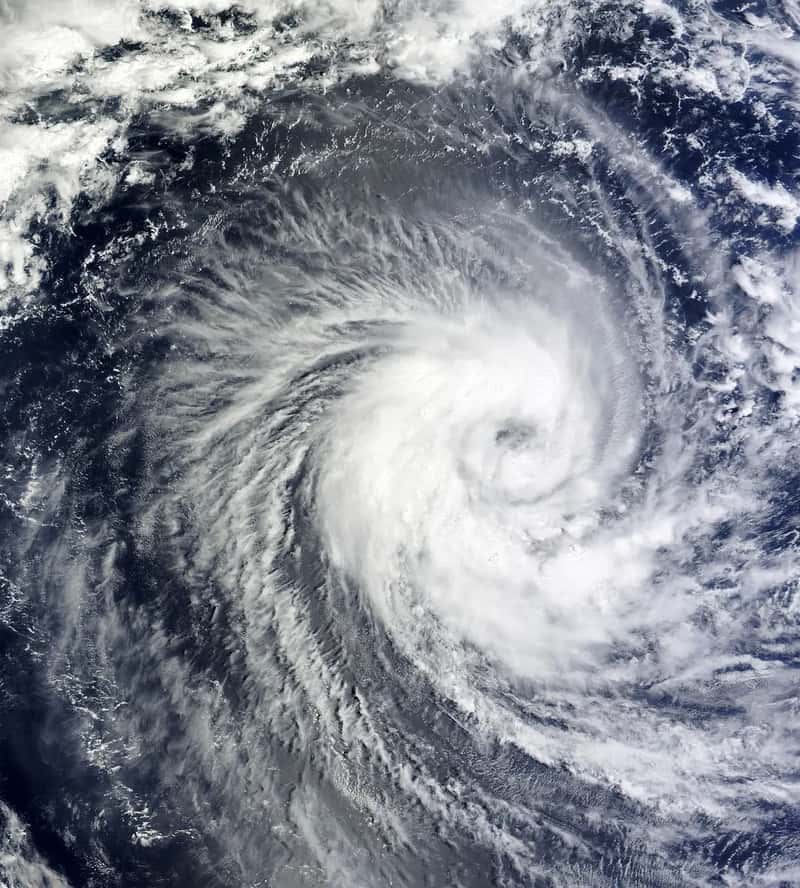
The Philippines leads the 2025 WorldRiskIndex. It scored 46.56, ahead of India and Indonesia.[2] The report points to the country’s high geographic fragmentation and heavy exposure to weather-related extremes.[3] That means a lot of islands, and a lot of coastline in the path of storms.
Typhoons and floods are the main worry. Coverage of the ranking highlights flood risks, typhoons and climate change impacts as the key drivers.[4] For travelers, the practical lesson is to watch weather forecasts closely and keep itineraries flexible when island hopping.
2. India
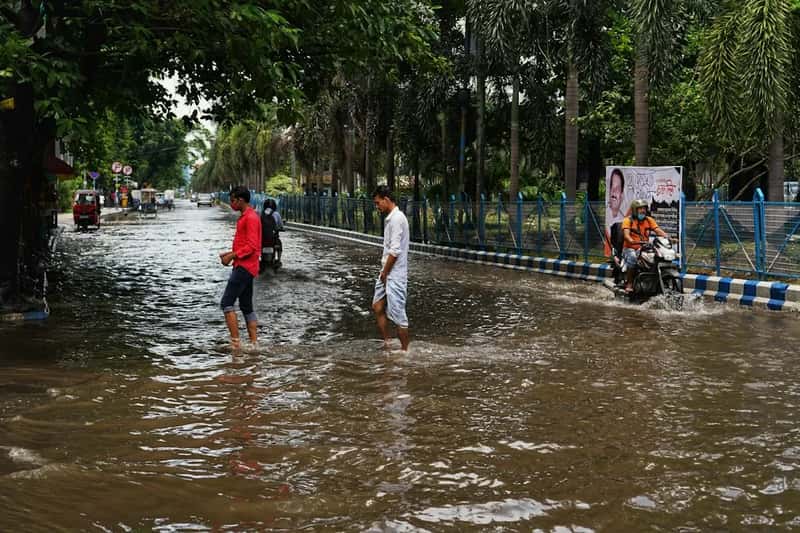
India ranks second in the 2025 index. Indonesia and India swapped places this year, which put India at number two worldwide.[5] Its score was 40.73.[2] The index looks at exposure and vulnerability together, so the ranking reflects both hazards and how well a population can cope.
The 2025 report focuses on floods, which are a useful lens here. Floods are among the most frequent and devastating extreme natural events, and between 2000 and 2019 they affected more than 1.6 billion people worldwide.[3] Statista also counted 16 natural disasters in India in 2025.[6] That is a big country, though, and conditions vary widely by region and season, so local advice beats blanket fear.
3. Indonesia
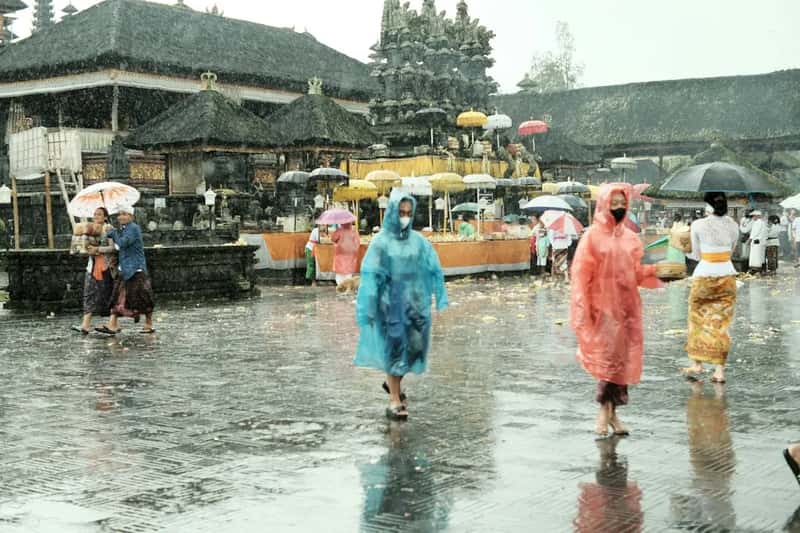
Indonesia sits third on the 2025 index. Its score was 39.80.[2] Its risks include flooding, volcanoes, earthquakes and severe droughts, and it has more volcanoes than any other country.[7] Those are the hazards that make travelers pause before booking.
History adds to the anxiety. The 2004 tsunami and earthquake in Indonesia killed 292,000 people, according to a tourism disaster study.[8] More recently, Statista counted 20 natural disasters in Indonesia in 2025, second only to the United States.[6] An insurer’s study also flagged flooding at a Bali water park. It cited a large amount of land projected to fall below annual flood level by 2030.[9]
4. Mexico
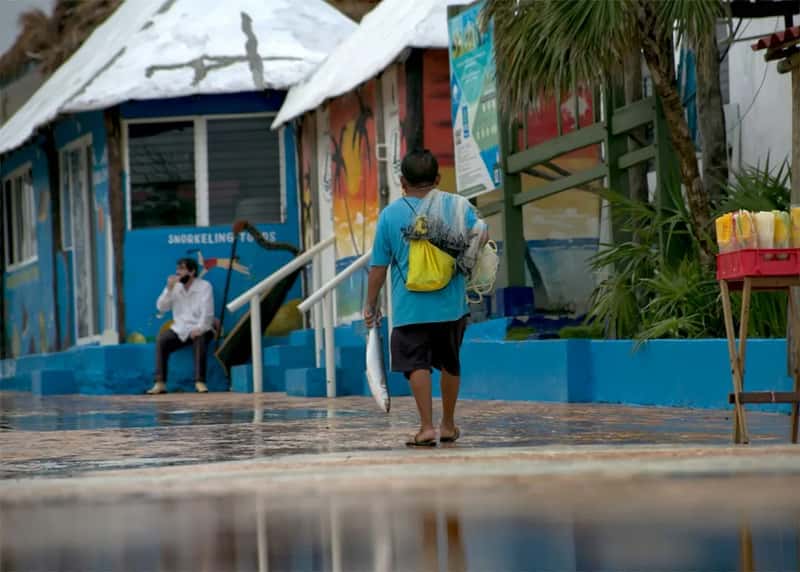
Mexico is also in the top tier of the 2025 index. It is among the ten highest-risk countries, alongside the Philippines, India, Indonesia and Colombia.[5] The index measures exposure to earthquakes, tsunamis, floods, cyclones, droughts and sea level rise.[3] Mexico’s position in earthquake and hurricane regions is well known among travelers.
Still, fear doesn’t hit everyone equally. One study found that “natural risk adverse” tourists tend to change their plans if a destination was hit by a natural hazard, yet may still consider places with other kinds of risk.[10] For Mexico, that means timing matters, especially for hurricane season. Checking official forecasts before and during a trip is the sensible response.
5. Japan
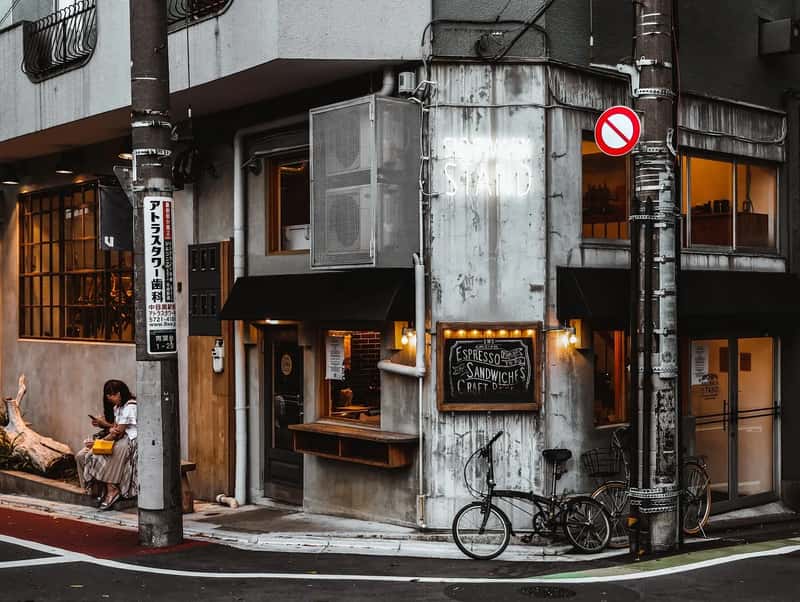
Japan’s fear factor jumped in August 2024. The Japan Meteorological Agency issued its first ever “megaquake advisory” after a magnitude 7.1 quake off Kyushu.[11] The warning came with a notable caveat. The agency said the likelihood of a new major quake was higher than normal, but that this did not mean one would definitely occur.[12] The advisory ended a week later.[13]
Travelers reacted. The South China Morning Post reported a surge in travel cancellations and calls for earthquake guidance aimed at tourists.[14] The longer-term risk is real. The government has said a magnitude 8 to 9 Nankai Trough quake has roughly a 70 percent chance of striking within 30 years.[15] Yet even larger tremors usually have a contained impact, thanks to advanced building techniques and well-practised emergency procedures.[16]
6. Iceland
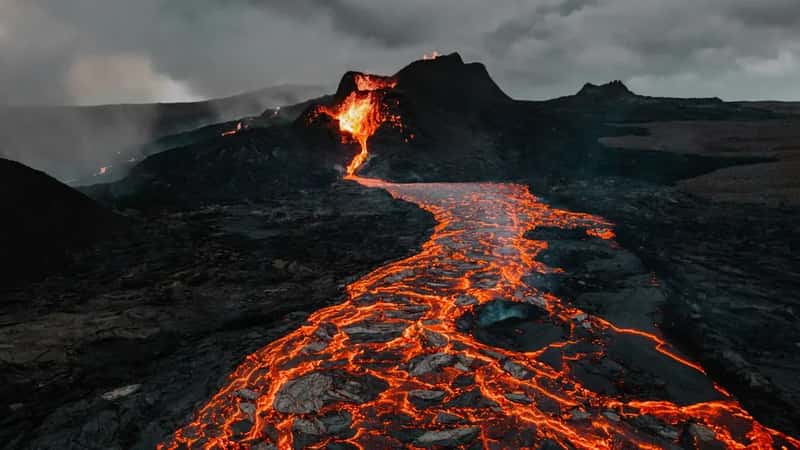
Iceland’s reputation for eruptions makes some visitors nervous. Nine eruptions have occurred in the Reykjanes sequence, all near the magma dike formed in November 2023.[17] The most recent ran from July 16 to August 5, 2025.[18] Magma continues to accumulate beneath the Svartsengi area, so future eruptions are possible.[18]
The picture for tourists is less alarming than the headlines suggest. Unlike the 2010 Eyjafjallajökull eruption, Reykjanes fissure eruptions produce lava flows with minimal ash.[18] One travel guide notes that no one has been killed or injured by the eruptions themselves.[19] Grindavík is the exception to normal travel. Visitors should check the Icelandic Meteorological Office and Civil Protection Authority for alert levels and exclusion zones.[20]
7. Thailand
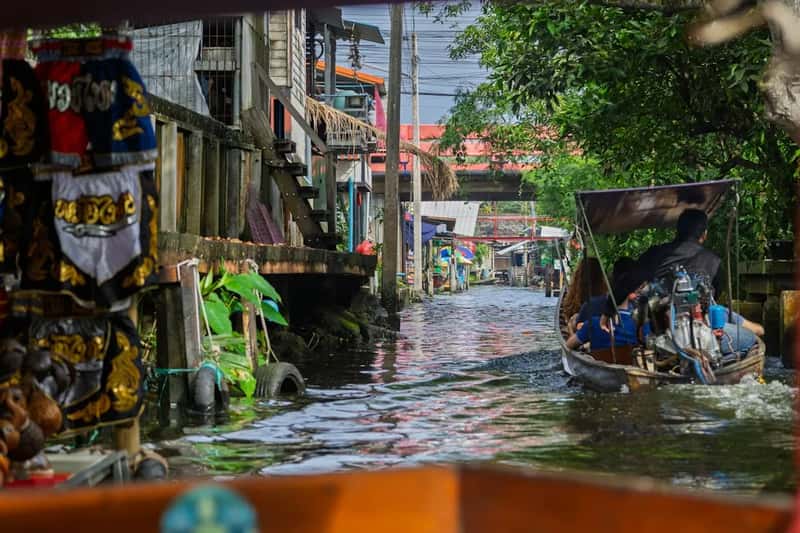
Thailand’s concerns are more about floods and heat than dramatic single events. In an insurer’s analysis of tourist attractions, Bangkok’s Grand Palace placed fifth, with a small amount of land projected below annual flood level by 2030 and heat reaching up to 105.8 °F.[9] That study is a commercial analysis, so it’s best read as a rough indicator, not a verdict.
Researchers have also looked at how disasters shape tourist attitudes there. One paper on Thai eco-destinations examined how timely responses by authorities can limit the chaotic post-disaster situation and the development of “tourophobia.”[21] It also stresses that destination reputation and crisis communication help maintain tourists’ trust.[21] In other words, how a country handles a crisis can shape fear as much as the hazard itself.
Natural hazards are real in all seven of these countries, but they rarely cancel a well-planned trip. Risk indices like the WorldRiskIndex weigh society’s vulnerability as well as the hazards, and the people who live there deal with these conditions every day. The realistic goal for a visitor is to stay informed.
Check official alerts, buy sensible insurance, and follow local guidance when conditions change. One travel writer’s advice after Japan’s 2024 advisory sums it up well. If information isn’t available in your language, do what hotel staff and local people are doing, because they have prepared for disasters all their lives.[14]