A woman steps outside in Reykjavik wearing whatever she likes, and nobody notices. A woman steps outside in Tehran with her hair showing, and a patrol car might already be watching. The distance between those two mornings is not geography so much as law, and it says a lot about how differently governments still treat something as basic as clothing.
What follows is a look at seven places where a woman’s outfit can trigger arrest, fines, or years behind bars, paired with two countries where no such law exists at all. The contrast is not subtle, and it is worth understanding in detail.
Iran: the hijab and chastity law
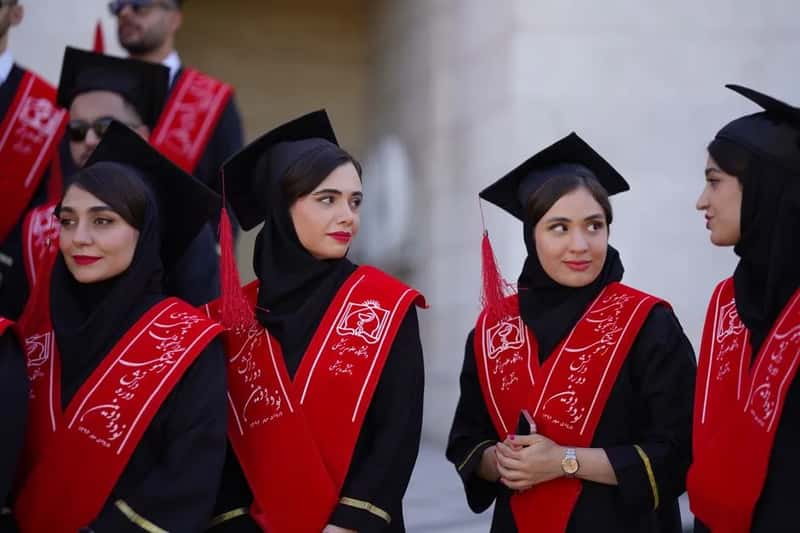
Iran’s dress code enforcement reached a new level of severity with the “Law to Support the Family through Promoting the Culture of Chastity and Hijab,” approved by the Guardian Council and approved earlier in the year, with the Speaker of Parliament announcing in late November 2024 that it would take effect on 13 December 2024. Under the legislation, nudity in public or online leads to immediate detention and prosecution with up to 10 years in prison or a fine of up to 12,000 dollars, and repeat offenders can face up to 15 years in prison. Implementation has been paused amid domestic pushback, but the underlying penal code provisions on hijab remain active.
Real cases show the law is not theoretical. A Tehran woman who confronted a man harassing her on the street was summoned by judicial authorities for a hijab violation, arrested, released, then re-arrested and taken to Qarchak Prison. Legal aid groups told UN investigators they were handling “thousands” of hijab-related court cases between September 2022 and January 2024, a volume described as much higher than in previous years. Enforcement has eased at times under public pressure, yet the legal machinery for prison sentences has not been dismantled.
Afghanistan: the Taliban’s expanding morality rules

Since regaining power, Taliban authorities have layered decree upon decree onto women’s daily lives, and dress sits at the center of nearly all of them. An August 2024 morality law required women to always veil their bodies in public, with a face covering deemed necessary and clothing that should never be short, thin, or tight. Enforcement has been active rather than symbolic, with entire cities seeing sweeps of detentions.
In Herat, a June 2025 crackdown saw the UN report that at least 30 women were arrested or detained over the course of a week for allegedly violating a new dress code, with Taliban morality police enforcing a June directive. The order specified that women appearing in public without a “proper hijab,” including those showing their faces or wearing makeup, would face punitive measures. Protests against the crackdown were met with force, underlining how seriously the rule is enforced at street level.
Indonesia’s Aceh province: Sharia by the coastline
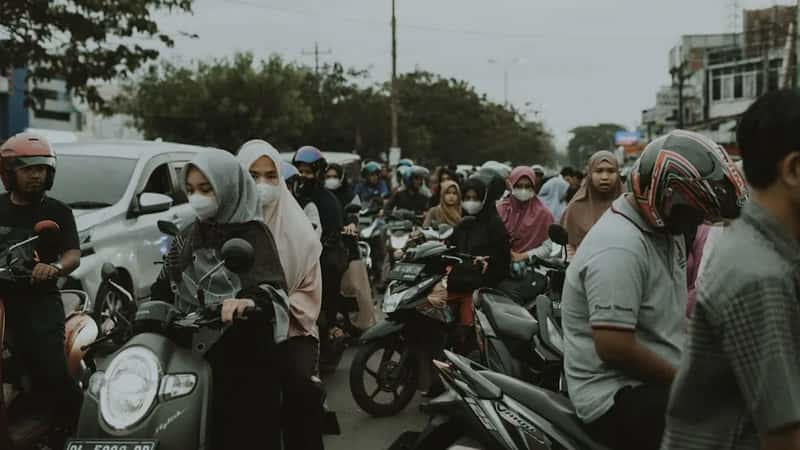
Aceh stands apart from the rest of Indonesia as the only province permitted to enforce Islamic criminal law, known locally as Qanun Jinayat. Under this system, caning is the prescribed punishment for offenses including alcohol consumption, gambling, adultery, and dress-code violations. A dedicated Sharia police force, the Wilayatul Hisbah, monitors public behavior and enforces the rules, including the clothing women choose to wear.
The scale of enforcement is not small. In the first full year the laws took effect, 339 people, including 39 women, were caned, and public floggings have continued in the years since, with local officials reporting strong community support for the practice. Non-Muslims are technically exempt from caning, though the province’s dress expectations shape daily life for nearly everyone living there.
Northern Nigeria: Hisbah boards and Sharia states
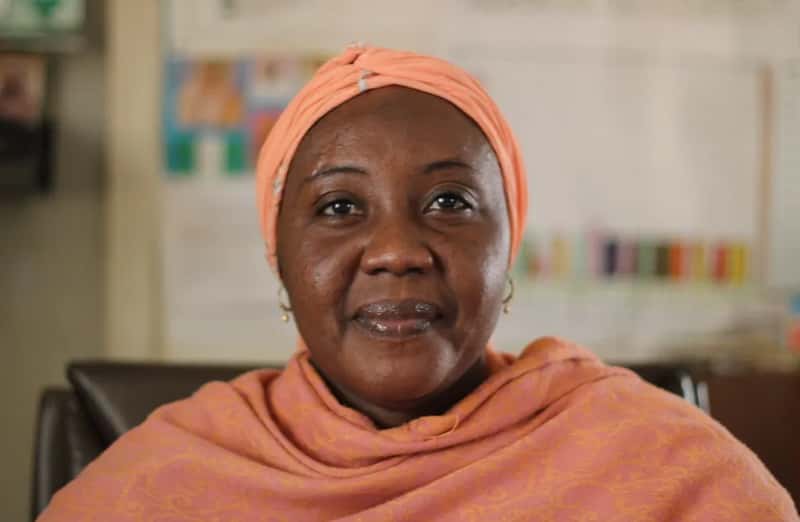
Since the early 2000s, roughly a dozen states in Nigeria’s mostly Muslim north, including Zamfara, Kano, and Sokoto, have adopted Sharia-based penal codes that run alongside federal law. These states maintain Hisbah boards, informal religious enforcement units tasked with monitoring public morality, including how women dress in markets, motor parks, and other public spaces.
Penalties for noncompliance vary by state and by the discretion of local officials, ranging from public warnings and fines to short periods of detention for repeat offenders. The system operates unevenly, with enforcement tightening or loosening depending on local political leadership, but the underlying legal framework for punishing dress-code violations has remained in place for more than two decades.
Somalia: al-Shabaab’s rule by fear
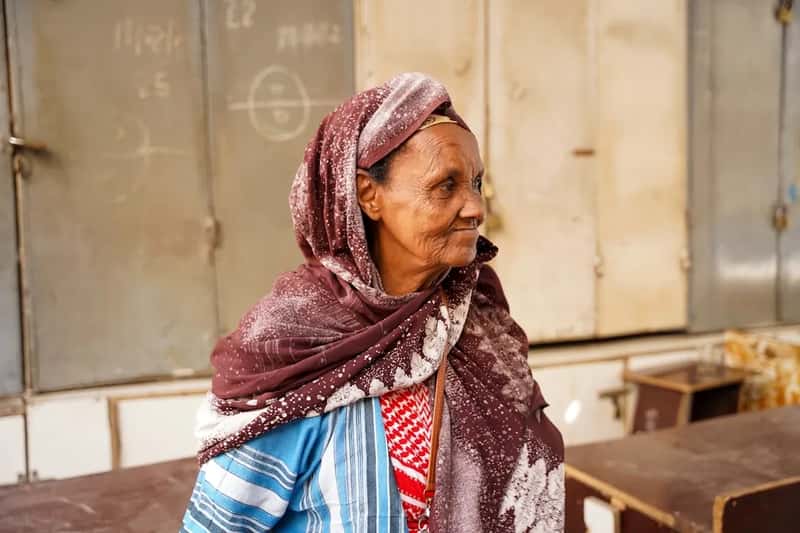
In large stretches of southern and central Somalia still under the control of the militant group al-Shabaab, women live under a rigid interpretation of Islamic dress rules imposed outside any formal state legal system. Full-body covering, including the niqab, is expected in areas the group administers, and local commanders enforce compliance directly rather than through courts.
Women who defy these expectations risk detention, public flogging, or worse, according to years of reporting from humanitarian and rights organizations operating in the region. Because al-Shabaab functions as a parallel authority rather than a recognized government, its punishments fall outside ordinary judicial protections, which makes the consequences for women even less predictable.
Yemen: Houthi-controlled areas and the niqab mandate
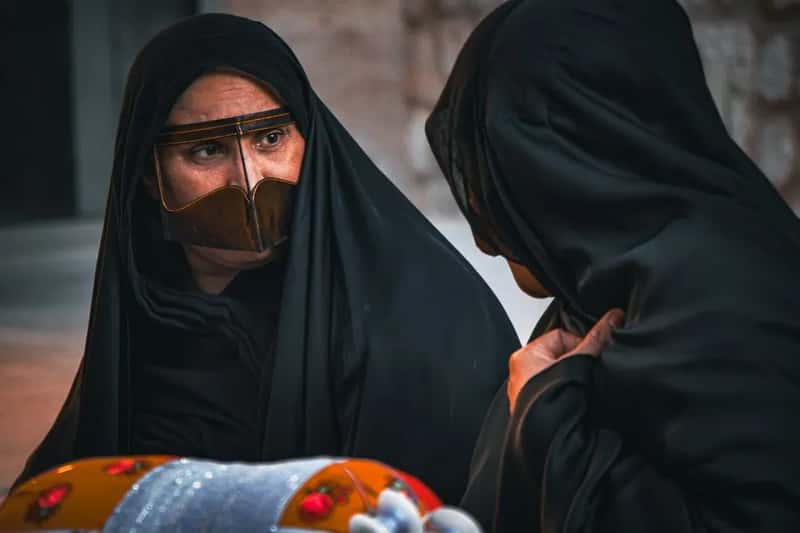
In the northern and western parts of Yemen governed by the Houthi movement, authorities have steadily tightened restrictions on how women appear and move in public. Directives issued by Houthi morality committees have pushed women toward full-face covering, and in some cities have restricted travel without a male guardian, echoing patterns seen elsewhere in the region.
Rights monitors have documented cases of women being stopped, questioned, or briefly detained for what officials deemed inappropriate attire. The enforcement is inconsistent across districts, shaped heavily by local commanders, but the trend over recent years has moved toward stricter, not looser, control.
Brunei: the Syariah Penal Code
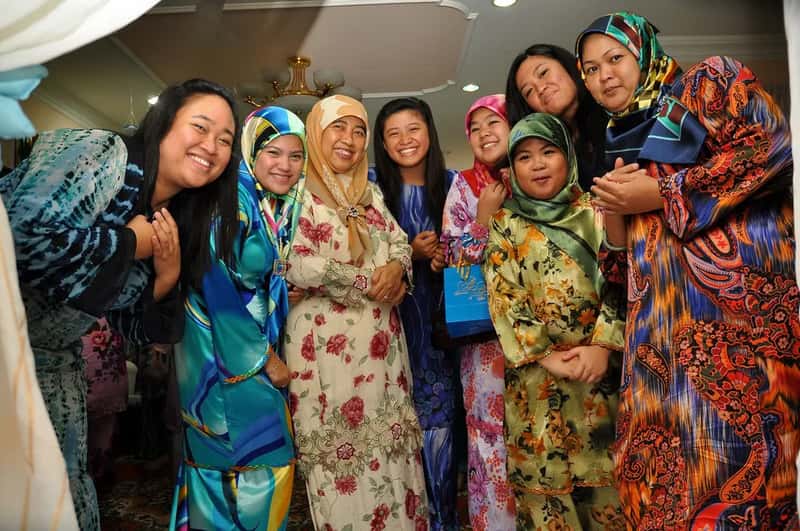
Brunei rolled out its Syariah Penal Code in phases between 2014 and 2019, layering Islamic criminal law over the country’s existing legal system. The code includes broad provisions on indecency and public morality that extend to how Muslim women are expected to dress in government buildings, schools, and other official settings.
Violations tied to indecent exposure or improper dress can trigger fines or short prison terms, depending on how the offense is classified by Syariah courts. Enforcement in daily life tends to be lighter than the code’s language suggests, but the legal architecture allowing imprisonment for dress-related offenses remains firmly on the books.
Iceland: no laws, no morality police

Iceland offers about as sharp a contrast as exists. There is no legal dress code for women, no religious police, and no statute dictating what a woman can or cannot wear in public, at work, or anywhere else. This absence of restriction is not incidental; it reflects a broader legal culture built around personal autonomy.
That culture shows up clearly in the numbers. Iceland has led the World Economic Forum’s Global Gender Gap Index for 16 consecutive years, closing 92.6 percent of its gender gap and remaining the only economy to have closed more than 90 percent since 2022. Political and legal equality of this kind tends to go hand in hand with an absence of state control over something as personal as clothing.
Sweden: equality written into everyday life
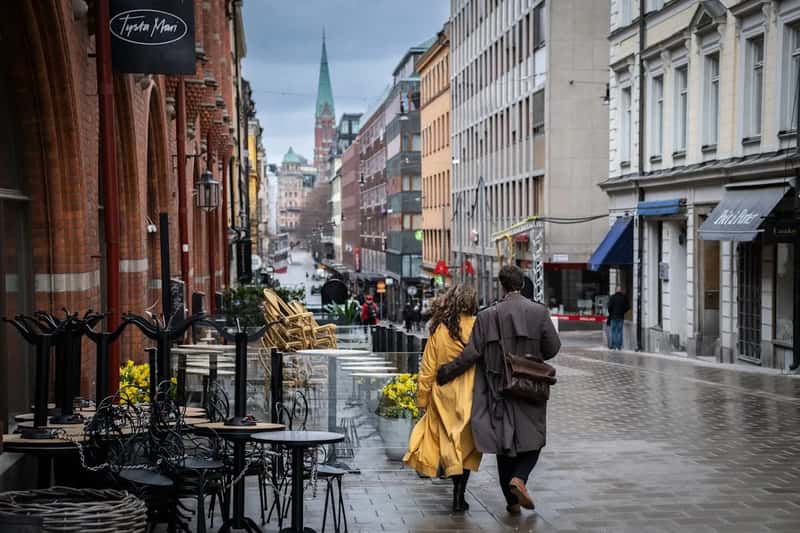
Sweden shares Iceland’s approach in practice if not in ranking. Women dress however they choose, whether that means a hijab, a sundress, or a business suit, without any legal framework monitoring or punishing their choices. The country’s laws focus on protecting individual expression rather than regulating it.
This is reflected in Sweden’s long-standing position among the world’s most gender-equal nations. Sweden has ranked in the top 10 of the Global Gender Gap Index in every edition since 2006, alongside Iceland, Finland, and Norway. The absence of dress mandates fits a wider pattern in Nordic countries, where legal systems tend to treat personal appearance as exactly that, personal.
The gap between these two groups of countries is not just legal but philosophical. In one set, a woman’s body and wardrobe are treated as matters of state interest, subject to policing, fines, and prison time. In the other, they simply are not, and that difference shapes daily life for millions of women in ways that rarely make headlines until something goes wrong. Watching how these laws shift over the next few years, particularly in Iran and Afghanistan, will say a great deal about where the broader trend is heading.