Travel freedom is no longer evenly distributed around the globe. Some people can breeze through borders with barely a stamp, while others face endless visa queues and rejections. Your passport is more than just a document. It’s a key that either opens doors or closes them before you even step outside.
The world is seeing a major shift in who gets to move freely. What was once a privilege dominated by Western nations now belongs increasingly to Asian and European countries that have invested in diplomatic cooperation and visa agreements. For people holding less powerful travel documents, the difference is dramatic and life altering.
Singapore Claims the Top Spot
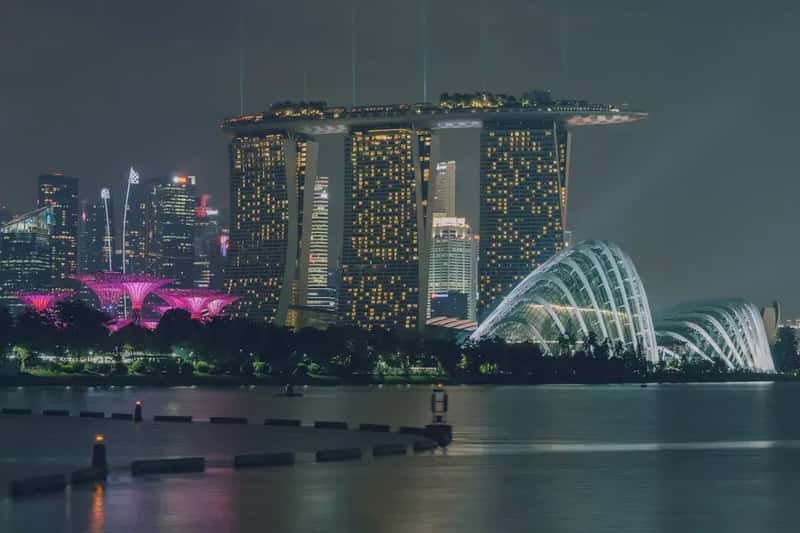
Singapore held the top position as the world’s most powerful passport, granting visa-free access to 195 out of 227 destinations worldwide, according to the 2025 Henley Passport Index. This isn’t just luck. Asian countries like Japan and Singapore have dominated the top positions for the last five years, reflecting decades of careful diplomacy and robust international relationships. It’s hard to overstate how much this access matters for business, education, and personal freedom.
Japan Secures Second Place

Japan ranks second with an open door to 193 destinations, a position strengthened recently by regaining visa-free access to China after 2020 pandemic lockdowns. The Japanese passport represents consistency and trust on the global stage. Citizens holding this document benefit from smooth border crossings and opportunities that many can only dream about.
South Korea Ties for Third
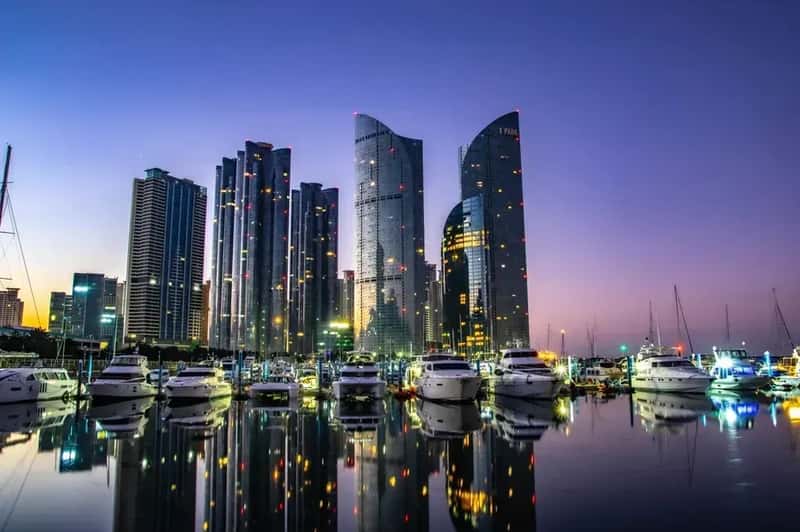
South Korea shares third place, granting passport holders the ability to visit 192 destinations without needing a visa. The country’s rise in passport power mirrors its broader economic growth and cultural influence worldwide. Korean travelers enjoy remarkable mobility, a testament to Seoul’s proactive international engagement over recent decades.
France Ranks Among Europe’s Elite

France is among the four European countries that share third place, with each granting passport holders access to 192 destinations without needing a visa. Paris has long maintained strong diplomatic ties across continents, and the French passport reflects that global reach. Travel for French citizens remains remarkably unrestricted, whether for work, study, or leisure.
Germany Matches France in Power
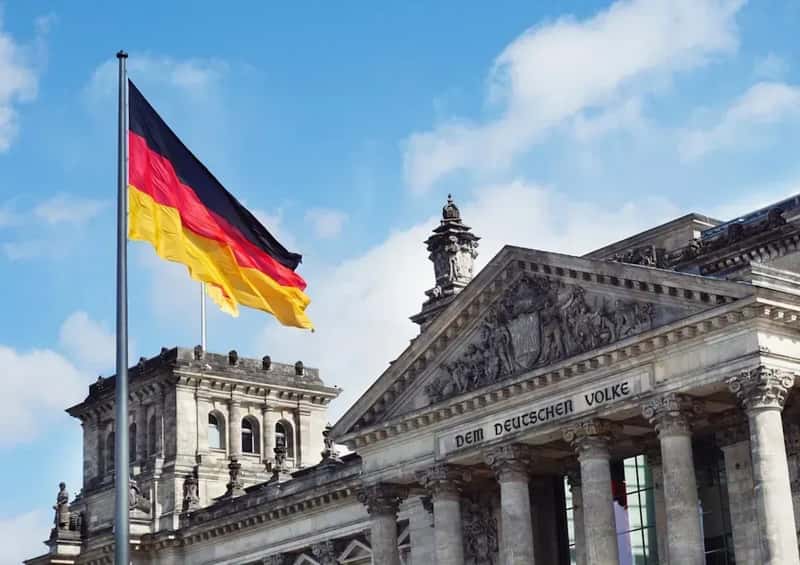
The German passport offered holders visa-free or visa-on-arrival access to a total of 193 countries as of mid-2024 data, placing it among the strongest in Europe. Germany’s economic strength and diplomatic influence translate directly into freedom of movement for its citizens. This passport opens nearly every door worldwide, a remarkable privilege in today’s fractured landscape.
Italy Joins the European Leaders
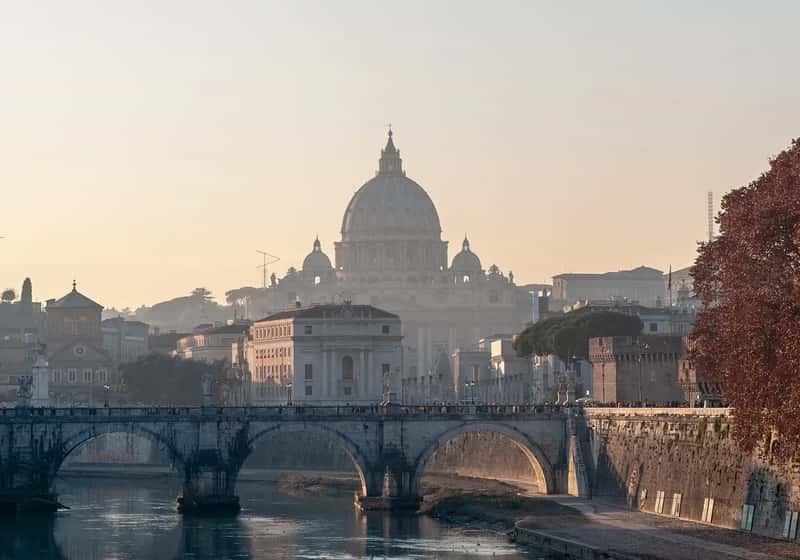
The Italian passport offers holders visa-free or visa-on-arrival access to 193 countries, matching Germany’s reach. Rome’s historical ties and European Union membership provide Italians with exceptional travel flexibility. The ability to cross borders freely isn’t just convenient – it shapes opportunities for education, business expansion, and personal growth.
Spain Rounds Out the Top Seven

Spanish passport holders enjoy visa-free or visa-on-arrival access to 193 countries, cementing Spain’s position among the world’s travel elite. Madrid’s extensive network of bilateral agreements and EU membership give Spanish citizens remarkable global reach. For travelers holding this passport, the world genuinely feels more accessible and welcoming.
Afghanistan Ranks Dead Last
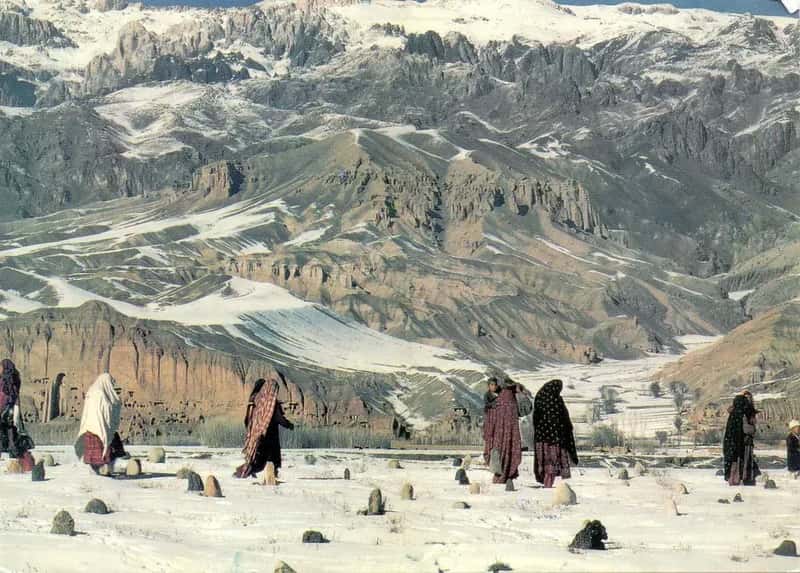
Afghanistan is deemed to have the weakest passport on the list, granting access to only 26 out of 227 destinations. Decades of conflict, political instability, and the Taliban’s return to power have isolated the country diplomatically. The average Afghan earns barely 415 US dollars a year, and unemployment hovers around 13 percent, with two decades of war and near collapse of formal governance. For Afghan citizens, international travel remains a distant luxury most will never experience.
Syria Faces Severe Restrictions
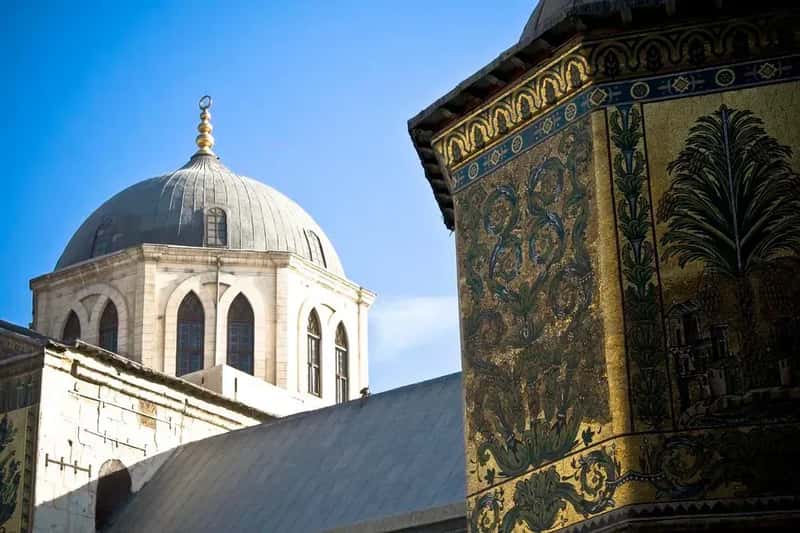
Syria offers visa-free access to only about 30 countries, placing it near the bottom of global rankings. The nation has experienced prolonged conflicts and continues to deal with the aftermath of war and terrorism. Syrian passport holders face constant barriers abroad, making even basic travel for work or family nearly impossible without extensive documentation and approvals.
Iraq Struggles With Limited Access
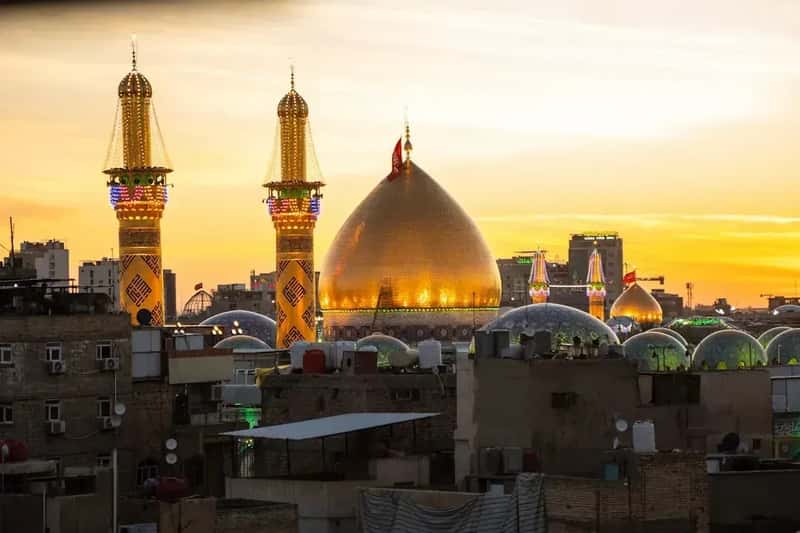
The Iraqi passport grants access to 31 destinations, reflecting the country’s ongoing challenges. Political instability, poverty and complicated social issues all contribute to the weakening of the Iraqi passport. Only a handful of territories, including Malaysia, Iran and Zambia, allow visa-free access. Iraqi citizens remain severely restricted in their ability to travel, study abroad, or seek economic opportunities beyond their borders.
Pakistan Ranks Among the Bottom
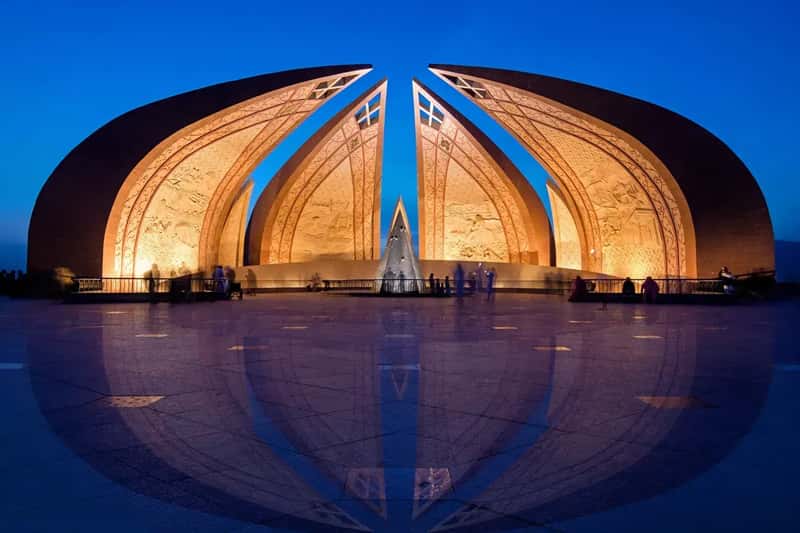
Pakistan’s passport ranks near the bottom with access to around 33 destinations, despite being a nuclear power with a per capita income of approximately 1,824 US dollars in recent years. Political volatility, terrorism and governance issues continue to cloud the country’s image abroad. Pakistani travelers face rejection, lengthy visa processes, and humiliating security scrutiny at borders worldwide – a frustrating reality for millions.
The Growing Divide Between Top and Bottom
The gap between the strongest and weakest passports is the largest in the index’s 19-year history, with Singaporeans able to visit 169 more places than Afghans without needing a visa. This isn’t just a statistic. It represents fundamentally different life experiences and opportunities based purely on birthplace. Many of these nations struggle with low economic output, with Afghanistan, Syria, Somalia, Yemen, and Sudan among the poorest countries in the world. The ability to move freely has become what some experts call a modern currency of freedom – one that remains painfully out of reach for hundreds of millions of people worldwide. What do you think this growing gap means for global equality? Share your thoughts below.