Summer used to mean packed beaches and long museum lines, the kind of inconvenience everyone accepted as part of the deal. That balance has shifted in a lot of places. What was once a seasonal headache has turned into a year-round tension between the people who live somewhere and the millions who show up to see it, especially between June and August when everything peaks at once.
The following seven spots keep appearing on lists of places where residents are asking, sometimes politely and sometimes not, for a break. None of them are secrets. They’re famous precisely because they’re beautiful, which is exactly the problem.
1. Venice, Italy
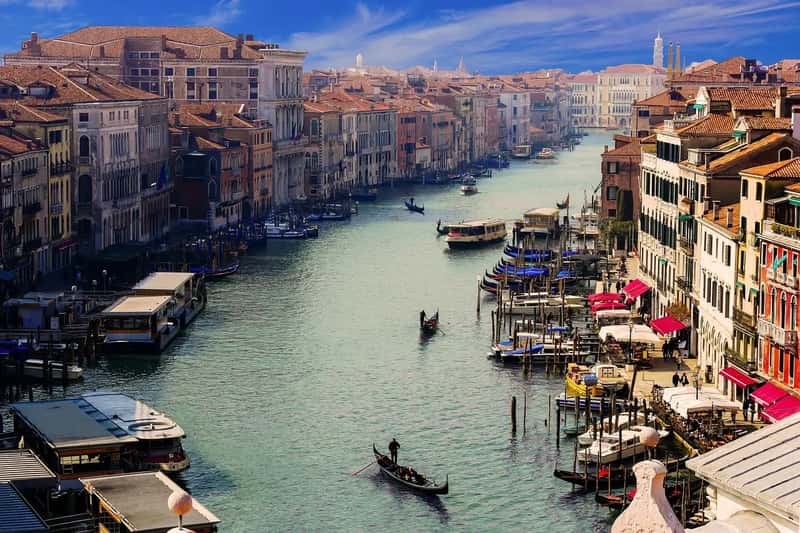
Venice is the textbook case, and the numbers back it up. A city of fewer than fifty thousand permanent residents absorbs between 25 and 30 million visitors each year[1], a ratio that would strain any urban center built on solid ground, let alone a lagoon. Reports indicate that in 2024, an average of 80,000 visitors arrived each day[2], pushing bridges, water taxis, and narrow alleyways well past their comfortable limits.
The city has responded with an entry fee for day-trippers, first introduced in 2024 and still in place. Venice is keeping its summer tourist entry tax, introduced in 2024[3], and some reports suggest the charge on the busiest dates has climbed toward ten euros. The bigger issue, according to locals, is that the lagoon city typically draws around 30 million visitors a year, yet seven in 10 only stay for the day[4], contributing little to the local economy while wearing down centuries-old infrastructure.
2. Barcelona, Spain
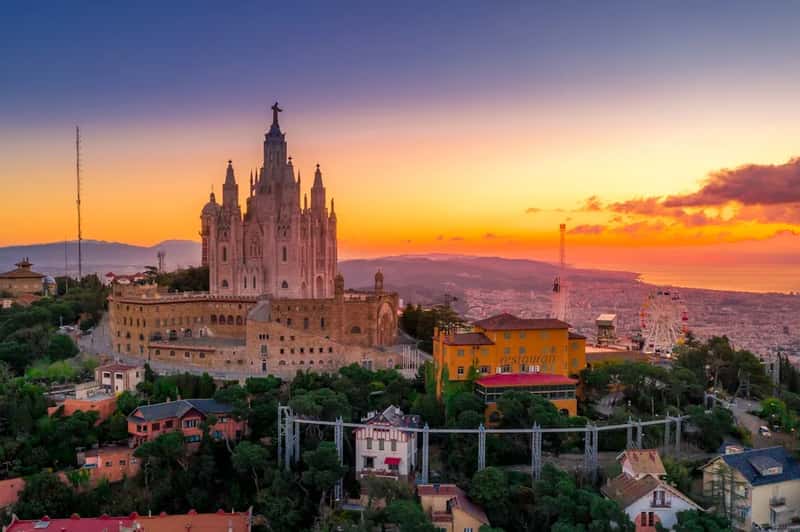
Barcelona’s problem isn’t just crowded plazas near Sagrada Familia. It’s rent. Locals took to the streets in Barcelona to protest rocketing housing costs[5], and the mayor responded with a plan to phase out the entire short-term rental market by 2028, stripping licenses from more than ten thousand Airbnb-style apartments.
The scale of the influx makes the anger easier to understand. Barcelona’s tourism troubles go beyond crowded plazas, as the Catalan capital hosted roughly 15.5 million visitors last year eager to see Antoni Gaudí’s La Sagrada Familia basilica and the Las Ramblas promenade, while locals have grown increasingly frustrated as rents climb and neighborhoods fill with short-term rentals[4]. Some residents have gone as far as spraying visitors with water pistols during peak season demonstrations, a stunt that made global headlines but reflects a genuinely strained housing market rather than simple bad manners toward tourists.
3. Santorini, Greece
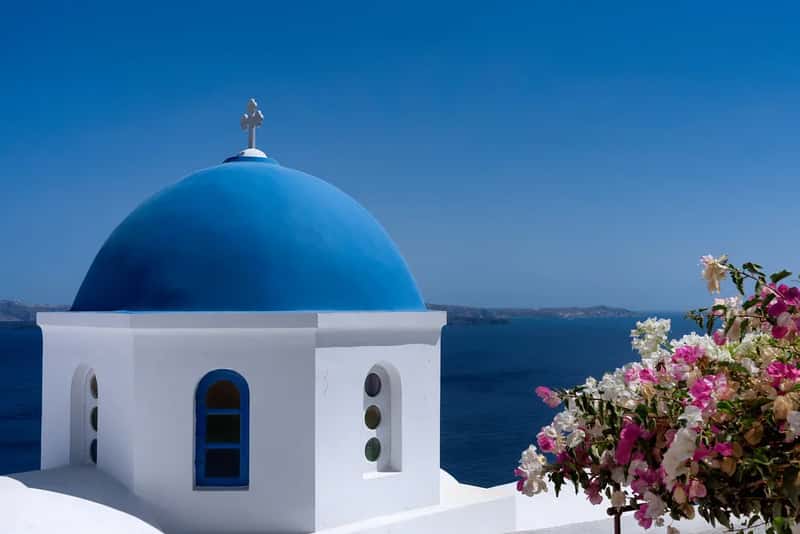
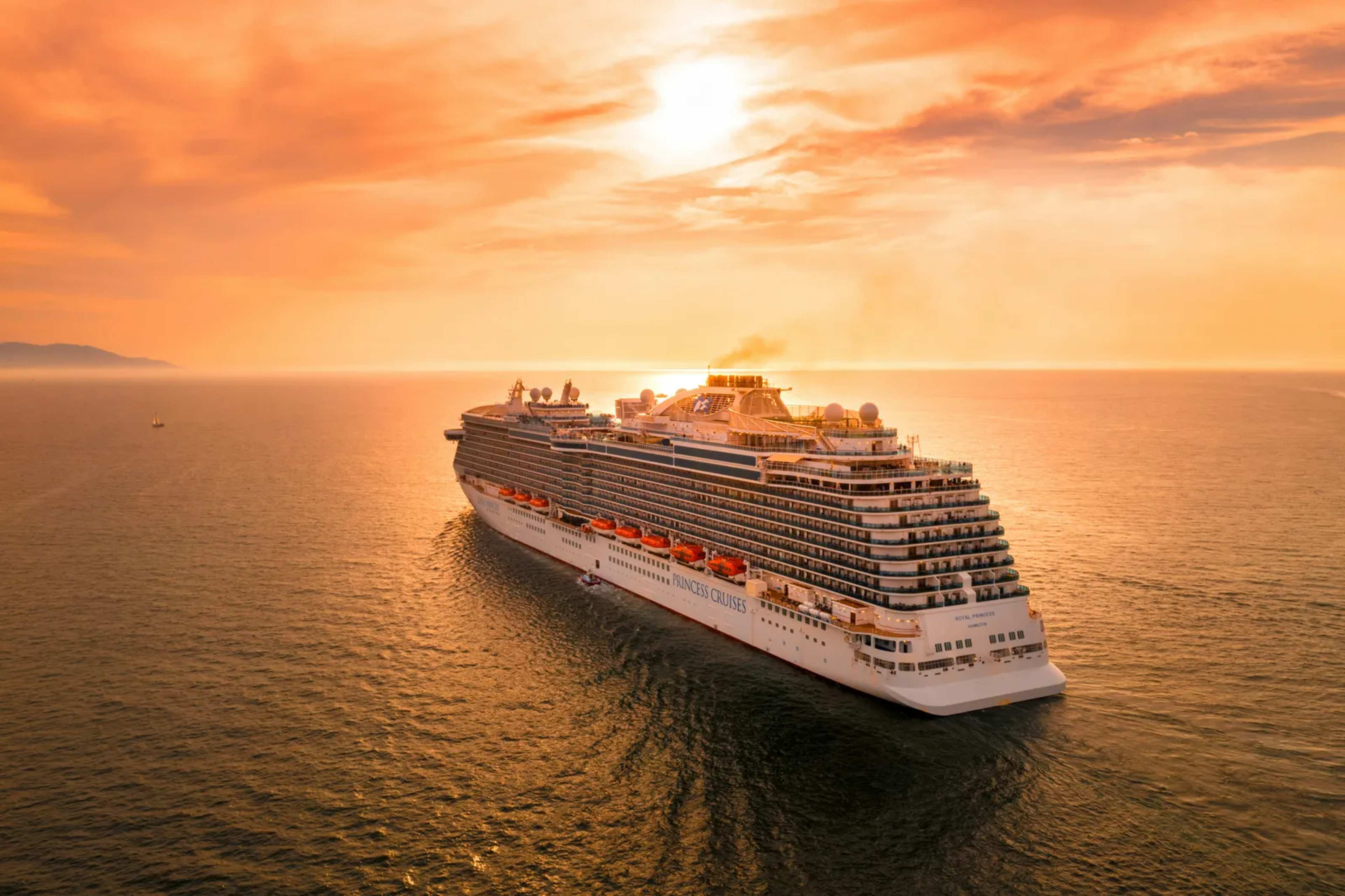
Santorini’s white-and-blue postcard image hides a logistical nightmare during cruise season. Few places show the strain of cruise-driven surges as clearly as Santorini, where thousands can arrive within the same few hours[6], overwhelming a small island with narrow cliffside paths never designed for that kind of traffic.
Annual arrivals have climbed past two million on an island with a fraction of that many full-time residents, and the island’s residents have expressed concern about rising living costs and the strain on essential services due to the high visitor volume[2]. Water shortages and packed sunset viewpoints in Oia have become recurring summer stories, with locals increasingly vocal about the gap between tourism revenue and the daily quality of life left behind once the ships sail off.
4. Canary Islands, Spain
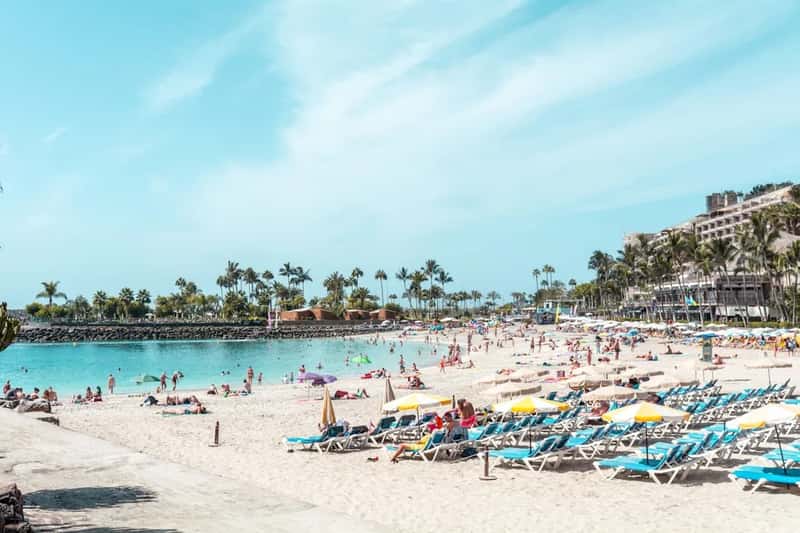
The Canaries have become one of the loudest overtourism flashpoints in Europe over the past two summers. The Canary Islands received 7.8 million visitors in the first half of 2025 alone, and protests have multiplied, with locals chanting “Canarias tiene un límite”[7], meaning the islands have a limit.
Tenerife and Lanzarote have seen some of the most visible demonstrations, driven partly by housing pressure and partly by concerns over water and land use on islands with limited natural resources. In Tenerife and Lanzarote, protesters are chanting that you’re not welcome[8], a sentiment that sounds harsh out of context but reflects years of frustration over an economy almost entirely dependent on visitors who often stay in resorts disconnected from local life.
5. Dubrovnik, Croatia
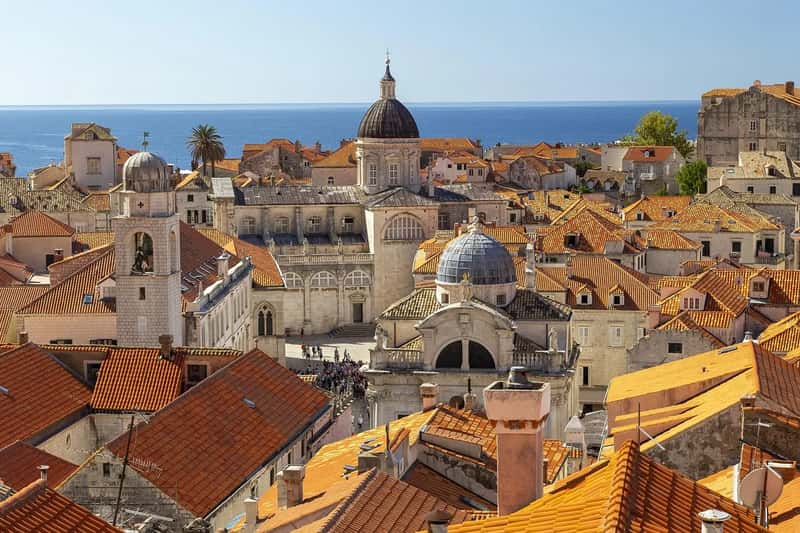
Dubrovnik’s medieval walls made it a global star long before television crews arrived, and that fame has become a double-edged sword. The Old Town’s narrow stone streets, built centuries before mass tourism existed, now regularly buckle under cruise ship crowds that can outnumber the resident population on a single afternoon.
The city has experimented with cruise ship limits and staggered arrival schedules to ease the crush, part of a broader wave of crowd control measures spreading across the Adriatic. Alternatives like Zadar, with its Roman ruins and sea organ, have started drawing attention precisely because they offer a similar coastal atmosphere without the bottleneck, a sign that even travel writers are quietly steering visitors elsewhere.
6. Bali, Indonesia
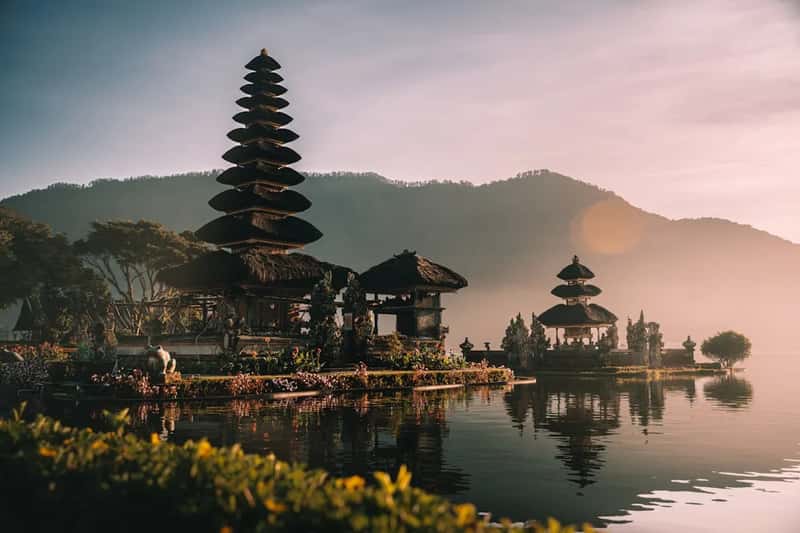
Bali’s overtourism story has moved from informal grumbling to formal policy in just a couple of years. In 2026, the Indonesian island was crowned the world’s top travel destination after a record 2025 that brought nearly seven million international visitors and more than 16 million total arrivals[9], numbers that have visibly reshaped daily life in the south of the island.
Authorities introduced a modest tourist levy in 2024 and have since tightened enforcement considerably. The official Love Bali FAQ says foreign tourists must pay a levy of Rp 150,000, and Bali’s tourism office said in March 2025 that it had begun destination inspections to verify levy compliance[10]. Water scarcity, traffic congestion, and a sharp rise in the cost of living for locals have all been tied to the sheer volume of arrivals, prompting officials to pair the fee with stricter behavior rules around sacred sites and temples.
7. Mount Fuji, Japan
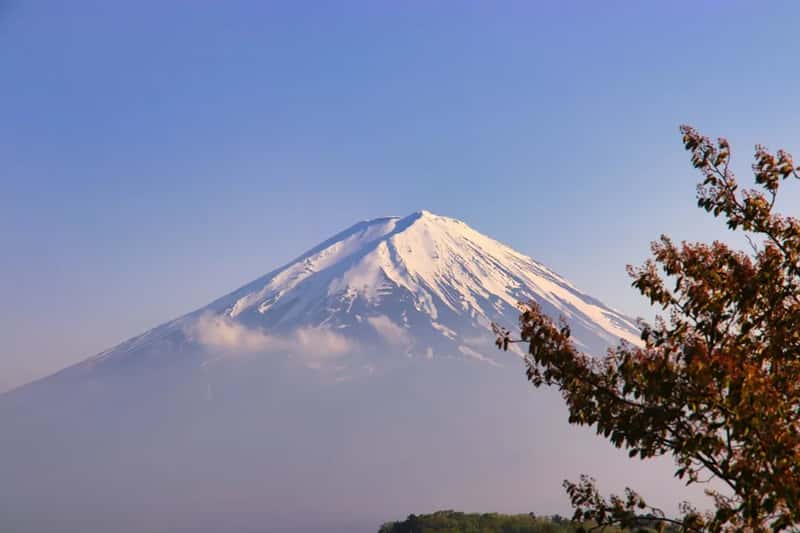
Mount Fuji represents a slightly different kind of overtourism, one tied less to housing and more to physical safety on a single trail. The number of climbers allowed on the Yoshida Trail will once again be limited to 4,000 per day during the official climbing season, though this cap will not apply to climbers with mountain hut reservations[11].
The fee structure has also grown steeper since the rules first appeared. Climbers on the Yoshida Trail are now capped at 4,000 per day, with the permit fee raised to 4,000 yen from the previous 1,000 yen[3]. Local officials cited overcrowding near the summit and dangerous nighttime “bullet climbing,” where hikers rush up without rest to catch sunrise, as the main reasons behind the crackdown, a response to real safety incidents rather than mere annoyance at crowds.
None of this means these places have closed their doors. Venice still wants visitors, Bali still depends on tourism for a majority of its economy, and Santorini’s sunset views aren’t going anywhere. What’s changed is the tolerance for unmanaged, all-at-once summer crowds that leave little behind except strained infrastructure and higher rents for the people who actually live there. Traveling with some awareness of that, and maybe considering a quieter month or a nearby alternative, tends to make the experience better for everyone involved, tourists included.