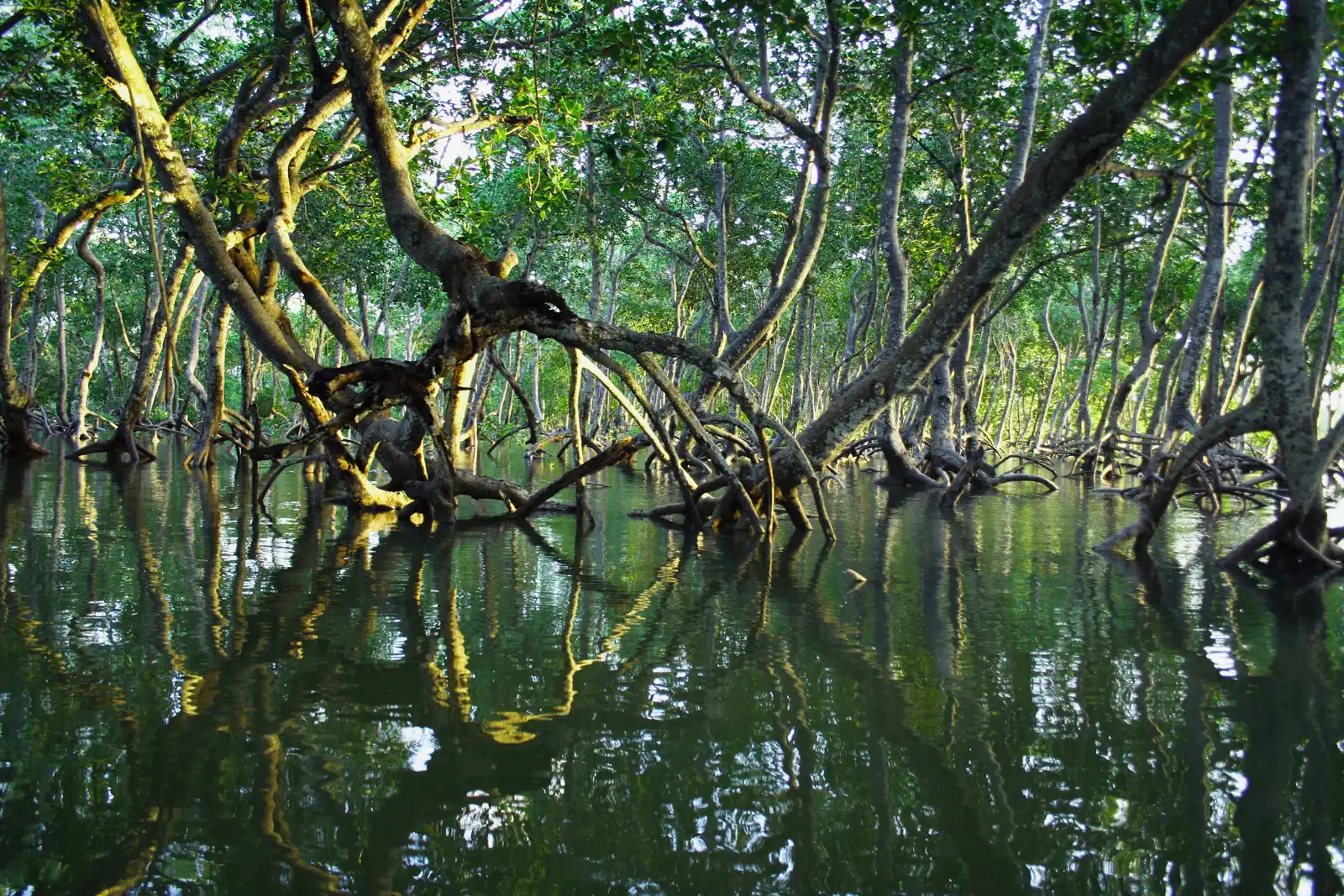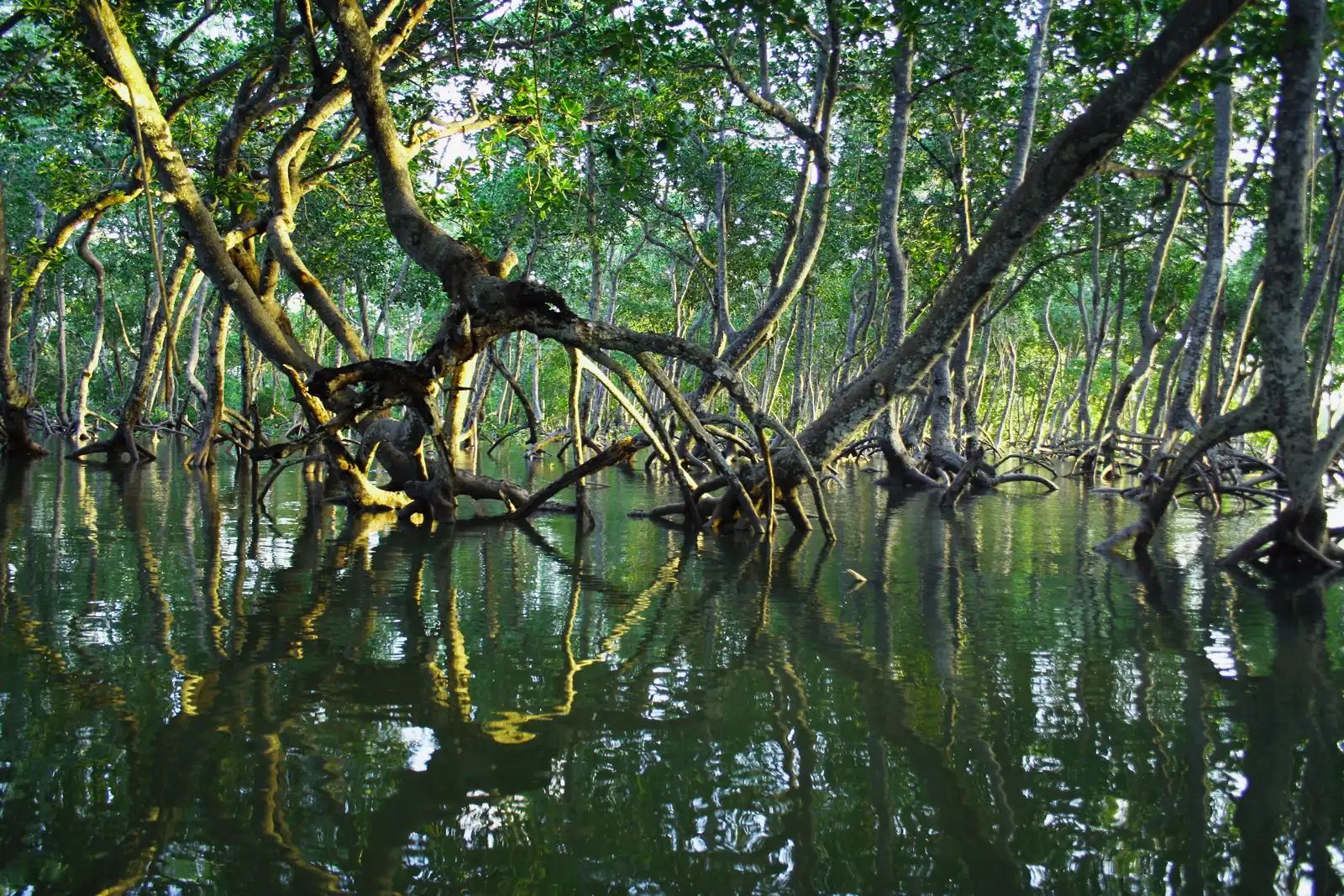
Coastal communities have long relied on mangroves for natural storm barriers and rich fishing grounds. New satellite data now show these vital forests have reversed course after years of steady losses. Global cover grew by 477 square kilometers between 1985 and 2025, a modest 0.3 percent net gain driven by restoration projects and tighter protections. ([1])
Fresh Evidence of Recovery
The Global Mangrove Watch released its latest assessment in July. Researchers mapped changes across 108 countries using high-resolution satellite imagery and machine learning. This update covers nearly four decades, far longer than earlier versions that began in 1996. A separate study published in June reached the same broad conclusion of overall growth. The findings mark the first time the initiative has documented a positive global trend. Earlier reports focused mainly on losses in Southeast Asia and parts of Latin America. The new numbers indicate that gains in some regions now outweigh continued declines elsewhere.
Why the Turnaround Matters
Mangroves store large amounts of carbon in their soils and roots. They also shelter thousands of fish, bird, and invertebrate species that support local fisheries. Their dense root systems reduce wave energy and trap sediment, shielding shorelines from erosion during storms. These services directly affect millions of people who live near tropical coasts. Healthier mangrove belts can lower the cost of coastal defense projects and help maintain food security in fishing communities. The recent gains, though small, suggest that targeted efforts can begin to restore these benefits.
Key Drivers Behind the Gains
Restoration programs planted new seedlings in degraded areas. Governments in several countries strengthened legal protections against clearing for aquaculture or development. International funding and monitoring partnerships helped track progress and guide where to act first. Lammert Hilarides, program lead at Wetlands International, noted that accurate mapping remains essential. “The importance of tracking changes in mangroves lies in the need to have accurate information if you want to successfully halt loss, protect and restore mangroves,” he said. Differences in timing and scale across regions show that success depends on local conditions and sustained commitment.
What Comes Next
Continued monitoring will reveal whether the rebound holds. Some areas still face pressure from rising seas and expanding coastal development. The data already highlight where protection and planting efforts deliver the clearest results. For coastal residents and travelers who value intact shorelines, the shift offers a measure of hope. Sustained action can turn modest gains into lasting recovery for these critical ecosystems.