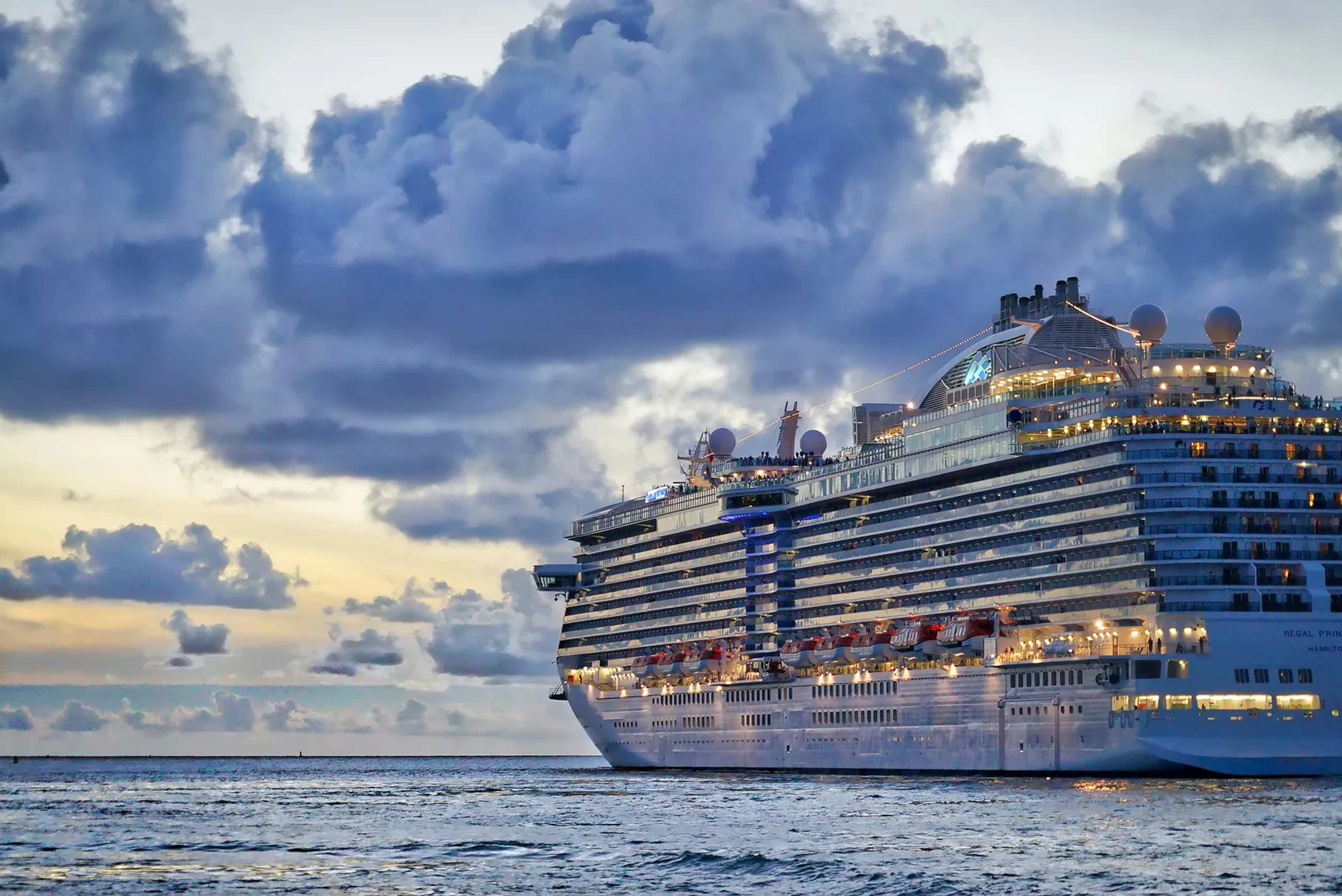
Travel has bounced back in a big way since the pandemic years, and with that resurgence has come a wave of frustration from residents who feel like their hometowns have turned into theme parks. From water pistols aimed at diners to signs demanding visitors go home, the tension between tourism-dependent economies and everyday life has become one of the defining travel stories of the past two years. It is not that these places hate visitors outright, but many locals argue that unchecked crowds have pushed housing costs, noise, and daily inconvenience past a breaking point.
The following seven destinations have all seen organized protests, new restrictions, or open resentment aimed at tourists in 2025 and 2026. Understanding why can help travelers plan more thoughtfully, and maybe even travel a little more respectfully once they arrive.
1. Barcelona, Spain
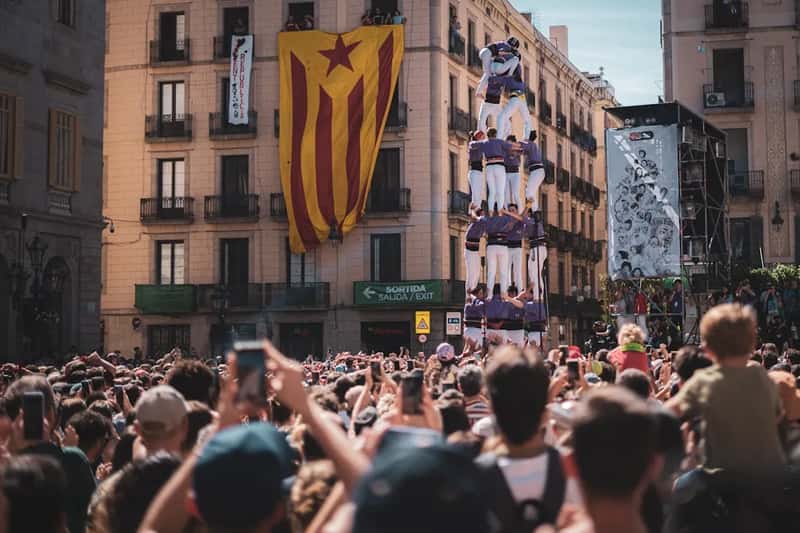
Barcelona has become something of a poster child for overtourism backlash. In the summer of 2024, protesters marched through the city chanting “tourists go home” while thousands marched the streets squirting visitors with water guns while chanting “tourists go home.”[1] The demonstrations were not a one-off. In June 2025, protesters marched through central Barcelona holding signs stating “Tourism is killing Barcelona” and squirting people with water pistols in tourist hotspots.[2]
The anger largely traces back to housing. Local authorities say the cost of housing has risen 68% in the Spanish city over the past decade, becoming one of the main points of contention for the disgruntled residents.[3] City officials have responded with policy changes, including a plan to phase out short-term rental licenses. In June, the Mayor of Barcelona said that by 2028, he would stop renewing the thousands of tourist licenses that permit landlords to rent out accommodation to foreign visitors, a move that would make those homes available to locals instead.[3] Whether that actually eases the pressure on rents remains to be seen, but the sentiment on the streets has been hard to ignore.
2. Venice, Italy
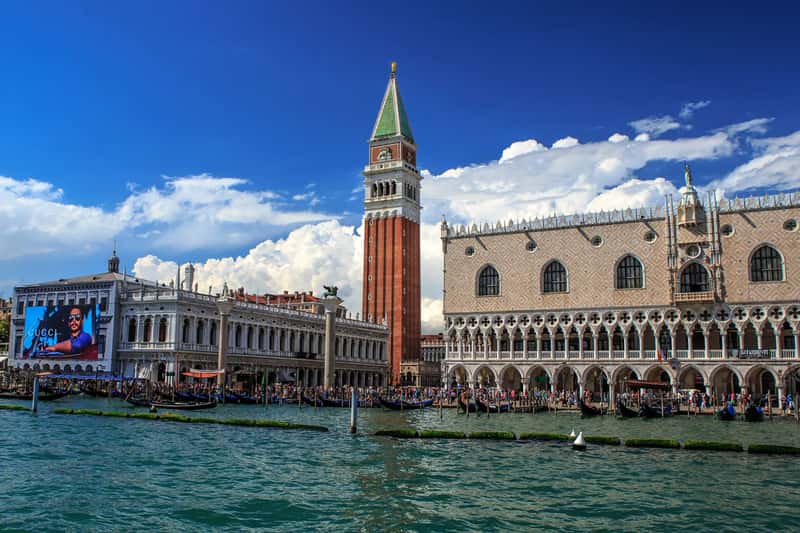
Venice’s problem is one of sheer scale mismatch between residents and visitors. Fewer than 50,000 people still live in the island city, yet it welcomes some 30 million tourists each year.[4] That imbalance has made the city a frequent flashpoint for anti-tourism sentiment, with locals in Venice among those who joined the wider wave of southern European protests. One activist captured the mood bluntly, saying “They are treating this city like it’s Disneyland.”[5]
City authorities have tried to manage the flood of day-trippers through fees rather than outright bans. Venice has expanded its controversial entry fee program from 29 applicable days in 2024 to 54 days in 2025, with over 20 million annual visitors crowding into a city that struggles to cope.[6] Critics on the ground argue the fee has done little to actually reduce crowding, since it functions more as a minor cost of entry than a real deterrent. Either way, Venice remains one of the clearest examples of a destination where the sheer volume of visitors has strained both infrastructure and patience.
3. The Canary Islands, Spain
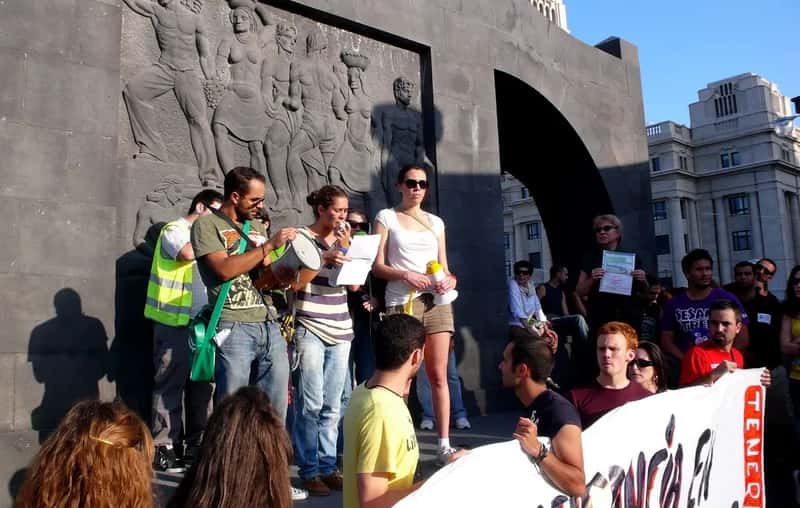
Tenerife, Lanzarote, and the rest of the Canary Islands have seen some of the most visible protest activity anywhere in Europe. The Canary Islands received 7.8 million visitors in the first half of 2025 alone, with protests multiplying as locals chant “Canarias tiene un límite” (“The Canaries have a limit”), demanding limits on visitor numbers and arguing that overtourism is putting a strain on housing, ecosystems, and local life.[7] That slogan has become something of a rallying cry across the archipelago.
The frustration is not purely about numbers; it is about who benefits. As one expert observed, “Tourism brought money and opportunity, but it also concentrated wealth.”[7] Meanwhile, tour companies and hospitality workers in the islands depend heavily on the same visitor economy that residents are protesting, which creates an uneasy tension between those who profit from tourism and those who simply live alongside it. Reports from 2026 note that the pushback has only intensified, with demonstrations recorded across dozens of Spanish cities and islands during that summer.
4. Kyoto, Japan
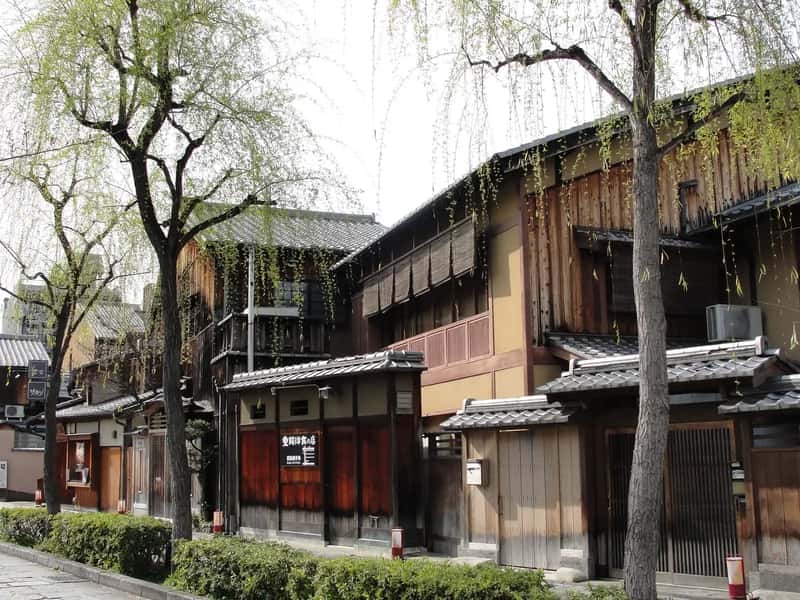
Kyoto’s Gion district, famous for its geisha and maiko performers, has become ground zero for a very specific kind of tourist friction: harassment through cameras and phones. Local officials eventually decided enough was enough. Tourists often enter private alleyways, chase geisha with cameras, ignore “private property” signs, and generally disrupt the traditional environment, prompting parts of the geisha district to be closed off to tourists.[8]
The rules have real teeth behind them. A no-entry sign was installed reading “Private Road Do Not Enter Fine up to ¥10,000,” with a more detailed message in Japanese explaining that photography and entry by tourists and guided tours is prohibited on that private road.[9] Japan’s broader tourism boom has made this kind of friction more common nationwide. Japan welcomed nearly 37 million international tourists in 2024, and while tourism revenue has strengthened local economies, residents in cities such as Kyoto and Osaka have voiced concerns about overcrowded streets, higher living costs, and disruptions to daily life.[10]
5. Mallorca and the Balearic Islands, Spain
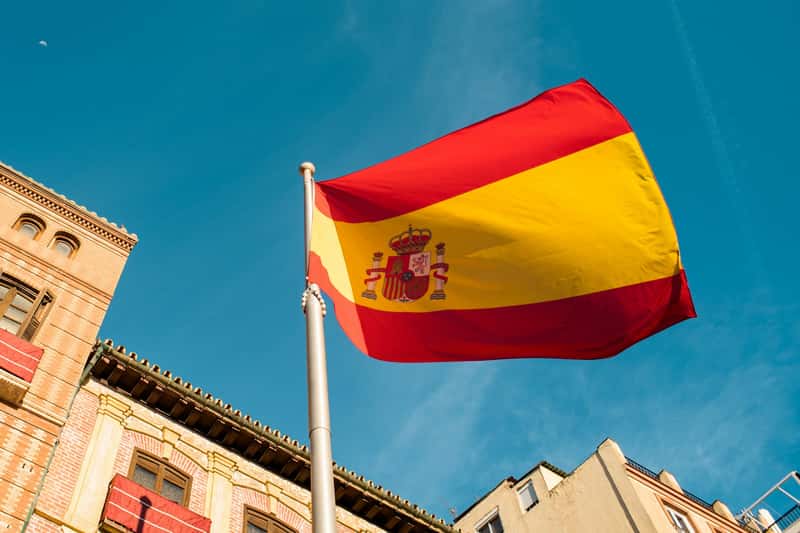
Mallorca has repeatedly seen crowds of residents take to the streets, frustrated by a tourism model that many feel has priced them out of their own neighborhoods. Thousands marched to demand an end to mass tourism on the Spanish island of Mallorca[11] during the summer of 2025, joining a broader regional wave of discontent that swept through Spain’s most visited coastal areas.
The protests in Mallorca echoed similar demonstrations in Ibiza and Málaga, where locals rejected what they see as an economy built almost entirely around short-term visitors rather than long-term residents. Much of the anger, as in Barcelona, ties back to housing supply being diverted toward vacation rentals. Spanish authorities have responded at a national level too, with reports noting that Spain has removed 65,000 Airbnb listings as part of a crackdown on tourism[12] related housing pressure, though whether that translates into meaningfully lower rents for locals is still an open question.
6. Amsterdam, Netherlands
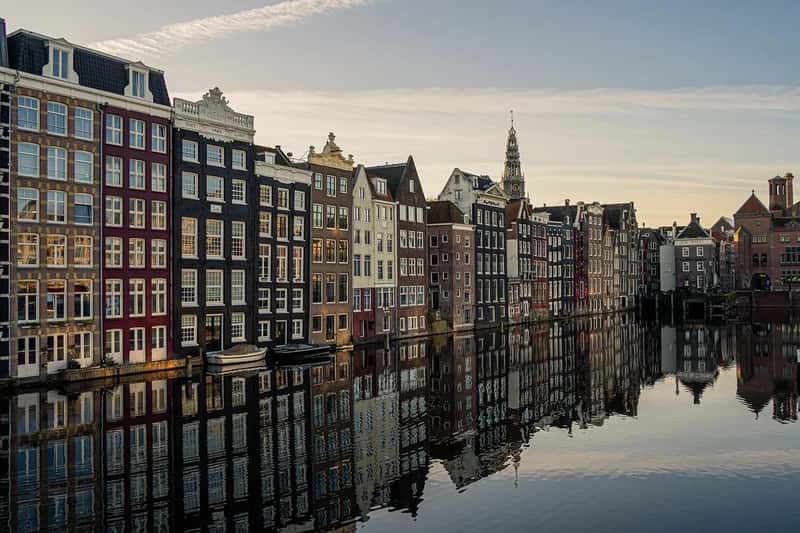
Amsterdam’s tension with tourists centers less on protest marches and more on sheer volume, particularly around its canals and nightlife districts. City officials have grown vocal about capping growth, and residents have pushed back on the strain that overnight stays place on housing and public space. Amsterdam faced discontent as residents threatened legal action over the city surpassing 20 million overnight stays in a year.[13]
The city has also become a case study in how quickly casual sightseeing can turn into a nuisance for people who actually live there. Reports on Amsterdam’s canal traffic note that on a warm day, between 4,000 and 6,000 people take to the water, with one local remarking that the sheer number of tourists disrupts the tranquillity of the area.[13] Amsterdam’s tourist tax is also now among the steepest in Europe, a policy lever the city hopes will nudge the numbers down even slightly.
7. Mexico City, Mexico

Mexico City represents a newer front in the overtourism story, one driven less by classic sightseeing crowds and more by the rise of remote work and digital nomad culture. Frustration has boiled over into public demonstrations in neighborhoods that have become magnets for long-term foreign visitors. Protestors in Mexico have targeted travelers as overtourism anger grows, with crowds sending a clear message: “Tourists go home.”[14]
Unlike the coordinated street marches seen across Spain and Italy, the backlash in Mexico City has taken a somewhat different shape. The backlash in Mexico has taken shape more through housing activism and public debate over who the country’s tourism boom is actually benefiting[6], rather than through large-scale organized protest movements alone. Neighborhoods like Roma and Condesa have seen rents climb sharply as foreign remote workers move in for extended stays, and that shift has left many longtime residents feeling squeezed out of the very communities they grew up in.
None of this means travelers should simply cross these destinations off their lists. Most locals interviewed across these protest movements have been careful to say their frustration is with the scale and management of tourism, not with visitors as individuals. Still, it’s worth traveling a bit more thoughtfully in these places: visiting during shoulder seasons, respecting posted rules around photography and private property, and choosing accommodations that don’t displace long-term residents. Overtourism isn’t going away as a topic anytime soon, but a little awareness can go a long way toward being the kind of guest a destination actually wants to welcome back.