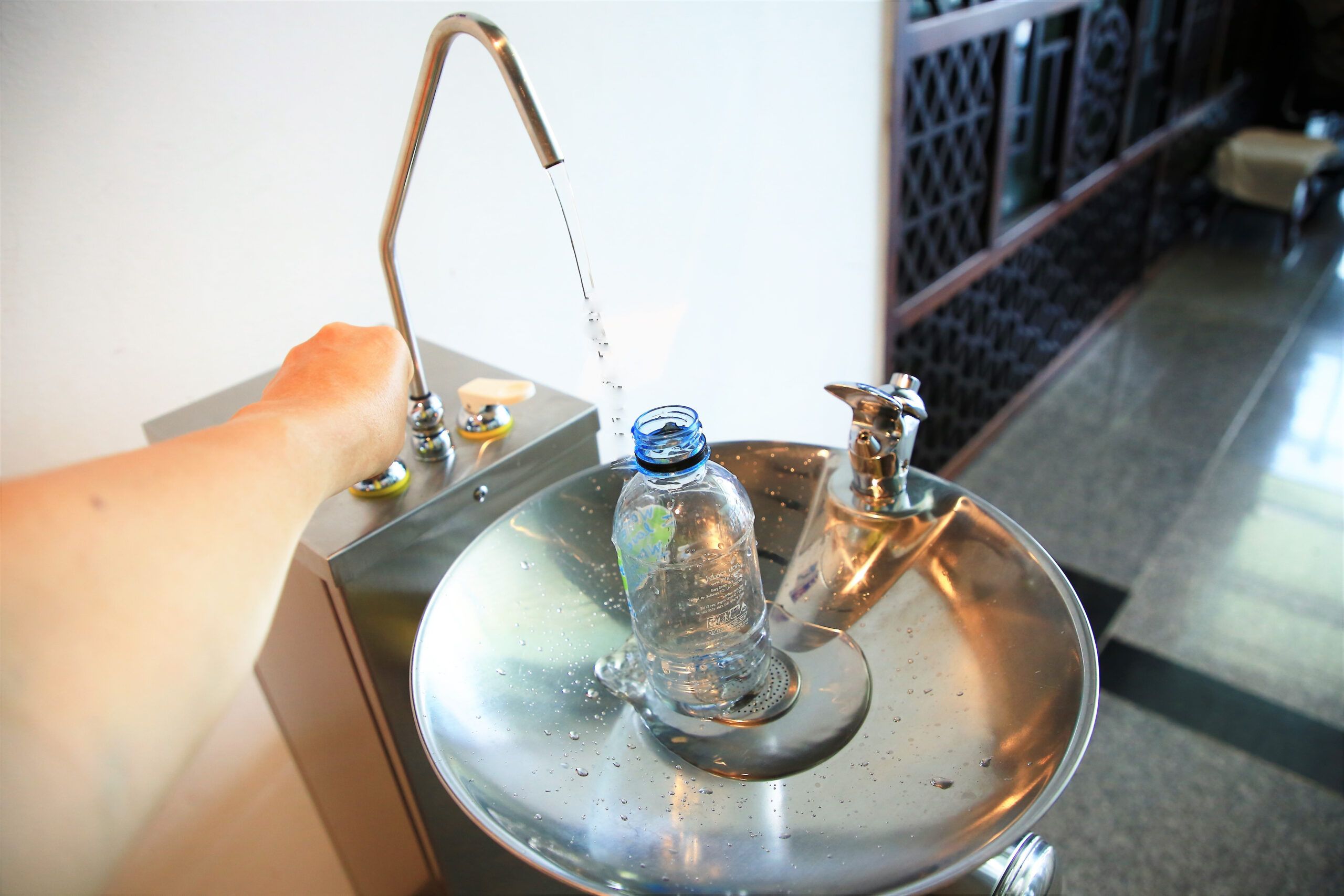
Most travelers pack a reusable bottle. Fewer stop to ask whether they’ll need to fill it from a plastic one in the first place. Across much of Europe the answer is no, because the rules and the water sources are quite different from country to country.
The European Union sets a common floor through its Drinking Water Directive, which entered into force on 12 January 2021, with member states given two years to implement it[1]. It also adds restrictions on potentially dangerous compounds such as polyfluoroalkyl substances[1]. The seven countries below go beyond that floor in different ways, whether through protected mountain springs, deep groundwater or careful monitoring.
Finland: Lake Water Through a Rock Tunnel
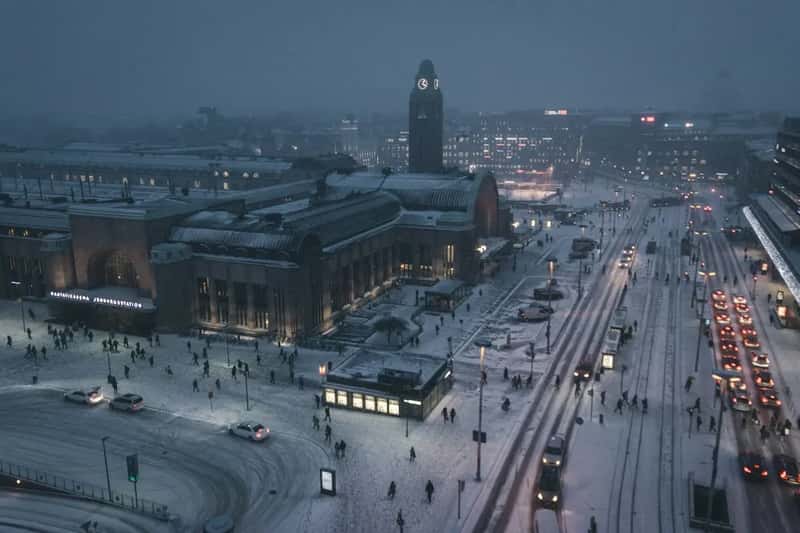
Finland is often ranked near the top for drinking water quality. Around Helsinki, most of the raw water comes from Lake Päijänne through a tunnel running more than 120 kilometres[2]. The water then reaches more than a million people and is purified at two treatment plants[3].
Oversight is local as well as national. The utility HSY assessed risks using the Water Safety Plan method recommended by the World Health Organization[2], and its laboratory monitors water quality daily[3]. The city of Helsinki adds its own sampling, and it reports that the tap water meets the microbiological and chemical requirements for good domestic water[4].
Austria: Alpine Springs Delivered by Gravity
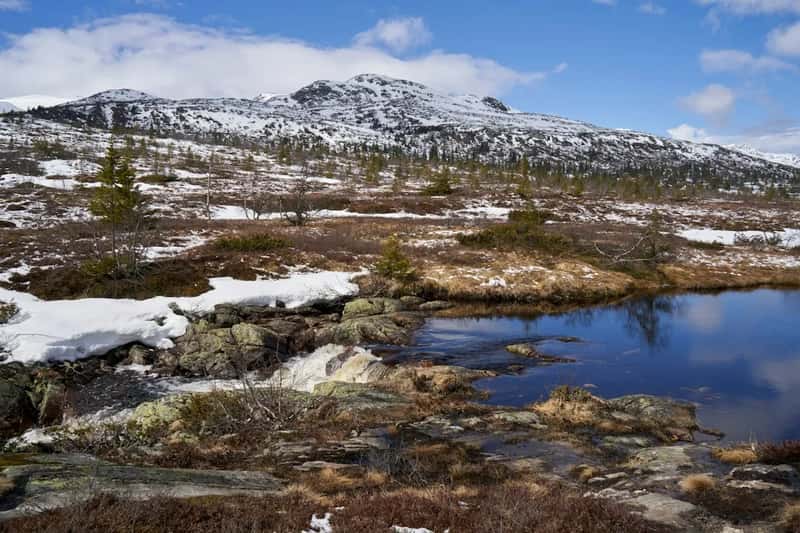
Vienna’s tap water has a reputation that few capitals can match. The city gets about 400,000 cubic meters of spring water daily from two mountain pipelines[5], fed from the Rax, Schneeberg, Schneealpe and Hochschwab areas. The water reaches the city without pumps, using the natural drop in altitude[6].
The national picture is similar. About half of Austria’s water supply comes from alpine springs, while the other half is pumped from natural aquifers[7]. Austria’s Drinking Water Ordinance sets quality standards for every supplier and requires testing from the spring or well through to the tap[8]. One small caution: fountains marked Kein Trinkwasser are not meant for drinking.
Iceland: Filtered by Volcanic Rock
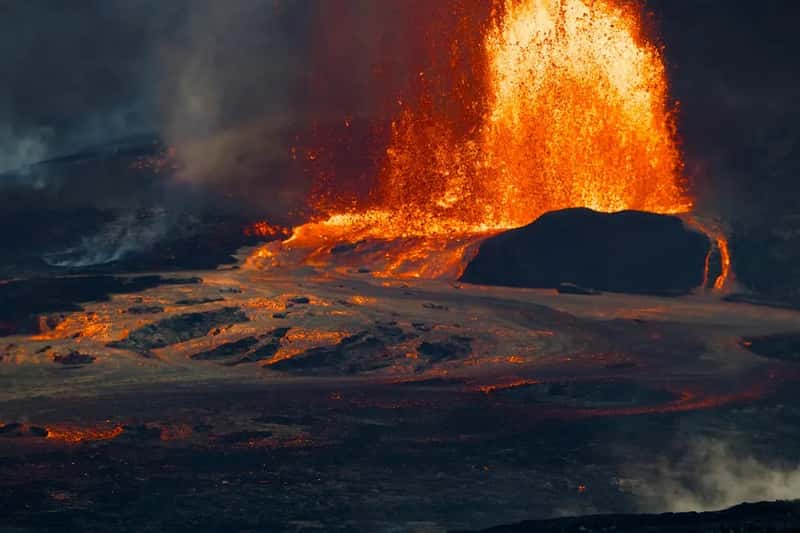
Iceland’s advantage is geological. Drinking water comes mainly from groundwater, about ninety six percent[9], and rain and snowmelt filter slowly through layers of porous volcanic rock[10]. The result is water that is typically soft and low in dissolved minerals.
There is research behind the reputation, though it isn’t brand new. A University of Iceland study looked at 345 samples from 79 aquifers serving 74 water supply systems[11]. It found compliance of 99.97 percent for health related chemicals[11], essentially near perfect. The same study flagged signs of human chemical pollution in 10 of the 74 systems[11], so local issues do exist.
Denmark: Groundwater With Very Little Treatment
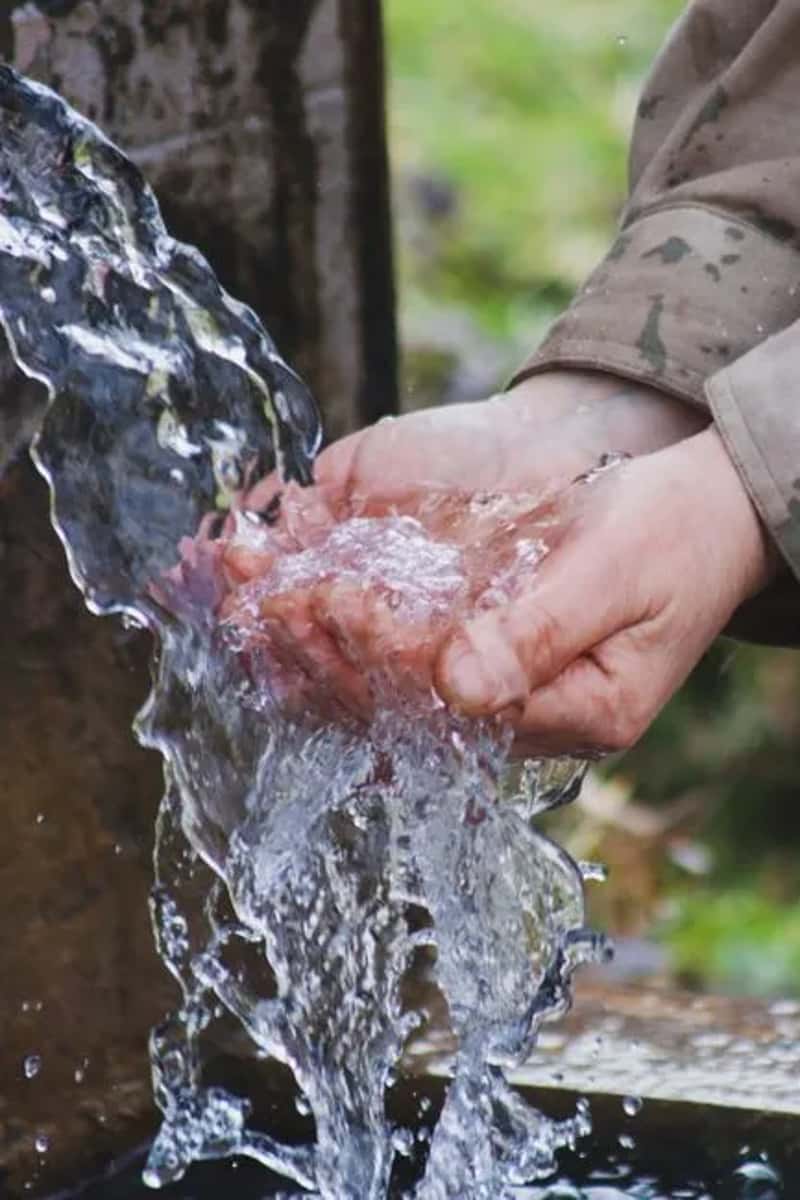
Denmark draws its drinking water from groundwater rather than from rivers or lakes. Because the water is filtered naturally as it moves through the ground, treatment in most places is fairly simple, often limited to aeration and sand filtration. Many Danish waterworks don’t add chlorine, which is one reason the water tastes clean.
The flip side is that groundwater needs protecting. Across Europe, groundwater supplies two thirds of the EU’s drinking water[12], and the European Environment Agency notes that the main pollutants are nitrates and pesticides[12]. Denmark’s strict controls on pesticide use near wells respond to exactly that risk.
Switzerland: Springs, Aquifers and Lakes
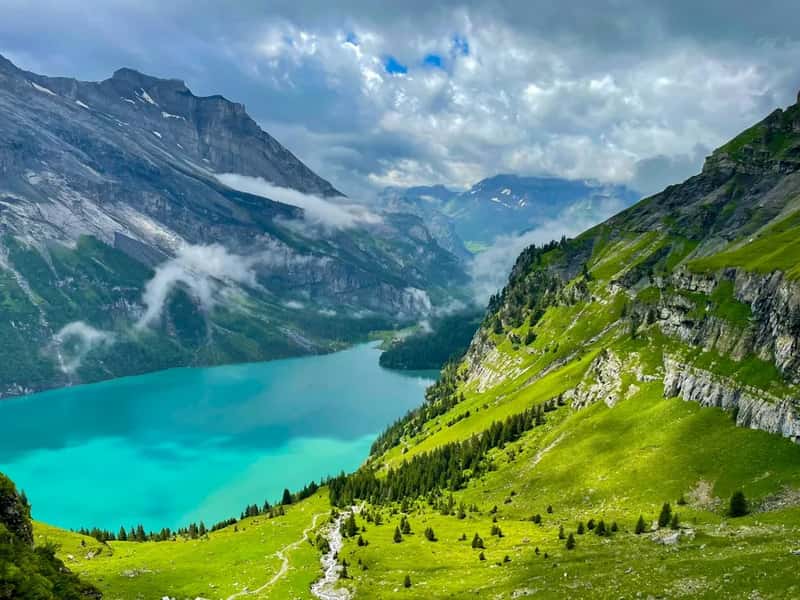
Switzerland gets most of its tap water from groundwater and springs, with lakes supplying much of the rest, especially in larger cities. Lake water is treated more heavily, while spring water often needs only light disinfection. Public fountains are common in Swiss towns, and many carry water that is fine to drink unless a sign says otherwise.
Switzerland isn’t an EU member, but it sits inside the European water conversation. The EEA’s bathing water work, for example, covers 160 designated bathing waters in Switzerland[13] alongside EU states. Still, if you’re heading into the mountains, stick to marked drinking fountains rather than streams.
Germany: Tightly Regulated and Widely Tested
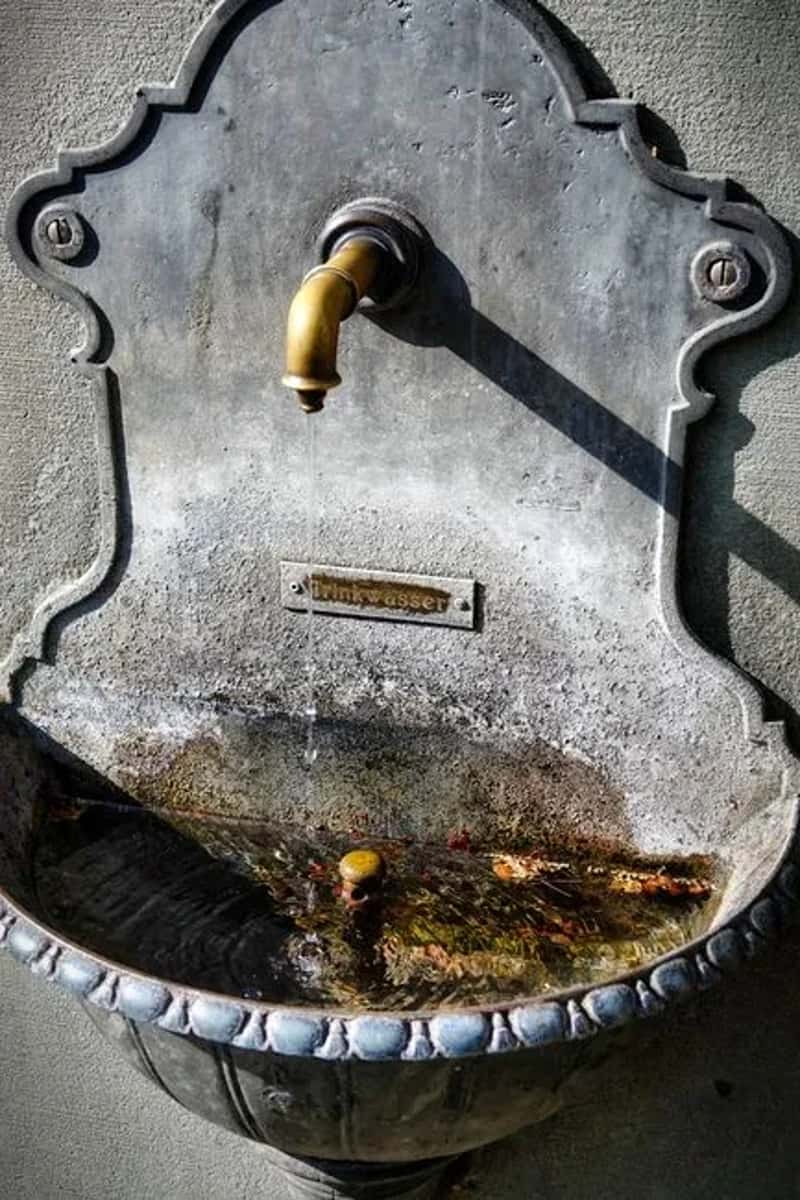
Germany treats tap water as a food product, and its Drinking Water Ordinance sets legal limits for microbes and chemicals. Suppliers must test regularly and publish results, and most people drink from the tap without a second thought. Germany also implements the EU directive, so the newer limits on PFAS and other compounds apply.
Nitrate is the recurring worry, mostly from farming. The EEA’s 2024 assessment points to intensification and overuse of fertilizers and pesticides[14] as key pressures on Europe’s waters, and Germany has had to manage this in some agricultural regions. Water suppliers often blend or treat to stay within limits, and lead pipes in some older buildings are a separate issue worth checking on.
Norway: Clean Sources and Careful Treatment
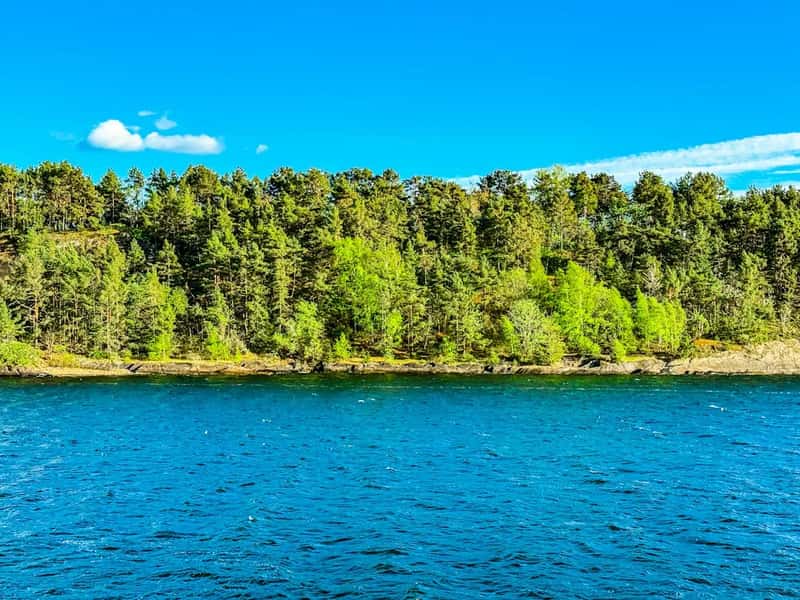
Norway relies heavily on surface water from lakes, which is plentiful and comes from sparsely populated catchments. Because lake water is more exposed than deep groundwater, it is disinfected and treated before it reaches homes. Oslo, for example, draws from the Maridalsvannet lake north of the city.
The country isn’t in the EU, but it follows EU water rules through the European Economic Area agreement. Its water is soft, and the taste is mild. Summer heat and heavy rain can occasionally trigger local boil water notices, so it’s worth glancing at municipal updates if you’re staying somewhere remote.