Airplane snacking is a strange kind of ritual. You’re strapped into a seat with nowhere to go, watching the drink cart inch closer, and somehow still hungry three hours after a meal that felt like plenty at the time. The trick isn’t just finding something low in calories, it’s finding something that actually holds you over until landing.
That’s where a passport-stamped snack drawer comes in handy. Certain snacks from Japan, Korea, India, and beyond manage to pack real satisfaction into a small calorie footprint, thanks to fiber, protein, or simple portion control built into the packaging itself. Here are seven worth tucking into a carry-on.
Japanese senbei rice crackers
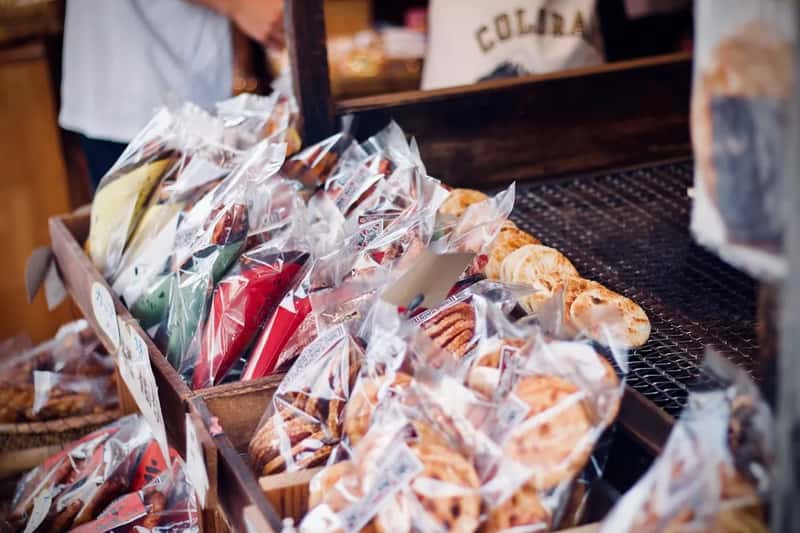
These baked or fried rice crackers have been a staple Japanese snack for centuries, and they travel remarkably well in sealed single-serving bags. A typical five-piece portion of Shelly Senbei style crackers contains 140 calories, with a macronutrient breakdown of 65% carbs, 32% fat, and 3% protein. That’s a satisfying crunch for well under the 150-calorie mark, with just enough carbohydrate density to feel like an actual snack rather than an afterthought.
The texture is part of the appeal on a plane. Senbei are dense and slow to eat, which naturally paces out the snacking rather than letting you plow through a bag in ninety seconds. Most convenience stores throughout Japan and many international Asian grocery aisles carry individually wrapped portions, making portion control essentially automatic.
Korean roasted seaweed snacks (gim)
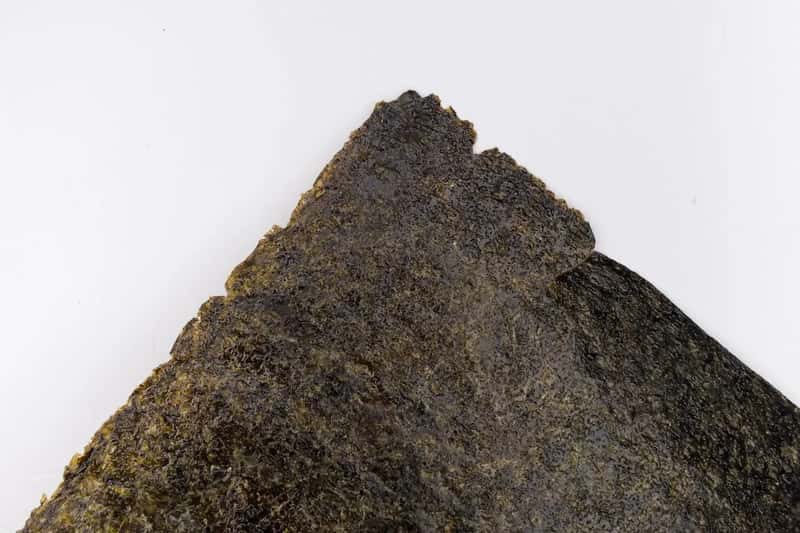
Roasted seaweed snacks, known as gim in Korean, are about as close to a zero-guilt airplane snack as exists. A single pack of the classic Wel-Pac style seaweed contains just 25 calories, with a macronutrient breakdown of 0% carbs, 63% fat, and 37% protein. Other brands land in a similar range, with gimme’s Grab and Go seaweed snacks coming in at just 25 calories per serving, rich in Vitamin B12 and iodine.
Because each pack is so low in calories, this is one snack where eating two or three packs still keeps you comfortably under 150 calories total. That flexibility matters on longer flights, where nibbling something salty every hour or so feels more natural than one big snack session. The crisp, savory sheets also don’t leave crumbs everywhere, which counts for something in a middle seat.
Indian roasted makhana (fox nuts)
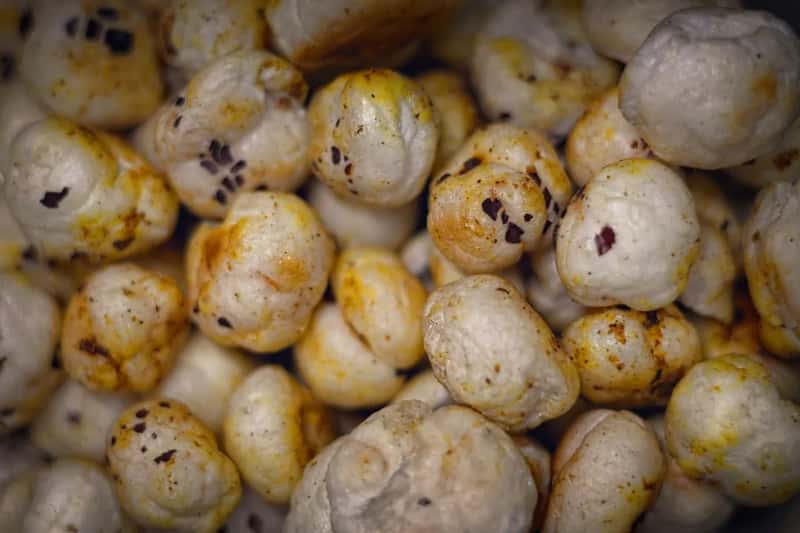
Roasted makhana, also called fox nuts or lotus seeds, has become one of India’s most exported healthy snacks in recent years. A standard 30 gram serving sounds high per 100 grams, but a typical 30g serving has only 104 calories. What makes it genuinely filling rather than just light is the fiber content, since 104 calories and 4.4 grams of fiber per serving means makhana is filling relative to its calorie count, and foods with fiber slow digestion and keep you full longer.
The puffed, airy texture means a modest handful looks like a lot more food than it actually is, which helps psychologically during a long haul. Flavored versions with turmeric, black pepper, or light spice blends are increasingly common in international snack aisles and airport shops. It’s also naturally gluten-free, which makes it a safer bet for travelers managing dietary restrictions mid-flight.
German pretzel sticks (Salzstangen)

Germany’s classic salt sticks, known as Salzstangen, have been a snacking staple since the 19th century and remain one of the leanest packaged carb snacks around. A 30 gram serving has only 114 calories and just 1 gram of fat, making them one of the lowest-fat savory snacks available. Compared to heavier fried alternatives, pretzel sticks have 29% fewer calories and 88% less fat than potato chips, making them a lighter snack option by calorie density.
They’re not particularly high in fiber or protein on their own, so pairing a small handful with a piece of cheese or a protein bar from your bag stretches the fullness factor further. Still, the simple wheat-and-salt combination is dependable, familiar, and easy to find in individually portioned snack packs at most European airports. Watch the sodium if you’re prone to swelling on flights, since salt sticks lean generously in that direction.
Turkish dried apricots
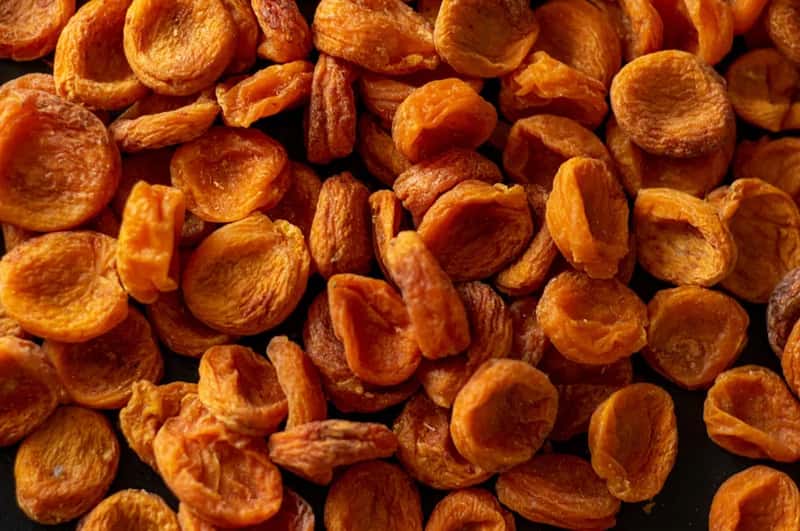
Sun-dried Turkish apricots are naturally sweet, chewy, and surprisingly light for how satisfying they feel. A serving of five to six pieces, roughly 40 grams, typically contains 100 calories, with a macronutrient breakdown of 96% carbs, 0% fat, and 4% protein, and often includes a few grams of fiber that help slow down digestion. That fiber and natural fruit sugar combination gives a small energy boost without the heavier feeling of a candy bar.
Turkey remains one of the world’s largest producers of dried apricots, and vacuum-sealed small bags are common in airport markets and international grocery chains alike. The chewiness forces slower eating, which naturally extends the snacking experience over a longer stretch of flight time. It’s also one of the easier fruit-based snacks to bring through security without worrying about liquid restrictions.
Italian grissini breadsticks
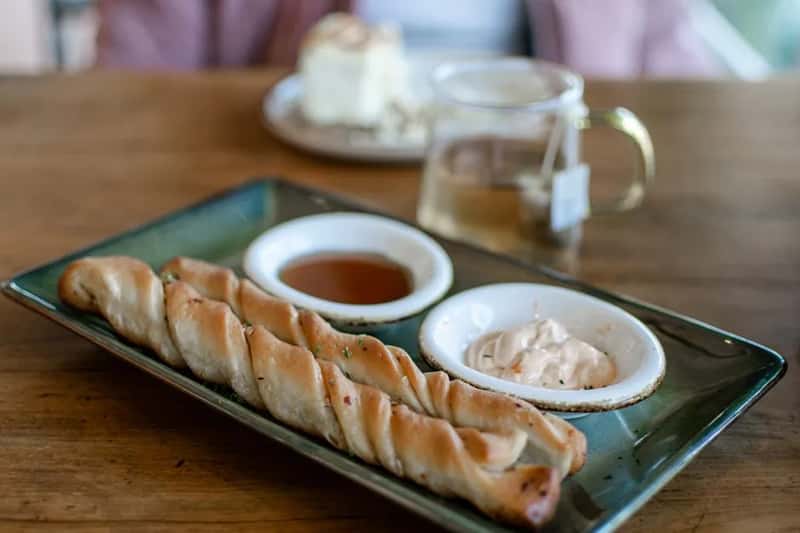
Thin, crisp grissini originated in the Piedmont region of northern Italy and have long been served alongside meals as a light starter. Individually, each stick is quite low in calories, and a modest handful of five or six typically lands well within the 150-calorie range without much fat attached. The thin shape and dry texture make them easy to eat slowly, one at a time, which suits the long stretches of a transatlantic or transpacific flight.
Grissini are widely available pre-packaged in small paper-wrapped bundles, a format that traces back to their origins as an individually portioned bread substitute for people with digestive sensitivities. Because they’re plain and mild in flavor, they also pair easily with small amounts of cheese, olives, or dip without pushing the calorie count much higher. That versatility is part of why they show up in airport cafes and duty-free shops across Europe.
Mexican roasted chickpeas
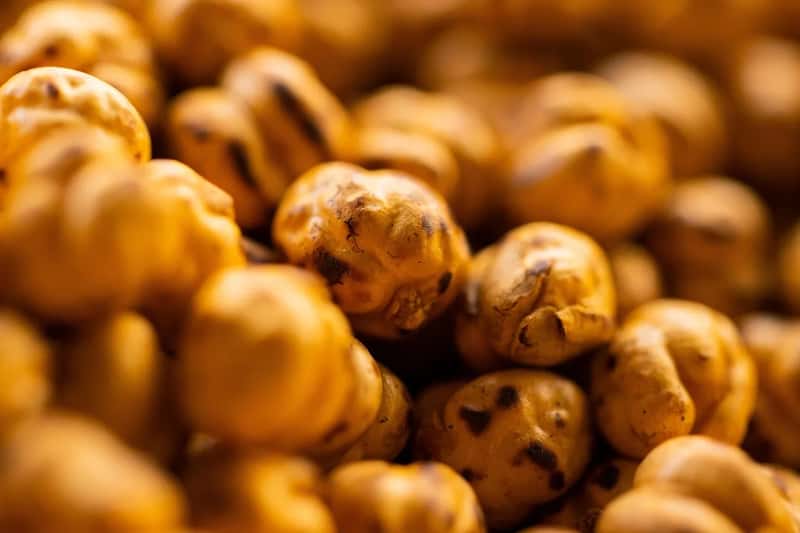
Roasted, lightly salted chickpeas have deep roots in Mexican and broader Latin American snacking traditions, often seasoned with chili, lime, or cumin. A small serving of around 30 grams generally falls in a comparable range to other roasted legume snacks, offering meaningful protein and fiber that make it more filling than its calorie count suggests. That combination of plant protein and fiber is exactly what separates a genuinely sustaining snack from something that just tastes good for five minutes.
Unlike many fried or oil-heavy snack foods, roasted chickpeas get their crunch from baking or air-roasting rather than deep frying, which keeps the fat content modest. The spiced varieties in particular travel well since the seasoning doesn’t rely on refrigeration or fresh ingredients. For travelers wanting something with a bit more substance than a fruit or cracker snack, this is often the better choice for the back half of a long flight.
Packing a small rotation of these snacks rather than relying on one single option tends to work best. Airplane hunger doesn’t arrive all at once, it creeps in gradually over hours, so having a mix of textures and flavors on hand, salty seaweed one hour, chewy apricots the next, makes the whole experience more manageable. None of these will replace an actual meal, but they’re built to bridge the gap without weighing you down before landing.