Ask anyone who has worked a hotel front desk for a few years, and they’ll tell you the regulars have a look. It isn’t the suit or the roller bag. It’s the way they move through a lobby like they’ve done it a hundred times.
Behind that ease are patterns that show up in survey data, booking records and industry reports. Some are old habits, and others are newer, shaped by hybrid work and a business travel market that keeps changing. Here are seven that stand out.
They Arrive on Unpredictable Schedules
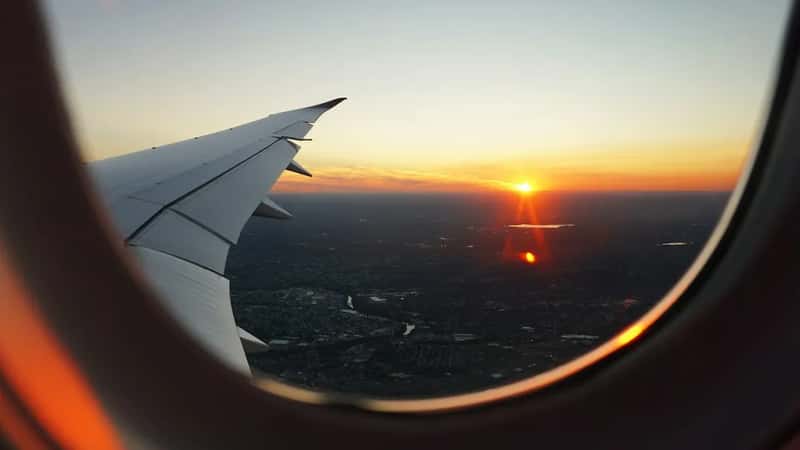
Frequent travelers rarely show up at the hour their booking suggests. Flights slip, meetings run long, and connections change. GBTA’s 2026 analysis points to the conflict involving Iran and the wider Middle East in early 2026, which disrupted aviation and drove longer travel times and different long haul connection points.[1] Late arrivals and odd routings are a reasonable consequence.
Experienced travelers tend to expect this and plan around it. They often message ahead or use a mobile key so a delay doesn’t leave them stranded at midnight. The trip volume is large, too: GBTA projects roughly 1.84 billion work trips worldwide in 2026.[2] That’s a lot of people arriving at odd hours.
They Stretch Trips Over the Weekend
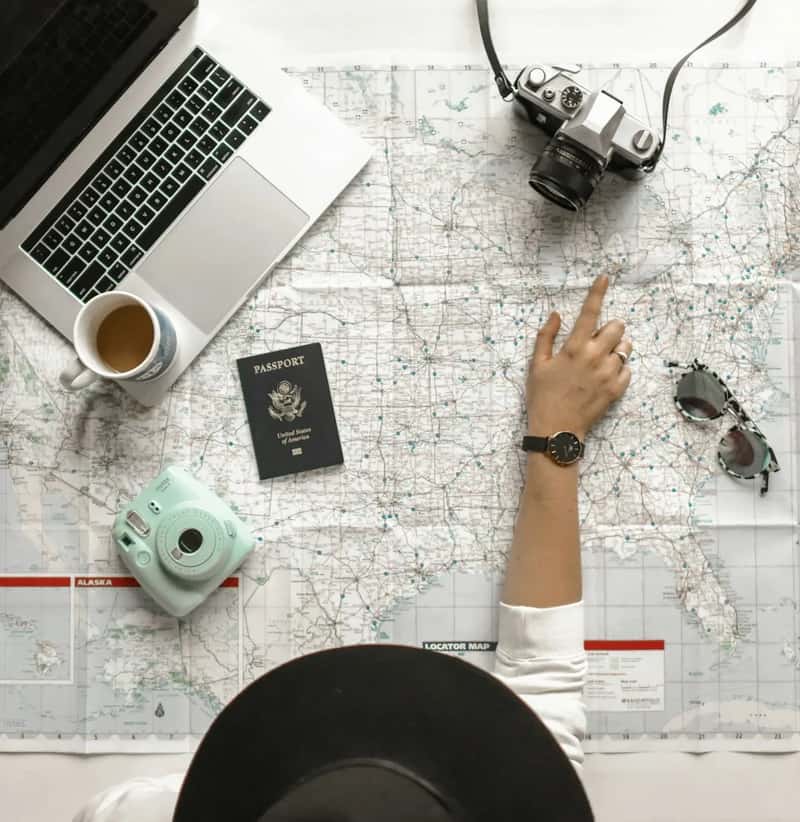
A Thursday checkout has become less of a given. GBTA data cited for 2025 says about six in ten business travelers add at least one leisure element to a trip.[3] Typical versions include arriving early for weekend events, extending a stay to explore the destination, or bringing along a partner or family member.[3]
Hotels notice because these guests change the shape of occupancy. Marriott has reported that business trip stays have trended up about one fifth from 2019, largely because of bleisure journeys.[4] Some industry commentary also describes weekday work plus weekend leisure guests as among the most profitable, since they stay longer, spend more on food and beverage, and are more likely to return.[5]
They Guard Their Loyalty Status

Regulars usually know their tier, their points balance and what a late checkout is worth. That isn’t just habit, it’s strategy. A Hotels.com report found that well over half of business travelers make booking decisions based on loyalty rewards.[6]
The points also don’t stay in the work column. Nearly half of those travelers have used them for leisure travel.[6] Staff often see this play out when a guest politely asks whether a stay counts toward status, or mentions a next trip booked with the same brand.
They Turn the Room Into an Office
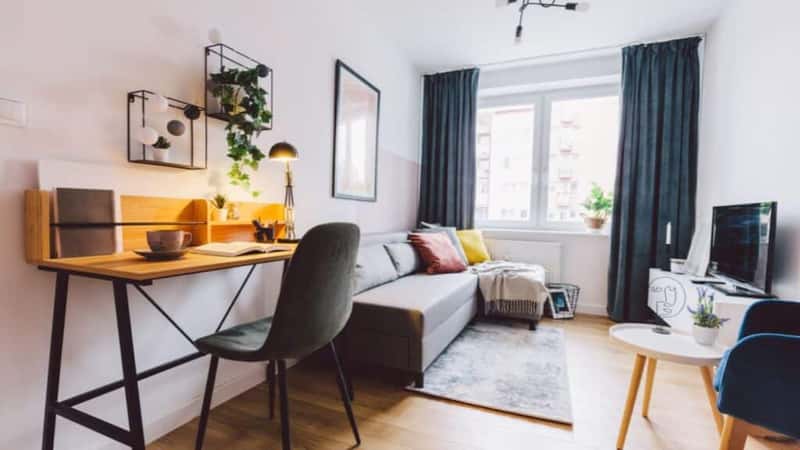
The desk, the chair and the Wi-Fi get tested quickly. Hybrid work means the trip often includes real work time, not just meetings. A 2025 Crowne Plaza survey found that roughly four in five U.S. and U.K. travelers have employers that support remote work.[4]
Guests also want to know what’s on offer before they arrive. Close to half of bleisure travelers say they’d like to book accommodation with an on site coworking space.[7] Hotel technology writers suggest that clear, dependable work perks matter, listing quiet rooms, ergonomic chairs, strong bandwidth, printing and late checkout.[8]
They Build Wellbeing Into the Itinerary

Fewer frequent travelers treat exhaustion as a badge of honor. They pick the direct flight, skip the red eye and leave time to recover. Many are choosing more direct routes and limiting travel outside working hours to reduce fatigue and stay focused.[4]
At the hotel, that shows up as requests for a quiet floor, an early dinner or a gym slot before the first meeting. It also fits a wider mood. Travelers are becoming more intentional about how they structure trips, often prioritizing wellbeing alongside productivity.[4]
They Treat the Trip as a Small Upgrade
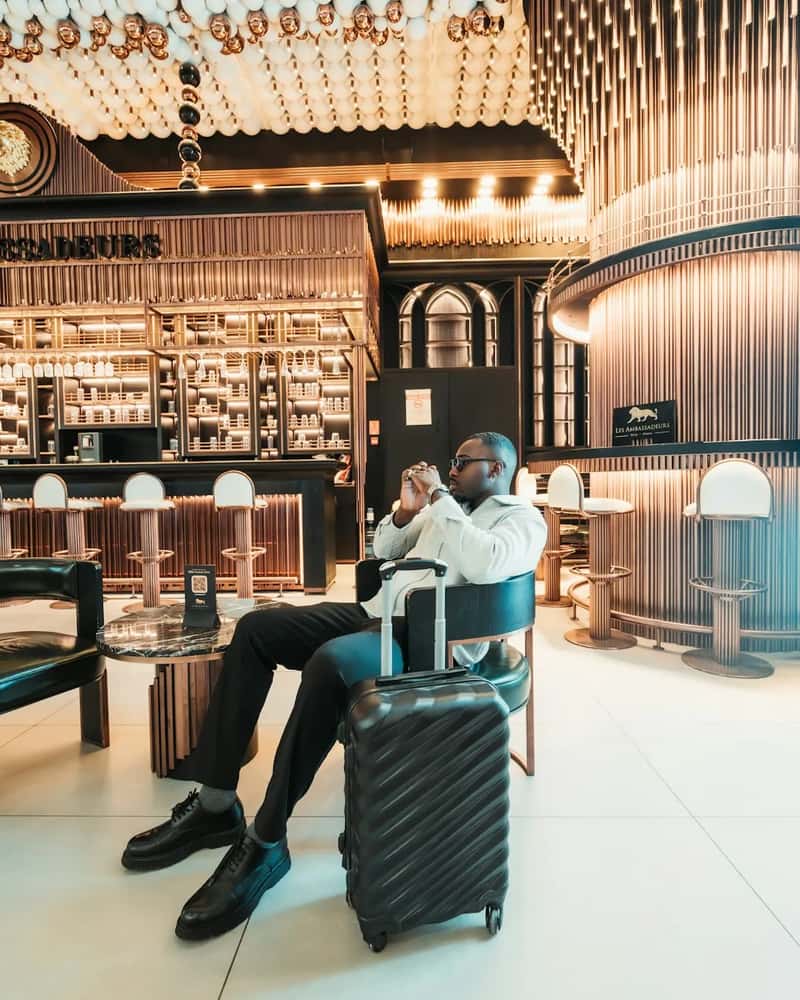
Not every business traveler is chasing the cheapest option. Younger professionals in particular see a work trip as a moment to treat themselves. They choose higher end hotels, room service and fine dining that blend work with leisure.[6]
The Hotels.com research backs that up with numbers. Eighty five percent of Gen Z and 88 percent of millennials said work trips are a chance to upgrade their lifestyles.[6] That can mean more room service orders and more questions about suites or dining reservations than a traditional business guest might have made.
They Pay for Extra Days Themselves
Many travelers quietly cover the personal portion of a longer stay. One report says a majority of surveyed travelers independently add personal days without reimbursement.[3] Front desk teams might notice it when a guest asks to split the bill or switch payment methods partway through a stay.
For some, this is the only vacation they can manage. Roughly one in five American employees say bleisure trips are the only way they can afford a vacation.[7] Staying put helps, too: the vast majority of employees who extend their trips remain in the same hotel throughout.[4]