Picture this. You’ve just landed in a new country, excited about your hotel stay, ready to unwind after a long flight. Everything seems perfectly normal until you notice the subtle frown from the housekeeper, or that awkward interaction at the front desk.
Here’s the thing. What passes as polite or acceptable in one country can be downright offensive in another. Hotels have become cultural crossroads where travelers unknowingly commit social blunders that leave staff frustrated and local guests puzzled. These missteps happen daily, in hotels across every continent, from budget hostels in Bangkok to luxury suites in Paris.
Let’s be real, nobody wants to be that tourist. Yet certain behaviors persist because travelers simply don’t realize they’re crossing cultural lines. What follows might surprise you, or at the very least, make your next international hotel stay a whole lot smoother.
Wearing Shoes Indoors in Asian and Scandinavian Hotels
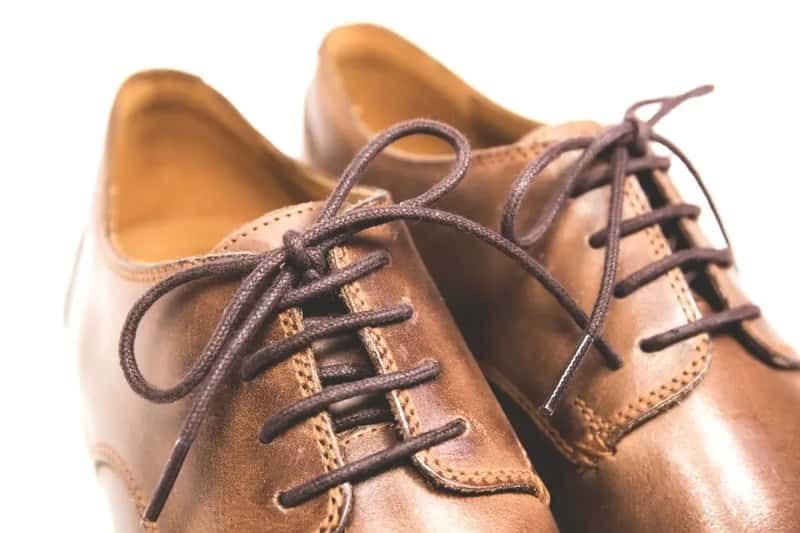
In many Asian countries, removing shoes before entering a room or certain spaces is a common practice. This isn’t just about cleanliness. Religious beliefs strongly influence shoe removal customs in many cultures, where the practice often symbolizes purification, respect, and the transition from the secular world into a sacred or pure space. Some travelers stubbornly keep their shoes on, assuming hotels operate differently from private homes.
In Thai culture, the feet are considered the lowest part of the body, and wearing shoes indoors is seen as disrespectful, especially in sacred or private spaces. Scandinavian countries like Sweden, Norway, and Denmark practice shoe removal as both a practical and social custom that reflects values of equality, environmental consciousness, and respect for shared spaces. Even in moderate budget hotels across Malaysia and Thailand, you’ll find shoe removal expected at entrances. Walking through hotel corridors with dirty sneakers essentially broadcasts your ignorance of local customs.
Over-Tipping or Under-Tipping Hotel Staff

Americans abroad often bring their generous tipping culture everywhere, which sounds kind until you realize it can actually cause problems. In Japan, tipping after a meal isn’t part of the culture and can even be seen as offensive, as exceptional service is the standard, and leaving a tip might suggest that the service wasn’t already up to scratch. Imagine handing cash to a Japanese hotel concierge only to have them chase you down the hallway to return it, embarrassed.
Tips are not considered offensive in Europe except for the Nordic countries (Denmark, Norway, Sweden, Finland, and Iceland) where staff may choose not to accept the tip or tell you it is not necessary. Many cultures and businesses do find tipping offensive, and American tourists are now singled out for those who want to take advantage, since Americans are known for leaving big tips. Conversely, stiffing hotel staff in countries where tipping is customary and expected can mark you as cheap or culturally clueless.
Ignoring the “Do Not Disturb” Sign Etiquette
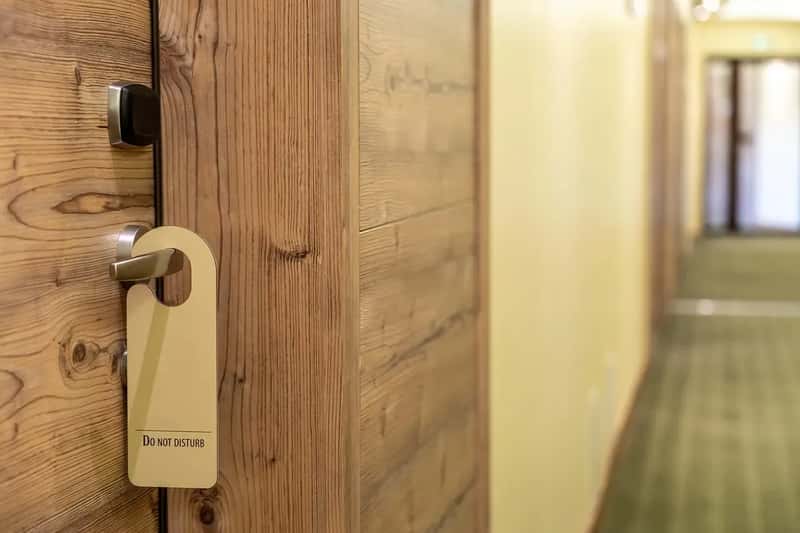
This one seems simple enough, right? Except tourists mess it up constantly. In many cultures, housekeeping is exceptionally punctual, and if you don’t hang the physical sign or press the digital privacy button, you might find a staff member entering your room while you’re still in bed; conversely, if you leave the sign on all day, you might miss out on fresh towels and turn-down service.
Different countries have different expectations around privacy and service. Some European hotels expect you to actively request cleaning daily, while others assume you want it unless told otherwise. Leaving that sign dangling for three days straight without communicating with housekeeping creates confusion and can actually offend staff who take pride in maintaining room standards. It’s hard to say for sure, but finding the balance matters more than you’d think.
Being Loud in Public Spaces and Hotel Rooms
Travel blogger Veronika Primm encountered a group of young American visitors on a crowded bus in Prague who were standing in a circle, talking loudly about their favorite rugby players, and many Czechs get annoyed when there’s a group of tourists being super loud, especially in quiet environments such as public transport. Hotels are no different. What feels like normal conversation volume in an American hotel lobby can seem shockingly aggressive in quieter cultures.
Keep phone calls brief and try not to talk loudly in public spaces, or when you’re in a hotel room at night. Late-night conversations in hallways, booming laughter echoing from breakfast buffets, or FaceTime calls on speaker in the lobby – these behaviors mark you instantly as culturally tone-deaf. Honestly, volume control is one of the easiest things to adjust, yet travelers continue broadcasting their presence like they’re the only guests in the building.
Leaving Excessive Mess for Housekeeping
A study by Cornell University’s School of Hotel Administration found that only 30% of hotel guests consistently tip housekeeping staff, and housekeeping staff in luxury hotels can earn up to 25% of their annual income from tips. Leaving your room looking like a disaster zone without any gratuity or acknowledgment is particularly insulting in cultures where hospitality workers already earn low wages.
Hotel employees pointed out habits of guests, such as smoking in hotel rooms, which are less acceptable behaviors in some countries. Wet towels thrown everywhere, food wrappers stuffed between cushions, or bathroom floors flooded after showers – these aren’t just inconsiderate. They represent a fundamental disrespect for the people tasked with cleaning up after you. The expectation isn’t perfection, just basic tidiness and recognition that real humans will handle what you leave behind.
Misunderstanding Breakfast Etiquette and Food Portions
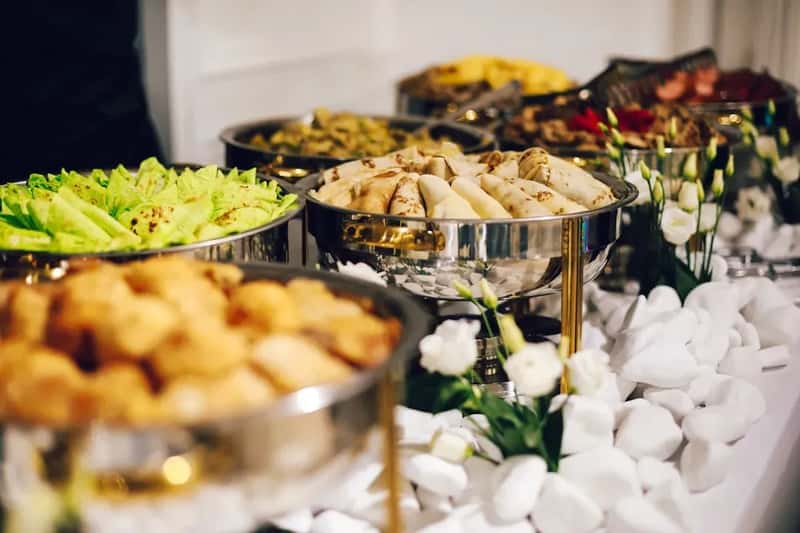
Ignoring the breakfast staff can cause problems; be sure to greet them and look them in the eye. Beyond basic courtesy, how you handle food at hotel breakfast buffets reveals cultural awareness or lack thereof. In some cultures, leaving food on your plate is actually polite, as eating it all is considered rude; at a Chinese banquet, eating everything on your plate leaves the impression that you’re still hungry, which is offensive to the host.
Piling your plate sky-high only to waste half of it shows poor judgment anywhere, but in countries where food waste is taken seriously, it’s genuinely offensive. Meanwhile, finishing every morsel in China might prompt staff to keep bringing more, thinking you’re still starving. These unspoken rules trip up even experienced travelers who assume buffet etiquette is universal.
Demanding American-Style Customer Service Everywhere
Let’s be honest about this one. The “customer is always right” mentality doesn’t translate globally. Cultural differences can lead to outcomes such as service failures, which can be a stressor for hotel employees and trigger emotions such as frustration and intimidation. Snapping fingers at hotel staff, demanding immediate solutions to minor inconveniences, or complaining loudly when things don’t match your home country’s standards creates tension.
Failing to be mindful of local customs regarding tipping, room service, or noise levels can lead to awkward moments; always research cultural norms in the area to ensure you’re respecting local practices during your stay. Despite greater cultural sensitivity in hospitality, the majority of hotels still shortchange guests when they are foreign culture guests due to lack of formal cultural sensitivity training, insufficiently multicultural facilities, and patchy service accommodations. That means both sides struggle with these interactions, but approaching hotel staff with patience and cultural humility makes everything smoother.
A Different Kind of Stay Awaits
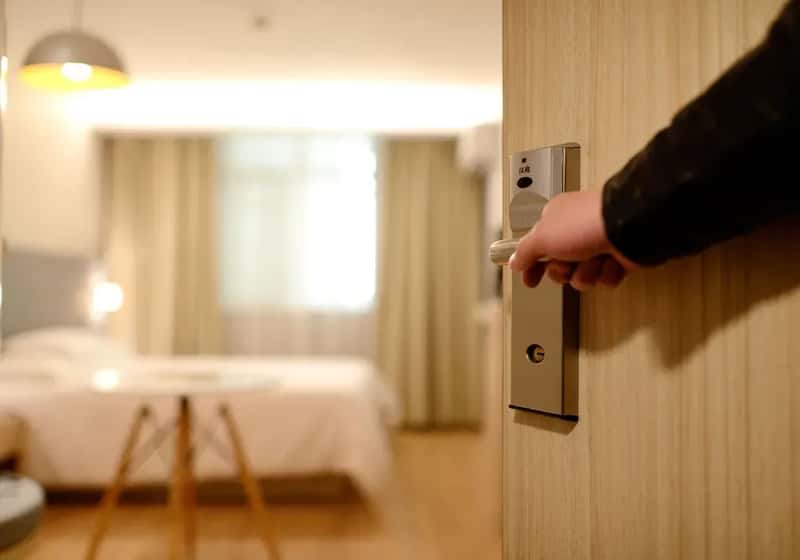
Travel should broaden your perspective, not just your passport stamp collection. These seven habits persist because they’re ingrained behaviors from home, habits so automatic we don’t question them until someone’s visibly uncomfortable or annoyed. The good news? Awareness fixes most of these issues instantly.
Next time you check into a hotel overseas, pause before you act. Watch what locals do. Ask questions when unsure. Show respect for the cultural space you’re entering, even if it’s just a budget hotel room for one night. Your stay will be infinitely better when you’re not accidentally insulting everyone around you. What surprised you most from this list?