Owning a place by the sea used to feel like a luxury reserved for the wealthy. That is changing fast, at least in a handful of countries where currency differences, emerging infrastructure, and open-door property laws still make beachfront living surprisingly attainable. From the Adriatic to the Mediterranean and beyond, these markets let foreign buyers pick up a coastal apartment or villa for a fraction of what similar properties cost in Spain, France, or the United States.
Before packing your bags, it helps to know where the real bargains still exist, what the legal process looks like for outsiders, and how fast prices are moving. Some of these markets are still genuinely affordable, while others are heating up quickly as word spreads. Here is a closer look at seven places where a coastal home remains within reach.
1. Albania
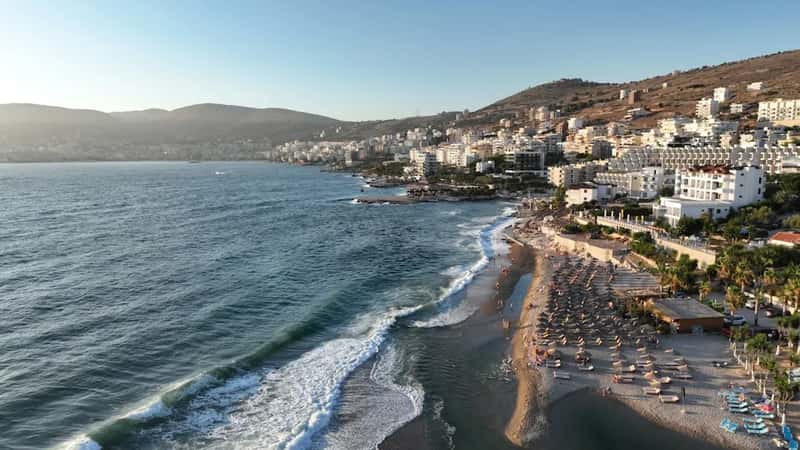
Albania has quietly become one of the last affordable stretches of Mediterranean coastline in Europe. Albania is one of the last affordable Mediterranean property markets in Europe, with prices a fraction of what buyers would pay in Greece, Croatia, or Montenegro for comparable coastal locations.[1] Foreigners face no special restrictions here, since foreign citizens can buy most types of real estate in Albania, including apartments, houses, villas, and commercial properties, with no restrictions based on nationality, and no visa or residence permit needed to purchase.[1]
Coastal towns like Saranda and Vlora are drawing the most attention, and prices reflect that. The best regions to buy property in Albania in 2025 include Saranda, with the highest rental yield of 8 to 10 percent and prices between 1,600 and 3,000 euros per square meter, and Vlora, with a new international airport and prices between 1,400 and 2,400 euros per square meter.[2] That said, the window for true bargains may be narrowing, since coastal cities like Sarande and Vlore have seen the steepest price increases, with some areas recording 25 to 58 percent annual growth in 2025.[3]
2. Bulgaria
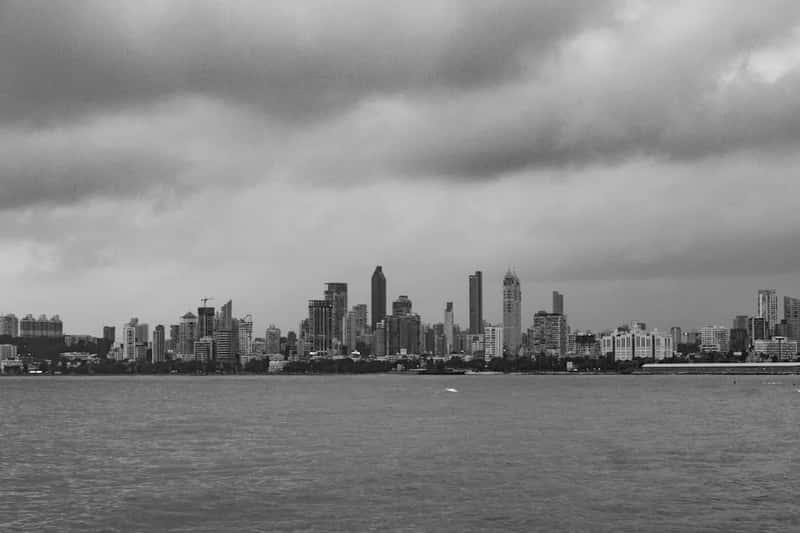
Bulgaria’s Black Sea coast has long been a budget-friendly alternative to Western Europe, and it still offers some of the continent’s cheapest seaside real estate. On the Black Sea coast, Varna ranges from 1,600 to 2,600 euros per square meter depending on the district and proximity to the sea, while resorts like Nessebar, Sunny Beach and St. Vlas run from 850 to 2,000 euros per square meter.[4] Some emerging spots are even cheaper, with modern apartments in areas like Pomorie and Byala starting around 1,000 to 1,300 euros per square meter.[5]
Foreign ownership rules are straightforward for apartments, though land comes with a catch. Foreign citizens can fully own apartments and buildings in Bulgaria, including along the Black Sea, but owning land such as a house with a yard may require registering a Bulgarian legal entity.[6] Demand from abroad remains strong too, since foreign buyers comprise around 40 percent of sales in hot coastal areas.[7] With Bulgaria’s recent eurozone entry, prices are still climbing but at a calmer pace than the buying frenzy seen in 2025.
3. Turkey
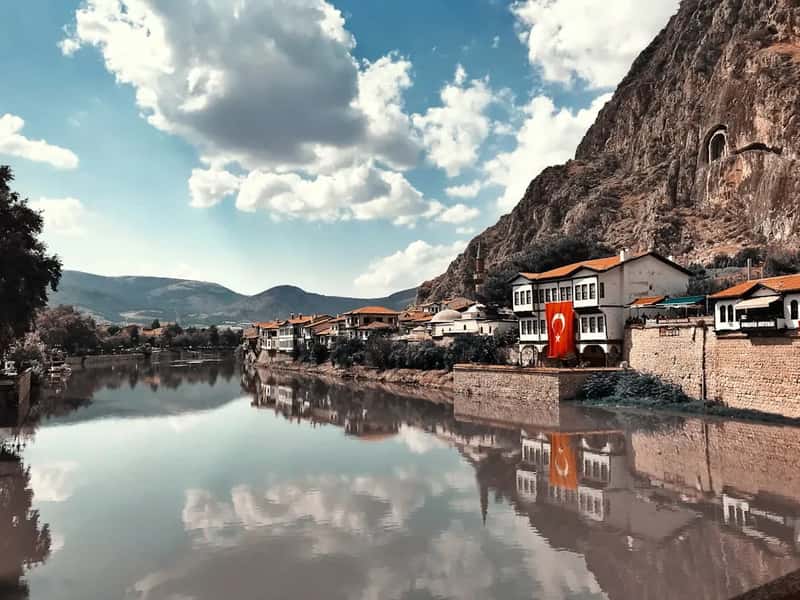
Turkey pairs genuinely low coastal prices with one of the world’s more accessible paths to citizenship through property investment. In 2026, average property prices run around 2,530 dollars per square meter in Antalya and 3,309 dollars per square meter in Bodrum.[8] Budget hunters can do even better outside the prime districts, since in budget-friendly areas like Mersin or Kepez in Antalya, prices sit around 585 dollars per square meter.[9]
Rental returns along the coast are another draw for buyers. Alanya, a district within Antalya province, reports some of the highest rental yields in Turkey at 8 to 12 percent gross.[10] For those thinking bigger, Turkey’s real-estate program grants citizenship to foreigners who spend at least 400,000 dollars on Turkish property, which can be divided among multiple properties and used as long-term rentals.[11] Antalya remains the top pick for foreign buyers overall, particularly those coming from Russia, Germany, and the Middle East.
4. Egypt
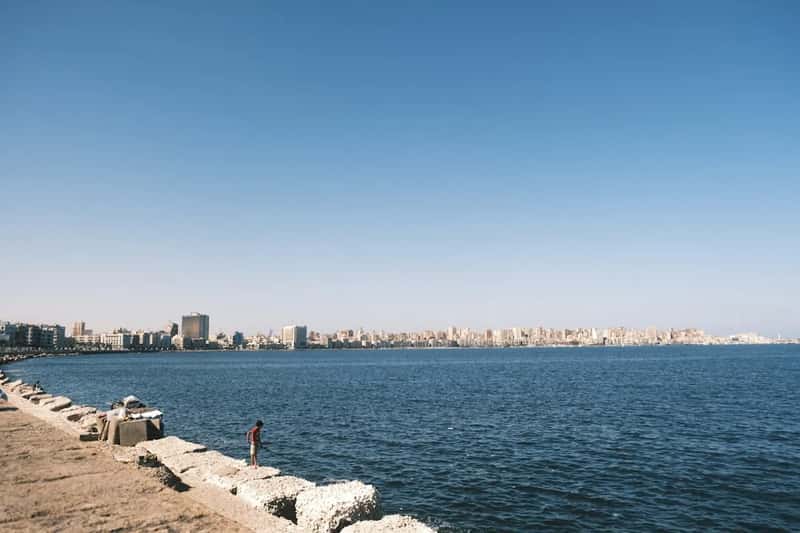
Egypt’s coastline offers a striking split between pricey luxury resort zones and genuinely affordable coastal cities. Alexandria stands out as the budget option, since Alexandria offers Egypt’s most affordable major city prices at 7,300 Egyptian pounds per square meter for apartments, making it attractive for budget-conscious buyers seeking coastal living.[12] The Red Sea side has its own entry points too, where beachfront prices range from around 1,000 dollars per square meter in Sahl Hasheesh to more than 4,000 dollars per square meter in premium areas like El Gouna and North Coast compounds.[13]
The North Coast, once a summer-only playground, has grown pricier as Gulf buyers pour in, with prices in that corridor climbing roughly 10 percent a year according to local brokers. Still, the country’s weaker currency continues to work in favor of foreign buyers, since a depreciating Egyptian pound makes property purchases relatively cheaper for anyone paying in dollars, euros, or Gulf currencies. Most developers also offer long installment plans, which lowers the upfront barrier considerably for international buyers willing to commit to a payment schedule.
5. Montenegro
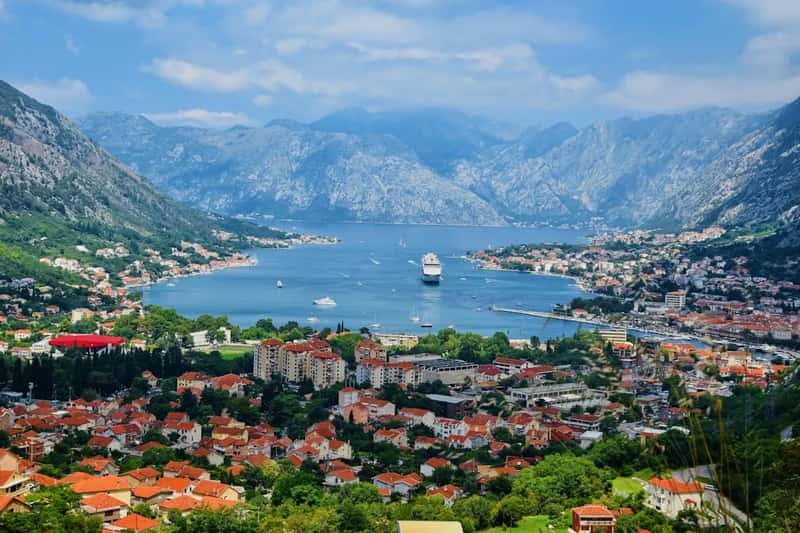
Montenegro’s Adriatic coastline sits right next door to Croatia, yet property here typically costs noticeably less for comparable sea views and access. Towns along the Bay of Kotor and the stretch near Budva and Herceg Novi have become popular with foreign retirees and remote workers looking for a slower pace without abandoning coastal living entirely. The country allows foreigners to buy most types of property on largely the same terms as domestic buyers, which has helped keep the market open and relatively uncomplicated for outsiders.
What makes Montenegro appealing beyond price is its EU candidacy status, which mirrors the trajectory seen in Albania. Buyers betting on eventual accession are essentially wagering that property values will rise as the country moves closer to European integration, a pattern that has played out in other Balkan and Baltic states before their own EU entries. For now, though, Montenegro’s smaller and quieter coastal towns still offer some of the more reasonably priced seafront options in the wider Adriatic region.
6. Mexico
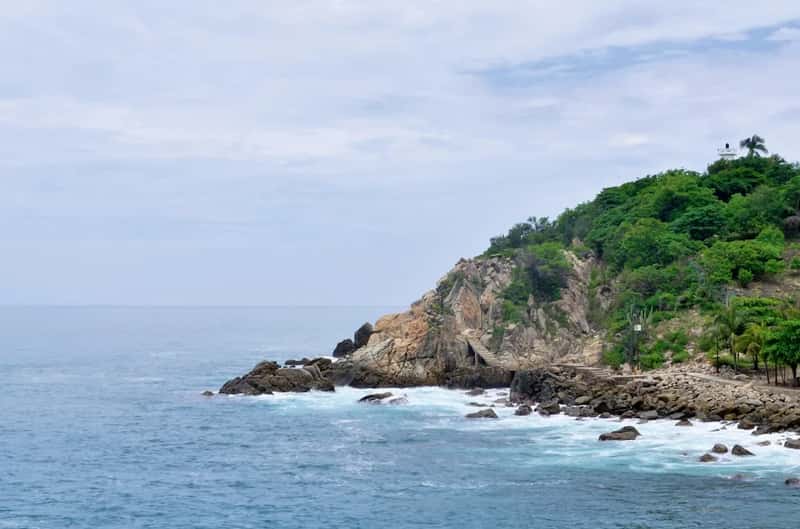
Mexico’s Pacific and Caribbean coasts remain a favorite for North American buyers chasing affordable beachfront living without leaving the continent. Areas like Mazatlán, the Riviera Nayarit, and parts of the Yucatán coast near Progreso still offer entry points well below what similar coastal property would cost in the United States or Canada. Foreigners cannot hold direct title within the restricted zone near coastlines and borders, but they can legally purchase through a bank trust known as a fideicomiso, a system that has been in place for decades and is well understood by local notaries and lawyers.
The fideicomiso structure adds a layer of paperwork, yet it has not slowed the steady flow of foreign buyers into coastal Mexico. Popular tourist corridors like the Riviera Maya command higher prices, while lesser-known towns along the Pacific coast still offer more modest costs of entry. Currency swings between the peso and the dollar also play a role, occasionally making Mexican coastal property even more attractive to buyers holding stronger foreign currencies.
7. Panama
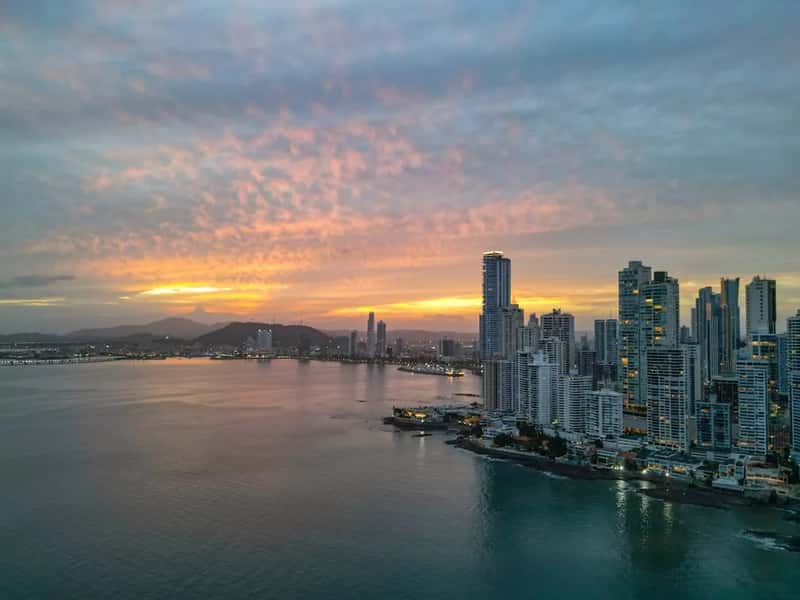
Panama offers foreign buyers full ownership rights on most coastal property, a rarity that sets it apart from several neighbors in the region. The Pacific coast near Coronado and the beach towns closer to Panama City have built a reputation among American and Canadian retirees, while the Caribbean side, particularly Bocas del Toro, appeals to a younger crowd drawn by its laid-back island feel and lower cost of living. Because the country uses the US dollar alongside its own balboa, currency risk is largely off the table for American buyers.
Panama’s Pensionado visa program, which offers generous discounts and a relatively low income requirement for retirees, has long worked hand in hand with its property market to attract foreign residents. Coastal towns outside the capital tend to be significantly cheaper than Panama City itself, and undeveloped stretches of coastline still exist for buyers willing to look beyond the most established expat hubs. The legal process for foreigners is comparatively simple, with no restricted zones or special trust structures required, unlike in Mexico.
Taken together, these seven markets show that affordable coastal living is still possible in 2026, though the window keeps shifting from place to place. Albania and Bulgaria are climbing fast as word spreads among European buyers, Turkey continues to blend low entry costs with a citizenship incentive, and Egypt’s cheaper stretches sit alongside rapidly appreciating resort zones. Montenegro, Mexico, and Panama round things out with steadier, longer-established markets that have quietly welcomed foreign buyers for years.
None of these destinations are risk-free investments, and currency shifts, local regulations, and infrastructure gaps can all affect long-term value. Still, for anyone dreaming of a home within earshot of the waves without a seven-figure budget, these seven countries remain some of the most realistic places to start looking.