There was a time when certain cities and beach towns carried a kind of quiet promise: cheap flights, cheaper rent, and a bowl of something delicious for a couple of dollars. Travelers built entire itineraries around these places precisely because money stretched so far there. Word got around, though, and word tends to change things.
What happens next follows a familiar pattern almost everywhere it occurs. Remote workers arrive first, then investors, then hotel chains, and the local economy reshapes itself around visitors rather than residents. The seven places below were once shorthand for budget travel. Today, they tell a more complicated story.
Lisbon, Portugal

Lisbon spent years as the affordable alternative to Paris or London, the kind of city where a decent one-bedroom apartment cost a fraction of what it did elsewhere in Western Europe. That reputation has been slipping. Prices in Lisbon have increased over the last couple of years, driven by a 17.5 percent year-on-year surge in housing prices in the fourth quarter of 2025.
Rent now eats a startling share of household income for many residents. An expert interviewed by the BBC noted that in Lisbon and Porto, rent can consume between 40 and 50 percent of a family’s income. Part of the shift traces back to policy: the introduction of digital nomad visas and residence permits for remote workers has attracted expats who typically earn significantly more than the local population. Lisbon still costs less than San Francisco or Amsterdam, but it no longer feels like the bargain it once was.
Tulum, Mexico
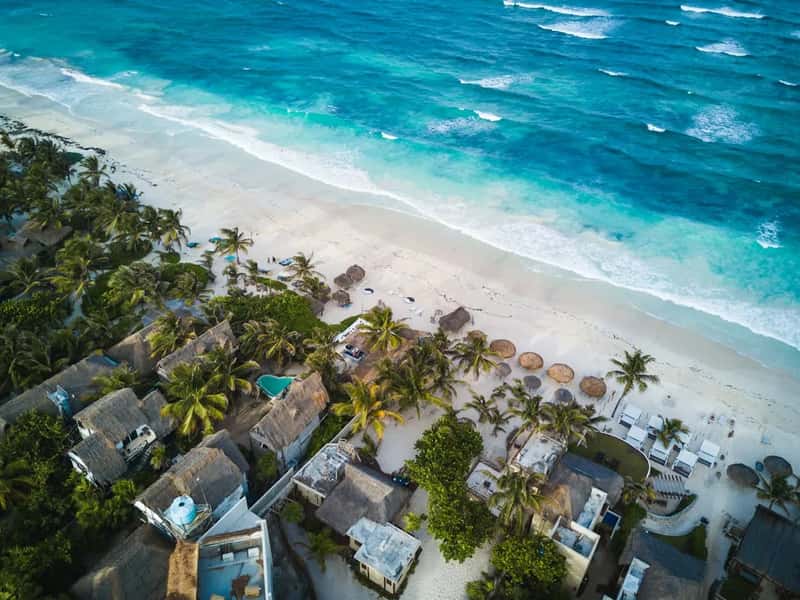
Tulum’s transformation from sleepy fishing village to bucket-list destination happened fast, and the price tags followed just as quickly. Average nightly hotel rates reached $450 in 2025, representing a 25 percent increase from 2023. That climb priced out a good chunk of the budget travelers who once made up the town’s backbone.
Access to nature itself got more expensive too. A family of four went from paying 500 Mexican pesos, or about $30, to 1,400 pesos, or about $75, to access the archaeological site and coastal area after a public beach came under new management. The irony is that rising costs have coincided with a tourism slump rather than a boom, as visitors increasingly look elsewhere along Mexico’s coast for value.
Mexico City, Mexico
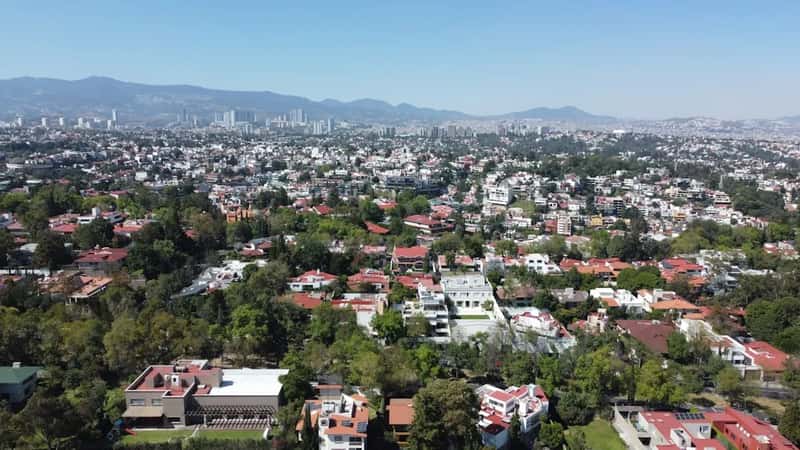
Mexico City used to be the classic example of a capital where a modest salary went a long way. That equation has broken down in certain neighborhoods. Rents in Roma and Condesa have climbed 20 to 30 percent since 2020, pricing out many local professionals.
The scale of the shift becomes clearer when you look at the underlying real estate numbers. The price per square meter of apartments has recently increased in Mexico City by a factor of four in nominal pesos, while average family income has not gone up, meaning affordability has fallen by the same factor. The backlash has been loud and visible, with residents holding repeated demonstrations over the past year against what they see as displacement driven by short-term rentals and remote-worker migration.
Canggu, Bali

Canggu built its reputation on cheap surf shacks, five-dollar smoothie bowls, and villas that cost less per month than a studio apartment back home. That version of Canggu is fading. The average price of villas in Bali increased by approximately $163,000 in one year, rising from $321,000 in early 2024 to nearly $484,000 in early 2025.
Land hasn’t been spared either. In Canggu, Uluwatu, and Tabanan, land values have increased 50 percent since 2019, with annual growth rates of 6 to 8 percent. Demand shows no sign of cooling, since occupancy rates in Canggu exceed 90 percent, giving landlords the leverage to command premium prices. What was once Southeast Asia’s digital-nomad bargain now competes on price with parts of Southern Europe.
Tbilisi, Georgia

Tbilisi earned its cult following among backpackers and remote workers as one of the last genuinely cheap capitals in wider Europe. That title is getting harder to defend. While Tbilisi in general is still very cheap by Western standards, the cost of living continues to increase, rent prices have gone up a lot in recent years amid dwindling supply, and salaries have not kept up with the increase in expenses.
Even the humble local dish used to track inflation shows the trend. ISET’s Khachapuri Index, an unofficial tool measuring inflation through the cost of cooking a traditional Imeretian khachapuri, hit an all-time high of 7.30 lari in October 2025, up from 3.35 lari when the index launched in 2014. Public transport costs have moved in the same direction, with the cost of public transport in Tbilisi doubling in 2022 alone. It remains cheaper than most of Europe, but the gap is narrowing every year.
Prague, Czech Republic
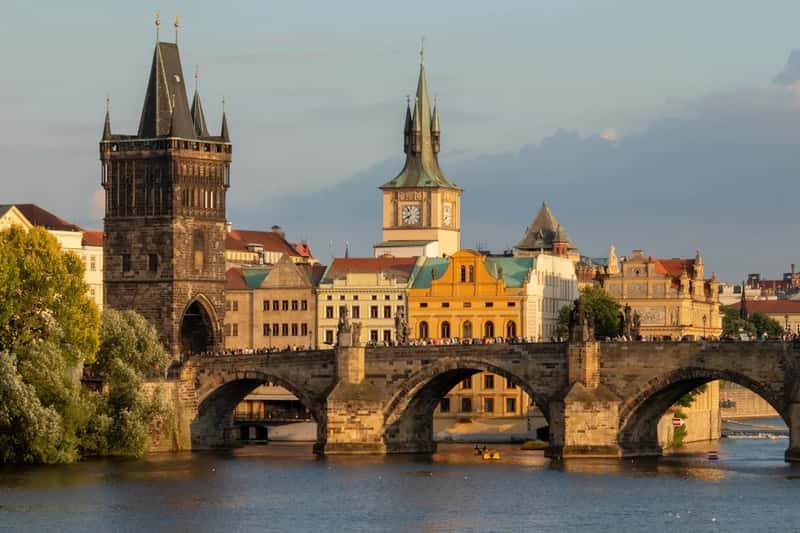
Prague was the original post-Cold War budget darling, a city where beer cost less than bottled water and rent was almost an afterthought. Decades of tourism growth have closed that gap considerably. Cost of living in Prague is now 48 percent more expensive than in Tbilisi, one of the region’s remaining budget capitals.
Accommodation has climbed right alongside everything else. A central room in Prague or Budapest might easily reach 120 to 180 dollars in high season, with meals in trendy districts edging closer to Western European price levels. For travelers who remember Prague as a shoestring destination in the 1990s or early 2000s, a modern visit can come as a genuine surprise. The old town is as beautiful as ever, but it charges accordingly now.
Reykjavik, Iceland
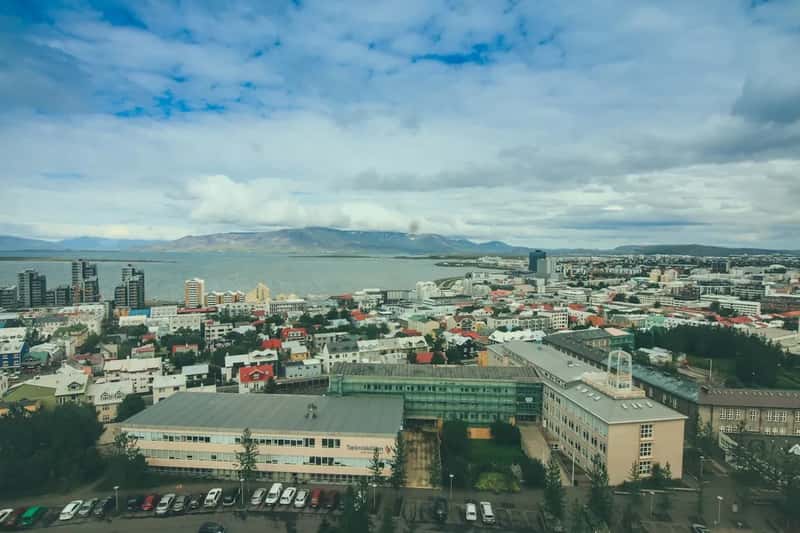
Iceland spent most of the twentieth century as a remote, sparsely visited island that few budget travelers bothered including on a European itinerary. That changed dramatically after the country’s tourism board launched an aggressive international marketing push in the early 2010s, turning volcanic landscapes and geothermal pools into some of the most photographed scenery on social media. Visitor numbers grew far faster than the country’s small population and modest infrastructure could comfortably absorb.
The result is a capital city where a simple restaurant meal or a rental car now routinely costs more than in London or Paris. Much of this comes down to basic economics: a nation of roughly four hundred thousand people cannot easily scale up hotel rooms, restaurants, and staff to match millions of annual arrivals without prices climbing. Reykjavik still draws travelers in huge numbers each year, but almost none of them describe the trip as cheap anymore.
These seven destinations share a similar arc. They earned their reputations for affordability at a particular moment, then attracted enough attention that the moment passed. None of them have become unaffordable outright, and each still offers better value than the priciest capitals in North America or Western Europe. What’s changed is the assumption that traveled well a decade ago no longer holds: cheap yesterday does not guarantee cheap today, and the places worth watching now are often the quieter ones that haven’t made anyone’s list yet.