
Picture walking through a city where every third person is pulling a suitcase, where your favorite café has been replaced by a tourist shop selling keychains, and where the rent has doubled because landlords prefer short-term visitors over long-term residents. This isn’t a dystopian fantasy but the daily reality for millions of people living in the world’s most popular tourist destinations. While tourism brings economic benefits, the scale has reached a breaking point where visitors vastly outnumber the people who actually call these places home.
Santorini, Greece: An Island Under Siege
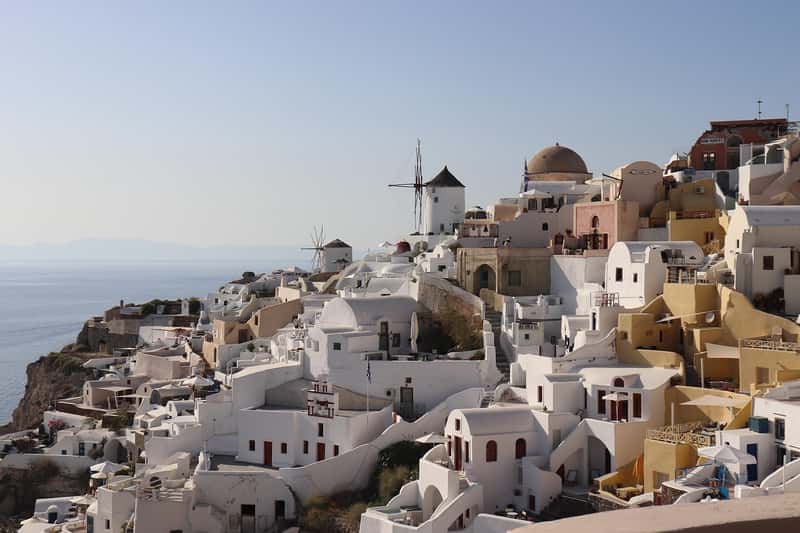
Santorini’s 15,000 permanent residents are regularly overwhelmed by tourists who outnumber them several times over during peak season. Reports from 2024 show up to 18,000 cruise passengers overwhelming the island daily, creating scenes that resemble a human flood more than a peaceful vacation. The narrow streets of Oia, once charming pathways through a traditional Greek village, now become impassable rivers of humanity during sunset viewing hours.
Residents face concerns about water supply shortages and the environmental impact of constant construction to accommodate tourists. The island’s infrastructure, designed for a small permanent population, buckles under the weight of massive visitor numbers. Traffic jams, overbooked hotels, and overwhelmed restaurants have become the norm rather than the exception.
Barcelona, Spain: When Tourism Becomes a Battleground
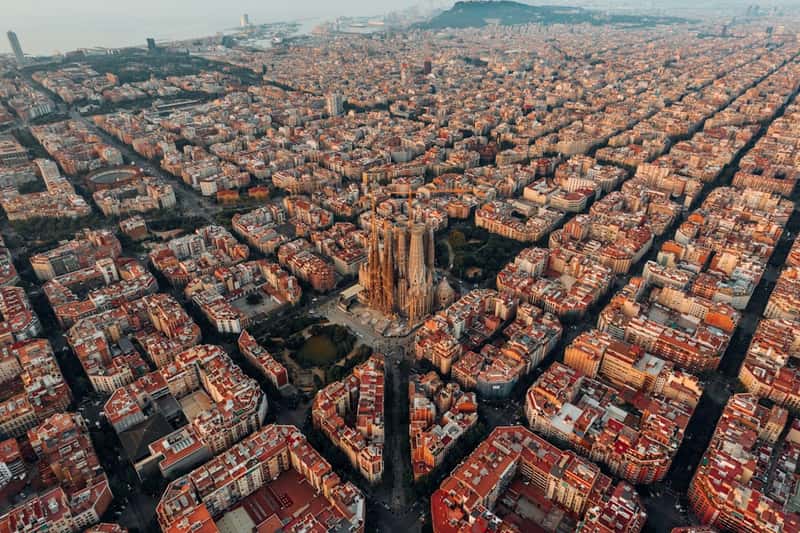
Barcelona welcomed approximately 14.2 million tourists in 2024, creating a stark imbalance with its population of just 1.7 million residents. The math is staggering: tourists outnumber locals by nearly nine to one during peak periods. Local administrative assistant Andreu Martínez captured the sentiment perfectly: “Barcelona has been handed to the tourists. This is a fight to give Barcelona back to its residents”.
The frustration reached a boiling point in July 2024 when residents used water pistols against tourists in coordinated protests. Protesters carried signs reading “One more tourist, one less resident”, highlighting the housing crisis that forces locals out of their own neighborhoods. Short-term rentals have exacerbated the problem, with protesters arguing that mass tourism is pricing out locals and turning entire neighborhoods into tourist ghettos.
Venice, Italy: A City Becoming a Museum
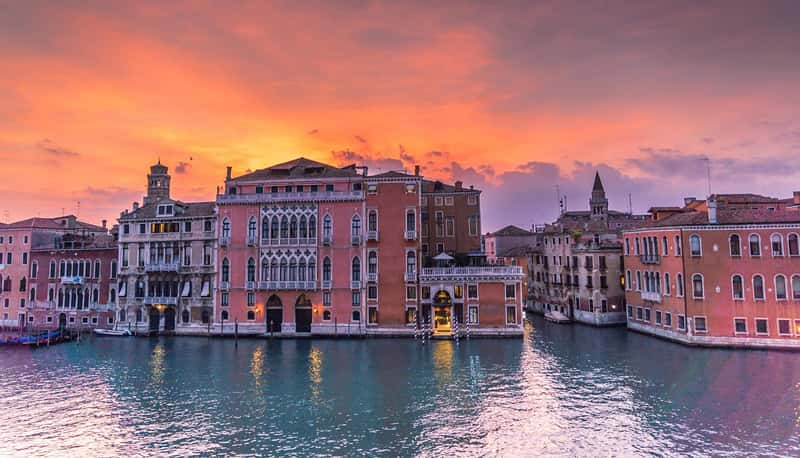
Venice’s historic canals attract millions of visitors each year, far outnumbering its small population of around 50,000 residents. In 2024, approximately 12 million passengers passed through Venice’s airport, further straining its already fragile infrastructure. The numbers tell a devastating story of a living city transforming into a theme park.
Local musician Alessio Centenaro describes feeling like “a salmon going against the flow” when cycling through crowds of arriving tourists. While Venice has always been a tourist city, it once had a sizable resident population, but today only 48,000 people live there officially. Protests have emerged with banners calling for a halt to new hotel beds, particularly after activists claim the last resident of one historic building was evicted to make way for tourist accommodation.
Copenhagen, Denmark: Tourist Tsunami Hits Nordic Capital
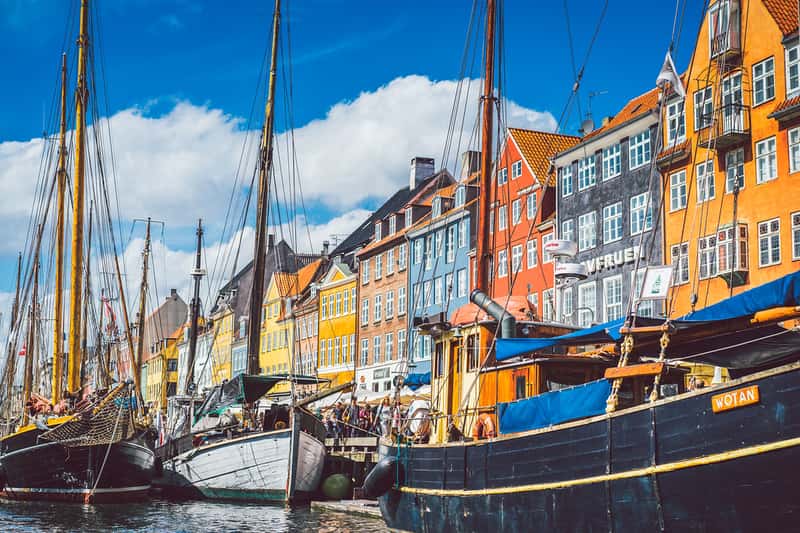
Copenhagen saw more than 12 million international overnight stays in 2023 against a population of around 600,000 residents, creating a ratio of twenty tourists for every local during peak periods. The Danish capital has taken a notably different approach compared to other overtourism hotspots. Instead of penalizing tourists, Copenhagen rewards good behavior through the Copenpay scheme, where visitors who pick up litter, ride bikes, or volunteer in urban parks can claim free ice cream and museum discounts.
The innovative approach was considered successful enough to return for summer 2025. However, the underlying pressure remains intense, with residents increasingly concerned about the city’s transformation under tourist pressure.
Iceland: When Nature Becomes Too Popular

Iceland welcomed 2.26 million international tourists in 2024, representing a significant increase from previous years. With a total population of roughly 380,000 people, this means nearly six tourists visit for every resident annually. Most tourists come from the United States (27.5% market share), followed by the United Kingdom and Germany.
The tourism pressure has reached such levels that the tourism pressure has led to various infrastructure challenges. The Capital Region draws 97% of visitors, while natural wonders like Geysir/Gullfoss attract 59.4% of tourists. Local infrastructure struggles to cope with the seasonal influx, particularly during the summer months when visitor numbers peak dramatically.
Prague, Czech Republic: Medieval Charm Under Modern Pressure
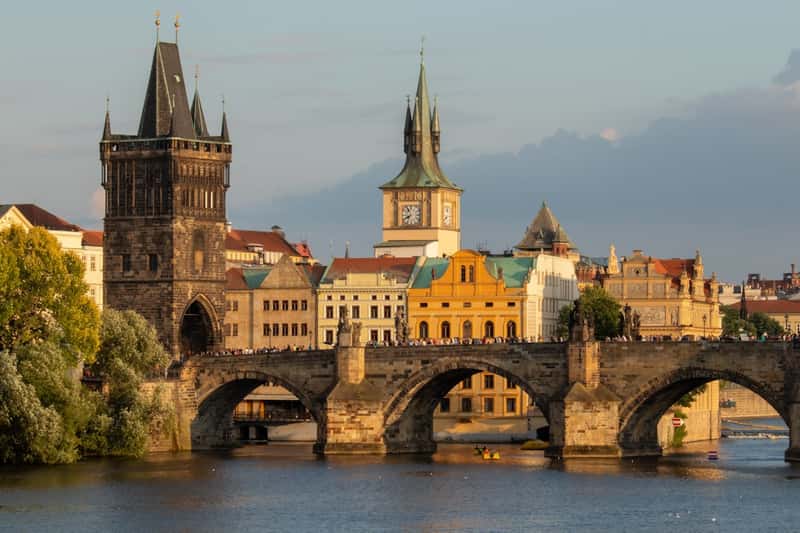
Prague saw around 8.1 million visitors in 2024, a 9% rise from 2023, dwarfing its 1.3 million population. This creates a six-to-one ratio of tourists to residents, fundamentally altering the character of the UNESCO-listed city center. Stag parties have become such a problem that the city council banned organized late-night pub crawls and explored banning ‘silly’ stag party costumes.
In 2023, the local council declared a housing emergency, partly driven by an increase in short-term holiday rentals. Residents complain that all the “useful shops” on the popular Royal Mile have been replaced with touristy gift shops. A tourist tax to fund infrastructure improvements is scheduled for introduction in 2026.
Athens, Greece: Ancient City, Modern Crisis
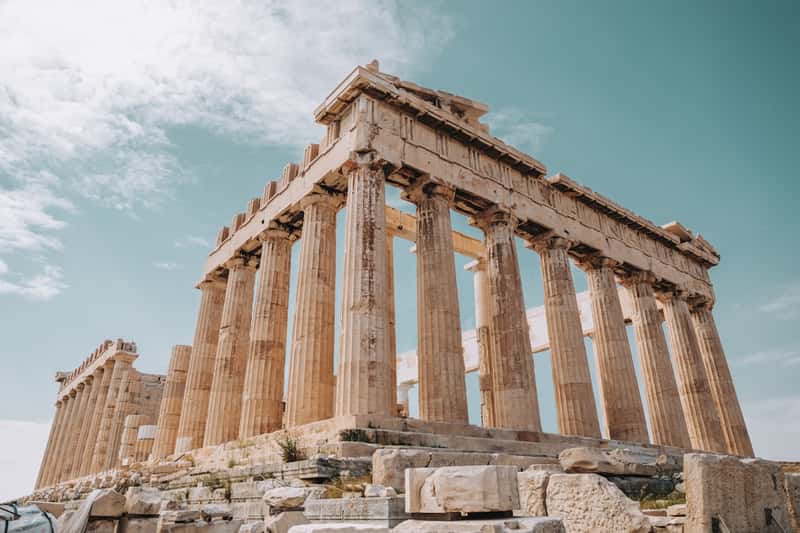
Athens proper has roughly 650,000 residents, but visitor numbers are projected to continue growing significantly from the approximately 8 million who visited in 2024. This extraordinary ratio means fifteen tourists for every resident, creating unprecedented strain on urban systems. The massive influx contributes to pollution, litter, congestion, and crime while short-term holiday rentals fuel a housing crisis.
Measures to address the crisis include a tourist tax, a temporary ban on new short-term rental licenses in certain areas, and daily visitor caps to the Acropolis since 2023. Despite these efforts, the fundamental imbalance continues to worsen as international tourism rebounds to unprecedented levels.
What Residents Really Think: The Human Cost of Overtourism
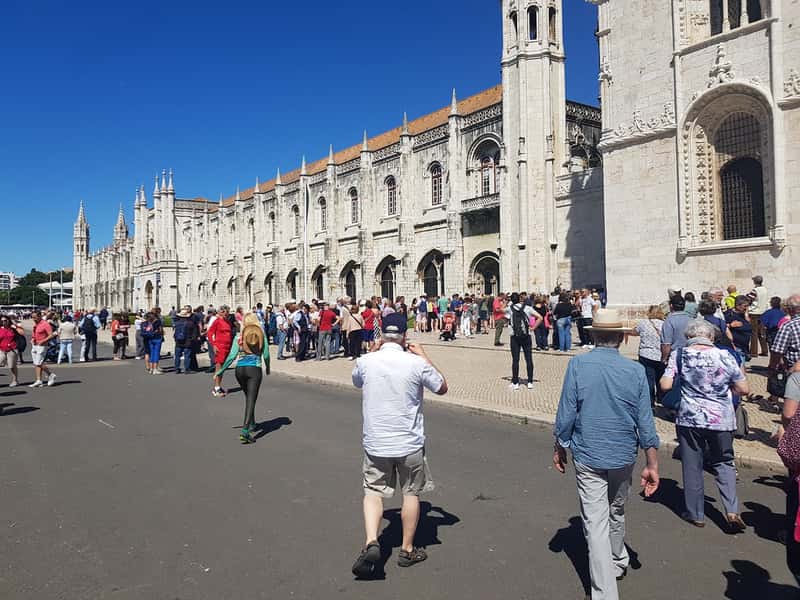
Local governments and residents believe that overtourism has contributed to reduced quality of life and increased living costs, with anger among locals reaching new levels in 2024. Travel expert Doug Lansky notes that if residents had meaningful input in tourism decisions, “they wouldn’t have to march in the streets”. The disconnect between tourism marketing and community needs has created a powder keg of resentment.
In many tourist hotspots, residents feel marginalized and believe their communities are losing identity, being transformed into tourist attractions rather than places to live. The housing crisis affects millions, with Spain’s 48 million residents welcoming 94 million international visitors in 2024, while authorities struggle to balance economic benefits with constitutional rights to housing.
These destinations represent a global phenomenon where the success of tourism has become its own greatest threat. Residents don’t oppose visitors entirely, but they demand a sustainable balance that allows their communities to thrive alongside tourism. The water pistols in Barcelona and barriers in Iceland represent more than protests – they’re desperate attempts to reclaim home from the tide of mass tourism.