Travel brochures rarely mention the fine print. Somewhere between the postcard views and the packing list, a growing number of destinations have quietly introduced rules that catch even seasoned travelers off guard. Some are about money, some are about behavior, and a few carry real legal consequences if ignored.
1. Venice, Italy: A Day-Tripper Fee With Real Teeth
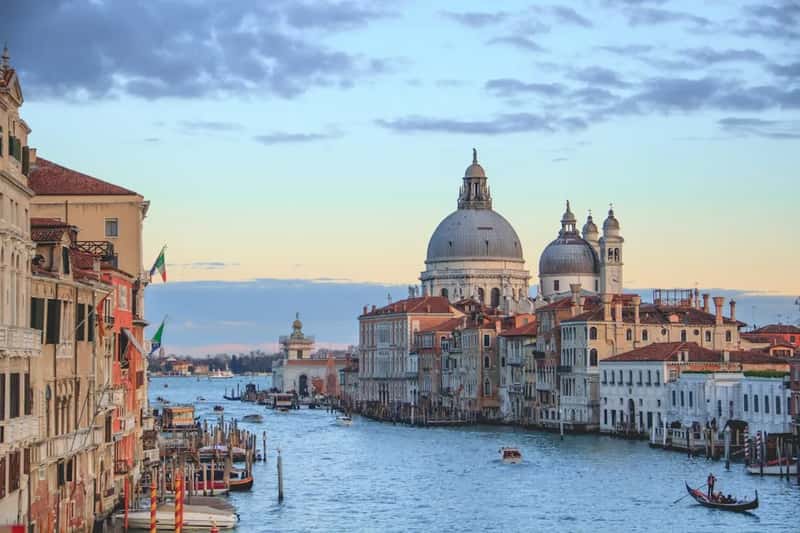
Venice has moved well past its experimental phase with tourist management. From 3 April 2026, day-trippers visiting Venice’s historic centre on weekends pay 5 euros if booked four or more days ahead, or 10 euros for last-minute entry, between 8:30 AM and 4:00 PM. The fee applies on exactly 60 days from April to July, six more than in 2025. That expansion reflects how seriously the city is treating the problem of overtourism.
The system is not optional window dressing. Every visitor, including those who qualify for exemptions, must register online and carry a QR code or risk a fine of up to 300 euros. The fee applies only to day-trippers, since roughly seventy percent of Venice’s nearly 30 million annual visitors leave the same evening without staying overnight. Overnight guests and residents are exempt, but anyone planning a quick same-day visit during peak dates needs to plan ahead or pay more at the gate.
2. Bhutan: The World’s Priciest Nightly Entry Fee
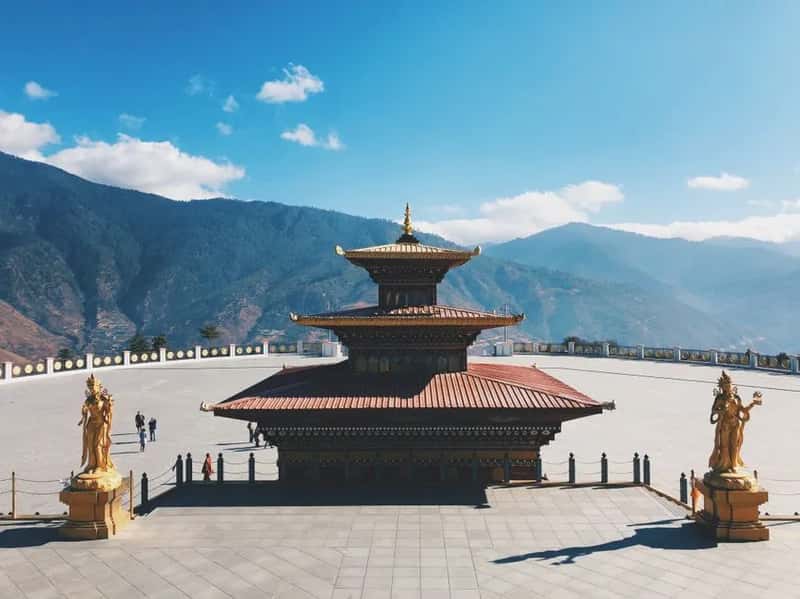
Bhutan built its entire tourism model around scarcity rather than volume. The Sustainable Development Fee currently runs at 100 US dollars per person, per night, for most international tourists. That reduced rate, down from the original 200 dollars, is set to remain in place until August 31, 2027. It is a hard number that shapes every itinerary before travelers even land.
Indian visitors get a different structure, though it is not the free pass some assume. Indian nationals pay roughly 1,200 Indian rupees, about 14 US dollars, per person per night. On top of the SDF, Bhutan requires all international tourists to book through a Tourism Council of Bhutan licensed operator before a visa can even be issued. Independent, unguided travel simply is not part of the deal here.
3. Japan: Mount Fuji’s New Permit and Curfew System

Climbing Japan’s most famous peak used to be a matter of showing up with decent boots. That changed for good. Japan has placed Mount Fuji under a stronger visitor management system, with all four official summit routes now carrying a mandatory 4,000 yen hiking fee during the 2026 climbing season, affecting travelers on the Yoshida, Subashiri, Fujinomiya and Gotemba trails. Walking up without registering is no longer an option.
Timing matters just as much as payment. The climbing rules bring strict time controls, with mountain entry restricted from 2 PM to 3 AM the following day for climbers without a mountain hut stay, targeting unsafe overnight climbing and heavy sunrise congestion near the summit. On the busiest route, officials also cap volume outright. To prevent extreme crowding, the daily limit of climbers on the Yoshida entrance has been restricted to 4,000 people.
4. Singapore: Where Small Habits Carry Big Fines
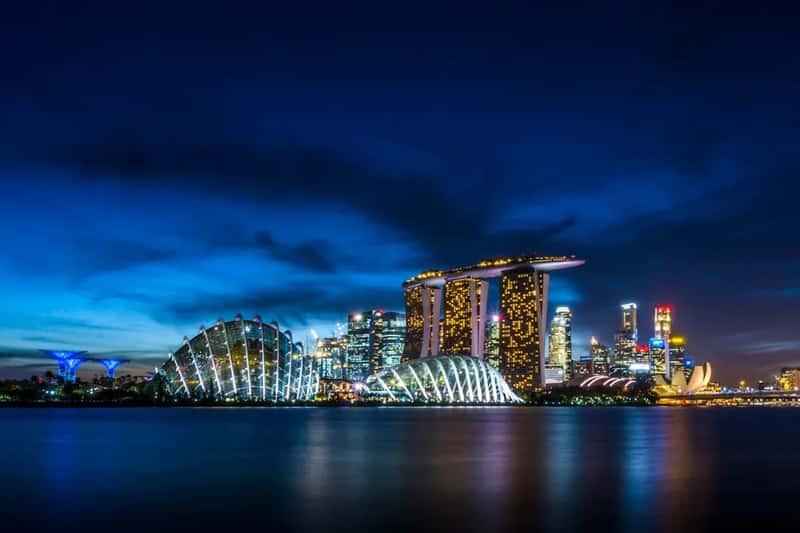
Singapore’s reputation for cleanliness is not an accident of culture, it is enforced by law. Chewing gum is illegal in Singapore as an extension of the country’s strict littering laws, meaning tourists cannot bring it in, and consuming it can bring a fine of at least 500 dollars. It sounds almost comical until you realize how consistently it gets applied.
Littering carries its own escalating penalty structure that treats first offenses seriously. First-time offenders can be fined up to SGD 1,000, rising to a maximum of 2,000 and 5,000 dollars for second and third offenses. Jaywalking is treated with equal severity. Crossing the street outside pedestrian lanes is punishable by fines of SGD 1,000 and in some cases imprisonment. None of these rules bend for visitors simply because they did not know.
5. Peru: Machu Picchu’s Strict Time Slots and Circuits

Wandering freely around the Inca citadel is a thing of the past. Visitors must enter Machu Picchu strictly within their designated one-hour window, with slots ranging from 6:00 AM to 3:00 PM, and entry outside that assigned time is not permitted even with a valid ticket. Missing your slot because of a delayed train or bus line is treated as a visitor’s problem, not the site’s.
The overhaul goes beyond timing. The site’s tourist circuits have been split into ten color-coded sub-routes designed to guide visitors along their assigned path. To protect the environment, single-use plastics such as bottles and bags are now prohibited inside the site. Anyone attempting the trek without proper planning risks arriving to find their ticket effectively useless.
6. United Arab Emirates: Public Conduct Laws That Apply to Everyone
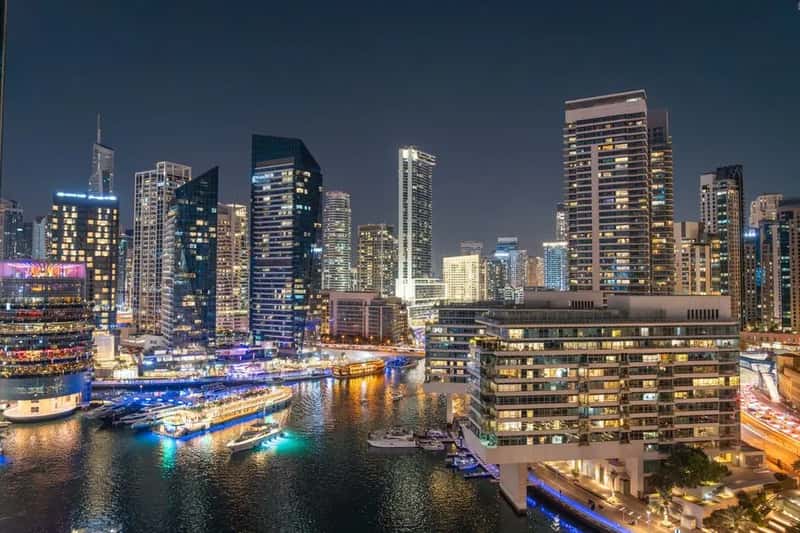
Dubai and the wider UAE market themselves as glamorous, ultra-modern destinations, which makes it easy to forget the legal framework underneath. Public displays of affection beyond hand-holding, foul language in public, and dressing immodestly in non-tourist areas can all draw fines or, in more serious cases, detention. Alcohol consumption outside licensed venues such as hotels and designated bars is also restricted, and being visibly intoxicated in public spaces is treated as an offense rather than a minor lapse.
Photography rules add another layer many visitors overlook entirely. Taking pictures of local residents, government buildings, or certain infrastructure without permission can lead to confrontation with authorities, since privacy protections in the UAE are enforced more strictly than in most Western countries. The gap between the polished tourist image and the actual legal code is wide enough that consulates routinely remind travelers to check current guidance before arrival.
7. Iceland: Nature Protection Rules With Serious Fines
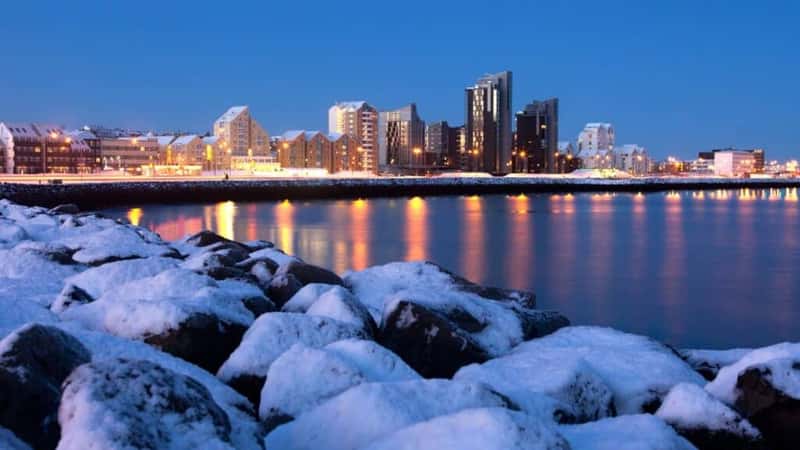
Iceland’s dramatic, fragile landscape comes with legal protection that surprises many first-time visitors. Off-road driving is banned nationwide, a rule that exists because the volcanic soil and moss take years, sometimes decades, to recover from a single tire track. Fines for violating this rule can run into the thousands of dollars, and rental car companies routinely warn customers that insurance will not cover damage caused by unauthorized off-road driving.
Camping outside designated sites is similarly restricted in many areas, particularly near popular natural attractions where unregulated camping caused visible environmental damage in years past. Highland F-roads, the rugged routes crossing Iceland’s interior, are closed for much of the year and require appropriate four-wheel-drive vehicles even when open. Ignoring either rule tends to end the same way, with a costly fine and a damaged patch of terrain that outlives the visit by years.
These seven destinations share a common thread: each has decided that unlimited, unregulated tourism no longer serves the place or the people who live there. The rules vary wildly in form, from a modest day-trip fee in Venice to a four-figure nightly minimum in Bhutan, but the underlying logic is consistent. Visitors who research the fine print before booking tend to have a smoother trip than those who assume old habits and old prices still apply.