You’re sitting at the gate, bags under the seat, coffee in hand, boarding pass ready. Everything looks fine. The departures board still shows “On Time.” Yet something feels off. Maybe it’s the gate agent’s face. Maybe it’s the eerie emptiness at the jetway door.
Here’s the truth nobody tells you: most flight cancellations leave a trail of clues long before any official announcement is made. Knowing what to look for can be the difference between scrambling in a panic alongside 200 other stranded travelers and calmly sitting at a new gate, already rebooked, sipping a fresh coffee. Let’s dive in.
Sign 1: Your Inbound Aircraft Is Stuck Somewhere Else
This one is honestly the most powerful signal of all, and almost nobody checks it. Every commercial flight relies on an aircraft completing a previous journey first. Think of it like a bus route – the same vehicle keeps looping. If the plane that’s supposed to fly you out of Chicago is still sitting on the ground in Denver, your flight is already in trouble.
You can check where your incoming aircraft is right now using tools like FlightAware. If it’s still on the ground in another city, you know early that you’ve got a problem. Don’t wait for an official delay notice. Open the app, type in your flight number, and click through to see the aircraft’s current status.
Flight tracking apps like Flighty use machine learning to predict delays due to late arriving aircraft, sometimes up to six hours before the airline says anything. That’s not a small window. That’s six hours to get ahead of the crowd, call the airline, and secure an alternative flight before everyone else figures it out.
Departure delays often appear in tracking systems before airlines send notifications, giving travelers earlier warning to adjust their plans. So honestly, if you’re not tracking your inbound aircraft before you even leave home for the airport, you’re flying blind – pun fully intended.
Sign 2: Your Flight Disappears from the Booking Search
This one sounds a little cryptic, but stay with me. Try searching for your own flight as if you were buying a new ticket right now. Open the airline’s website, plug in your route and date, and see what comes up.
Search for the flight as if you were going to book a new ticket. If it doesn’t show up, that’s a clear indication that it will be canceled in the days or weeks to come. Airlines quietly pull flights from inventory well before announcing anything publicly. They know. They just haven’t told you yet.
Many things can crop up after booking that might lead you to cancel a flight, but if the airline does it first, you can get a refund instead of a voucher. Timing matters enormously here. Being proactive and checking early means you stay in control of your options, rather than being handed whatever leftover seats remain on the next available flight.
Sign 3: The Departure Board Keeps Shifting the Time
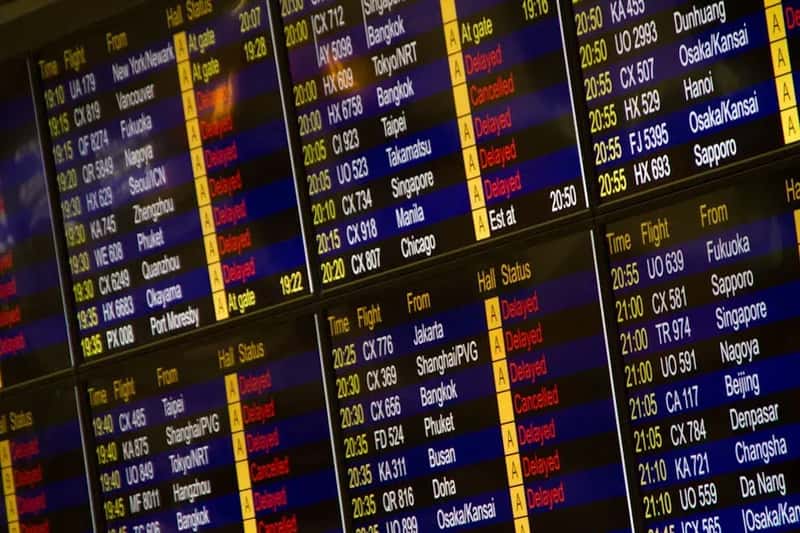
One delay is an inconvenience. Two delays start to feel suspicious. By the third “revised departure time,” you’re essentially watching a flight slowly die in real time. Airlines have a well-documented tendency to incrementally push back departure times rather than announce a cancellation outright. It’s called a “creeping delay,” and it is every bit as frustrating as it sounds.
It is sometimes difficult for an airline to estimate how long a delay will be during its early stages. When a flight delay unexpectedly becomes longer and longer, this is called a “creeping delay,” and unexpected developments can cause it to grow beyond what was initially anticipated. Airlines often hold off on a formal cancellation as long as possible, hoping the situation resolves itself.
Why does this matter? Because U.S. scheduled domestic flights by major carriers had an on-time gate arrival rate of only about 78.1% in 2024, meaning roughly a quarter of all flights end up delayed. A flight that’s already delayed twice and now has no confirmed new departure time is well past the point of being a minor inconvenience. It’s a red flag waving in your face.
Sign 4: There’s No Plane at Your Gate
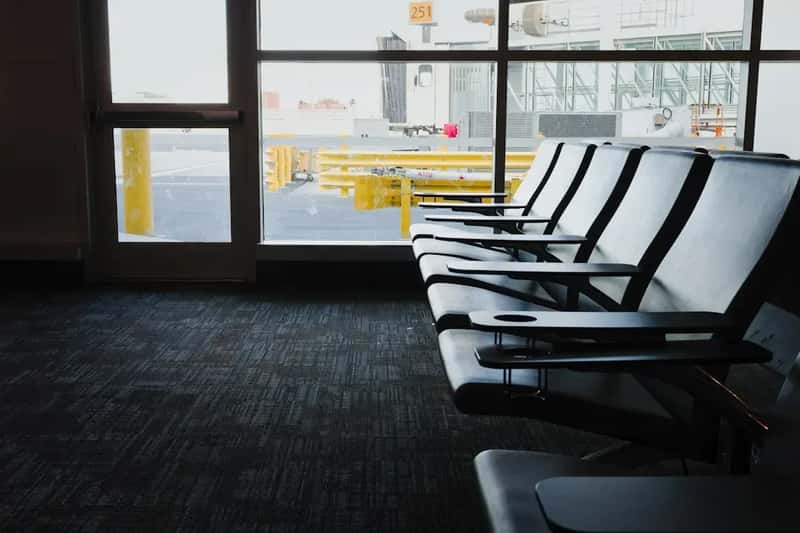
Look out the window. Seriously. If your departure is in 40 minutes and the jetway is connecting to absolutely nothing, that is not a good sign. For most short to medium haul flights, the aircraft should already be docked, cleaned, and boarding the previous passengers’ outbound luggage well before your departure time.
An empty gate with an imminent departure time is one of the clearest visual warning signs you’ll ever get at an airport. Gate agents often have updates long before they hit the screens. So if there’s no plane at the gate and the agent looks uncomfortable, trust your eyes more than the departures board.
Airlines are dealing with real systemic pressure right now. As airlines continue to operate leaner fleets with high load factors and tight schedule recovery windows, even small disruptions lead to cascading chains of delays. A missing aircraft isn’t always a freak event. Sometimes it’s the symptom of a system already stretched way beyond its limits.
Sign 5: Severe Weather Is Brewing at Your Origin or Destination
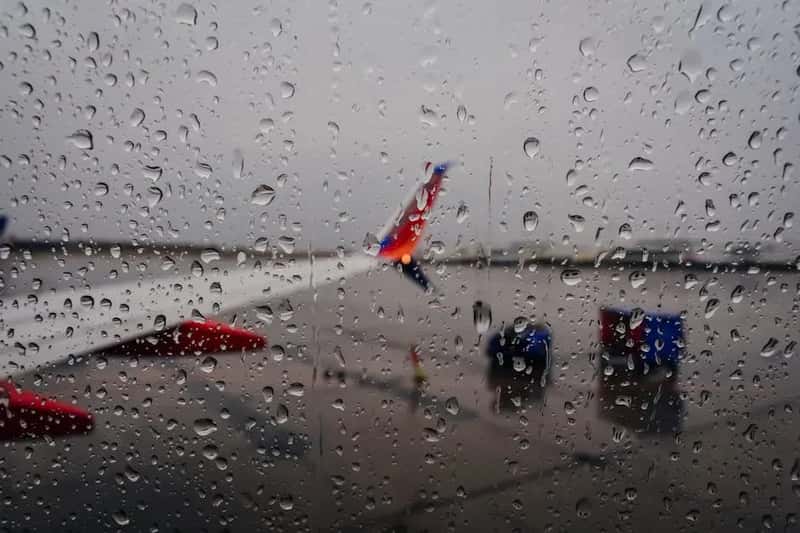
Weather remains one of the biggest triggers for flight cancellations, and the signs are often visible hours in advance if you know where to look. The tricky part is that weather doesn’t just matter at your departure airport. A violent storm at your destination, or even along the flight path, can be just as disruptive.
If you are anxious about your flight status because you’ve just seen news about a storm rolling in, the chances are high that this will affect your flight. It’s a simple check, takes about 30 seconds, and yet most travelers ignore the forecast until they’re already at the gate wondering what’s going on.
Weather causes the majority of flight delays, though not always at the departure or arrival airports. Thunderstorms along the flight path force aircraft to route around dangerous conditions, while low visibility from fog requires increased spacing between aircraft during landing, reducing airport capacity. And ice, snow, and freezing rain require de-icing procedures that take 20 to 30 minutes per aircraft, which adds up quickly when dozens of planes are queued for departure. Check the weather at both ends of your route. Always.
Sign 6: Air Traffic Control Is Under Strain at Your Hub Airport
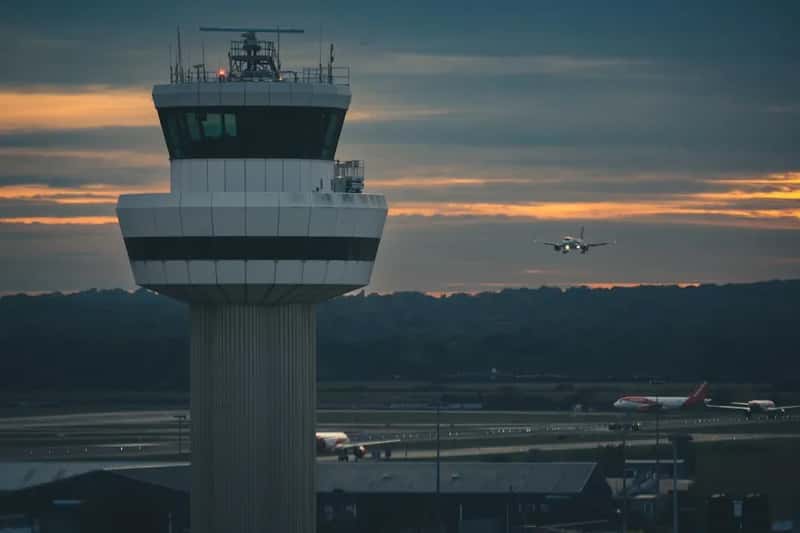
This one is a bit more behind-the-scenes, but it’s increasingly important in 2025 and 2026. The U.S. air traffic control system has been operating under significant pressure. There is currently an air traffic controller shortage of 3,500, according to the FAA, which could lead to flight delays and cancellations. That is not a small staffing gap. That is a structural problem affecting every major hub airport in the country.
When controller absences hit certain thresholds, the FAA triggers flow restrictions, ground delay programs, or even ground stops. Each of these cascades into thousands of delayed flights. If your flight departs from or connects through one of the major affected hubs, you are directly exposed to this risk every single time you fly.
To check for these restrictions in real time, you can look up flight delay information on the FAA’s color-coded map, so you can at least anticipate a delay even when you’re already en route. It’s publicly available, updated regularly, and frankly one of the most underused travel tools out there. Washington Reagan National currently tops both problem lists with the highest delay rate at 27.63% and the highest cancellation rate at 4.57% in the country, making it the least reliable major airport overall. If you’re flying through DCA or similarly strained hubs, your situational awareness needs to be especially sharp.
Sign 7: The Gate Agent Is Whispering on the Phone and Avoiding Eye Contact

I know it sounds a little dramatic, but experienced travelers know this feeling well. There’s a specific energy at a gate when something is going wrong. The agent who was cheerful and scanning bags is now crouched over the desk phone, speaking quietly. Colleagues appear. Nobody is making announcements. The gate area feels stuck in time.
Gate agents receive operational updates from airline dispatch and operations control centers before any public announcement is made. Airlines are required to provide passengers with information about a change in the status of the flight in a timely manner. If the flight is scheduled to depart within seven days, airlines are required to provide status updates 30 minutes or sooner after the airline becomes aware of a status change. That 30-minute window is legally sufficient for the airline. For you, it could be 30 minutes of wasted time in a line behind 150 other passengers all needing the same rebook.
The smart move is to act before the announcement, not after. Once you spot that your incoming aircraft is stuck elsewhere, that’s your signal to start exploring other options before the masses catch on. Call the airline while standing in the gate line. Use the app. Ask the agent directly, calmly, and professionally. Being first in line for a solution is a skill, and it’s one worth practicing. Nearly 1.7 million flights were delayed or canceled in 2024 out of 7.5 million flights scheduled for the top 10 airlines and their marketing partners, which means the odds of disruption are not trivially small. Preparation is everything.
What to Do the Moment You Spot These Signs
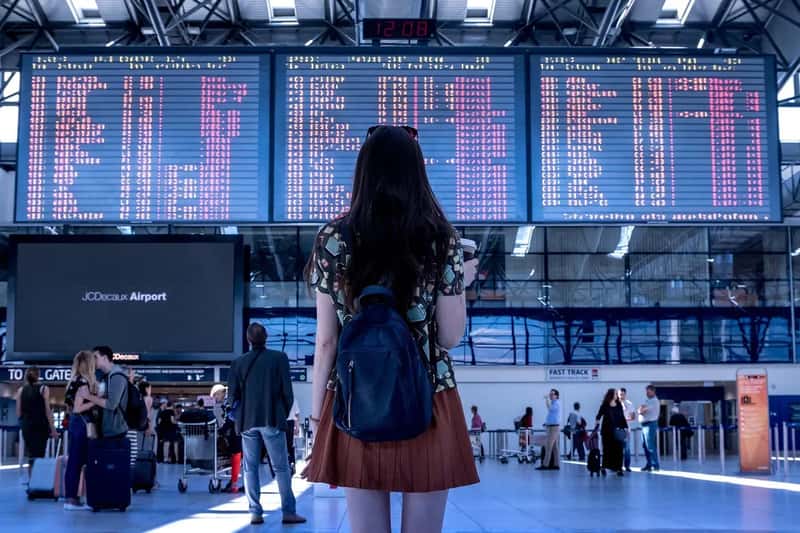
Recognizing the warning signs is only half the battle. Acting quickly and intelligently is where you actually save your trip. The moment you suspect trouble, start monitoring your inbound aircraft on FlightAware or a similar tracker. Monitor your flight constantly through your airline’s app and sign up for real-time notifications, since American Airlines, for example, offers “BeNotified” alerts for day-of status changes. Most major carriers have similar tools. Use them.
At the same time, know your rights. Airline passengers are entitled to a refund when their flight is canceled or significantly changed and they no longer wish to take that flight or be rebooked. You don’t have to accept a voucher. You don’t have to accept the next available seat on a red-eye two days from now. A full cash refund to your original form of payment is your legal right when a cancellation occurs.
Travelers should be prepared for an increased number of delays in 2026 due to ongoing technology issues, labor strikes, and air traffic controller shortages. The system is under real, documented strain. Knowing these seven signs and acting on them early won’t make the problems disappear, but it will absolutely make you the traveler who lands at their destination on time while everyone else is still arguing at the customer service desk.
What do you think – have you ever spotted these signs before the gate agent made the dreaded announcement? Share your experience in the comments below.