Every year, thousands of retirees pack up their lives in the United States and Canada and head south, chasing lower costs, warmer weather, and a slower pace. Some make the move on a whim and regret it within months. Others spend years planning, testing the waters, and adjusting their expectations before they ever sign a lease.
Talk to enough people who’ve actually done it, and a pattern starts to emerge. The ones who thrive share certain traits and habits long before they ever board that one way flight. Here’s what they tend to have in common.
1. Your retirement income clears the current visa thresholds, not the outdated ones
Mexico raised its financial bar for residency significantly heading into 2026, and the people who transition smoothly are the ones who checked current numbers rather than trusting a five year old blog post. For 2026, many consulates have benchmarked income to approximately $4,400 USD for temporary residency, while some consulates now require upwards of $7,400 USD monthly for permanent residency applied for directly. That’s a steep jump from what earlier retirees remember paying attention to.
The savings alternative moved too. Applicants can show an average savings or investment balance of approximately $74,000 USD over the last twelve months if steady monthly income isn’t the easier path. People who are actually ready have already pulled their bank statements and matched them against their specific consulate’s current requirements, since income and savings requirements vary by consulate, so it’s worth checking your local Mexican consulate before you apply.
2. You’ve already done a trial run, not just a vacation
Almost everyone who successfully retires in Mexico describes some version of a test period before committing. Many retirees start with temporary residency to “test drive” life in Mexico, then transition to permanent residency after four years without reapplying from abroad. That’s very different from a two week beach trip that leaves out grocery shopping, doctor visits, and dealing with a landlord.
The retirees who talk about being genuinely ready mention spending a full rainy season somewhere, or renting month to month in the neighborhood they’re eyeing before buying anything. It’s a small but telling signal. If a person has never lived somewhere through its least flattering season, they haven’t really tested it yet.
3. You’ve made peace with private healthcare instead of Medicare
This is one of the biggest mental shifts retirees describe, since Medicare doesn’t cross the border. The upside softens the blow considerably: healthcare through IMSS costs $500 to $700 per year, and the US-Mexico tax treaty prevents double taxation on pensions. For those who prefer private care, the numbers still work in their favor.
Private healthcare is a better option for more personalized and faster service, and expect to pay between $1,200 and $2,000 annually for a private insurance plan that covers most medical needs, including dental and vision. Retirees who’ve made this switch often say the quality surprised them. Medical care in Mexico ranks 22nd in Numbeo’s 2026 Health Care Index and costs much less than in many Western countries.
4. You’re comfortable being the one who doesn’t speak the language fluently
You don’t need fluent Spanish to retire in Mexico, but the people who settle in happily are the ones who stopped expecting everything to happen in English. Spanish is the main language, but many locals are patient with newcomers, and there are also many expat communities, especially in places like Puerto Vallarta and San Miguel de Allende, which make it easier to meet people and settle in.
That said, plenty of daily life happens in English anyway in the bigger expat hubs. In hubs like Ajijic and San Miguel de Allende, English is widely spoken, and U.S. trained doctors are common. Retirees who are ready tend to view Spanish lessons as a bonus for connecting with neighbors, not a survival requirement.
5. Your monthly budget math already makes sense on paper

Before moving, prepared retirees run real numbers rather than vague estimates. A retired couple can live comfortably in most Mexican cities on $2,000 to $3,500 per month, with coastal tourist cities running higher and inland colonial towns and mid size cities running lower. Housing tends to be the variable that swings a budget the most.
Compare that to what retirement costs back home. The average US retiree spends $4,345 per month according to Bureau of Labor Statistics data, and the math is obvious once you line the two figures up side by side. People who feel ready have usually already sketched out a real monthly budget using current rent listings, not numbers copied from an old forum post.
6. You’re not counting on your Social Security check to shrink or vanish

One quiet worry many prospective retirees carry is whether moving abroad will mess with their benefits. It won’t. US Social Security is paid abroad without reduction, and the US-Mexico tax treaty prevents double taxation on pensions. That’s a meaningful reassurance for anyone whose retirement plan leans heavily on that monthly deposit.
For many Americans, Social Security benefits are the backbone of their retirement income, and moving to Mexico doesn’t change that fact, since the U.S. government keeps sending payments regardless of where you’re living. Retirees who’ve already confirmed this with their bank or a cross border tax advisor tend to move with far less anxiety than those who assume the worst and never check.
7. You’ve picked a specific town, not just “somewhere in Mexico”
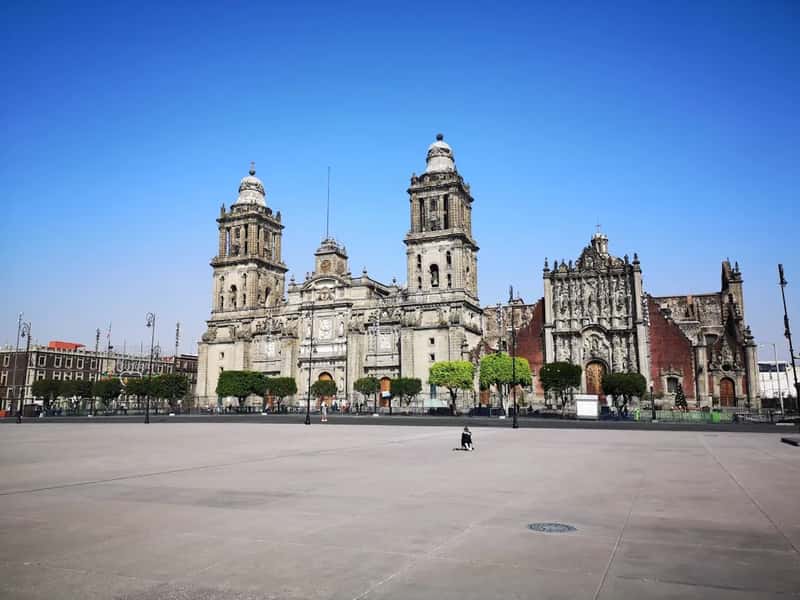
Vague plans rarely survive contact with reality. The retirees who describe smooth transitions almost always name a specific place they scouted ahead of time, often after visiting a handful of contenders. Popular retirement destinations in Mexico include Mérida, San Miguel de Allende, Puerto Vallarta, and Playa del Carmen, and cities like Mérida, San Miguel de Allende, and Puerto Vallarta are among the safest places to retire in Mexico.
Safety does vary by region, which is exactly why the scouting step matters. Safety levels vary by region, so location matters, and Mexico ranked 135th out of 163 countries in the 2025 Global Peace Index, meaning it’s important to research where you plan to live. Retirees who commit to a neighborhood, walk its streets at different hours, and talk to people already living there tend to arrive with far fewer surprises than those who pick a pin on a map from thousands of miles away.
None of these signs require perfection. Nobody moves abroad with every detail locked down, and plenty of retirees who are thriving in Mexico today made mistakes along the way. What separates a rocky transition from a smooth one usually comes down to preparation that matches the current rules, not the ones from a few years back, and a willingness to adjust once the reality on the ground looks a little different than the brochure.