South America has a reputation problem when it comes to money. Many travelers picture long, costly flights and assume the trip will stay expensive once they land. On the ground, the picture is often very different.
Prices vary a lot from one country to the next, and even between regions of the same country. Some places cost a fraction of what you’d pay at home, while others only look cheap on paper. Here are seven destinations, with the caveats included, based on 2026 budget data.
Bolivia: The Budget Leader
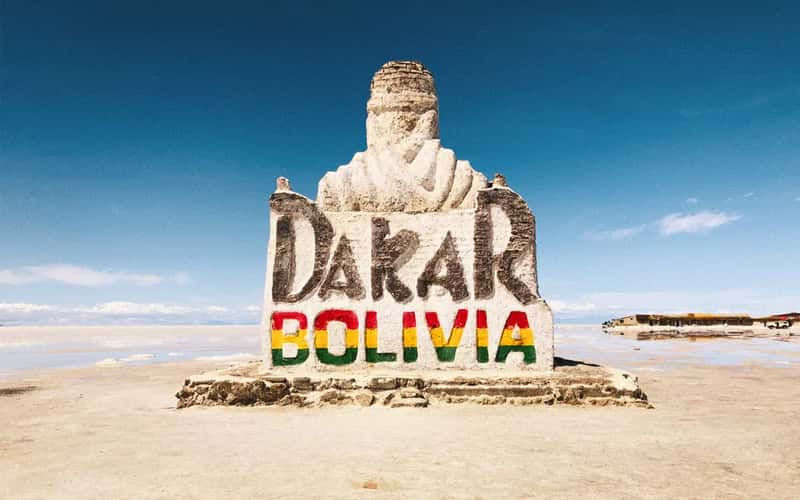
Bolivia keeps turning up at the bottom of the cost rankings. La Paz offers hostels from around $8 per night, and a filling set lunch costs $2 to $3 at local restaurants, as of March 2026.[1] One budget tracker built from real traveler spending lists Bolivia at $37.10, well below every other country in its ranking.[1]
The savings carry up the price scale as well. Bolivia’s midrange daily budget runs roughly $60 to $110, versus $100 to $180 for Peru, as of May 2026.[2] Plan for the entry visa, which U.S. citizens need. Guides put the fee at $160 or $180, so check the current amount before you book.[1]
Ecuador: Cheap Days in a Dollarized Country

Ecuador uses the U.S. dollar as its official currency, which removes the exchange math entirely. Backpacker budgets in Ecuador are listed at $30 to $45 a day in 2026.[1] Your dollars simply go further, and you never have to guess what a price means.
In Quito, hostels start around $10, and city buses cost about 25 cents.[3] In the Amazon, lodges in Tena start from about $35 a night, roughly half what you’d pay in Iquitos.[3] The big exception is the Galápagos. The $30 to $40 daily figure that guides quote for Ecuador excludes the islands.[4]
Peru: Big Sights on a Modest Budget
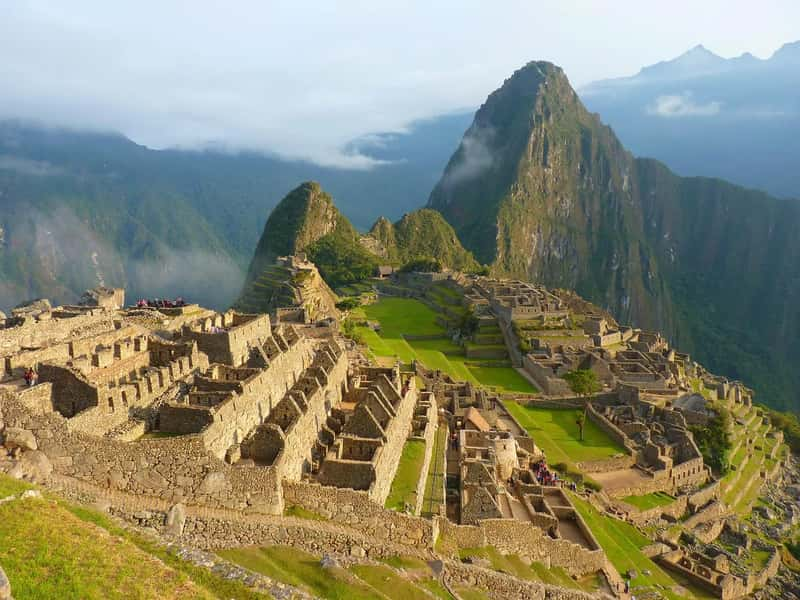
Peru offers a lot of variety for modest money. One guide puts typical budget travel at $27 to $43 a day.[1] Dorm rooms can run under $10 a night, and set lunches are available nearly everywhere for about $3.[1]
The headline attractions are where the spending creeps in. Machu Picchu and Lake Titicaca tend to be a traveler’s biggest expenses.[5] One timing tip: the rainy season from November to March makes Machu Picchu less appealing but brings lower prices.[4] Peru also costs more as you move up the comfort scale, so the best value is at the budget and lower midrange levels.
Colombia: Strong Value in Cities and Beyond
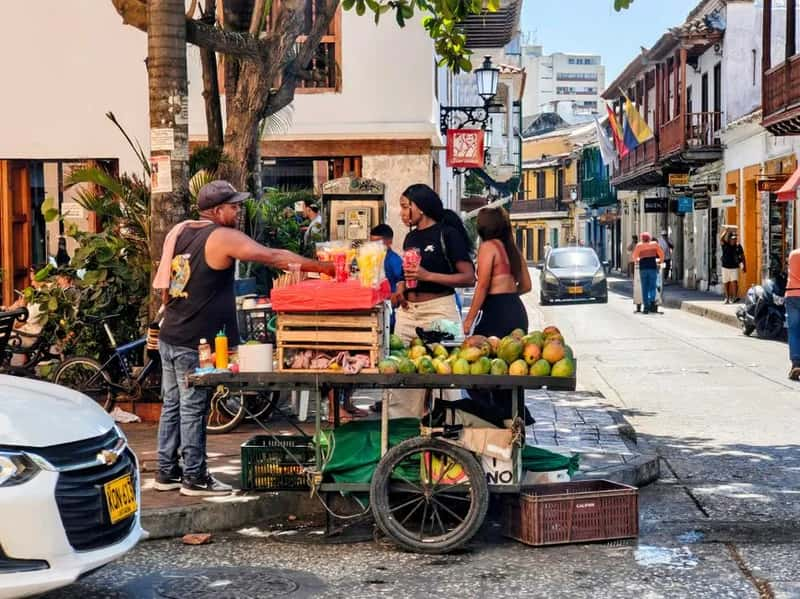
Colombia’s affordability comes partly from the exchange rate. The U.S. dollar buys a lot against the Colombian peso, which keeps accommodation, meals, and transport highly affordable.[6] One guide estimates that around 80,000 COP, about $21, covers a day if you’re staying in hostels.[7]
Eating cheaply is easy. Street food and snacks can cost as little as 6,000 to 12,000 COP, or $1.50 to $3.[7] Estimates do differ by source, though. Another 2026 guide puts the budget range closer to $35 to $55 a day,[8] so treat any single figure as a starting point. Traveler reported spending data lists Colombia at $65.12, below Peru and Ecuador.[5]
Paraguay: Quiet, Overlooked, and Gentle on the Wallet
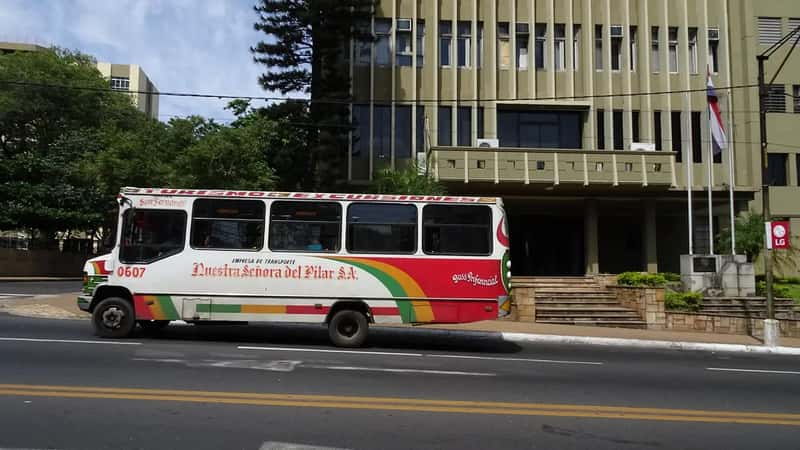
Paraguay rarely makes anyone’s first South America list. Because it isn’t a major tourist hotspot, prices remain low, and visitors can experience authentic South American culture there.[6] One guide says budget travelers manage on $30 to $45 a day.[9]
The data here is mixed, so I’d plan with some room to spare. One guide says the average visitor spends about $96 per day,[10] while backpackers spend around $51 per day by prioritizing low cost accommodation and local food.[10] Everyday costs are small, though. In Asunción, bus rides within the city cost about $0.30 to $0.50 each,[11] and museums and cultural sites typically charge between $2 and $5.[11]
Argentina: Still Good Value, Just Not a Steal

Argentina used to be the continent’s famous bargain. That has changed. One 2026 guide says currency controls were lifted in April 2025, the peso now trades close to a single rate, and inflation has cooled to roughly 2 percent a month, so prices are more predictable but no longer a steal.[12]
Real traveler data still puts it on the lower end of the continent. Visitors spend approximately $64 per person per day on average, according to Budget Your Trip,[13] though the peso has been very unstable in recent years,[13] so estimates can drift. One useful saving: registered hotels take 21 percent VAT off lodging for foreign tourists who pay with a foreign card or an international transfer.[14] For a famous sight, Iguazú Falls national park entry runs $30 to $45 for international visitors as of May 2026.[15]
Brazil: Affordable if You Choose Carefully
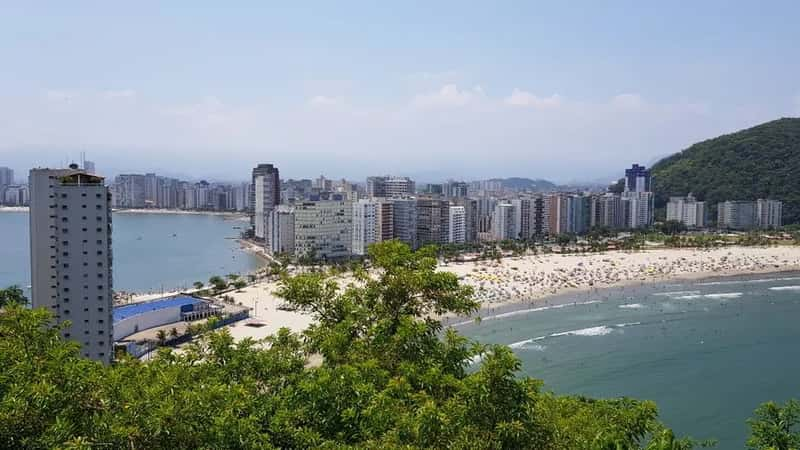
Brazil is the most conditional entry here. Brazil, Chile, Uruguay, and parts of Argentina usually need a larger daily budget[16] than the Andean countries. A March 2026 guide still lists Brazil at about $45 a day, compared with $55 for Chile.[8]
Traveler reported spending runs higher. The Budget Your Trip ranking puts Brazil’s average at $100.57,[5] which reflects how many visitors spend on beaches and midrange stays. Geography matters too. Flying across the country for a two night visit may remove the savings gained from lower local prices.[16] Staying in one region and traveling slowly is the better way to keep costs down here.