Turn 62 and you might expect Uncle Sam to mail you a welcome kit. He doesn’t. Nothing arrives on its own: you prove your age and your citizenship or residency, then buy the card yourself. But once it’s in your wallet, a stack of perks attaches to nearly every gate, campground and boat ramp you pass.
Some of these perks are obvious. Others almost never get explained at the entrance booth, and a few changed in 2026. One of them makes the whole deal look almost unfair next to what everybody else pays.
#15 – The $10 Era Is Over, but the $80 Price Has Held Since 2017
Most people don’t realize the senior pass once cost a fraction of today’s price. After decades at $10, the lifetime pass jumped to $80 in August 2017. A new $20 annual senior pass arrived at the same time.
Here’s the twist. When the Interior Department announced its 2026 pass changes, the senior annual and lifetime prices stayed at $20 and $80. Other fees around them were reshuffled, but the senior price didn’t budge. Whether the 2017 jump felt fair depends on who you ask, but today’s math is hard to argue with.
At a Glance
- Before August 2017: Lifetime senior pass at $10
- August 2017: Lifetime pass rises to $80
- Also new in 2017: A $20 annual senior pass
- 2026 changes: Senior prices stay at $20 and $80
The cheaper way in costs even less up front, and it hides a clever trick.
#14 – The $20 Annual Pass Is a Secret Layaway Plan
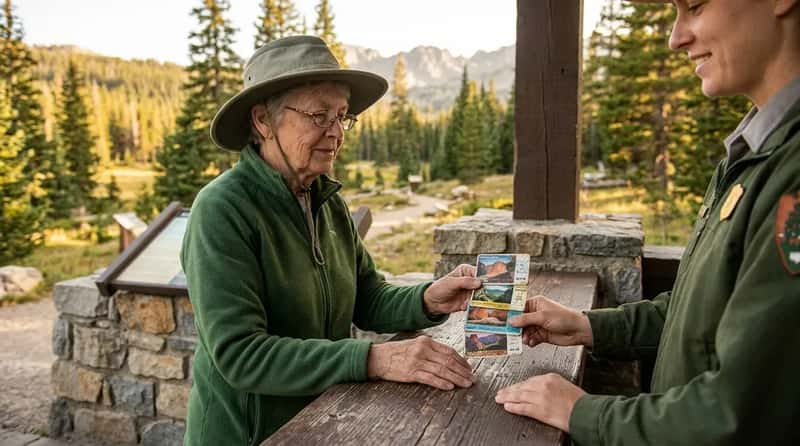
Not ready to pay $80 all at once? Americans 62 and older can buy an annual version for $20. It works like a test drive: you get the same entry perks for a full year, and you find out how often you actually go.
The $20 isn’t wasted if you commit later. At staffed federal fee stations, you can trade in up to four previously purchased $20 Senior Annual Passes to cover the $80 Lifetime Pass fee. In effect, you pay for the lifetime card in four small installments. Almost nobody mentions that at the window.
But the real shocker is what the card does for everyone sitting in your passenger seat.
#13 – Your Whole Car Rides In on One Card
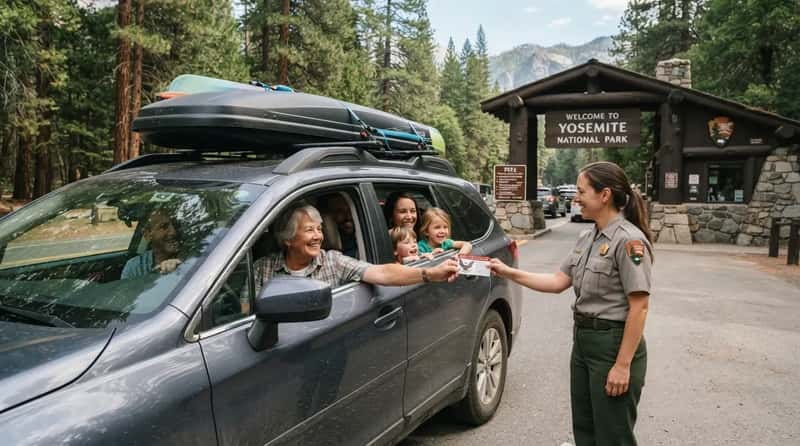
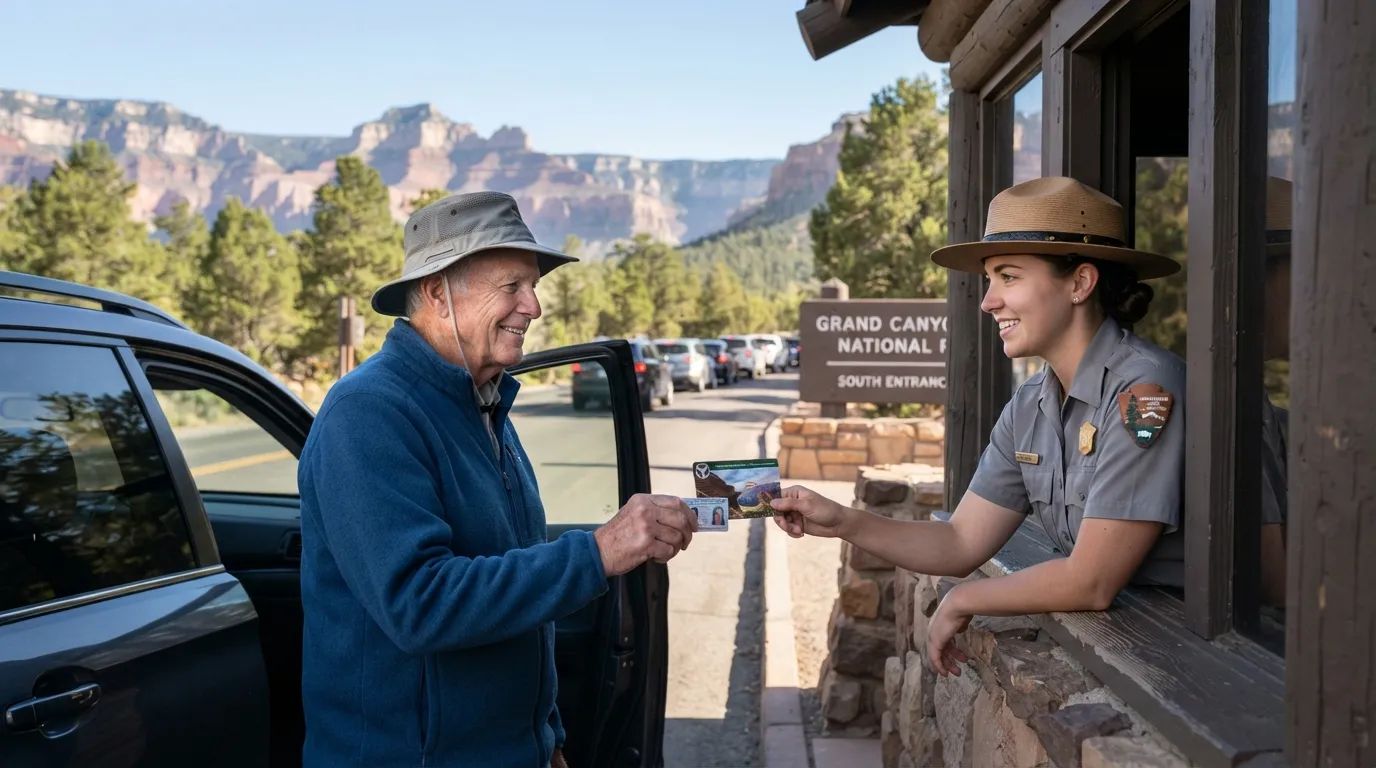
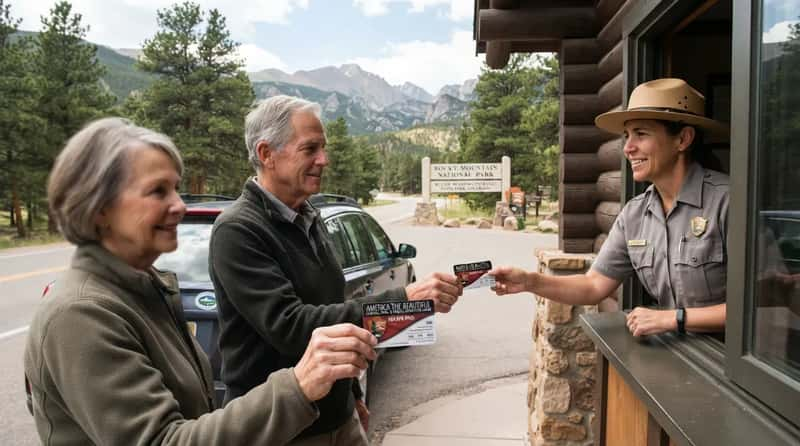
This is the perk families care about most. At per-vehicle fee areas, the pass covers the holder and everyone riding in a private, non-commercial vehicle. Your spouse, your adult kids and your grandkids all roll through on the strength of one card.
The savings can be real. The entrance fee at many big-name parks is $35 per vehicle, and it’s waived each time you pull up with the card. Nobody else in the car needs to be 62, and nobody has to dig out a credit card at the window.
Not every park charges by the car, though. The walk-in sites play by different rules.
#12 – Walk-In Parks Still Let You Bring Three Adults Free
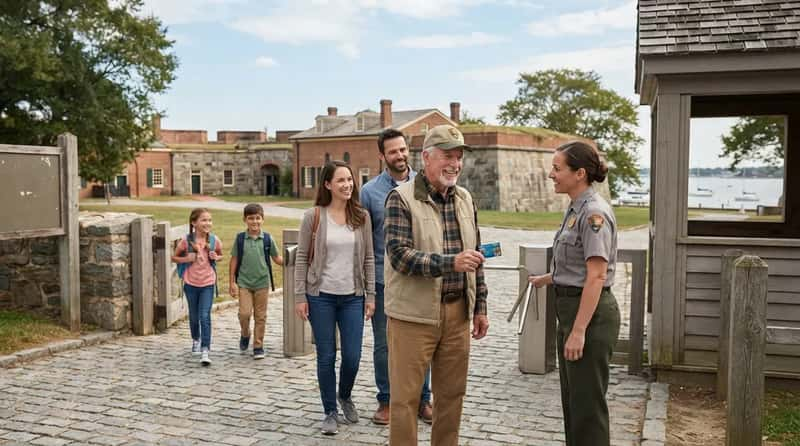
Some sites charge by the head, not by the car. Think of historic sites where visitors arrive on foot, by bike or by ferry. At those per-person fee areas, the pass covers the holder plus up to three additional adults, so a group of four adults gets in free.
Kids are the easy win. Children under 16 are admitted free at these sites anyway. So a grandparent with a pass can show up with a small crowd of grandkids and adults and never open a wallet at the gate.
Quick Compare
- Per-vehicle sites: The holder plus everyone in one private, non-commercial vehicle
- Per-person sites: The holder plus up to three more adults, for four adults total
- Kids at per-person sites: Children under 16 are free anyway
And the card reaches far beyond what most people picture when they hear “national park.”
#11 – It Opens Federal Gates You Probably Never Considered
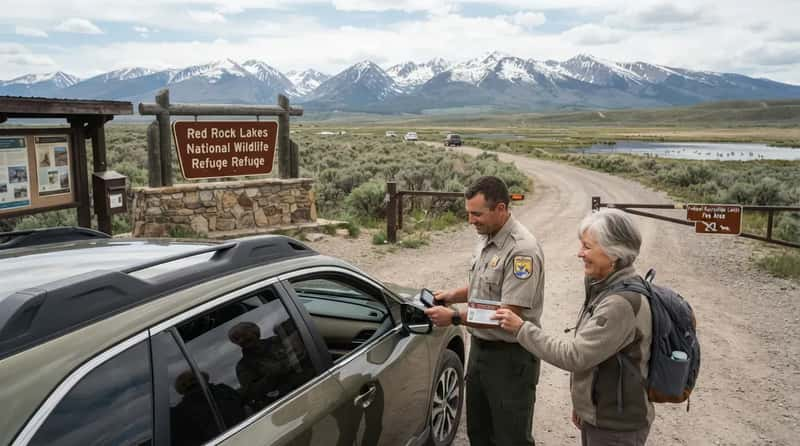
Many people assume the senior pass only works at the famous postcard parks. It’s actually a ticket to more than 2,000 federal recreation sites. That includes national wildlife refuges and many national forest lands, the kind of quiet places that rarely make a bucket list.
The list of agencies is longer than most people expect. It includes the Bureau of Land Management, Fish and Wildlife Service, Bureau of Reclamation, National Park Service, Forest Service and the U.S. Army Corps of Engineers. Discounts vary a lot between sites, so check with the place you plan to visit.
Once you’re inside, there’s a second layer of savings, and it starts at the water.
#10 – Half Off the Boat Ramp and Ranger Tours, If the Site Plays Along
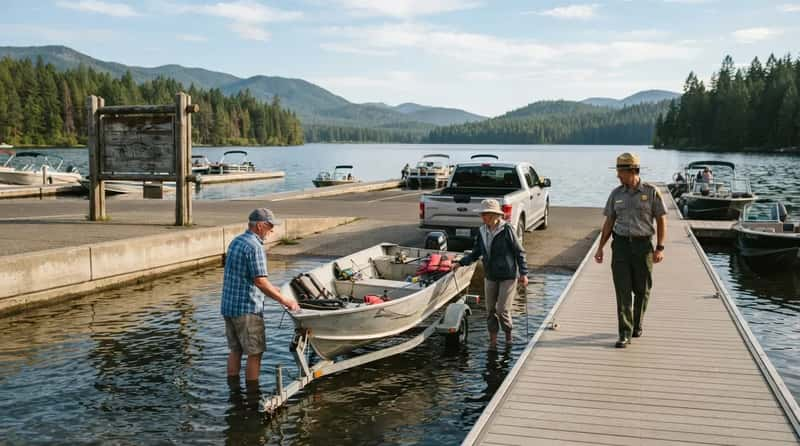
Entry is only part of the story. The Senior Pass may also provide a 50 percent discount on some amenity fees, including camping, boat launches and interpretive services such as ranger-led tours. Notice the word “some.” It depends on the site.
The fine print matters here. The pass generally does not cover or reduce special recreation permit fees or fees charged by concessioners. A private company running a tour on federal land may not honor it. Many do, but they aren’t required to.
The camping discount is where the savings really pile up, and it comes with its own twist.
#9 – The Campground Discount Is the Sleeper Perk
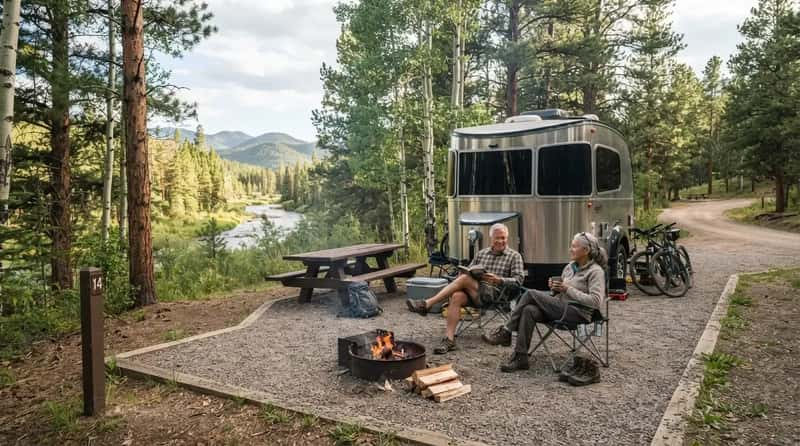
Ask a seasoned camper what the card is really worth, and they’ll skip right past the entrance fee. Federal campground fees can get a 50% discount. Over a long trip, that adds up fast.
The Forest Service is a good example. Senior and Access Pass holders get 50% off single family campsites. The catch: group campsites and other group facilities that charge a flat fee get no discount. The perk is built for you camping on your own or with a small family, not for the whole reunion.
But there’s a rule that decides who actually gets that discount.
#8 – The Catch: This Card Is Strictly Personal
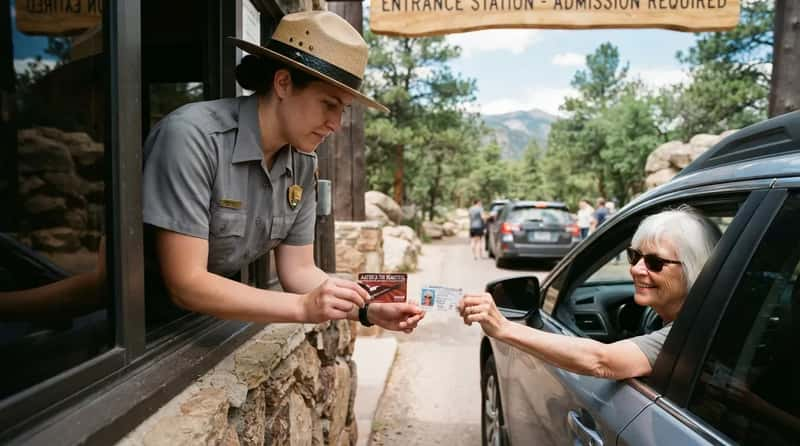
Here’s the truth about the 50% discounts. Where amenity fees are charged, only the pass holder gets the price reduction. Your friends still pay full price, and the card can’t be handed off to anyone else.
Then there’s the mistake that stings most. Passholders must show valid photo ID with each pass. Interagency passes generally can’t be replaced if lost or stolen, so treat yours like cash. Losing a lifetime pass can mean buying another one.
Losing the plastic is one worry. A newer option takes some of the sting out of it.
#7 – The Pass Now Lives on Your Phone, Too
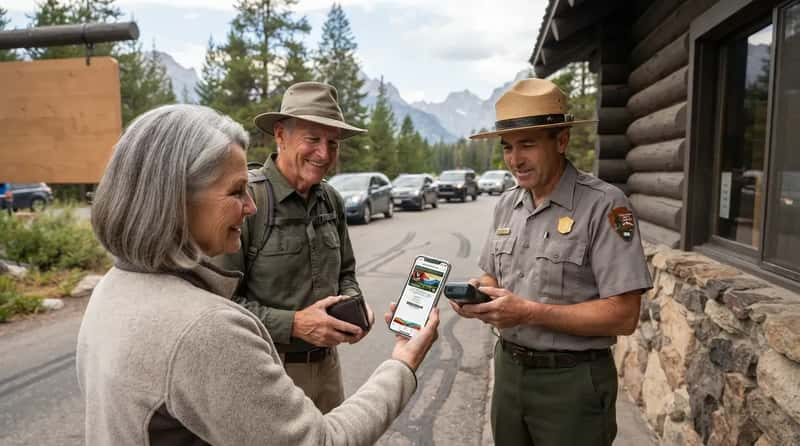
The paper-card era has a new companion. Digital passes, including the Senior Pass, are now available through Recreation.gov, with instant access. You can store yours on your phone and skip the wait for an envelope.
Convenience has a price, though. Passes bought online or by mail carry an extra $10. One benefits site lists $90 for the lifetime pass and $30 for the annual pass when bought that way. Some travelers still love a physical card in hand, and others never want to dig through a glove box again.
Next up is a perk that may be built for road-trip riders.
#6 – Riders May Get Two Motorcycles on One Card
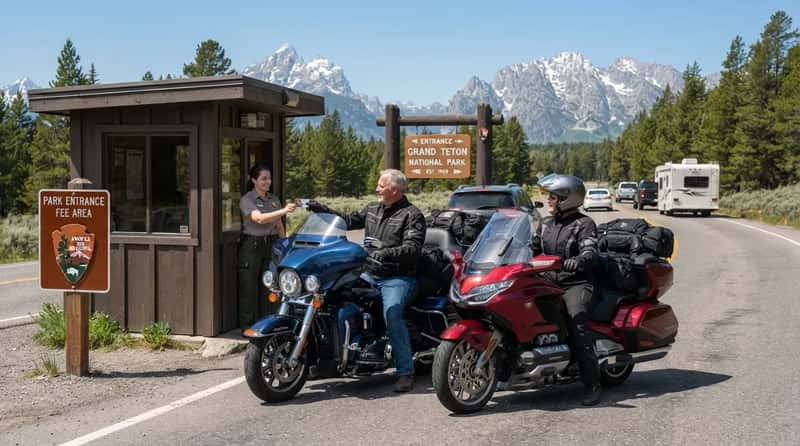
Riders, this one is for you. One 2026 senior-pass guide reports that since January 1, 2026, America the Beautiful passes, including the Senior Pass, cover entrance fees for up to two motorcycles per pass.
That matters for couples who ride separate bikes down the same highway. Motorcycle fee rules have varied from park to park, so I’d confirm the details with the specific park before you go. It’s a small line in the fine print that could save you a second fee at the gate.
Worth Knowing
- Reported start date: January 1, 2026
- The limit: Up to two motorcycles per pass
- Who it helps: Couples riding separate bikes
- Smart move: Confirm with the park before you head out
Some seniors can skip the $80 entirely, and the reason surprises people.
#5 – If You Served or Have a Disability, Your Pass Might Be Free
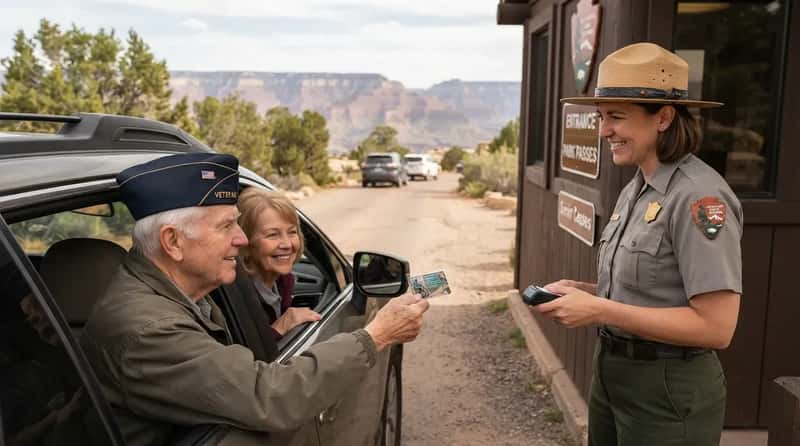
Don’t hand over $80 before you check this. There’s a Military Lifetime Pass for Gold Star Families and veterans. The Access Pass is a free lifetime pass for citizens or permanent residents with permanent disabilities.
So a veteran over 62 can qualify for a free card and the paid senior one. One guide says veterans 62 or older should use the free Military Lifetime Pass instead of the $80 Senior Pass. But there’s a wrinkle: whether you still want the senior card comes down to camping.
Next, the free days everyone talks about, and why you may not need them.
#4 – You Never Have to Chase “Free Park Days” Again
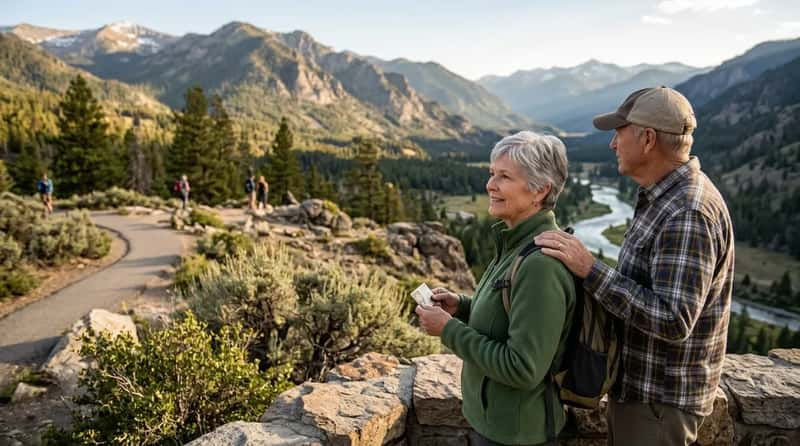
Free entrance days make headlines every year, and crowds plan whole weekends around them. But they cover only a handful of dates. Fee-free also means entrance fees only, so camping fees, tour fees and backcountry permits are not waived.
With a senior pass, you don’t have to plan around any of it. Your card works every other day of the year, and it can take half off camping on top of that. You can pick a quiet Tuesday in October instead of a packed holiday.
Then there’s the 2026 rule change that put American seniors firmly on the winning side.
#3 – A New $100 Surcharge Doesn’t Touch You
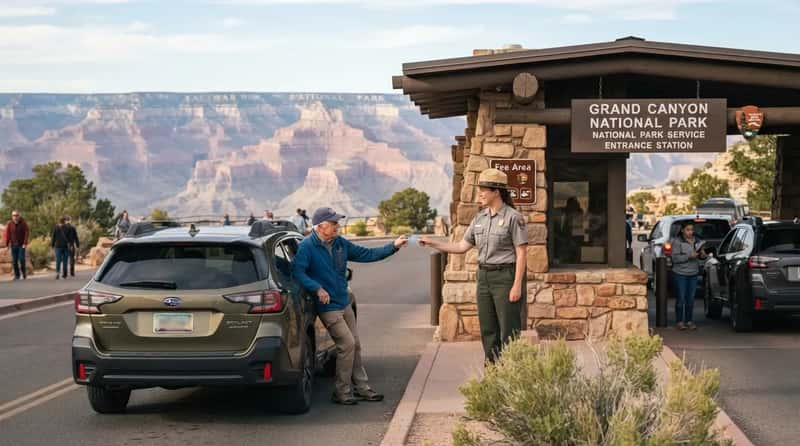
Here’s the 2026 plot twist. Nonresidents without an annual pass pay an additional $100 on top of the standard entry fee at 11 of the most popular parks, including Grand Canyon, Yellowstone, Yosemite and Everglades. It applies to visitors age 16 and older.
American seniors are on the other side of that line. The 2026 changes introduced a $250 nonresident annual pass and surcharges at eleven popular parks, but they don’t affect pricing or terms for U.S. citizen or resident Senior Pass holders. Set that beside a $20 annual senior card, and the gap is striking.
Fast Facts
- The surcharge: An extra $100 for nonresidents without an annual pass
- Where: 11 popular parks, including Yellowstone and Yosemite
- Who pays: Visitors age 16 and older
- Nonresident annual pass: $250
- U.S. Senior Pass holders: Pricing and terms unchanged
But the most persuasive number is the break-even point.
#2 – It Pays for Itself Faster Than Most Gym Memberships
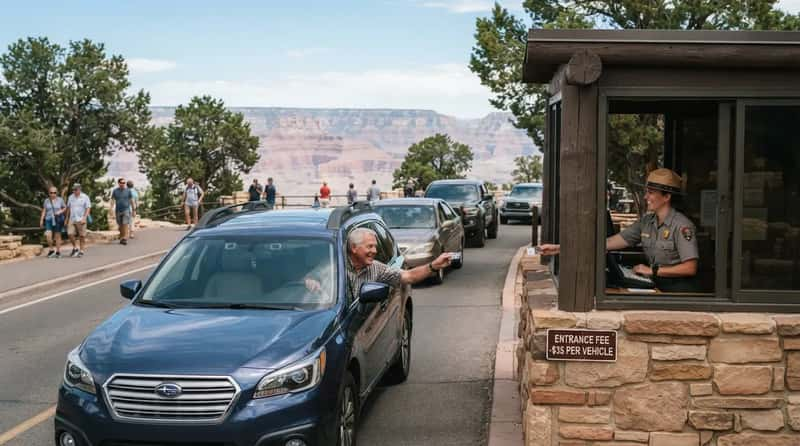
Run the numbers. The $80 Lifetime Pass breaks even after two or three visits. At a major park charging $35 a vehicle, which is common, that’s roughly the third gate.
After that, every visit is pure savings on entry. Add 50% off camping and boat launches where offered, and the pass can quietly rack up value on a single long summer trip. It’s rare for a federal program to be this easy to justify.
And then there’s the one detail that tops it all.
#1 – Pay Once, and the Card Costs What Everyone Else Pays for a Single Year
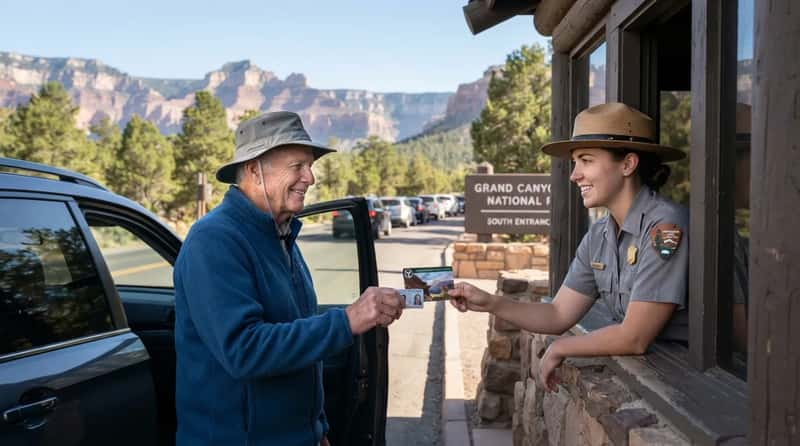
This is the shocker. The standard annual pass for the general public is also $80, so a senior buying the lifetime pass pays what a non-senior pays for just one year. Same price on the card, totally different time horizon.
The difference is permanent. The Senior Lifetime Pass costs $80 and never expires. Visitors under 62 renew every year, and you never do. That’s the hidden perk behind all the others.
Nothing here is automatic, because you have to buy the card and bring your ID every time. But for $80, you get vehicle-wide entry, half-price camping at many sites and a shield from the new nonresident fees, for as long as you keep traveling. Just guard that little card like it’s gold, because it may be the cheapest ticket you’ll ever carry.