Every traveler loves coming home with a little piece of the trip, something tangible that captures a place better than a phone full of photos ever could. Yet some of the most tempting keepsakes sitting in market stalls, gift shops, and beachside kiosks around the world are either illegal to transport, environmentally destructive, or likely to get confiscated the moment you land. Customs agencies from the United States to the European Union report seizing millions of prohibited items from travelers every year, often from people who had no idea they were breaking any rules.
Knowing which souvenirs to skip can save you a hefty fine, an awkward conversation with a customs officer, or worse. Here are seven categories of souvenirs that look harmless in the moment but can cause real trouble once you try to bring them home.
1. Beach Sand, Shells, and Pebbles

It feels like the most innocent souvenir imaginable, a small jar of powdery sand or a handful of smooth pebbles from a gorgeous coastline. Yet in places like Sardinia, this habit has become a genuine legal problem. A 2017 regional law established fines ranging from 500 euros to 3,000 euros for removing sand, shells, and stones from the island’s beaches[1], and enforcement has only tightened since. In 2026 alone, customs officers caught a tourist trying to leave with 40 kilograms of sand hidden in her car.
The penalties can escalate quickly when quantities are large. In one widely reported case, a French couple was caught with more than 80 pounds of Sardinian sand and faced up to six years in prison[2] despite insisting they simply wanted a souvenir. Local authorities say the problem is cumulative rather than about any single tourist. An advocacy group called Sardinia Robbed and Plundered estimated that around six tonnes of sand had been stolen from the island’s beaches by 2021[3]. Sardinia isn’t unique either; it’s not the only place with stringent rules against natural beach souvenirs, since Lalaria Beach in Greece banned the same practice back in 2018[4]. The safest move anywhere with fragile coastal ecosystems is to leave every grain exactly where you found it.
2. Ivory and Other Elephant, Whale, or Rhino Products
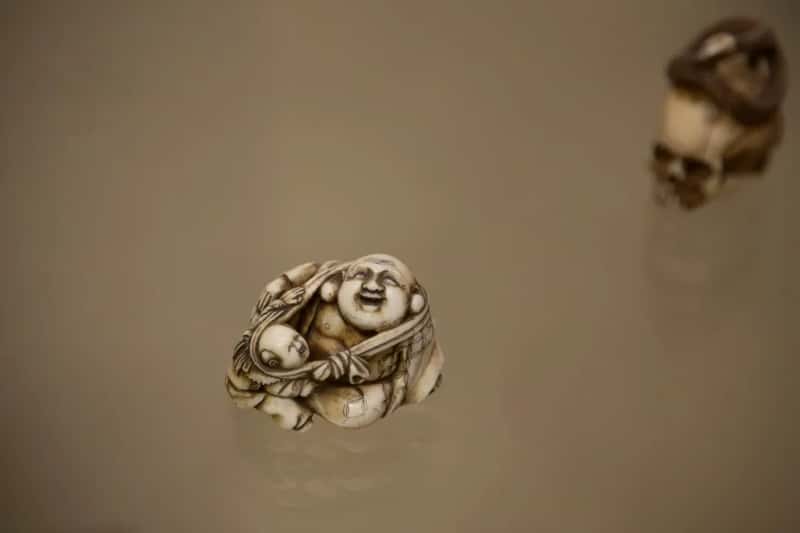
Ivory carvings, jewelry, and figurines still turn up in markets across parts of Africa and Asia, sometimes sold with claims that they’re antique or legally sourced. Buyers should be deeply skeptical. At least 20,000 elephants are killed every year for their ivory, roughly one in every 20 elephants that exist, and dealers aware of the risks often describe items as antique[5] to make them more appealing to tourists. Under CITES, the international treaty governing trade in endangered species, most ivory simply cannot cross borders without proper documentation.
US Customs and Border Protection is blunt about this. Most ivory is prohibited unless accompanied by a permit[6], and genuine exceptions are narrow. An ivory object may only be imported if it qualifies as a genuine antique, meaning it must be at least 100 years old[7], and proving that convincingly is far harder than most travelers expect. Whale bone carvings, walrus tusk items, and rhino horn products fall under similarly strict rules. Unless a seller can produce verifiable export paperwork, it’s best to walk away.
3. Coral, Tortoiseshell, and Exotic Skin Products
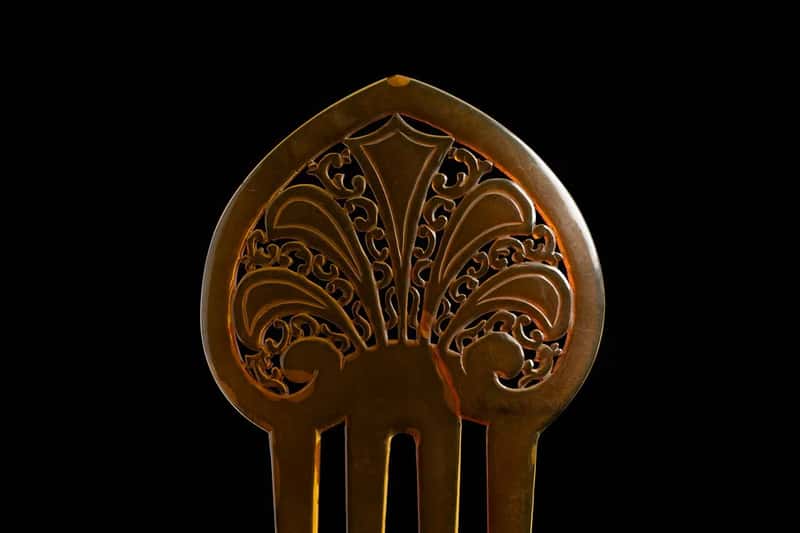
Red coral jewelry, hair combs made from what’s sold as tortoiseshell, and handbags crafted from crocodile or snakeskin are common finds in tropical destinations, but many carry a hidden cost. Tortoiseshell is usually not derived from a tortoise at all but from the endangered hawksbill sea turtle, which has been hunted for its shell to the point that CITES banned the trade in it back in 1973[5]. Coral reefs, already under stress from warming oceans, take decades to regrow once harvested for jewelry or décor.
The trouble doesn’t stop at ethics. Similar issues arise with crocodile-leather belts, snakeskin bags, coral sculptures, and turtle shell accessories, since these souvenirs frequently fail compliance checks at the port of entry even when purchased from reputable shops[8]. Reptile skin products in particular require species-specific permits that street vendors almost never provide. If you love the look of these items, seek out synthetic or clearly labeled farmed alternatives with proper certification instead.
4. Ancient Artifacts, Religious Statues, and Cultural Heritage Items
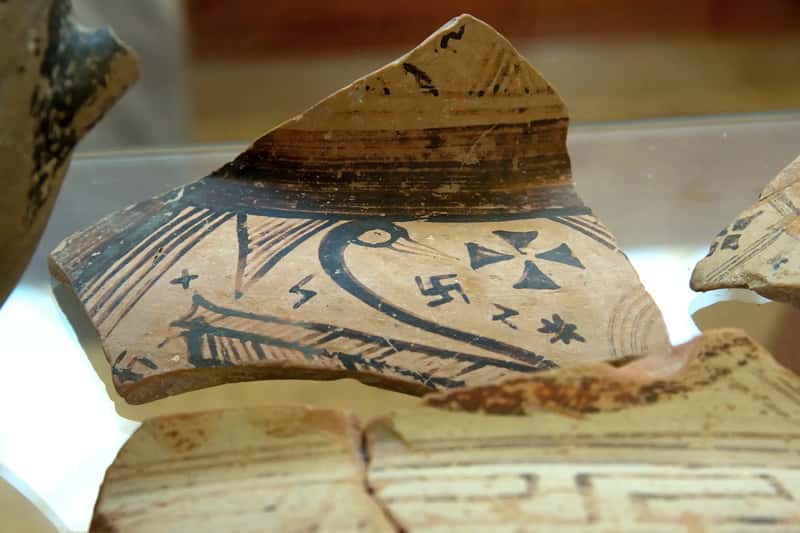
A chipped pottery shard from an archaeological site or a small carved Buddha picked up in a market might feel like a meaningful piece of history, but many countries classify these as national property rather than souvenirs. Thailand is a clear example. The country bans the export of Buddha images and sacred artifacts without official permits, meaning a small statue bought in a street market could be confiscated at customs without the right documentation[9]. Egypt, Peru, Italy, and Greece enforce comparably strict cultural property laws for anything resembling an antiquity.
These restrictions exist for good reason. Such items are considered national heritage rather than ordinary souvenirs[9], and authorities treat their removal as a form of looting even when a tourist bought the piece in good faith from a licensed-looking shop. If a piece genuinely looks museum-worthy, it’s wise to assume it belongs to the country it came from. Licensed reproductions, prints, and clearly modern craft pieces make far safer keepsakes.
5. Counterfeit Designer Goods
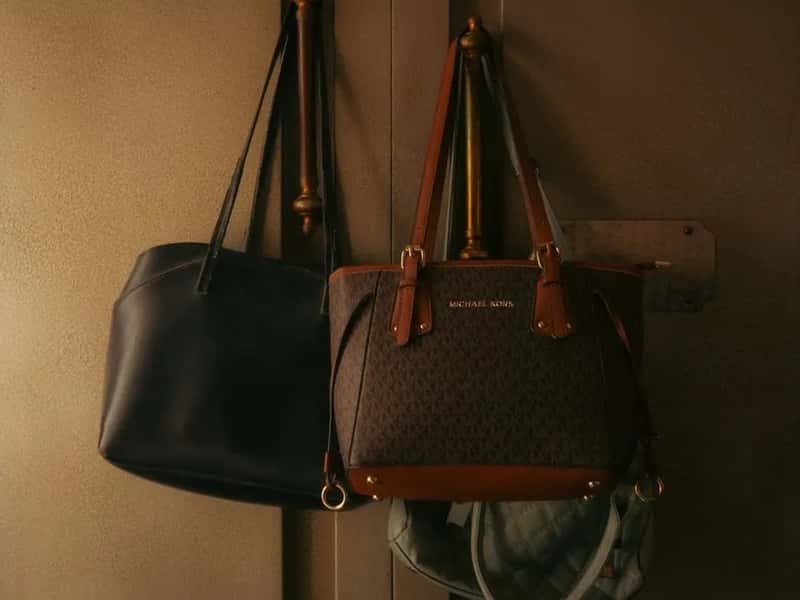
Fake designer handbags, watches, and sneakers sold at street stalls and beach markets are tempting because of the price, but bringing them home is riskier than most shoppers realize. In the United States alone, enforcement has become aggressive. During fiscal year 2025, CBP seized over 78 million counterfeit goods with an estimated manufacturer’s suggested retail price worth over 7.3 billion dollars had the goods been genuine[10]. Europe tells a similar story, where authorities detained 152 million fake items worth 3.4 billion euros in 2023, a 77 percent jump year on year[11].
Individual travelers aren’t always prosecuted for a single fake bag, but the goods themselves are never coming home with you. CBP officers will seize counterfeit items immediately, issue a Notice of Seizure explaining your right to petition, and the goods are not returned[12]. Larger hauls change the calculus entirely, since multiple items suggest commercial intent even if you claim they are gifts for friends, triggering escalating consequences[12]. One knockoff belt might just be an expensive lesson; a suitcase full of them can mean real legal trouble.
6. Cuban Cigars (for US Travelers)

Few souvenirs carry as much mythology as a box of Cuban cigars, but for anyone subject to US jurisdiction, the rules remain unambiguous no matter where in the world you buy them. Current US regulations prohibit travelers from importing Cuban-origin cigars into the United States for personal use, regardless of the country where they were purchased[13]. That means picking up a box in Mexico, Canada, or a European duty-free shop doesn’t create a loophole.
The restriction even extends to gifts and diplomatic channels in most cases. There is an across-the-board ban on importing Cuban-origin cigars and most other Cuban-origin products into the United States, a prohibition that extends to goods acquired in third countries by any US traveler, including duty-free purchases, and applies whether the goods are purchased directly or given as a gift[14]. Since 2020, this has also applied to alcohol and tobacco acquired directly in Cuba by authorized travelers. If cigars are part of your travel wish list, look to Nicaragua, Honduras, or the Dominican Republic instead, where personal import rules are far more straightforward.
7. Live Plants, Seeds, and Untreated Wood or Soil

Bonsai trees, orchid cuttings, packets of unusual seeds, and small containers of soil all seem like charming, low-risk gifts to bring home. In reality, they’re among the items most frequently pulled from luggage by agricultural inspectors. Bonsai trees may seem elegant and harmless, but they can carry soil and insects that pose significant agricultural risks, and seeds, plant cuttings, untreated wooden crafts, and dried floral arrangements are routinely removed from travelers’ luggage[8].
These rules exist to protect entire agricultural sectors from invasive pests and diseases, not to spoil anyone’s fun. US Customs and Border Protection and the Canada Border Services Agency confiscate these items to prevent disease, protect species, and stop illegal trade, and food, plants, and wildlife-derived souvenirs account for the majority of confiscations overall[8]. A single contaminated bonsai or a handful of untreated seeds can theoretically introduce a pest capable of devastating local crops, which is why border agents rarely make exceptions. If you want to bring greenery home, stick to dried, commercially packaged goods that clearly state they’ve been treated or processed.
None of this means travel has to feel like a legal minefield. The vast majority of souvenirs, textiles, art, spices, ceramics, and handmade crafts travel home without any issue at all. The trouble tends to concentrate around a fairly predictable list: anything tied to an endangered species, anything that could be classified as a cultural artifact, anything counterfeit, and anything that could carry pests or disease. A few minutes of research before you buy, or simply asking a shop for proper documentation, is usually enough to tell you whether a souvenir is a keepsake or a liability.
The best souvenirs, in the end, are often the ones that don’t come with legal fine print attached. A well-chosen textile, a jar of local spice, or a handmade craft piece from an artisan can carry just as much meaning as a piece of ivory or a bottle of sand, without the risk of losing it at customs or facing a fine that ruins the memory of the trip entirely.