There’s a particular kind of alertness that shows up the moment something feels off in an unfamiliar place. Maybe it’s a quiet street that suddenly seems too quiet, or a stranger who lingers a beat too long near your luggage. Long before you consciously decide something is wrong, your brain has already started reacting, and the changes it triggers are stranger and more physical than most travelers realize.
These reactions aren’t random. They’re leftover survival tools, sharpened over thousands of years, that still fire up in airports, train stations, and unfamiliar neighborhoods. Understanding what’s actually happening inside your head can make those moments feel less confusing and, in some cases, help you respond more clearly instead of just reacting.
1. Time seems to slow down

Many travelers describe a strange stretching of time during a scary moment, like a near miss with a car or a tense encounter in a foreign city. This isn’t imagination. Researchers have studied a phenomenon sometimes called tachypsychia, where the brain’s threat response appears to compress how time is perceived, making seconds feel like they last much longer.
The effect is tied to the amygdala and how it interacts with memory formation during high stress. Because the brain is laying down unusually dense, detailed memories in short bursts, the experience gets processed as though it took far longer than it did. It’s a survival mechanism, not a glitch, and it’s one reason people often recall danger moments abroad in vivid, almost frame by frame detail.
2. Vision narrows into tunnel focus

When danger registers, peripheral vision often fades while central focus sharpens dramatically. This is sometimes called weapon focus or tunnel vision, and it’s well documented in police training and eyewitness research. A traveler who senses a threat, say, someone reaching toward them in a crowded market, may suddenly find their attention locked onto that one hand or object while everything else blurs.
This narrowing happens because the brain is prioritizing immediate threat assessment over broader environmental awareness. It’s useful for quick reaction, but it comes with a cost. People in this state are notoriously bad at noticing other details around them, which is part of why eyewitness accounts from stressful travel incidents can be inconsistent on background information.
3. Sound seems to disappear or distort
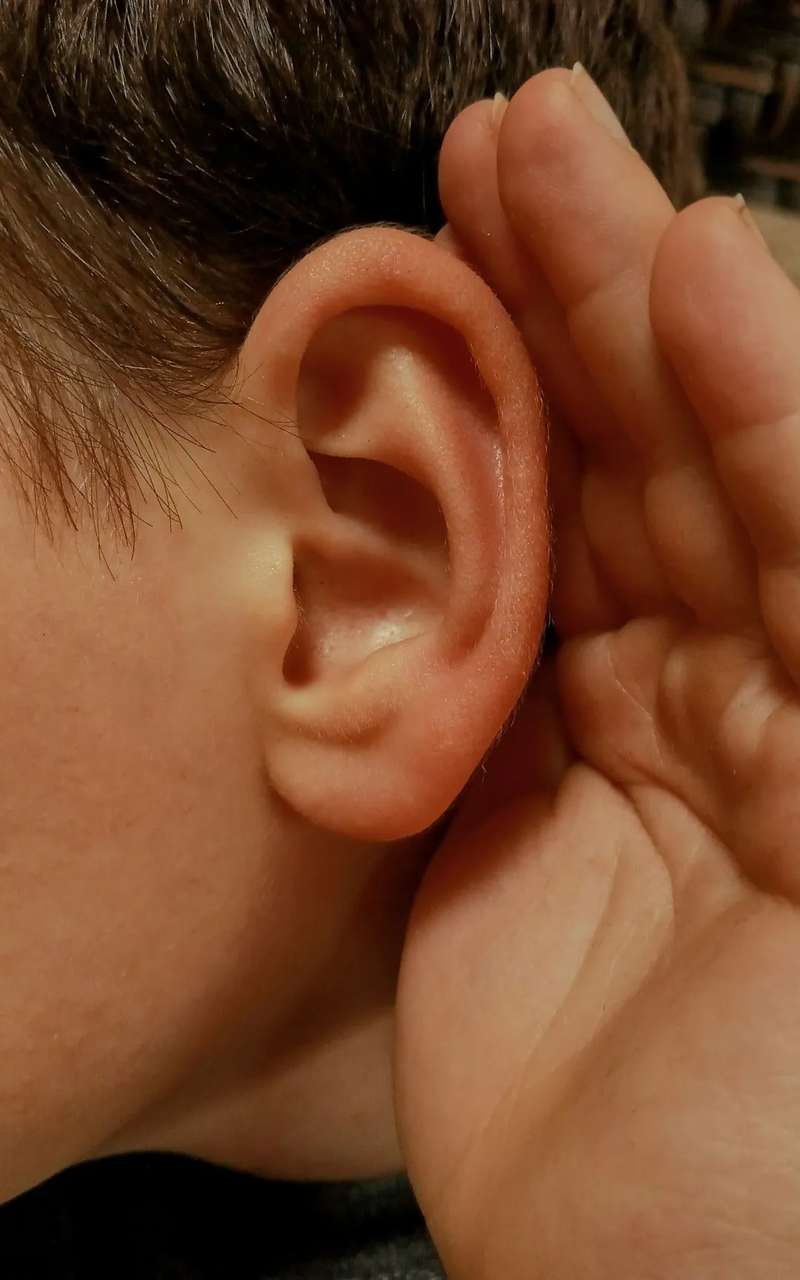
Travelers in dangerous or highly stressful moments sometimes report that surrounding noise fades out almost completely, a phenomenon researchers call auditory exclusion. It’s commonly described by people involved in accidents or confrontations who later say they didn’t hear shouting, traffic, or even their own voice clearly during the event. The brain essentially deprioritizes sound processing to funnel resources toward vision and movement.
This can work in the opposite direction too, with certain sounds becoming unnaturally loud or sharp, like a car horn or a raised voice. Which effect dominates seems to depend on the type of threat and how the brain decides which sense matters most in that instant. Either way, the auditory system during danger rarely functions the way it does in calm conditions.
4. The body freezes before it fights or flees

Fight or flight gets most of the attention, but there’s often a third, quieter response first: freeze. This is sometimes called tonic immobility, and it shows up when the brain briefly assesses that neither fighting nor fleeing is the safest option yet. A traveler standing frozen for a few seconds after spotting a potential threat isn’t being weak or indecisive; their nervous system is running a rapid calculation.
This freeze response is linked to the parasympathetic nervous system briefly overriding the sympathetic one, almost like a pause button. It can feel embarrassing afterward, especially if the danger turns out to be minor, but it’s a well established survival pattern seen across many species, including humans in unfamiliar or vulnerable environments like foreign transit hubs or dark streets.
5. Gut instinct fires before conscious thought does

That uneasy feeling in the stomach when something seems wrong isn’t just a expression, it reflects real communication between the gut and the brain. The enteric nervous system, sometimes referred to informally as the body’s second brain, sends signals upward through the vagus nerve, and this can happen faster than conscious reasoning kicks in. Many travelers report sensing danger before they can even articulate why.
This is part of why safety experts often tell people to trust an instinctive sense of wrongness rather than waiting to logically justify it. By the time the conscious mind catches up with an explanation, like noticing someone following at a distance, the gut based alert may have already been active for several seconds. It’s an old system, but in unfamiliar environments abroad, it often proves reliable.
6. Memory becomes vivid but also fragmented

Dangerous travel moments tend to produce unusually strong, emotionally charged memories, sometimes called flashbulb memories. These recollections can feel extremely vivid and detailed, almost like a photograph, even years later. A traveler might remember the exact color of a taxi or the smell of a street market during a scary incident with striking clarity.
At the same time, research on stress and memory shows these recollections are often less accurate than they feel, with gaps or distortions in sequence and surrounding detail. The brain prioritizes emotional intensity over precise accuracy during encoding, which explains why two people can experience the same frightening travel event and later describe it quite differently. Vividness and accuracy, it turns out, are not the same thing.
7. Social cues become the fastest shortcut to safety
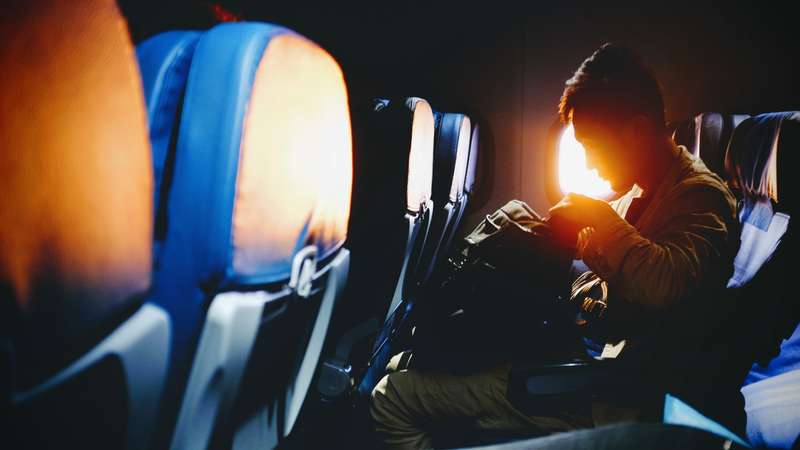
In moments of uncertainty, especially in an unfamiliar country, people instinctively look to others nearby to gauge how alarmed they should be. This is known as social referencing, and it’s a fast, low effort way for the brain to assess risk when direct information is unclear. If everyone around a traveler suddenly starts moving quickly or looking tense, the brain often adopts that signal almost instantly, sometimes before consciously understanding what triggered it.
This herd based instinct can be genuinely useful, since locals often pick up on danger cues that visitors miss entirely. It can also backfire, though, particularly in crowded tourist areas where panic or confusion spreads faster than actual threat information. Travelers who understand this tendency can pause for a moment rather than automatically mirroring a crowd’s reaction, which sometimes leads to a clearer, more accurate read of the situation.
None of these reactions are flaws. They’re the same ancient wiring that has kept humans reasonably safe in unpredictable environments for a very long time, just applied to modern situations like layovers, unfamiliar neighborhoods, and crowded transit systems. Recognizing them for what they are, automatic and largely involuntary, makes it easier to stay grounded the next time a trip takes an unexpected turn.