You step onto the plane, maybe a little sleepy, maybe juggling a coffee and a carry-on the size of a small refrigerator. The flight attendant flashes that signature smile, says “welcome aboard,” and you think, sure, that’s just their job. Here’s the thing though – that greeting is far more loaded than it looks.
In those few seconds during boarding, flight attendants are carefully observing each passenger for visual clues. It’s a quick, silent scan. Almost invisible. What they pick up in that short window shapes how your entire flight is going to go. Let’s dive in.
1. Your Shoes Tell a Story They Take Very Seriously
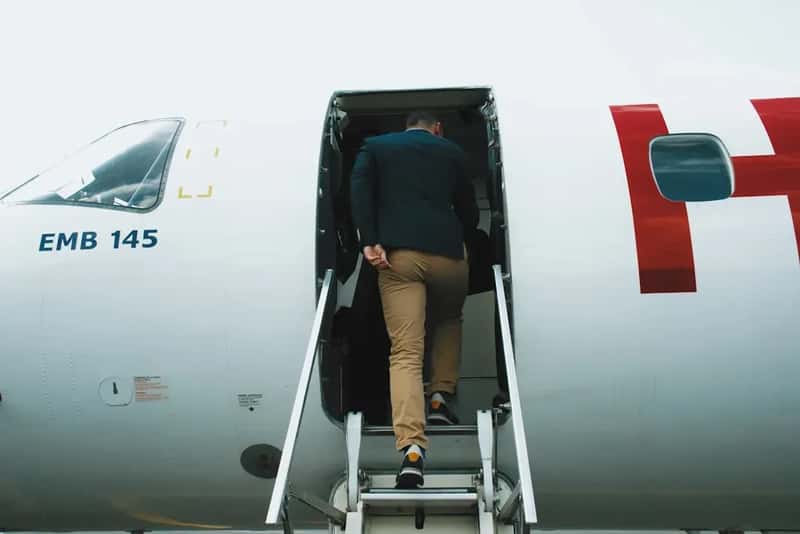
Most passengers never think twice about their footwear when boarding a plane. Honestly, neither did I – until I learned why flight attendants make it their first order of business to clock your feet.
Flight attendants will always notice what you have on your feet, and it is not because they have a shoe obsession. Flight attendant Amy Caris has explained that she always looks at what kind of shoes a customer is wearing to determine whether they can run quickly and easily in them.
If she sees someone wearing high heels during boarding, she can make a note to add in an emergency command about removing them if the need arises. It sounds dramatic, but in an actual evacuation, every second matters.
Comfortable, closed-toe shoes and flexible clothing earn approval from crew, while high heels or tight outfits could hinder quick movement. So next time you think about rocking stilettos on a red-eye, maybe reconsider. Your flight attendant already has.
2. Your Body Language in the First 3 Seconds

Think about the last time you walked into a room and someone read your mood before you even opened your mouth. Flight attendants do this, but at a professional level, honed by thousands of hours of practice.
As you walk down the jet bridge, your first few seconds on the aircraft reveal a lot more than you realize. Flight attendants quickly size up your body language, tone, and eye contact. A warm smile and a simple hello can create an instant sense of trust, while avoiding eye contact or seeming irritated can raise concern.
Flight attendants are trained to pick up on everything about passengers in the blink of an eye, in around three to four seconds. Three to four seconds. That’s roughly how long it takes you to say your own name out loud.
Flight attendants notice whether you say hi, make eye contact, and speak like a normal human, or whether you walk in like you are checking into a hotel you already hate. A quick “hey, how’s it going?” does more than you think. It signals that you are cooperative, emotionally stable, and not about to start a conflict.
3. Whether You Look Like You Could Be a Threat – or a Helper
Here’s something that genuinely surprised me when I first read about it. Flight attendants are not just screening for danger. They are also scanning for potential heroes.
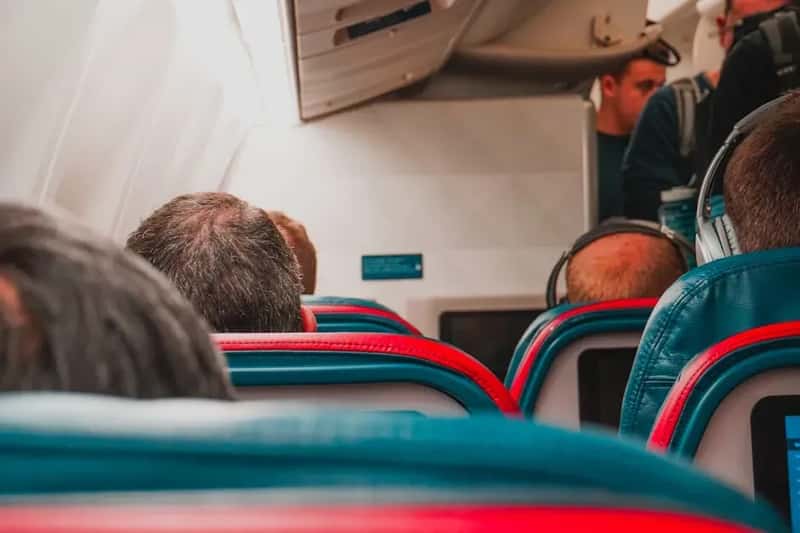
During boarding, flight attendants identify passengers who could assist in an emergency, referred to as able-bodied passengers. These are usually people of a certain build and fitness without any physical restrictions. They must speak English and be willing to carry out instructions from the crew. They may be tasked with operating an emergency exit, helping people at the end of the slide, or moving people away from the aircraft.
Because their first concern is safety, what flight attendants notice about you includes your ability to keep yourself and others safe. They will make a mental note of passengers who are in good shape and who can help lift heavy items and lend a hand if necessary.
Another aspect of this is whether the able-bodied passenger is traveling alone. One flight attendant with over four years of experience noted that if a passenger is with a spouse, child, or family members, they are likely to be more focused on their own group’s safety than being much help to the aircraft in an emergency situation. Solo travelers in good physical condition are quietly noted as potential assets from the very first moment they step on board.
4. Signs That You May Have Had Too Much to Drink
Let’s be real. Airports can feel like Vegas minus the slot machines – full of bars, long waits, and temptation. Some passengers arrive at the gate having already celebrated the start of their vacation a little too enthusiastically.
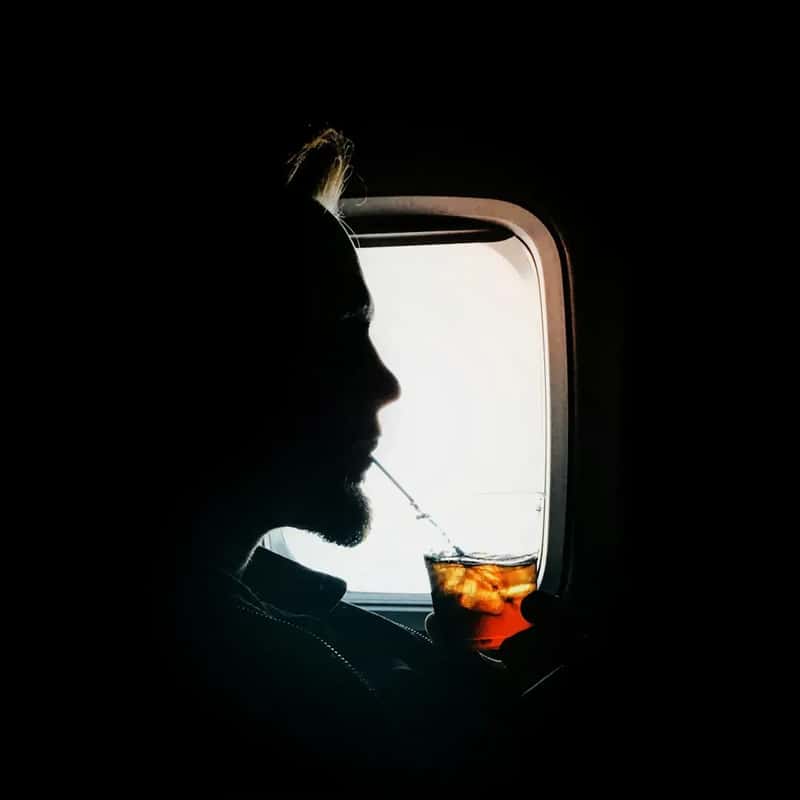
Had a few too many before boarding? Your flight attendant will likely pick up on that quickly. If someone boarding a plane seems like they may be drunk and disruptive, it is important for a flight attendant to sniff out the signs right when the passenger boards so they can take measures to avoid conflict.
Flight attendants try to assess whether a passenger may later become a problem passenger. This can be caused by alcohol, drugs, medication, anger management issues, or entitlement. It is easier to offload an unruly passenger on the ground than to deal with a full-blown situation in the air, which may result in restraint, diversion, and fines or imprisonment.
In 2024, there were over 2,100 cases of disruptive or unruly passengers reported by US airlines, and Switzerland’s Federal Office of Civil Aviation reported 1,730 cases in the same year. Authorities like the FAA are responding by fining passengers and having them pay diversion costs of anywhere between $15,000 and $100,000. The crew reading you at the door is genuinely the first line of defense against those numbers climbing higher.
5. Whether You Appear Unwell or Medically Vulnerable
Nobody wants a medical emergency at 35,000 feet. Flight attendants are trained first responders, yes – but they would much rather catch a problem before the wheels ever leave the ground.
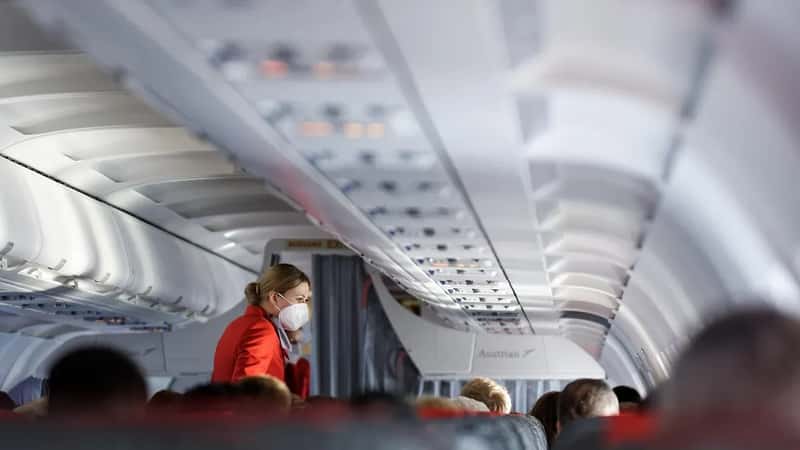
Flight attendants watch for passengers who appear visibly unwell. Symptoms like dizziness, heavy coughing, or difficulty walking can signal that someone may not be fit to fly. Identifying these signs early allows crews to notify the captain or request a medical assessment before departure. This protects both the individual and the wider cabin environment.
It is estimated that one in every 212 flights there will be a medical emergency, according to the National Institute of Health. Of these, diversion occurred in 1.7% of cases due to neurological or cardiovascular conditions, and 0.4% resulted in death onboard. Those are not huge percentages, but on a plane with 200 people, the stakes are very real.
If the cabin crew knows a passenger is feeling unwell, they can make arrangements to make them more comfortable, perhaps moving them closer to the toilets or swapping to an aisle seat. If the illness or symptoms seem serious enough, flight attendants will need to make a call about whether or not the passenger is fit to fly. If not, the passenger might have to leave the plane before takeoff. That quick look at your face during boarding? More consequential than it seems.
6. Your Carry-On and How You Handle It
Picture the overhead bin situation on any packed flight. It’s basically a real-time puzzle with 200 strangers competing to jam oversized bags into spaces that were never built to accommodate them. Flight attendants start assessing this puzzle the second you walk through the door.
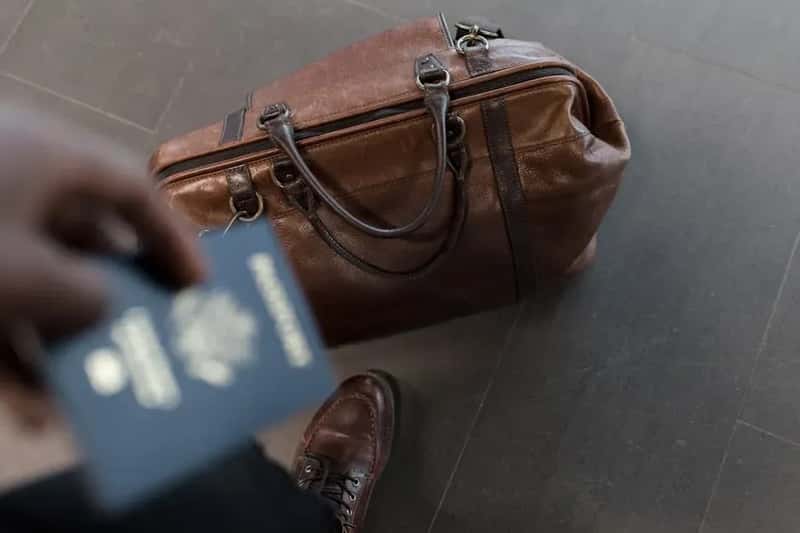
One of the reasons for crew attention to luggage is to ensure that passengers are sticking to the rules of the plane. Flight attendants are the last line of defense against passengers who might try to board a plane with too many bags or luggage that is too big to be a carry-on.
Flight attendants immediately notice bags that are unlikely to fit in the overhead bins or under the seat. Oversized items can slow the boarding process and create congestion in the aisle. Crews also monitor bin availability in real time so they can redirect passengers before a section fills up. They may tell travelers to use the first available bin space rather than waiting to stow bags near their assigned row.
Flight attendants need to know that passengers are paying attention, and will try to catch your eye if you are on your cellphone. They look to see if a passenger is texting or talking on their phone and holding up the boarding process. Blocking the aisle while texting and dragging a bag the size of a steamer trunk is basically a guaranteed way to land on the crew’s radar before you even find your row.
7. Your Anxiety Level – and Whether You Might Need Extra Support
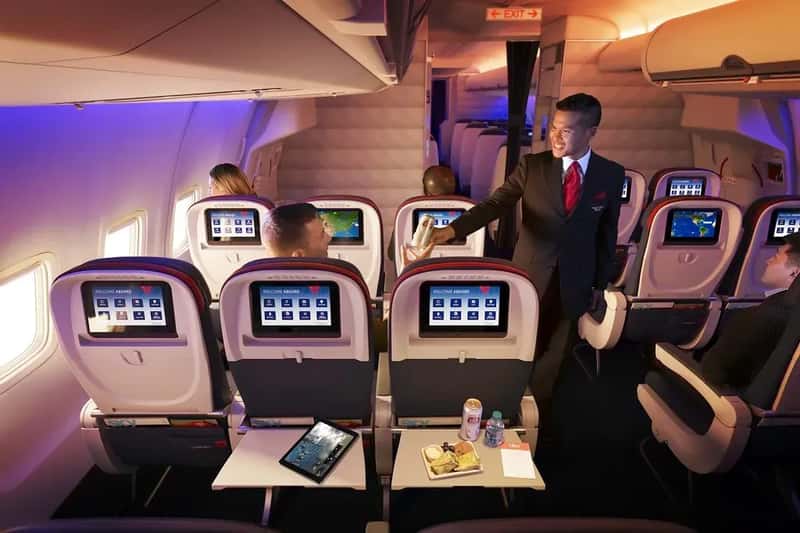
Roughly one in three adults experiences some degree of flight anxiety, according to widely cited estimates from aviation psychology circles. It is far more common than most people admit. Flight attendants know this, and they are trained to spot it instantly.
Flight attendants are essentially anxiety archaeologists, reading the layers of nervous energy passengers are trying to bury. They see the white knuckles despite the casual lean, the too-many questions about safety procedures, the way eyes dart to the emergency exits, and the death grip on a partner’s hand while a face maintains a smile.
Flight attendants will look out for nervous flyers, which can be quite common. A nervous flyer should never be afraid to ask for help. They may be moved to the center of the aircraft, where it is less turbulent, and a flight attendant may seat them near a crew member who can talk through the sounds and movements of the aircraft.
Flight attendants are trained to identify nervous flyers immediately, and this knowledge shapes their entire approach to that passenger. They make mental notes during boarding, and if someone seems nervous, they will often make an extra effort to explain sounds during takeoff, check in more frequently, or even sit and chat for a moment if time allows. In other words, being visibly anxious does not work against you at all. It almost always works in your favor.
Final Thoughts
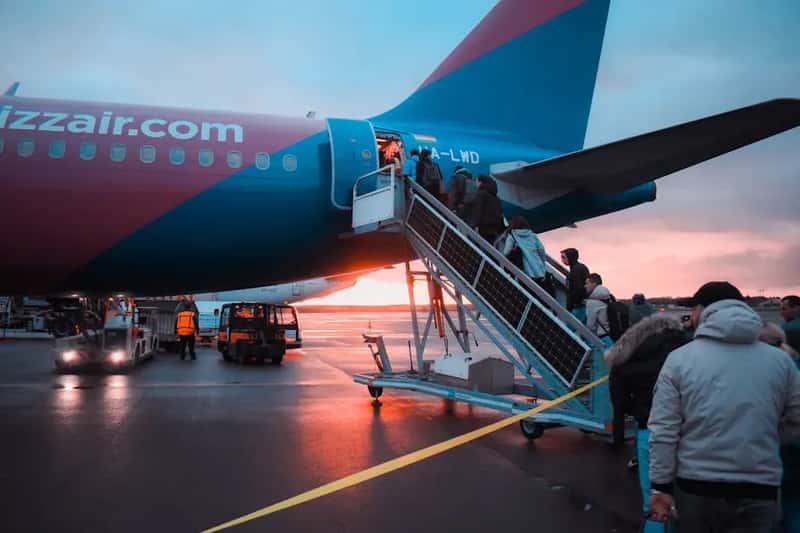
Most passengers board a plane thinking flight attendants are focused on collecting tickets or greeting travelers, but behind those smiles lies a quick, calculated scan. In the few seconds it takes you to step through the cabin door, attendants are already gathering subtle cues about safety, confidence, and cooperation.
The next time you shuffle down the jet bridge, remember this. That brief moment of eye contact, that small “hello” back, those sensible shoes – they all speak volumes before you’ve found your row. Most of what flight attendants notice is completely within your control.
So the real question is this: what impression are you making in those first four seconds? What would you change if you knew someone was reading every single detail? Tell us in the comments.