Every traveler carries a mental checklist, even if they never write it down. Some clues are obvious, like a beach or a famous landmark, but the real decision often comes down to smaller, quieter details that only surface once someone starts comparing options. Talk to enough travelers planning a trip in 2026, and a handful of shared priorities keep showing up, regardless of nationality or budget.
Understanding what pulls people toward one country over another says a lot about how travel itself has changed in the last few years. It is less about ticking off a bucket list and more about matching a place to a mood, a budget, or a personal curiosity.
1. Safety and personal security

No amount of scenery makes up for feeling unsafe, and this remains the single biggest filter travelers apply before booking anything. People check government travel advisories, scan recent news, and often ask friends who have already been there before committing to flights. This isn’t paranoia so much as basic due diligence, especially for solo travelers or families bringing kids along.
Perceived safety also shapes how freely tourists move once they arrive. A destination that feels secure encourages longer walks after dark, more spontaneous side trips, and a willingness to explore neighborhoods beyond the main tourist strip. Countries that invest in visible policing, well-lit streets, and clear emergency infrastructure tend to earn repeat visitors simply because the anxiety of the unknown gets removed early.
2. Easy visa access and entry procedures

Paperwork friction kills more trips than people realize. Long visa queues, unclear documentation rules, or expensive processing fees push travelers toward countries that make arrival simple. This is why passport power and visa-free agreements have become such a visible part of global tourism competition in 2026.
Singapore currently holds the world’s most powerful passport, offering visa-free access to 192 destinations in 2026. Meanwhile, in the first quarter of 2026, foreign nationals made approximately 8.32 million visa-free entries into China, accounting for nearly 78 percent of all inbound foreign crossings and surging almost 30 percent year-on-year. Numbers like that show how directly relaxed entry rules translate into higher visitor counts, since travelers naturally gravitate toward the path of least resistance.
3. Affordability and value for money
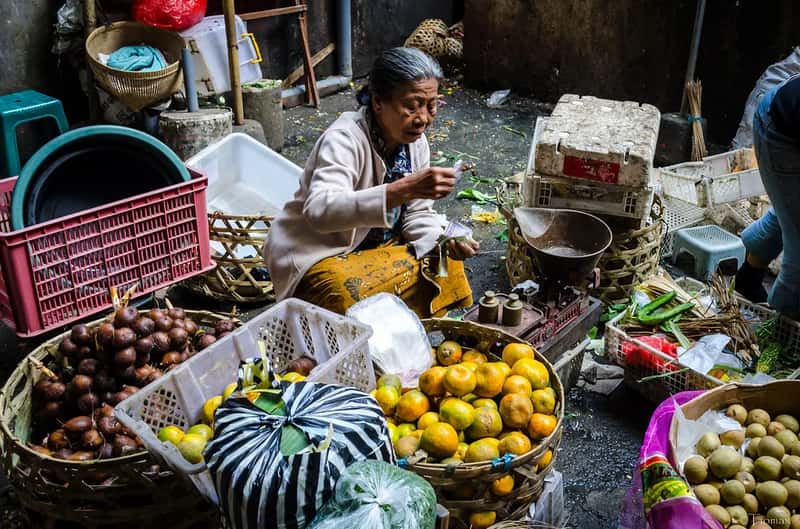
Cost sensitivity hasn’t gone away, even as travel demand has bounced back strongly. Travelers compare flight prices, accommodation rates, and daily spending power before settling on where to go, often chasing destinations where their currency stretches further. Budget airlines, seasonal fare drops, and currency shifts can quietly reshape entire booking patterns within a single year.
Value doesn’t always mean cheap, though. Many travelers are comfortable spending more if they feel the experience justifies it, whether that’s a boutique stay in a walkable city or a well-run tour that avoids hidden fees. What matters most is a sense of fairness, that the price paid roughly matches what’s received, without the feeling of being overcharged simply for being a tourist.
4. Authentic local culture and experiences
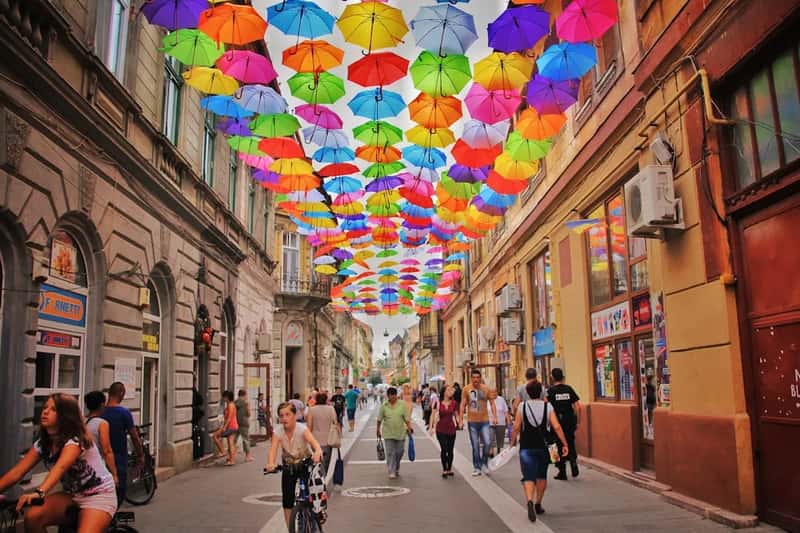
Modern travelers, particularly younger ones, are less interested in staged photo-ops and more drawn to experiences that feel genuinely local. Nearly 87% of global respondents like to leave room in their itinerary for unexpected local discoveries, and 76% say they’re likely to do something adventurous or outside their comfort zone while traveling. Among younger demographics, that appetite for the unfamiliar runs even stronger.
Millennial and Gen Z travelers in particular say they prioritize unique, authentic experiences over popular tourist attractions. This shift explains why homestays, local guides, and small family-run businesses are gaining ground over generic package tours. Destinations that make it easy to interact with everyday local life, rather than just observe it from behind glass, tend to leave a stronger impression.
5. A strong and accessible food scene

Food has quietly become one of the biggest reasons people choose a destination, not just something they eat while there. About 60% of global respondents say they often or always purchase local snacks or food items specific to the destination they’re visiting, citing reasons like trying items not available at home and supporting local businesses. That curiosity extends well beyond restaurants and into markets, corner shops, and street stalls.
Social media has amplified this trend considerably. More than 75% of Millennials and Gen Z surveyed say they’re likely to seek out a food item that’s gone viral during a trip. A destination known for a distinctive culinary identity, whether it’s a specific dish, a coffee culture, or a street food tradition, has a built-in advantage in attracting curious visitors.
6. Natural scenery and outdoor variety

Mountains, coastlines, forests, and open skies still pull people in, especially after years of travelers reevaluating what actually recharges them. Destinations offering a mix of landscapes within a reasonably short distance tend to appeal to a broader range of interests, from hikers to beach loungers to wildlife watchers. This variety lets one trip cover multiple moods rather than forcing travelers to choose a single theme.
There’s also a growing preference for quieter, less crowded natural spaces over famously overrun ones. Travelers increasingly ask locals or online communities about lesser known trails, hidden coves, or regional parks that offer similar beauty without the crowds. Destinations that actively protect and promote their natural areas, rather than letting overtourism erode them, tend to hold their appeal longer.
7. Reliable connectivity and infrastructure

Good internet access, functional public transport, and straightforward payment systems matter far more than they used to, especially with remote work blurring the line between vacation and daily life. Travelers now expect to check maps, translate menus, or handle a work email without hunting for a signal. A destination with unreliable wifi or confusing transit options can frustrate even the most patient visitor.
This expectation has pushed many countries to modernize airports, expand digital payment acceptance, and simplify transportation booking through apps. Places that get this right make the entire trip feel smoother from arrival to departure, which matters increasingly for travelers piecing together longer, more flexible itineraries rather than short, rigid vacations.
Taken together, these seven factors explain why some destinations consistently outperform others in attracting international visitors, even when they don’t have the most famous landmarks or the biggest marketing budgets. Safety and easy entry get a traveler through the door, while affordability, culture, food, scenery, and infrastructure decide whether they stay longer, spend more, or come back again. Destinations that pay attention to all seven, rather than leaning on just one strength, tend to build the kind of steady, repeat interest that outlasts any single travel trend.