Watch the security line on a busy morning and you can usually pick out the regulars. They aren’t rushing, and they aren’t digging through a bag for a boarding pass. They’re already moving.
Most of it isn’t luck or some secret handshake. It’s a set of small habits, built over hundreds of trips, that add up to less waiting and fewer surprises. Here’s what those habits look like, backed by what’s known about airports in 2025 and 2026.
They Skip the Standard Lane Entirely
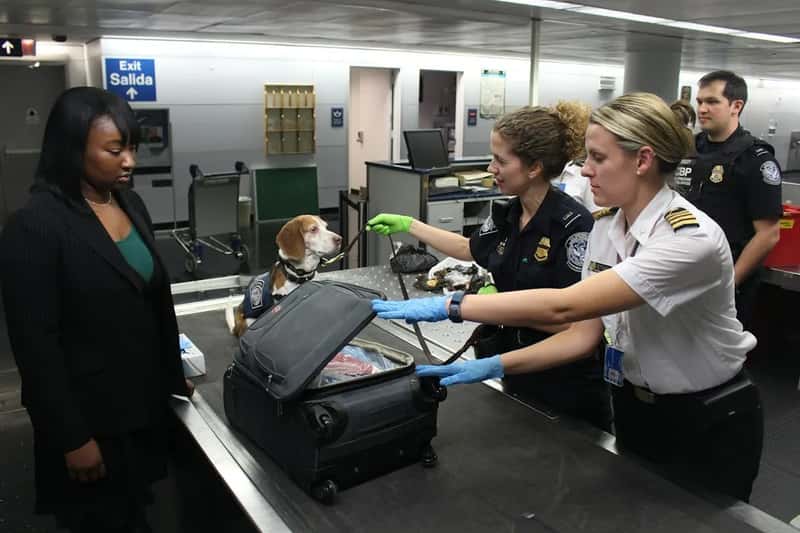
Frequent flyers rarely stand in the general security line. TSA says its wait time standards are ten minutes or less in PreCheck lanes and thirty minutes or less in standard ones. TSA is staffed to meet its wait time standards, which are 10 minutes and under in TSA PreCheck lanes and 30 minutes and under in standard screening lanes.[1] One recent roundup, citing New York Post reporting, says 99% of TSA PreCheck passengers wait less than 10 minutes[2], though that’s a secondhand figure.
Signing up is less painful than most people expect. TSA says the online application takes about five minutes to complete, and the in-person visit typically lasts 10 minutes.[3] Travelers who also fly abroad often go one step further, since Global Entry includes TSA PreCheck and adds expedited re-entry for international arrivals.[4]
They Work Around the Enrollment Backlog
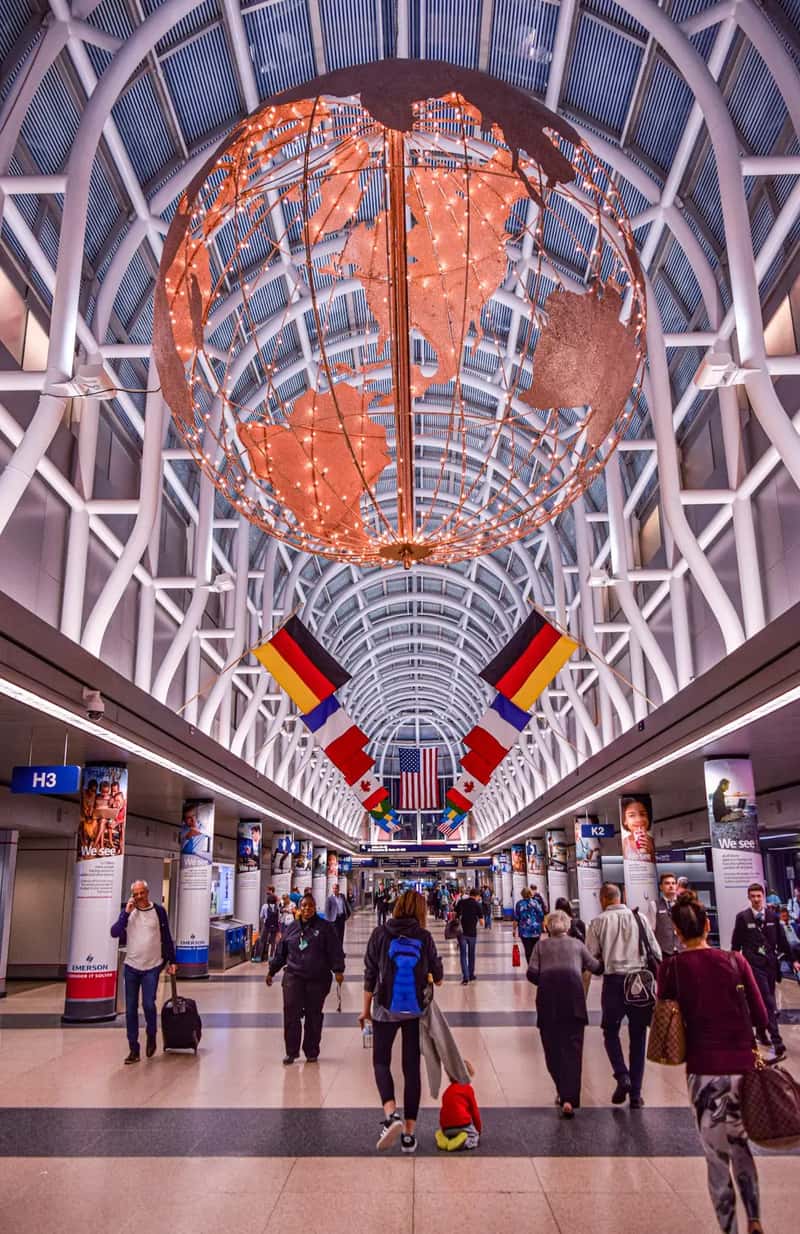
Global Entry has become harder to get. The official Trusted Traveler site warns that for new Global Entry applicants, the processing time for an application can exceed 90 days.[5] Some 2026 reports describe interview waits of four to twelve months at certain hubs, though the length varies a lot by location.
Seasoned travelers don’t just sit and wait. One 2026 guide suggests checking for cancellation slots at enrollment centers through the MyCBP app[4], and CBP has also expanded its Enrollment on Arrival option. Anyone who already holds PreCheck can add their Known Traveler Number to the application, which can expedite the application review.[6] Some premium credit cards also reimburse the application fee, so it’s worth checking your cards before you pay.
They Plan Around the Calendar, Not Just the Clock
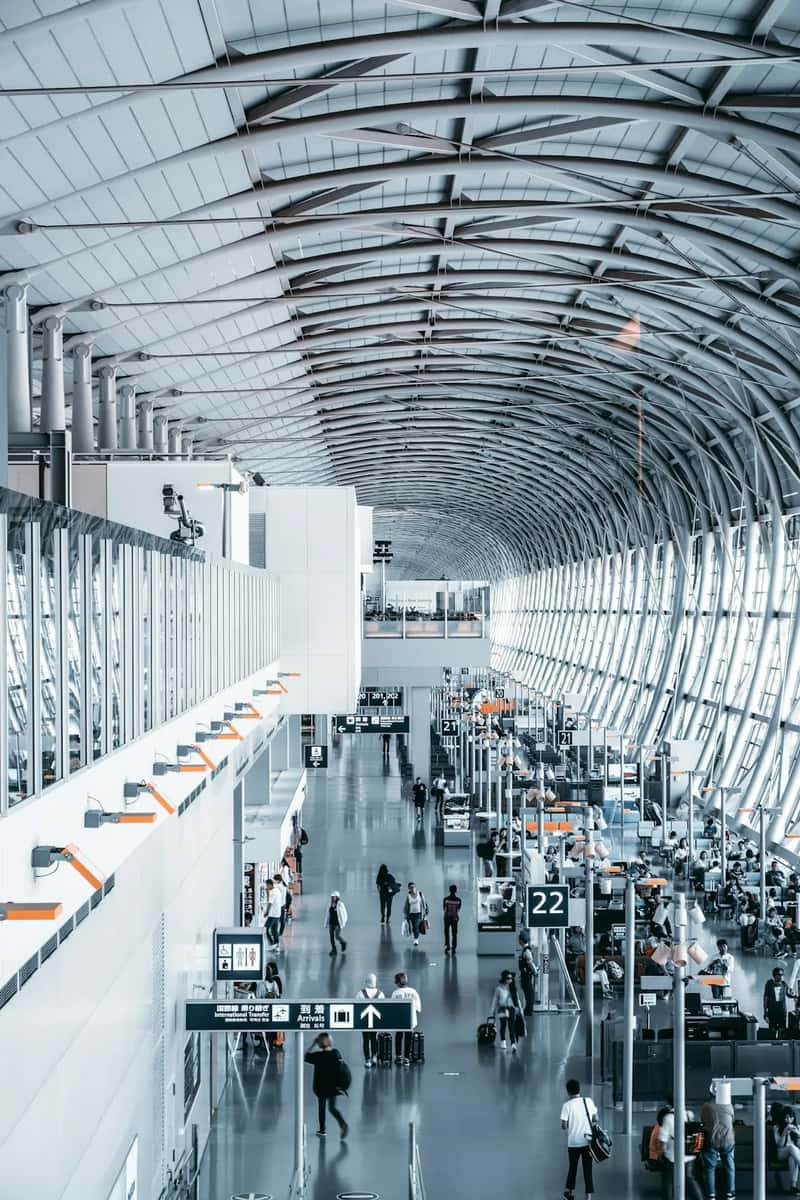
Airports have been getting busier, and frequent flyers pay attention to when. In June 2025 TSA hit an all time high when Sunday was the busiest day nationwide in TSA’s history, with officers screening nearly 3.1 million individuals.[7] That summer wasn’t a one off, because of the top 10 busiest travel days, eight had been reported since May 23[8] in 2025.
So regulars think about which day and hour they’re picking, especially around holiday weekends. They also check conditions on the day itself. A March 2026 CBS News report noted that some airports may not be operating TSA PreCheck lines due to reduced staff[9], which is a good reason not to assume the fast lane will be open.
They Pack for the Checkpoint
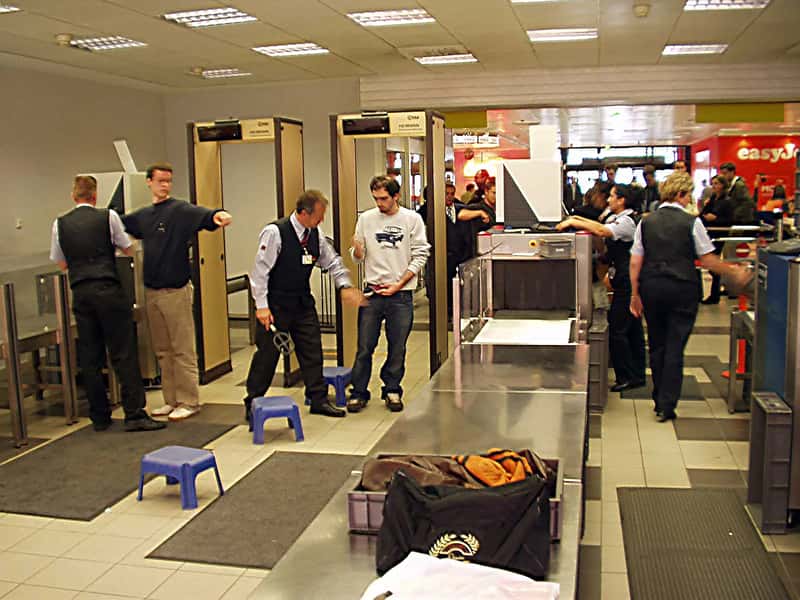
The quickest way through security is to have nothing to sort out once you arrive. Frequent flyers keep liquids inside the limit, and TSA continues to remind travelers to follow the 3.4-ounce limit for liquids in carry on bags.[10] They also know the shoe rules, since TSA requires individuals in standard screening lanes to remove their shoes[11], while PreCheck passengers can generally leave them on unless they alarm.
Paperwork gets the same treatment. TSA says all airline passengers must have their acceptable ID and boarding pass ready at the security checkpoint entrance.[11] With REAL ID enforcement in place since May 2025, regulars make sure their license is compliant or carry a passport instead.
They Leave Breathing Room on Connections
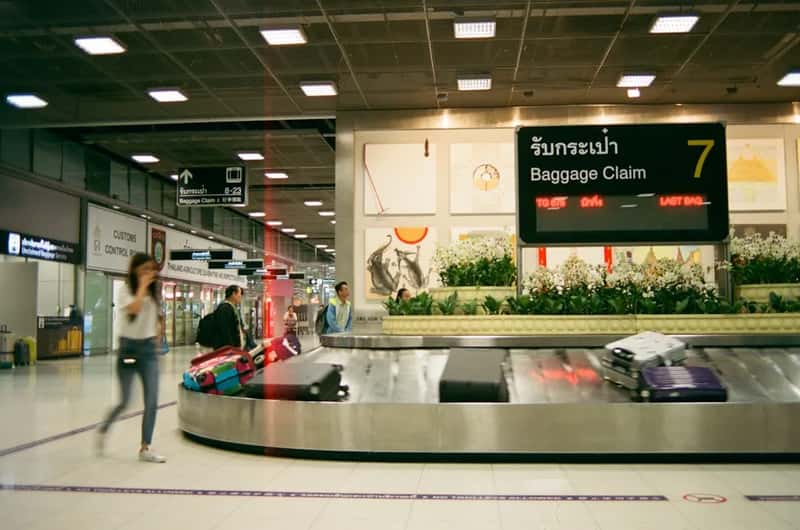
A tight layover looks efficient on a booking screen and stressful in real life. Bag data explains why. SITA’s figures show that transfers caused 39% of mishandling in 2025[12], and the report notes that connecting journeys involve more handlers, more systems, and tighter connection windows.[12]
Frequent flyers respond in a few practical ways. They pick longer connections when a checked bag is involved, and they often avoid checking a bag at all when the schedule is tight. It’s a quiet habit, but it removes one of the biggest sources of trouble in air travel.
They Track Their Own Bags
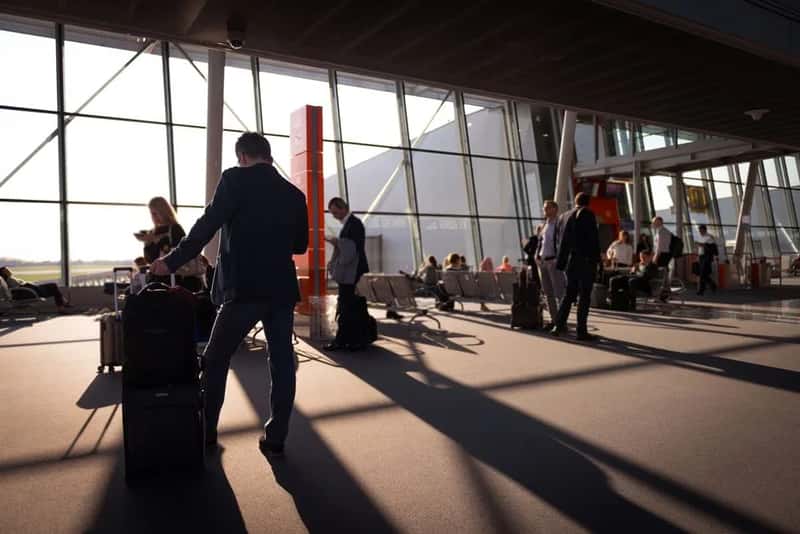
Airlines are improving, but travelers don’t rely on that alone. SITA reports that airlines delayed, lost or damaged 4.9 bags per 1,000 passengers in 2025, an improvement from 6.3 per 1,000 in 2024.[13] That’s a real gain, and it still means millions of bags go astray around the world each year.
So many regulars slip a personal tracker into their luggage. SITA credits growing use of passenger facing tracking tools such as AirTags as one factor in the improvement, and it says Apple’s Find My integration with SITA WorldTracer cut permanently lost luggage by 90% in its first year.[14] Location data you can share with the airline speeds up a search, which matters when a bag is missing.
They File the Claim Before They Leave
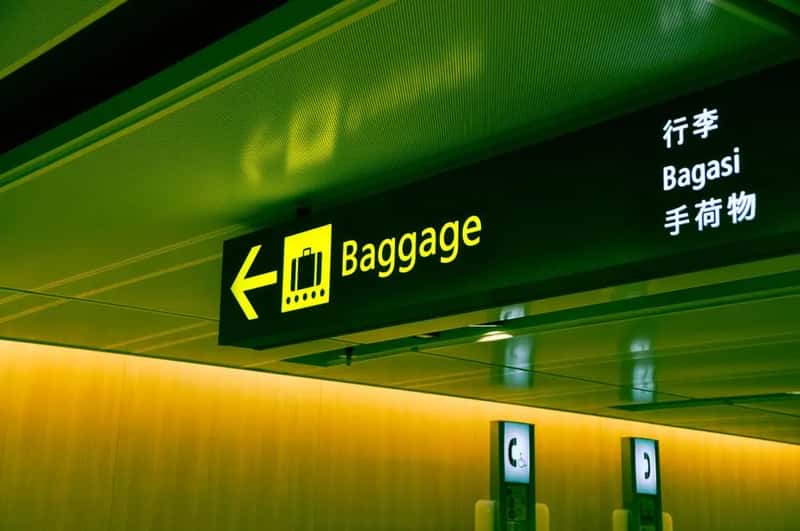
When a bag doesn’t show up, experienced travelers don’t head for the exit hoping it turns up. SITA estimates that total volumes fell 19% to 24 million bags[15] mishandled in 2025, and those figures include delays and damage, not only permanent loss. Most of those cases are delays, and a delayed bag still needs a paper trail.
The routine is simple. File the baggage report at the airport, and keep every claim number and receipt.[16] Trackers help locate a bag, but they don’t replace a formal claim with the airline.