Buying a home in Mexico sounds simple in theory. You fall in love with a beachfront condo or a colonial house in the mountains, you make an offer, and within a few months you’re sipping coffee on your own terrace. In practice, the process comes with a handful of quirks that catch almost every foreign buyer off guard. None of them are dealbreakers, but they can turn into expensive surprises if nobody warns you ahead of time.
After digging through the fine print that governs foreign property ownership in Mexico, I put together the seven lessons that matter most, the ones real estate agents sometimes gloss over until you’re already deep into a transaction. Consider this the conversation I wish someone had walked me through before I signed anything.
1. You Probably Can’t Hold a Direct Deed Near the Coast
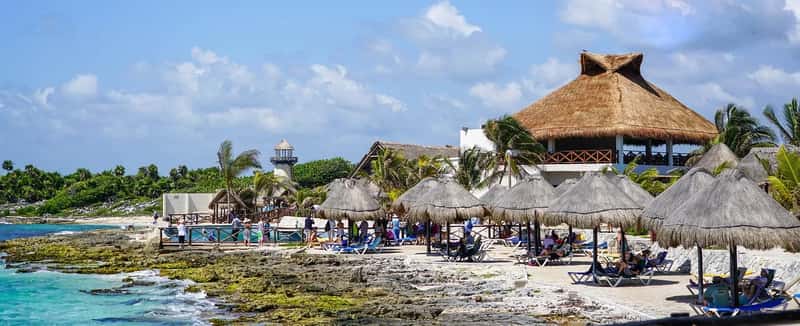
This is the one that surprises almost everyone. The restricted zone is defined in the Mexican Constitution as all land within 50 kilometers of any coastline and 100 kilometers of any international border, and foreigners can’t hold direct title in these areas, whether that means beachfront condos in Cancun, ocean-view villas in Cabo, or desert property near the U.S. border. That covers pretty much every popular expat destination on the map.
The workaround is a fideicomiso, a bank trust that has been part of Mexican law for decades. A Mexican bank holds the legal title, but you, the trust beneficiary, have all the rights of an owner: you can live there, rent it, remodel it, sell it, or pass it to your heirs, and the trust runs for 50 years and can be renewed indefinitely. It isn’t a loophole or a lease in disguise, it’s simply how the system works, and thousands of foreign owners use it every year without issue.
2. Closing Costs Run Much Higher Than You’d Expect
Coming from the US or Canada, where closing costs often land somewhere around two to three percent, Mexico’s numbers can feel jarring. In most Mexican real estate transactions, closing costs are paid by the buyer and typically range from 4% to 9% of the purchase price, covering taxes, notary services, bank trust setup if applicable, and government registrations. On a coastal property, several sources push that range even higher.
Some agencies working specifically in restricted-zone markets put the number at 6-8% of your purchase price for closing costs when buying property in Mexico’s restricted zone, including the mandatory bank trust, notary fees, transfer taxes, and various governmental permits. The acquisition tax alone, known as ISAI, is a state-level tax, so every Mexican state sets its own rate, and rates range from approximately 1.5% in some states to 4.5% in others. Budget generously rather than counting on the low end of any estimate.
3. The Notary Isn’t Working for You, Even Though You Pay Them

This distinction trips up a lot of first-time buyers. In Mexico, a Notario Público is radically different from a notary public in the US or Canada, since in North America a notary is essentially a witness who stamps documents, while in Mexico a Notario Público is a highly specialized, government-appointed attorney who has passed a rigorous federal examination and serves a quasi-public function. They draft the deed, calculate taxes, and register the property, and none of that happens legally without them.
What catches people off guard is the neutrality. The notary is neutral, representing the transaction rather than you specifically, ensuring everything is legally correct and taxes are paid, but they will not flag issues that are bad for you specifically, negotiate terms on your behalf, or warn you about contractual risks. That’s exactly why so many closings also involve an independent lawyer whose only job is to look out for the buyer’s interests.
4. Ejido Land Can Quietly Derail a Purchase
Ejido land refers to communal property, and it is not something a foreigner can simply buy the way you would a titled lot. The big one is ejido land, which is communal land, not the same as private property, land that belongs to a community and cannot be sold the same way regular property is sold, and foreigners cannot legally buy ejido land as private property. The tricky part is that it isn’t always obvious just by looking at a listing.
Ejido land is most common in rural areas and in some coastal areas that are still being developed, which unfortunately includes some of the exact regions foreign buyers find most appealing. Before signing anything, a buyer should confirm the land’s legal classification and make sure it has gone through the process of being converted to private property, since skipping this step has ended a lot of otherwise promising purchases.
5. The Trust Comes With Its Own Set of Recurring Fees
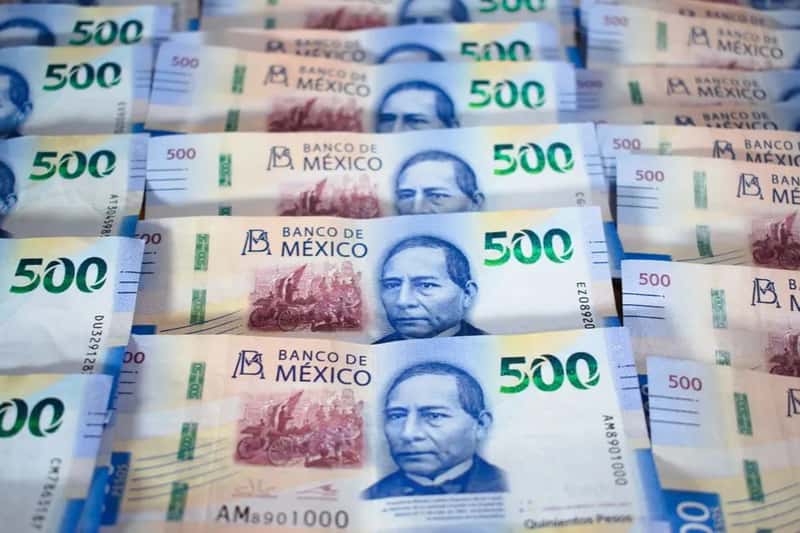
Once the fideicomiso is up and running, it isn’t a one-time expense you can forget about. Setting one up typically costs $2,000 to $3,000 as a one-time fee that covers the bank’s administrative work and legal filings, and that’s on top of permit and notary costs already baked into closing. After that, the bills keep coming annually.
Foreign buyers should plan for annual fideicomiso fees, which range from $550 to $1,000, though this varies quite a bit depending on the bank and the region. It’s worth shopping around at closing rather than accepting whatever trustee a developer or agent suggests by default, since annual fideicomiso fees can vary widely between different Mexican banks, so it helps to budget an extra 10 to 15 percent on top of planned expenses to cover hidden or unexpected costs.
6. Property Taxes Are Refreshingly Low, But Don’t Get Complacent
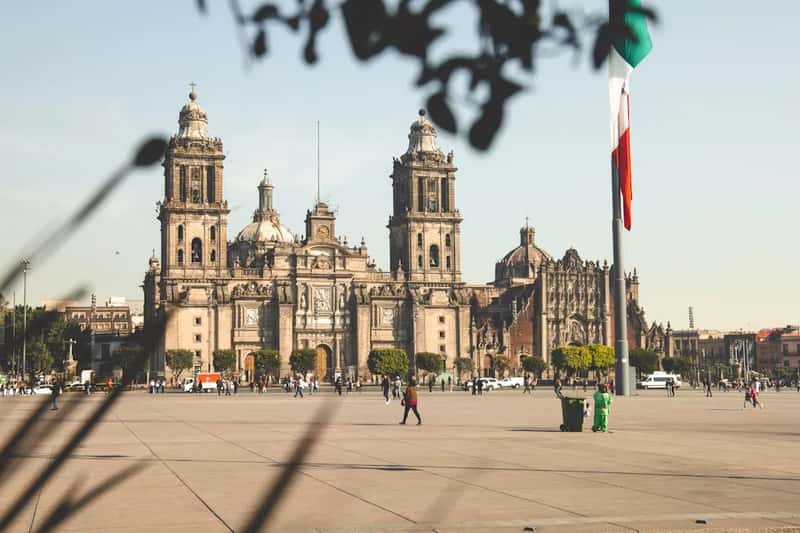
Here’s a genuinely pleasant surprise after all those closing costs. Annual property tax in Mexico, called predial, is calculated on assessed value rather than market value, and after you buy, you will pay annual property taxes called predial that are based on the assessed value of your property and are much lower than in many other countries, with most owners paying between 0.1% and 0.3% of the assessed value each year. Compared to property tax bills in much of the US, that’s a fraction of the cost.
Still, low doesn’t mean optional. You receive a bill from the local municipality and payment is required yearly, and failure to pay your property taxes or trust fees can lead to penalties or legal trouble. Many municipalities also offer a discount for paying early in the year, so it pays to ask your local tax office about the schedule rather than waiting for a reminder that may never arrive.
7. Selling Down the Road Brings Its Own Tax Surprises
Even if you’re buying with no intention of ever selling, it’s worth understanding the exit rules early, because they shape decisions you make at purchase, like how the deed is titled. Foreign sellers face capital gains tax on any profit, and the notary calculates and withholds it directly. Residents with a Mexican tax ID may exempt up to 700,000 UDIs from capital gains, roughly five to six million pesos as of 2025, though this exemption can only be used once every three years.
The catch for many foreign owners is that this exemption often hinges on residency status rather than just property ownership. Mexican income tax law does not expressly state whether a foreign seller must have temporary or permanent residency status to claim capital gains exemptions, though it does require the property being sold to be the seller’s primary residence, and the notary handling the sale ultimately interprets how the law applies. That ambiguity is exactly why it pays to talk to a Mexican tax professional years before you ever plan to sell, not after you’ve already listed the place.
None of these seven lessons should scare anyone away from buying in Mexico. Millions of dollars in foreign-owned real estate change hands there every year, and the fideicomiso system, the notary process, and the tax structure all function smoothly once you understand how the pieces fit together. The real trick is going in with realistic expectations about cost, paperwork, and timeline, and surrounding yourself with an independent lawyer, a trustworthy notary, and an agent who has actually closed deals with foreign buyers before. Do that homework upfront, and the rest of the process tends to feel a lot less like a gamble and a lot more like the adventure you signed up for.