Checkout day has a rhythm to it. Bags get zipped, the room gets a last glance, and anything that feels disposable ends up in the trash can by the door. Yet hospitality insiders keep pointing to a handful of small, easily overlooked items that guests toss without a second thought, even though they carry real value once you’re back home or on your next trip.
1. Silica gel packets tucked into toiletry kits and shoe boxes
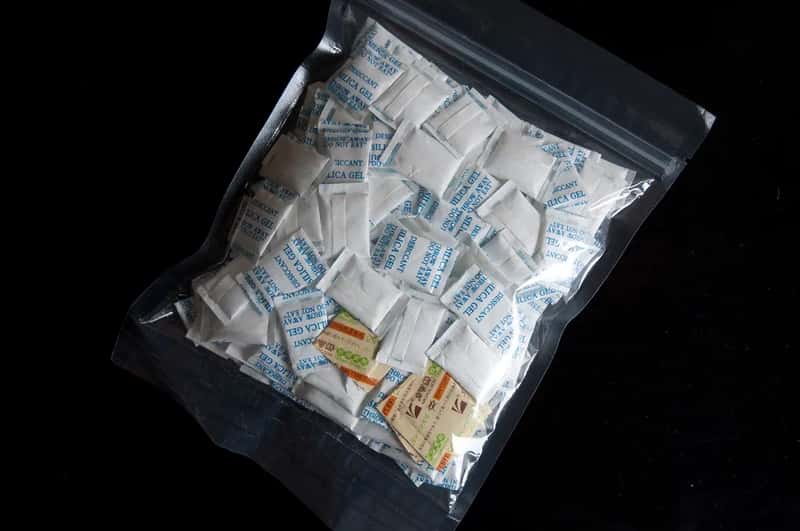
Those tiny paper pouches that fall out of new slippers, electronics, or hotel bathroom kits usually land straight in the bin. Those little paper packets stuffed inside new shoes, electronics boxes, or hotel toiletry kits usually go straight into the trash without a second thought, but photographers, campers, and anyone who packs cameras or important documents tend to save them instead, because silica gel absorbs moisture and helps prevent mold or fogged lenses in humid climates.[1]
A handful of these packets tossed into a camera bag, a jewelry case, or even a suitcase pocket during a beach trip can make a real difference in a damp destination, and they’re free, weigh almost nothing, and take up no real space, which makes them one of the easiest items on this list to justify keeping.[1] Next time you find one, drop it in your dry bag instead of the trash.
2. Individually packaged tea, coffee, and sugar packets
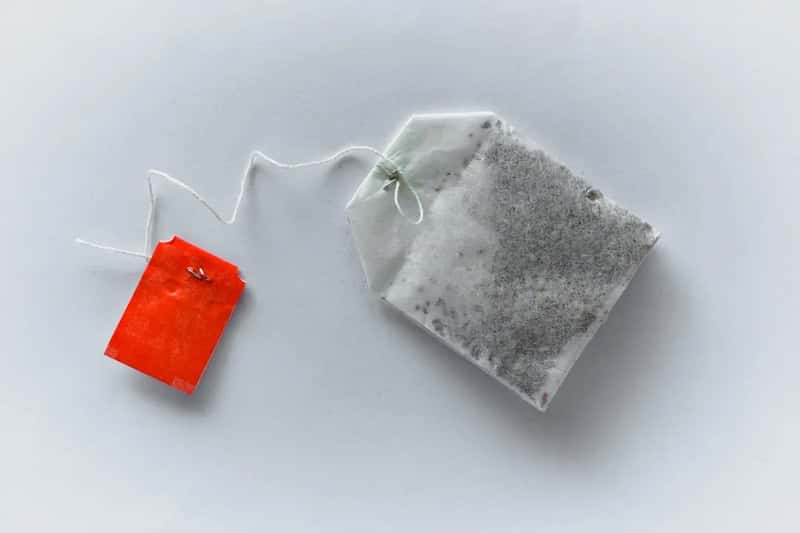
The little basket of coffee pods, tea bags, and creamers on the desk feels like something meant to be used up during the stay, so most guests leave the leftovers behind. That’s a missed freebie, according to hospitality staff who point out these are yours to keep. Tea bags, coffee packets or cups, hot chocolate packets, sweeteners, stirring sticks, disposable spoons and disposable cups are all fair game to toss into your suitcase, according to Curt Asmussen, managing director of Obie Hospitality.[2]
Individually packaged tea and coffee are considered part of the hospitality experience, since single-serve coffee pods, tea bags, sugar packets, creamers and stirrers are included in your stay.[3] They’re handy on a long flight home or during a layover when you just need a hot drink and no vending machine in sight.
3. Sewing kits, shoe mitts, and vanity kits
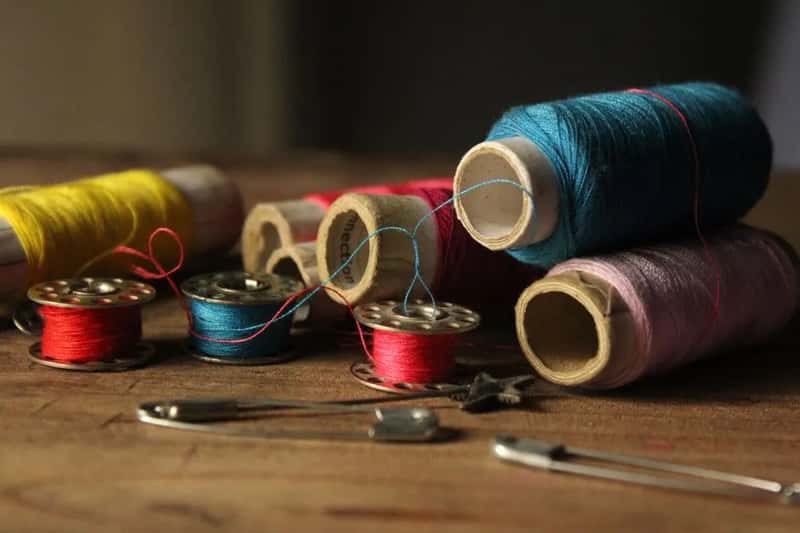
These little grooming and repair kits sit in a drawer for the entire stay and then get pitched along with the paper wrappers and used tissues. Travel experts say that’s unnecessary, since these are inexpensive extras hotels expect guests to use up or take with them. Sewing kits, shoe mitts and vanity kits come at a low cost to the hotel, but they make the guest’s stay more comfortable and hassle-free.[3]
A tiny sewing kit weighs nothing in a suitcase, yet it can save a trip when a button pops off right before a dinner reservation. The shoe mitts and lint rollers are just as practical, especially for anyone heading straight from a hotel checkout to a meeting or event.
4. Unopened mini toiletries left in the bathroom

Unused bottles of shampoo, conditioner, body wash, and lotion often get left on the bathroom shelf because guests assume housekeeping will simply restock them for the next arrival. In many hotels that’s exactly what does not happen. Just like soap, unused bottles that are left behind will be used for the next guest, but opened bottles will be thrown in the garbage.[2]
In other words, once a bottle has been opened, it’s headed for the trash whether you take it or not, so there’s little reason to leave it. Hotel guests are welcome to take home mini-size shampoos, conditioners, moisturizers and body washes, and having an extra set in your travel bag is always a win for savvy travelers.[4] It’s a small habit that adds up over a year of trips, especially for anyone who travels often for work.
5. Hotel notepads, stationery, and branded pens

The notepad and pen sitting on the desk rarely make it into a suitcase, mostly because they seem too ordinary to bother with. Hotels actually see it differently, and many treat these items as a quiet form of advertising rather than a loss. Many hotels think of notepads, stationery and pens as free marketing, and they also make great souvenirs for guests, including postcards.[3]
It’s common practice for hotels to provide a pen and paper, usually placed near the desk, for notetaking, and if you want to take home the pen and notepad, feel free to do so, since they’re nifty souvenirs usually printed with the hotel’s logo and a handy bonus to have in your travel bag.[4] They’re one of the few hotel freebies that double as a genuine keepsake from the trip.
6. Travel receipts, invoices, and parking stubs
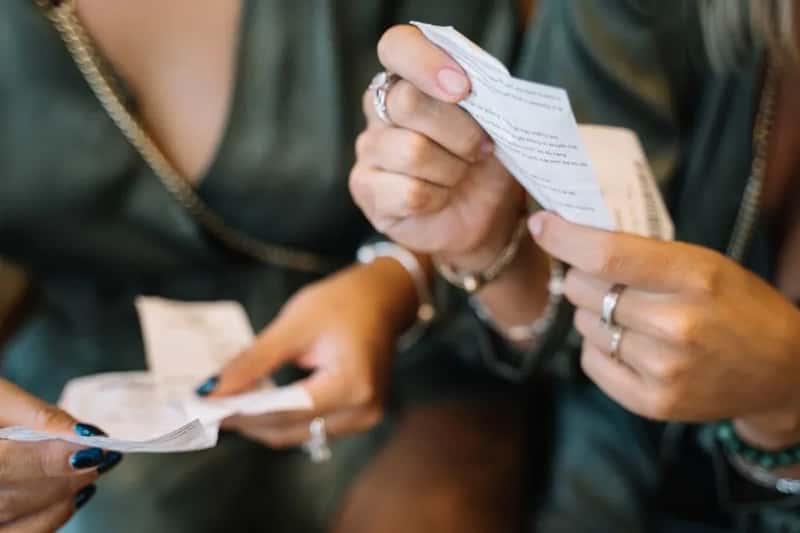
Restaurant receipts, toll records, and the folded hotel invoice from checkout usually get crumpled up before the shuttle even leaves for the airport. For anyone traveling on business or running their own freelance work, that paperwork has actual financial value. Restaurant receipts, parking stubs, toll records, and hotel invoices often get pitched the second a trip wraps up, but for anyone who travels for work, freelances, or runs a small business, these same scraps of paper can translate directly into deductible expenses or reimbursements.[1]
Tax authorities and corporate finance departments generally want an itemized paper trail, not just a bank statement showing a lump charge.[1] A quick photo of each receipt before it disappears into a hotel trash can is a habit worth building, especially with tax season always closer than it feels.
7. Leftover foreign currency and small coins
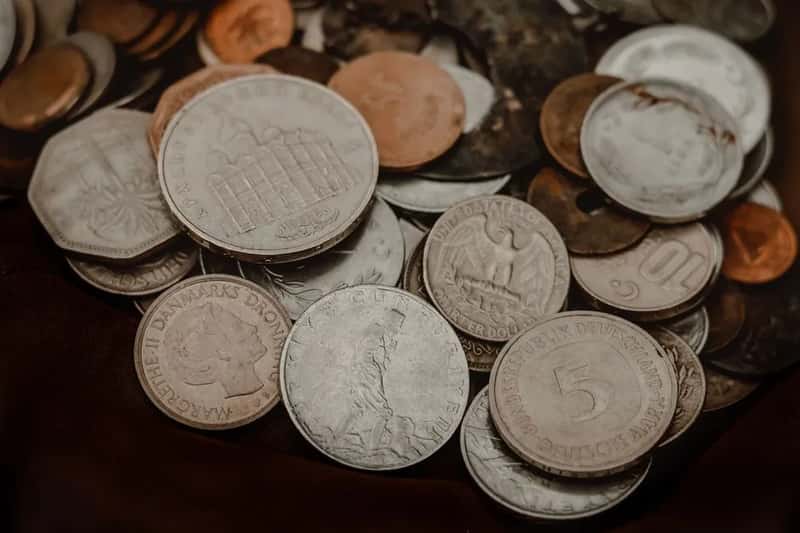
The last few coins and small bills from a trip often feel like clutter, so many travelers dump them into an airport donation box or leave them behind entirely. For anyone who might return to the same country someday, that’s often money given away too cheaply. Travelers who return to the same country, even years apart, are usually better off tucking that leftover cash into a drawer instead of trading it away for pennies on the dollar.[1]
It also comes in handy for tipping, tolls, or a quick coffee the moment you land next time, before you’ve had a chance to find an ATM, and small denominations especially tend to sit unused for years, so there’s little downside to keeping them.[1] A small envelope in a drawer at home, labeled by country, turns yesterday’s spare change into tomorrow’s convenience.
None of these items are dramatic or expensive on their own. What they share is that hotels have effectively already accounted for them in the nightly rate or the cost of doing business, which is exactly why staff keep saying guests are welcome to take them home rather than toss them in the room’s trash bin.