Spend a week or two traveling across Europe and certain patterns start to emerge that quietly reshape how you see everyday life back home. Nothing dramatic, just small habits and systems that locals barely notice but that visitors from the United States often find themselves puzzling over. These differences rarely make headlines, yet they say a lot about how two regions built their cultures around different assumptions.
What follows isn’t a ranking of better or worse, just an honest look at the customs that tend to catch American travelers off guard. Some are practical, some are social, and a few are simply the product of history and geography working differently on each continent.
1. Paying to use a public restroom
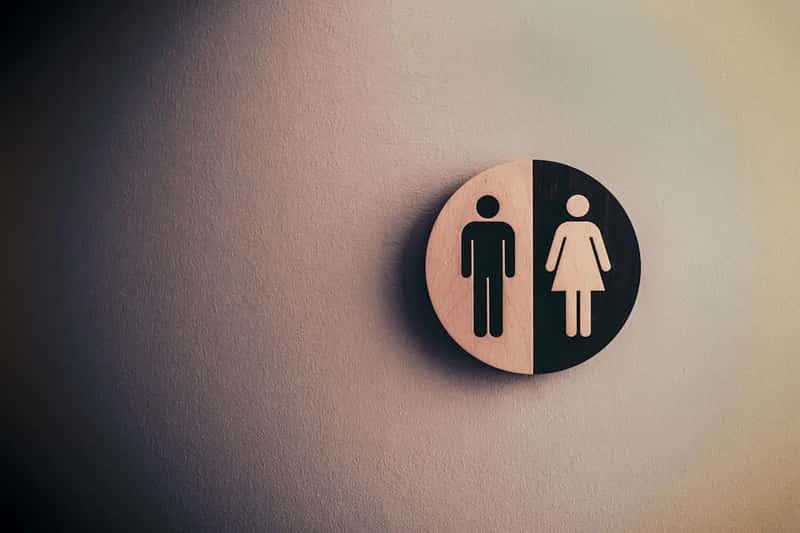
In much of Europe, walking into a public restroom and finding a small dish or coin slot asking for anywhere from fifty cents to a euro is completely unremarkable. Train stations, highway rest stops, and even some department stores treat restroom access as a paid service rather than a given amenity. The fees typically go toward an attendant who keeps the facilities clean, and locals rarely think twice about carrying spare change for exactly this purpose.
For Americans, who are used to restrooms being free almost everywhere, this can feel like an odd surprise the first time it happens. It’s not a tourist scam or a hidden tax, just a different cultural logic about who pays for upkeep. Once travelers adjust, many actually appreciate that the restrooms tend to be noticeably cleaner than free ones back home.
2. Long, unhurried meals as the default
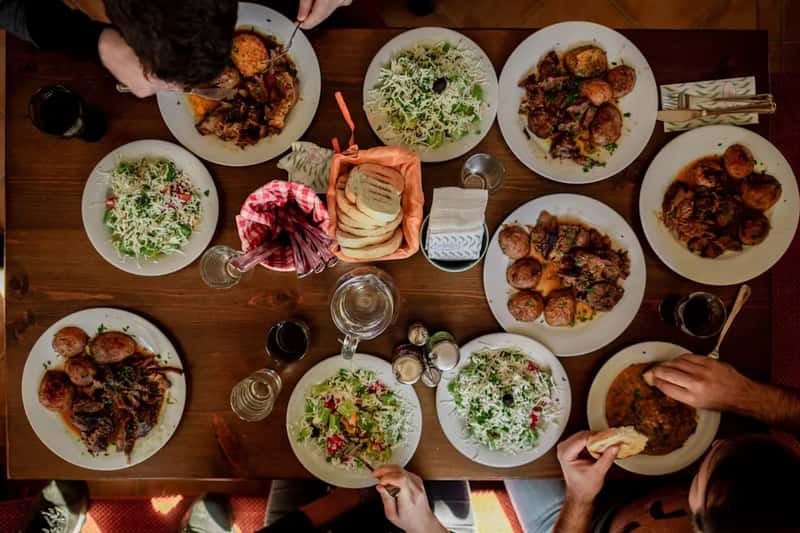
Dinner in many European countries, especially in France, Spain, and Italy, is treated as an event rather than a quick refuel. It’s common for a meal to stretch past two hours, with courses arriving slowly and no one bringing the check until it’s explicitly requested. Waitstaff generally won’t rush a table, since lingering after the meal to talk is considered part of the experience rather than a delay.
American diners, accustomed to a faster turnover culture where the bill often shows up before dessert plates are cleared, sometimes read this pace as inattentive service. In reality, it’s the opposite: rushing a guest is considered rude in many of these cultures. Understanding this shift in expectations helps explain why European restaurants can feel simultaneously wonderful and frustratingly slow to first time visitors.
3. Minimal air conditioning, even in summer
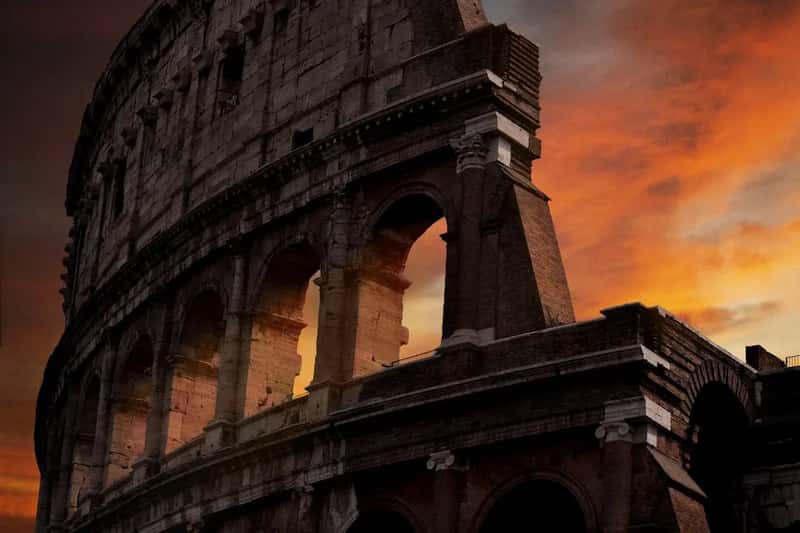
Central air conditioning is far less common across much of Europe compared to the United States, even as summer heatwaves have become more intense and frequent in recent years. Many homes, and even some hotels and offices, rely on fans, shutters, and thick stone walls to manage heat rather than mechanical cooling. This isn’t necessarily about affordability so much as a longer architectural and cultural tradition of building for climate rather than around it.
Americans who grew up with AC as a basic utility often find summer stays in parts of southern and central Europe surprisingly warm indoors. Attitudes are shifting slowly, especially as extreme heat events increase, but adoption remains far behind U.S. norms. It’s one of those differences that becomes very obvious during a July trip to cities like Rome or Paris.
4. Free healthcare visits without insurance paperwork

In countries with national health systems, such as the United Kingdom, France, or Germany, walking into a doctor’s office without navigating a maze of insurance forms is simply how things work. Citizens and often visitors receive care that is either free at the point of use or available for a small, fixed fee, funded through taxation rather than private billing. There’s no equivalent to the itemized American medical bill that arrives weeks after a visit, listing charges for aspirin or a hospital gown.
For Americans, this system can feel almost too simple, since so much of U.S. healthcare interaction involves checking coverage, copays, and provider networks before an appointment even happens. It’s not that European healthcare is free in the abstract sense, since it’s funded through higher taxes, but the experience at the counter is dramatically different. Many American travelers who’ve needed a doctor abroad describe the ease of the process as one of the more startling contrasts they encounter.
5. Nudity treated as unremarkable in certain settings

Public saunas in Germany, Austria, and parts of Scandinavia are frequently mixed gender and nude by default, a practice rooted in the idea that clothing traps bacteria and reduces the sauna’s health benefits. Beaches in France, Spain, and Croatia often include designated nude or topless sections without much social commentary attached. This comfort with nudity in specific, non-sexualized contexts is generally treated as practical rather than provocative.
American visitors, coming from a culture where nudity in shared spaces is far less normalized, sometimes feel caught off guard by how casually locals treat these settings. It’s rarely about exhibitionism and more about a different relationship between the body and public space. Travel guides increasingly flag this cultural difference so visitors know what to expect before booking a spa day or beach trip.
6. Extensive worker vacation guarantees

European Union law requires member countries to guarantee workers a minimum of four weeks of paid annual leave, and many countries, including France and Germany, exceed that baseline through collective bargaining agreements. This isn’t a perk offered at an employer’s discretion; it’s a legal floor built into labor law across the bloc. Entire cities can feel noticeably quieter in August as families take extended summer holidays at the same time.
The United States remains the only advanced economy without a federal law mandating any paid vacation or holiday time, leaving it up to individual employers. This gap often surprises Europeans as much as it surprises Americans once the comparison is made directly. It shapes everything from how businesses schedule around summer closures to how workers plan their years.
7. Small, frequent grocery trips instead of bulk shopping
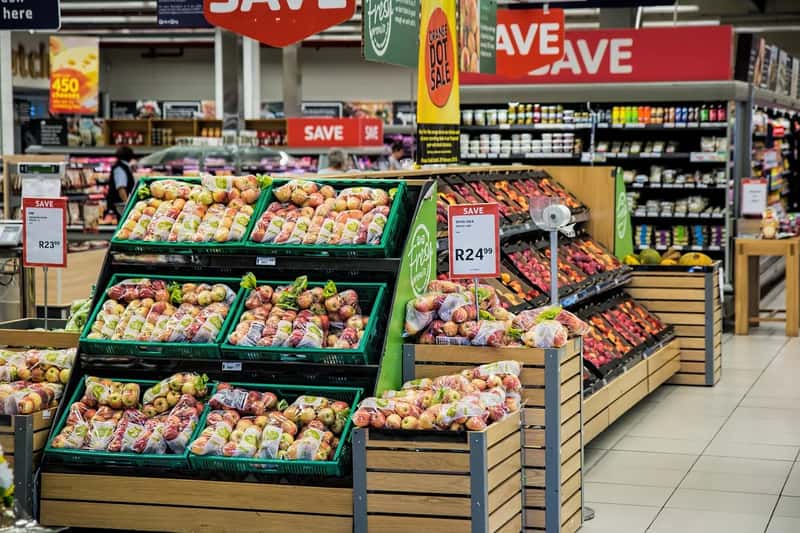
In many European cities, kitchens are smaller, refrigerators are more compact, and grocery shopping tends to happen every day or every couple of days rather than in a single large weekly haul. Fresh bread from a local bakery, produce from a market stall, and meat from a butcher are often bought in small quantities meant to be used quickly. This rhythm is partly practical, shaped by smaller living spaces and a preference for fresher ingredients, and partly cultural, tied to the ritual of visiting familiar local shops.
Americans accustomed to warehouse stores and enormous refrigerators sometimes find this approach charming but also mildly inefficient at first glance. Over time, many visitors come to appreciate the built-in routine of a daily walk to pick up dinner ingredients. It’s a small logistical difference, but it reflects a broader gap in how each culture organizes food, time, and daily errands.