There’s a particular moment every seasoned traveler remembers: standing in a hotel room, staring at a suitcase that barely closed on the way there, and wondering why on earth they packed half of it. Packing light isn’t just a trend for minimalists anymore. It’s become a practical response to shrinking overhead bin space, stricter airline weight limits, and the simple exhaustion of dragging too much stuff through cobblestone streets and train stations.
The truth is, most regret doesn’t come from what people forget. It comes from what they bring “just in case” and never touch again. Here are seven items that frequent flyers and long-term travelers consistently say they wish they’d left at home.
1. A second pair of jeans

Jeans are heavy, slow to dry, and take up an enormous amount of suitcase space compared to almost any other clothing item. One pair already weighs close to a pound or more depending on the cut, and packing a backup “just in case” often means carrying nearly two extra pounds of fabric that gets worn once, if at all. Travel clothing experts have long pointed out that denim is one of the worst fabrics for packing efficiency because it doesn’t compress well and takes far longer to air dry than synthetic or merino blends.
Frequent travelers who’ve switched to lighter travel pants or breathable chinos often say they don’t miss the denim at all. The bulk-to-usefulness ratio simply doesn’t hold up on multi-day trips, especially when laundry access is limited. Most people default to one pair of jeans anyway once they’re on the road, making that second pair dead weight from day one.
2. A hardcover book

Physical books are lovely at home, but on the road they’re often one of the first things travelers say they regret packing. A single hardcover novel can weigh close to a pound, sometimes more depending on the page count and binding, and most travelers realize by the second day that phone downtime, audiobooks, or e-readers cover the same need without the bulk.
E-readers like the Kindle Paperwhite weigh only a few ounces and can hold thousands of titles, which makes the math fairly one-sided for anyone doing serious research on this. Even paperback loyalists tend to admit that a hardcover specifically is the wrong call for travel, since the weight savings of switching to paperback or digital format are immediate and noticeable in a backpack.
3. Multiple pairs of shoes
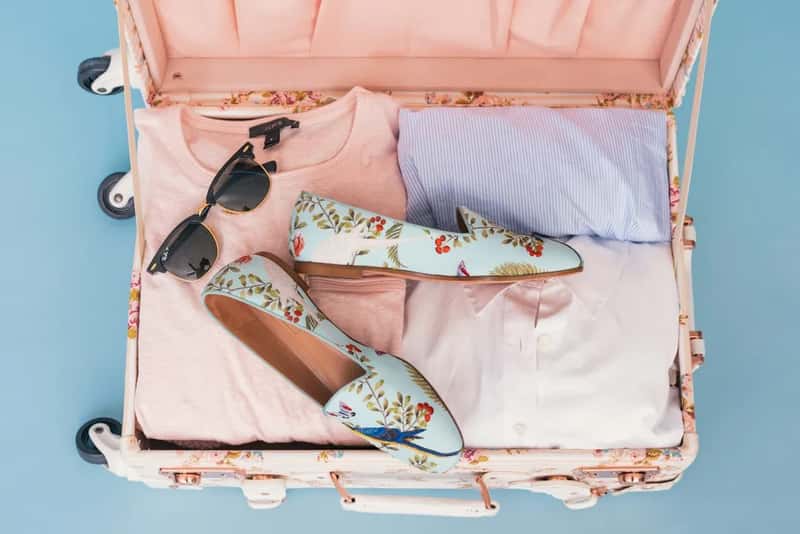
Shoes are consistently named by travel bloggers and packing coaches as the single heaviest, most space-consuming category in most suitcases. Packing sneakers, sandals, dress shoes, and hiking boots for one trip means carrying four bulky items that mostly sit unused, since most itineraries only really call for one versatile walking shoe and maybe one dressier option.
Minimalist packing guides that circulate widely among long-term travelers tend to recommend capping footwear at two pairs maximum, worn one and packed one, precisely because shoes eat suitcase volume disproportionately to how often they’re actually rotated. Travelers who’ve made this switch report it’s often the single biggest weight reduction they make, simply because shoes don’t compress like clothing does.
4. Travel-size toiletries in bulk
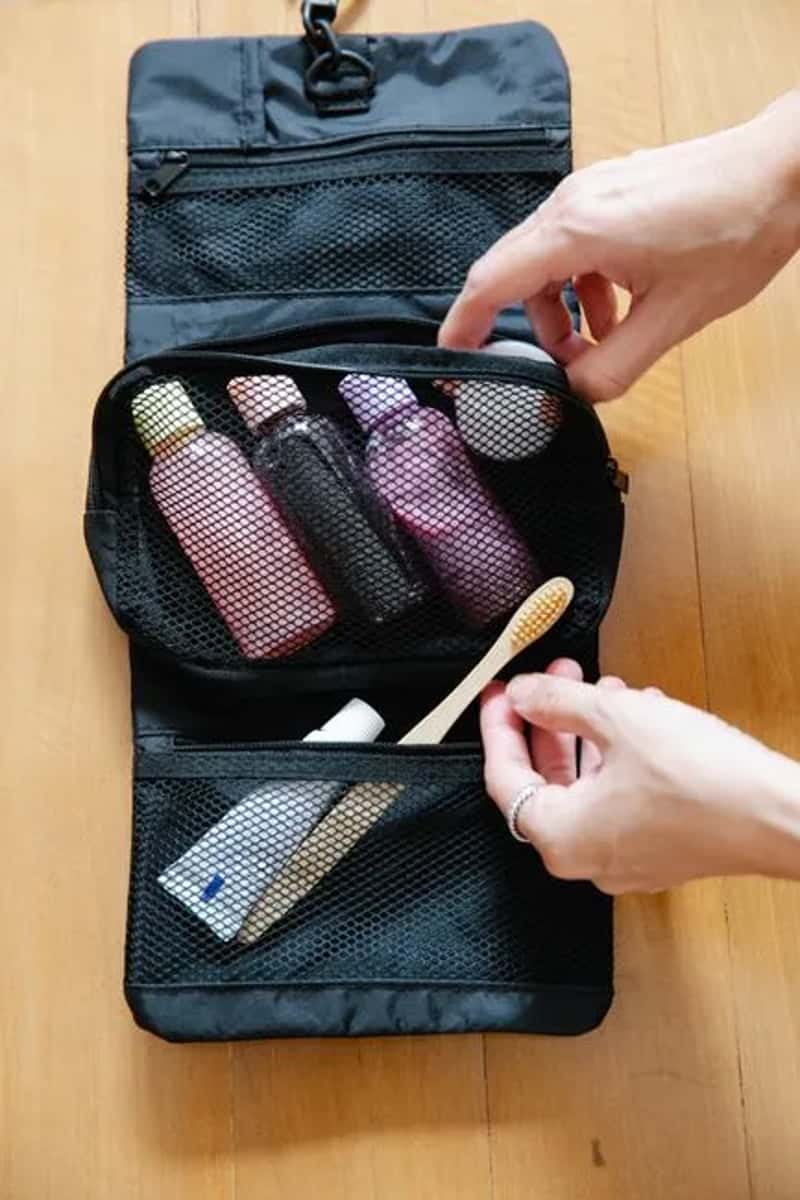
It sounds efficient to bring five or six mini bottles of shampoo, conditioner, lotion, and sunscreen, but most travelers who’ve done multi-week trips say this backfires. TSA liquid rules already cap containers at 3.4 ounces each within a single quart-sized bag for carry-on travel, so bringing a dozen small bottles doesn’t actually save room, it just adds clutter and extra plastic to dig through at security.
Hotels, especially mid-range and upscale ones, increasingly stock basic toiletries as standard, and most destinations have pharmacies or convenience stores where forgotten items are easy to replace. Travelers who scale down to a single small toiletry kit consistently say the freed-up space and lighter pack weight were worth more than the convenience of having every product from home.
5. A separate bag “just for souvenirs”
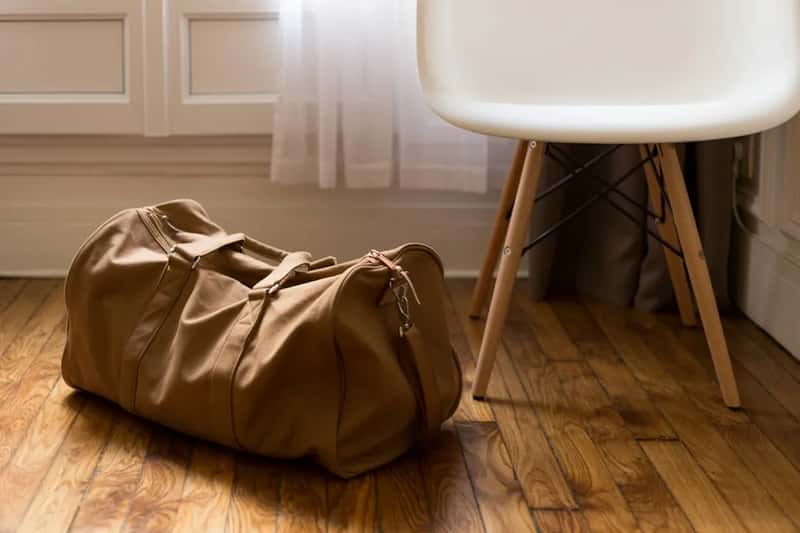
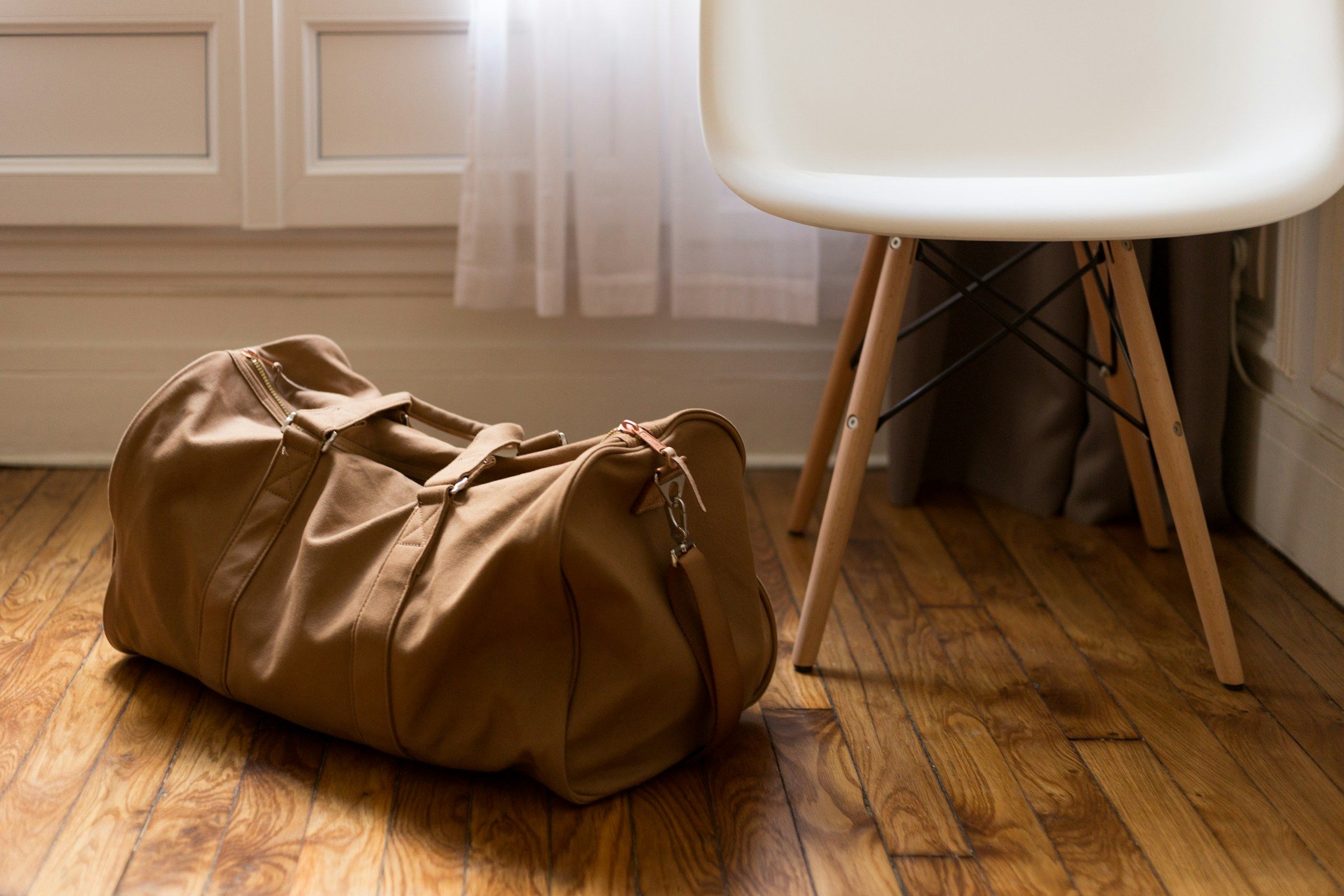
Packing an empty duffel bag or foldable tote in anticipation of shopping is a habit many experienced travelers eventually abandon. It takes up real space from the outset, and the psychological effect of having “extra room available” often leads to buying more than intended, which then creates a heavier return trip.
Seasoned travelers who’ve shifted toward light packing tend to say they’d rather ship items home when needed or simply buy a bag locally if souvenirs genuinely require one. Carrying an empty bag the entire outbound leg, just in case, is one of those decisions that feels smart in theory but rarely pays off in practice.
6. A full-size hairdryer or styling tool

Hairdryers are bulky, heavy, and often incompatible with foreign voltage systems without a converter, which adds even more weight and complexity. Most hotels above budget tier already provide a hairdryer in the room, making a personal one largely redundant on hotel-based trips.
Compact folding options exist and weigh a fraction of full-size versions, but even those get left behind by travelers once they realize how rarely they’re used compared to the space they occupy. For international trips specifically, voltage mismatches have damaged personal hairdryers and styling tools often enough that many frequent flyers simply stopped bringing them altogether.
7. Excess electronics chargers and cables

Bringing a separate charger for every device, plus backups “in case one fails,” is a habit that adds unnecessary weight and tangled clutter to any bag. Modern USB-C standards mean most phones, tablets, and even some cameras can now share a single charging cable and a multi-port charging block, cutting down what used to be four or five cords into one compact setup.
Portable charging organizers or simple pouches help, but the real fix frequent travelers point to is auditing devices before the trip and packing only what’s genuinely needed. Carrying three chargers for two devices is a small thing individually, but combined with cables, adapters, and battery packs, it adds up to real pocket and bag space that light packers say they’d rather use for something else.
The pattern across all seven items is the same. It’s rarely about a single heavy object ruining a trip. It’s the accumulation of “just in case” thinking that quietly adds pounds and bulk, one item at a time, until the bag that felt reasonable at home becomes a burden on the road.