Every year, millions of travelers land in a new city buzzing with excitement, only to walk straight into a trick that’s been running for decades, sometimes with a fresh 2026 twist. Locals who watch these scenes play out on repeat say the same thing every time: tourists get targeted not because they’re careless, but because they’re unfamiliar with the terrain and eager to trust a friendly face. From gem shops in Bangkok to pickpocket rings in Barcelona, these traps have become so predictable that residents can spot them from a block away, even as visitors walk right into them.
What follows isn’t a list of reasons to stay home. It’s a rundown of the specific tricks, taxes, and traps that locals want visitors to understand before they book that next trip, along with the real numbers behind why these problems keep showing up on travel forums and consumer complaint lines year after year.
1. The Vacation Rental Bait-and-Switch

Booking platforms like Airbnb and Vrbo have made it easier than ever to find a place to stay, but that same ease has opened the door to a particularly nasty scam. Consumer advocates have documented cases where travelers pay thousands of dollars for a listing described as a luxury property, only to arrive and find something that barely resembles the photos. One Vrbo customer paid twelve thousand dollars for what was supposed to be a luxury townhouse in London, but when her group arrived, the place looked more like a flophouse than a fancy British home.[1]
The other side of this trap hits after checkout. Another traveler’s Airbnb in Paris was exactly as described, yet after she checked out, the host charged her thirty five hundred dollars for a small coffee stain on a counter.[1] Locals who work in property management say the lesson here is simple: photograph everything on arrival and departure, and never assume a platform’s dispute process will move quickly or in your favor.
2. The Petition Pickpocket Distraction
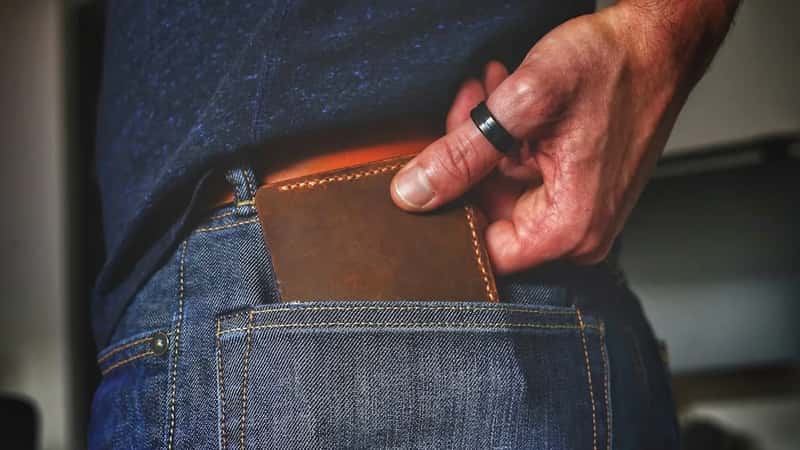
Around some of Europe’s most photographed landmarks, a seemingly harmless request to sign a piece of paper has become one of the most reliable ways to get robbed. A person approaches with a clipboard asking you to sign a petition, often for a fake charity, while you read and sign, an accomplice picks your pocket or unzips your bag.[2] It’s a two-person operation built entirely around distraction, and it works because most tourists want to be polite to a stranger asking for a signature.
Locals who live near these hotspots say the trick is remarkably consistent from city to city. This scam operates heavily around the Eiffel Tower in Paris, outside the Colosseum in Rome, and at major squares in Barcelona.[2] The advice from residents is blunt but effective. Never stop walking.[2] Keep moving, avoid eye contact with clipboard-carrying strangers, and if someone insists on your attention, treat it as a signal to check your bag rather than sign anything.
3. Bangkok’s “Grand Palace Is Closed Today” Scam

Few tourist traps have as long a track record as this one, and yet it still catches new arrivals every single week. A well-dressed local, often with excellent English, approaches near the Grand Palace and insists the site is shut for a special ceremony, cleaning day, or royal event. It’s the “Grand Palace closed today” scam, which funnels tourists into tuk-tuk gem and tailor commission tours, even though the palace is open every day from 8:30 a.m. to 3:30 p.m.[3]
From there, a conveniently waiting tuk-tuk driver offers a cheap ride to “better” alternatives, which almost always ends at a gem or tailor shop paying the driver a commission for every tourist delivered. Bangkok runs on tourist scams including tuk-tuk gem fraud and “temple closed” detours that account for the majority of money lost by visitors, and Thailand’s tourist police logged over nine thousand reported scam incidents in greater Bangkok last year, with the actual number likely three to five times higher.[3] Locals recommend a simple rule: if a stranger near a major landmark volunteers information about closures, treat it as a red flag rather than a courtesy.
4. Barcelona’s Organized Pickpocket Rings
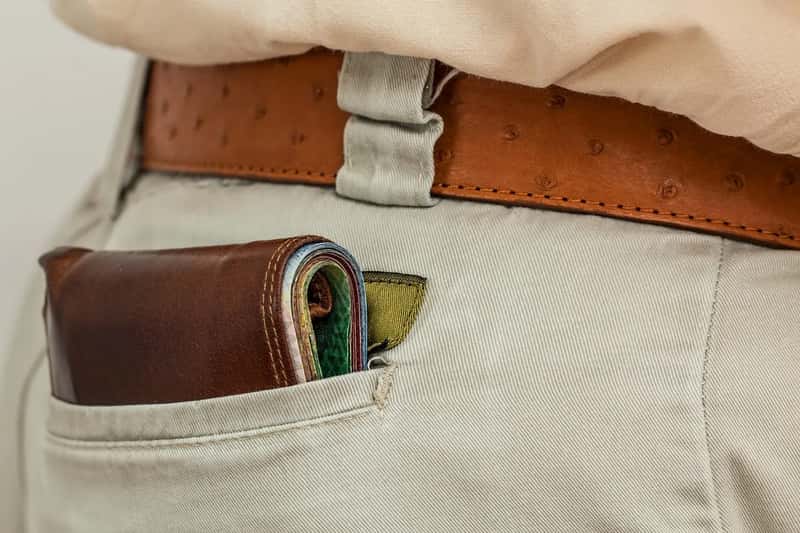
Las Ramblas is one of the most photographed streets in Europe, and also one of the most reliable places on the continent to lose a wallet or phone. This isn’t a matter of opportunistic petty theft. Catalan police describe organized crews that treat the boulevard like a job site. The Mossos d’Esquadra launched a dedicated operation targeting repeat offenders across the metro, bus network, and central streets, and in 2025 police identified 266 repeat offenders who had collectively accumulated 1,776 prior arrests between them, showing these are organized, professional thieves who treat tourist areas like a workplace.[4]
The scale of the problem is part of what makes locals so vocal about warning visitors. According to official statistics from 2023, pickpocketing accounted for over 48 percent of all crimes committed in the city, with over 100,000 incidents reported, a rise of 6.5 percent from the previous year.[5] The good news, residents are quick to add, is that the danger is almost entirely financial rather than physical. Ninety nine percent of pickpocketing incidents in Barcelona involve no violence, so travelers are not at risk of being attacked, only their wallet, phone, and passport.[4] A crossbody bag worn in front and a bit of extra awareness near Las Ramblas, the Gothic Quarter, and the metro’s L3 line go a long way.
5. Egypt’s Relentless Tourist Hustle Around the Pyramids

Few destinations generate as much traveler frustration as the area surrounding Egypt’s ancient monuments, not because the sites disappoint, but because the surrounding hustle can overwhelm the experience. Egypt is the undisputed number one destination on the planet for scamming tourists.[6]
The trouble often starts the moment a plane lands. For many, the dream of seeing the Pyramids is shattered by the reality of the experience, and from the moment you leave the airport, the pressure is on.[6] Locals and longtime guides who work in the industry acknowledge the problem openly, pointing to the sheer volume of touts that can be exhausting, creating a sense of isolation where travelers feel they can’t trust anyone.[6] Booking licensed guides in advance and firmly declining unsolicited offers at the gates remains the most consistent advice from those who know the terrain.
6. Venice’s Day-Tripper Fee and Overtourism Squeeze
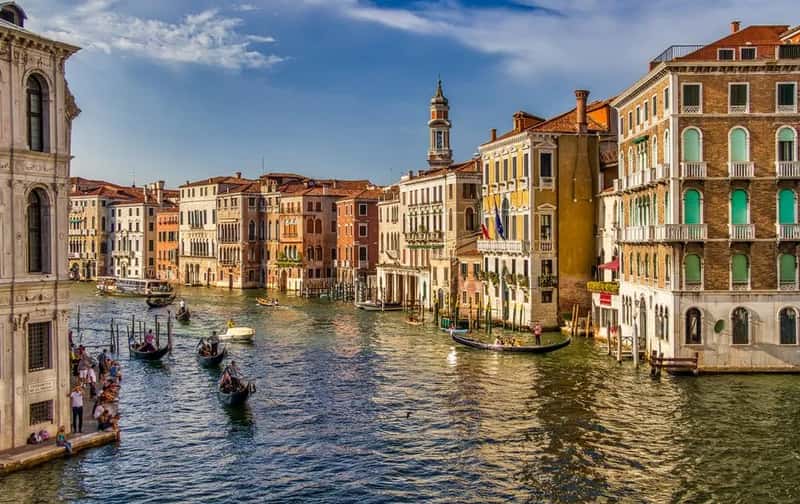
Venice isn’t dealing with pickpockets or gem shops so much as it’s dealing with its own popularity, and the city has responded with rules that catch unprepared visitors off guard. Since 2024, day-trippers arriving during peak periods have needed to register and pay a fee before entering, and 2026 brought an expanded version of the program. The mandatory ticket to access Venice is valid on sixty days in 2026, from April 3 to July 26, with the payment for the Access Contribution set at ten euros, or five euros with advance booking, per day of stay and per person, mandatory for day tourists entering the city.[7]
Travelers who skip the registration aren’t just risking an awkward conversation with an official. Visitors who have not paid the fee or registered as an exemption risk a fifty to three hundred euro fine.[8] Locals point to the numbers behind the policy as proof this isn’t bureaucratic overreach for its own sake. Venice has long suffered under the pressure of overtourism, and activists sounded a warning when the number of tourist beds officially overtook the number of residents, which has dwindled to under fifty thousand in a trend going on for decades.[8] Anyone staying overnight in a hotel or registered B&B is exempt, since accommodation taxes already apply, so the trap really only catches unprepared day visitors.
7. Currency Exchange Booths and Taxi Overcharging

Long before smartphones and rideshare apps, exchanging money and hailing a cab were the two moments scammers counted on most, and locals say both traps are just as alive in 2026 as ever. Street-side exchange booths often lure travelers with rates that look far better than the bank next door. Unlicensed vendors often lure tourists with amazing exchange rates, only to slip in hidden fees, inflated commissions, or even counterfeit notes, and when you’re jet lagged or in a rush, it’s surprisingly easy to fall for a deal that looks too good to pass up.[9] By the time a traveler realizes something is wrong, the vendor is typically gone.
Taxi scams follow a similar pattern of exploiting distraction and unfamiliarity, particularly right after a long flight. Taxi overcharging is rampant in several destinations, with drivers switching bills, claiming a passenger gave them a smaller note than they actually did, or simply refusing to use the meter.[6] The fix locals recommend is almost always the same: use a bank ATM rather than a street kiosk for currency, since withdrawing cash directly from a bank ATM often gives better rates than exchange kiosks[9], and confirm a taxi fare or insist on the meter before the car ever pulls away from the curb.
None of these seven traps should be a reason to cancel a trip. They’re simply patterns that repeat because they work often enough for the people running them, and understanding how each one unfolds strips away most of its power. A little research before departure, a healthy skepticism toward unsolicited help, and a willingness to double-check anything that sounds too convenient can turn a potential nightmare into nothing more than a story you tell over dinner once you’re safely back home.