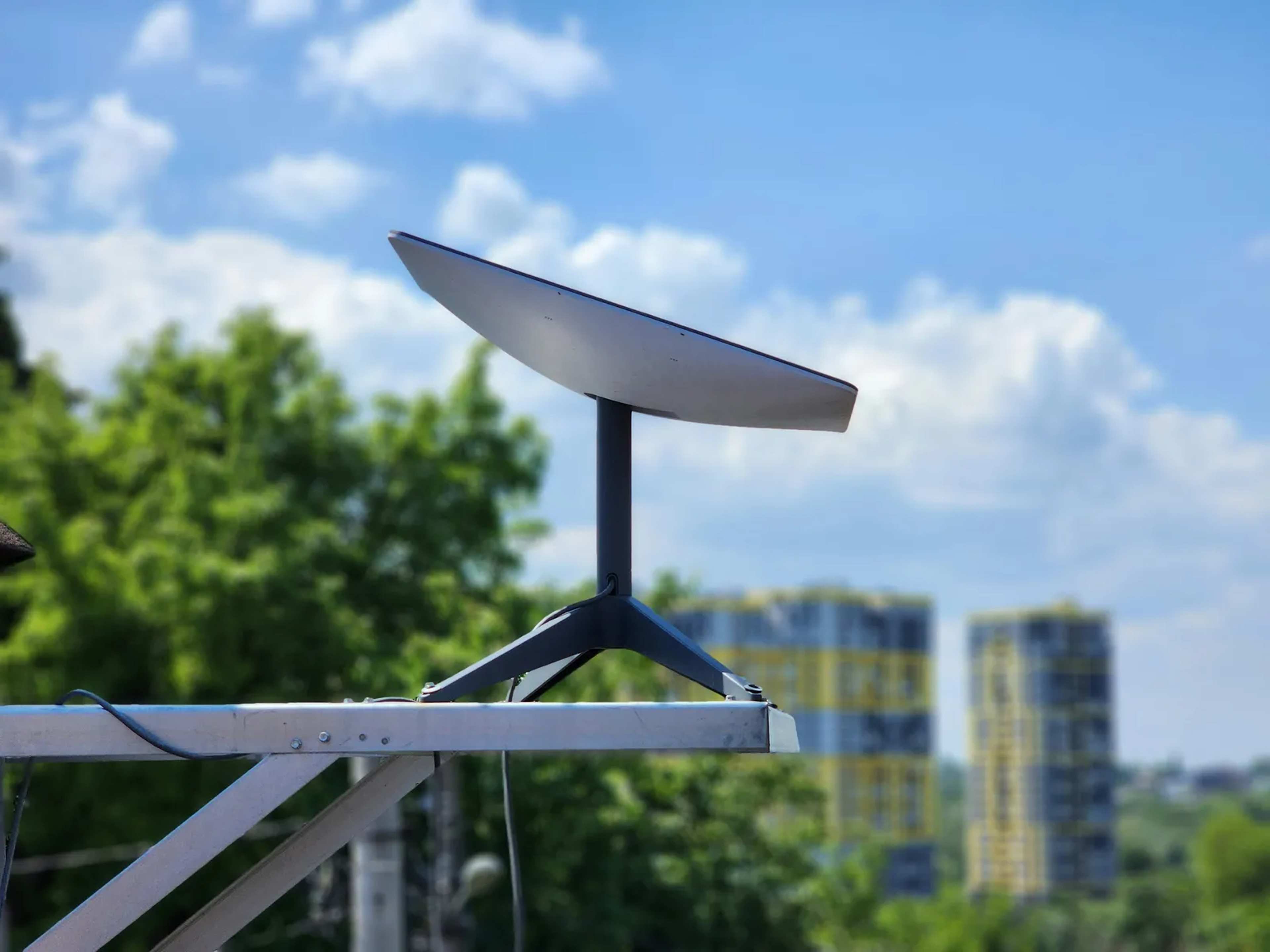
American Airlines is extending its Starlink partnership across the carrier’s full mainline fleet, a move that will bring high-speed satellite internet to more than 1,000 aircraft. The decision more than doubles the scope of an earlier plan that had focused on roughly 500 Airbus jets. Installations are expected to begin in early 2027, with the service remaining available at no extra charge to AAdvantage members.
From Limited Rollout to Full Fleet Coverage
The original announcement in May targeted only a portion of the Airbus narrowbody fleet. Thursday’s update broadens that commitment to every Airbus and Boeing jet operated by the airline itself. Long-haul routes stand to gain the most, since many Boeing 777s and 787s currently rely on older Panasonic systems that can drop connections over remote stretches of ocean or land. The expanded program will deliver consistent performance on both short domestic hops and extended international flights. Crews and passengers alike should notice fewer interruptions once the new terminals are active.
Passenger Experience at 35,000 Feet
Reliable connectivity changes how travelers use their time aloft. Families can stream entertainment without buffering, business passengers can join video calls, and anyone can stay in touch with ground contacts throughout the journey. American’s chief customer officer, Heather Garboden, noted that customers have said dependable connectivity makes a meaningful difference in how they spend their time in the air and that the service also lays groundwork for future onboard innovations. The upgrade arrives as more carriers turn to low-Earth-orbit satellite networks for faster, more stable links than traditional air-to-ground or older satellite options can provide.
Industry Momentum Behind Starlink
Several U.S. airlines have already moved ahead with similar installations. United and Alaska are well into equipping their fleets, while Hawaiian has offered the service on its Airbus aircraft for several years. In 2026 alone, Southwest and Frontier joined American in announcing Starlink plans. Delta and JetBlue have chosen a different path, selecting Amazon’s Leo system with service expected later in the decade. The split highlights competing visions for the next generation of airborne internet.
One Segment Left Behind
Regional jets operated by American’s partners will not receive the Starlink terminals under the current plan. Those smaller aircraft typically fly shorter routes where existing connectivity options may suffice for many passengers. The distinction leaves the airline’s largest and most heavily used planes as the priority for the faster service. Travelers who value staying connected during flights now have a clearer timeline for when American’s mainline fleet will catch up with the latest satellite technology. The shift underscores how in-flight Wi-Fi has moved from a novelty to an expected part of the journey for millions of passengers each year.