

Most passengers picture a flight attendant’s overnight stop as a small vacation with a free hotel. The reality is plainer. Airlines provide hotels and a meal allowance, but layovers are unpaid, and crew have no control over where they stay.[1]
Airlines don’t publish a list of cities crews dislike. What exists comes from crew blogs, industry sites and long forum threads, and the quality of that evidence varies. Some cities come up again and again, for different reasons.
Lagos, Where Crews Often Stay Indoors
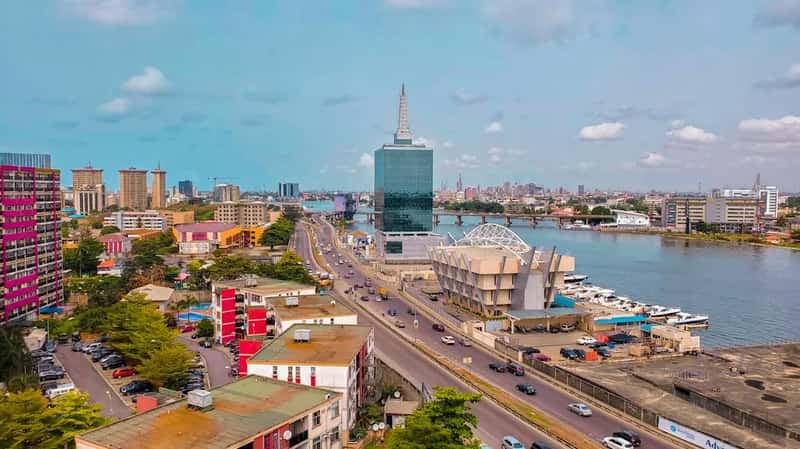
Lagos turns up on almost every unofficial worst list. Some airlines advise crew not to leave the hotel because of security concerns.[2] The airport is outdated, and transport can be unreliable.[2]
The hotels themselves aren’t the complaint. While hotels are decent, most crew prefer to stay inside for safety.[2] A pilot forum thread also mentions armed transport in Lagos, and another poster called it the most undesirable stopover for crews, though those are individual accounts and not official data.
Johannesburg and Caracas, Cities With Extra Precautions
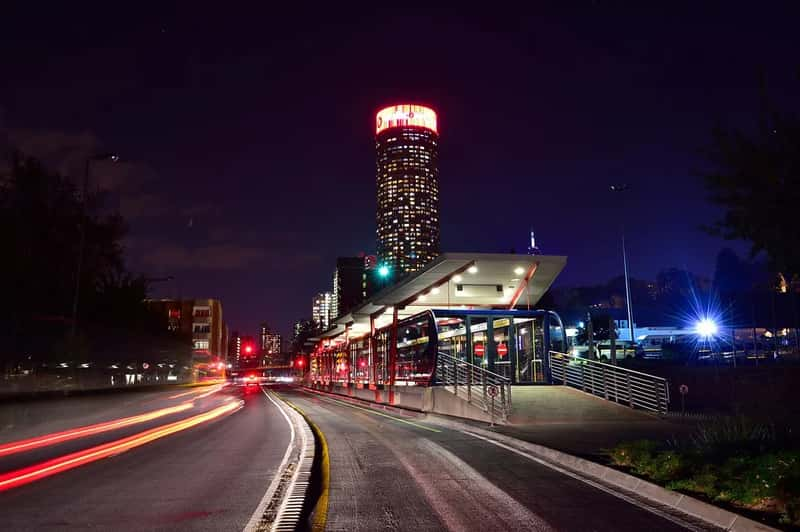
A Simple Flying piece on layover security lists Lagos, Johannesburg and Caracas[3] together. The same article describes the measures airlines use in riskier places. In more risky places, there is an armed guard onboard the crew bus.[3]
On forums, one pilot called Johannesburg statistically one of the most dangerous places[4] their airline flies to. Another poster said crews there are mostly forbidden from using public transit or minibus taxis. Treat both as anecdotes. They show how crews talk about the city, not how an airline officially rates it.
Dhaka, Where the Drive Is the Problem
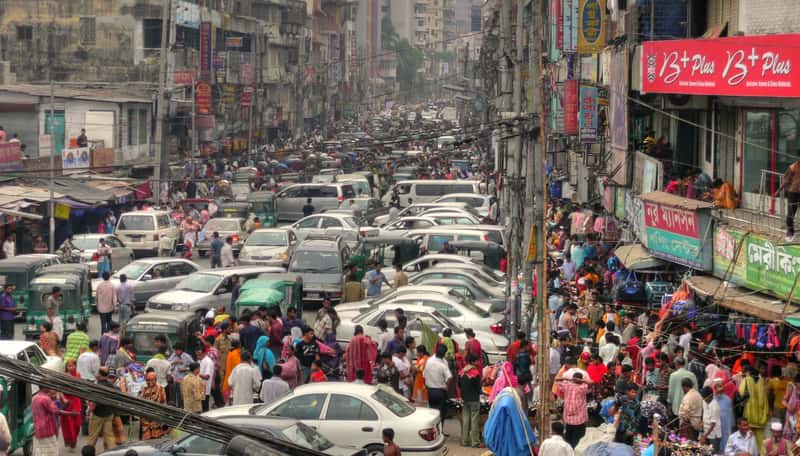
Dhaka lands on the worst list for logistics more than danger. CabinCrew24 says immigration can be slow, and traffic is unpredictable, turning a short drive into a long wait.[2]
The hotels are not the issue. Hotels are comfortable, but getting to them can be frustrating, and food choices outside the hotel are limited.[2] That matters because layovers can be as short as ten hours[1], so a slow transfer eats directly into sleep.
Riyadh and Delhi, Long Waits and Little to Do

Some cities earn their reputation through sheer lack of options. CabinCrew24 groups Riyadh and Delhi as places with limited things to do, long waits, and challenging conditions.[2] Of Riyadh specifically, it says layovers are mostly about resting at the hotel.[2]
That can sound fine for a crew that just wants sleep. Yet an isolated hotel makes it harder. An isolated location means no food options and no time to explore.[1]
Manila, Where Traffic Meets Safety Worries
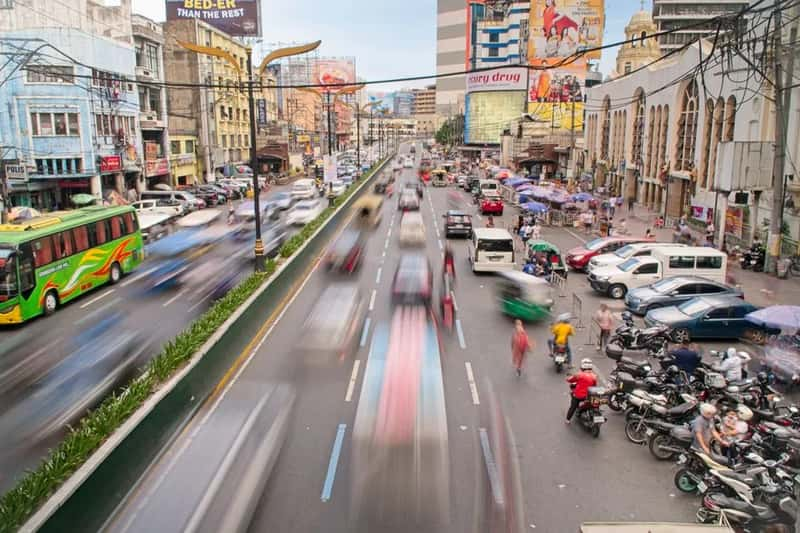
Manila appears beside Dhaka and Lagos in CabinCrew24’s worst category. The site says to expect traffic, delays, or safety concerns.[2] It doesn’t go into much detail on any of the three, so the ranking is a general impression.
Crews do describe a few common risks in big cities. Scams have occurred where there is no price list, and crew are overcharged.[5] Some taxi drivers claim the meter is broken and then charge a ridiculous price.[3]
London, Amsterdam and New York, When the Hotel Is the Issue
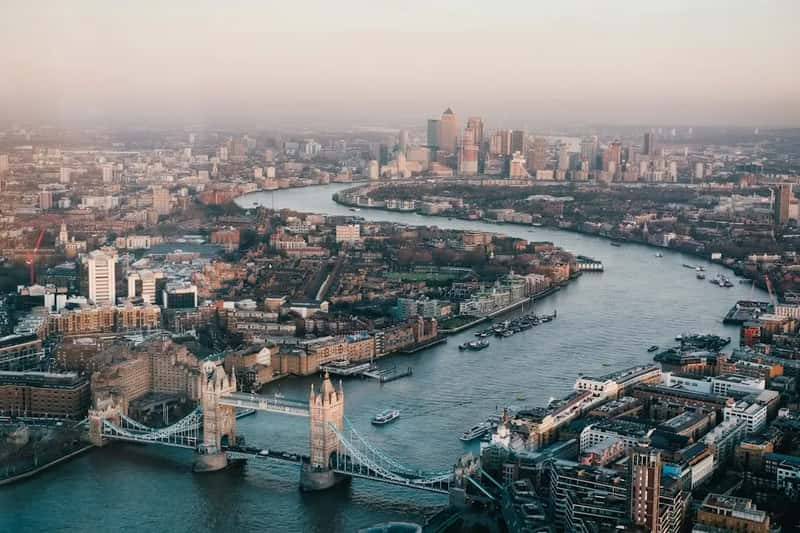
Not every dreaded layover is in a risky place. In late 2025, the flight attendants’ union at United said hotels in London, Amsterdam and New York had reportedly become reluctant to accommodate crew members.[6] The union represents more than 25,000 crew members.[6]
The airline used a clause allowing downtown or downtown like accommodations[6], which displaced crews to less desirable areas. Examples include crew relocations from London’s central districts to towns over twenty miles away.[6] Flight attendants argued that these changes increase commute times, disrupt rest periods, and diminish layover quality.[6]
Any City Where No Room Is Waiting

Sometimes the city doesn’t matter. The problem is arriving after a long duty day and finding no bed. CabinCrew24 lists no rooms booked on arrival, with crew waiting for hours or getting reassigned,[1] as a common crew hotel problem.
The most visible case came in 2021, so it’s older than the rest. Unions at American Airlines said crews were facing hotel booking and transportation delays while on the road.[7] The airline said it searched for hotel options as far as three hours away, but there was no availability that night, which coincided with a large music festival.[7]
Layovers That Run Too Short or Too Long
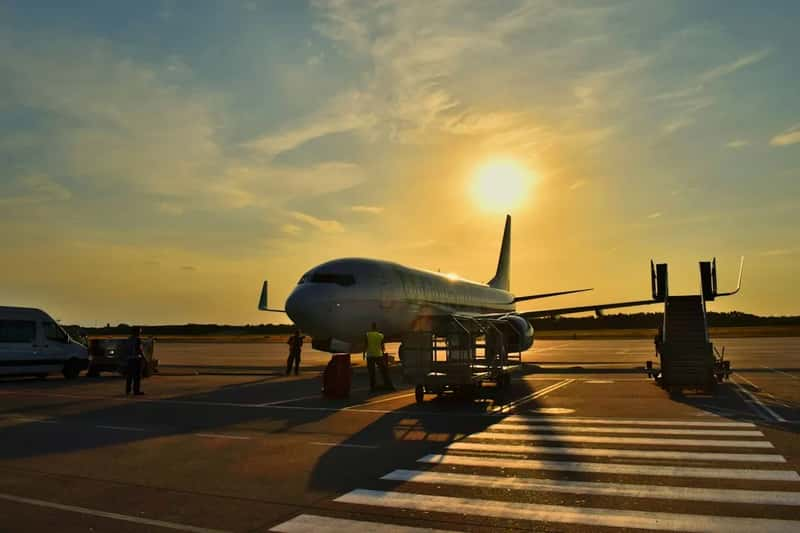
Length matters as much as location. Short haul layovers are typically ten to fourteen hours, barely enough to check in, sleep, and check out.[1] At the other end, one pilot forum poster said the worst layover is any layover longer than twenty hours.[8]
Body clocks add another layer. Crew often land when their body clock is completely off, making it hard to sleep or function normally.[1] Arriving in Tokyo at seven in the morning, the body still thinks it’s midnight.[1]
How Crews Protect Themselves Wherever They Land
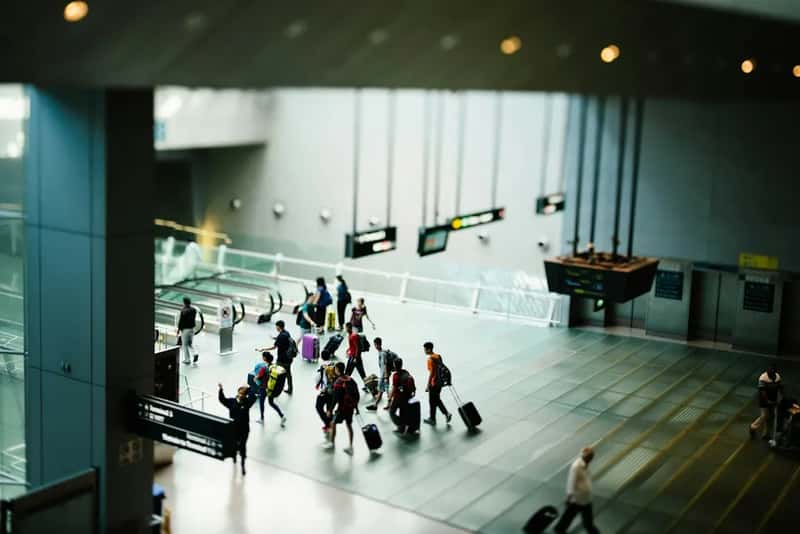
Routine habits do a lot of the work. Hotel rooms are always above the first floor for safety reasons.[5] Crew members should never disclose where they are staying, as it becomes a security risk.[5]
Transport gets similar attention. In some places, crew buses have been targeted in roadblocks and crew members robbed.[5] In a few cities, crew are advised to stay in the hotel and not go out at all during a layover.[5] Rules can change at any time, and the airline informs the crew of any changes.[3]